





Antique Diamond Crown
These antique diamond crown pieces are regal jewels and objets d'art, prized for their intricate coronet motifs and sparkling gemstones.
Antique Diamond Crown
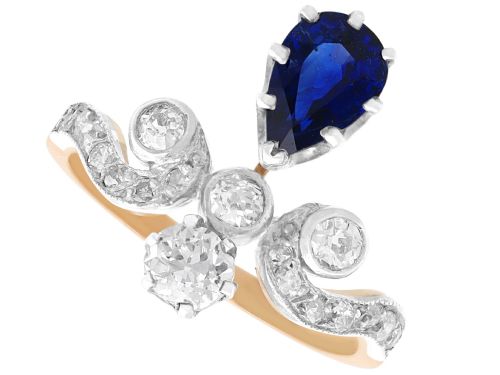
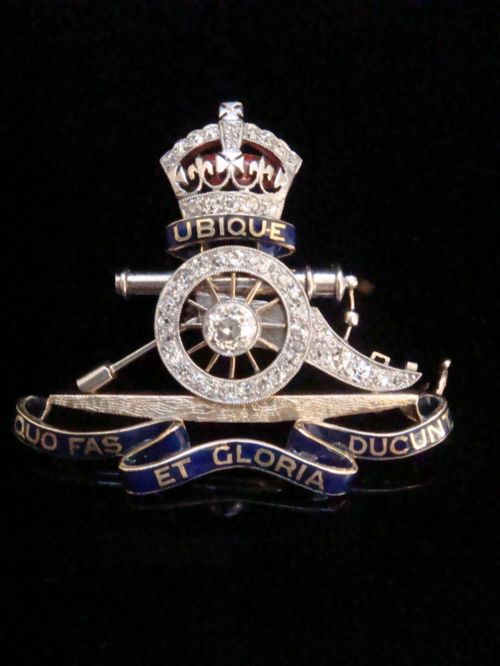
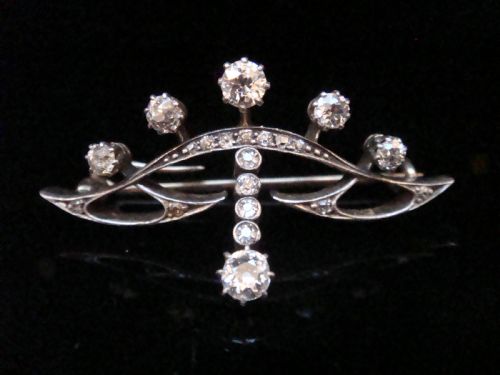
When you search for antique diamond crown, you enter a sphere of royal-inspired jewellery and objects spanning the Victorian, Edwardian, and Art Deco periods. The most frequent encounters on this page are brooches and rings fashioned into coronets, tiaras, and regal emblems.
The evidence shows these pieces originating across the nineteenth and twentieth centuries, incorporating ruby, emerald, sapphire, and pearl alongside diamonds. Forms range from wearable brooches and rings to desk accessories and pocket watches.
Makers and artisans of these eras employed platinum and various carats of gold, including yellow gold and silver-topped settings. Each piece carries the distinct stylistic hallmarks of its decade, from late Victorian exuberance to Belle Époque refinement.
Materials and construction
The construction of these pieces relies heavily on precious metals such as platinum, silver, and gold ranging from nine to eighteen carats. Metals are frequently combined, such as silver-topped gold or platinum-set yellow gold, to provide secure settings for the stones.
Diamonds, pearls, rubies, and emeralds are set using period-appropriate techniques like old cut and rose cut stone placement. The meticulous assembly supports complex coronet and crown structures that demand high levels of goldsmithing skill.
Antique Diamond Crown Retail Price Guide 2026
Typical asking prices for diamond crown among the pieces listed under this phrase on Sellingantiques today, from the lower quarter to the upper quarter. They describe what is for sale here now, not the wider market.
Even time itself can wear a crown, as demonstrated by pocket watches featuring royal motifs alongside complex mechanical ticking.
Judging quality in crown jewellery
Quality rests upon the precision of the metalwork and the integration of the stones within the crown or coronet motif. Superior examples display balanced symmetry, secure stone settings, and harmonious colour combinations of gems such as rubies, emeralds, and sapphires.
The distinction between standard and exceptional pieces lies in the subtlety of the design and the preservation of original mounts. Finer items retain their delicate pierced work and original pearls or diamonds without visible alteration.
The Antique Diamond Crown Glossary
- Coronet
- A small crown worn by nobility, frequently translated into brooches and rings in nineteenth-century jewellery. This motif defines the structural shape of many pieces in this category.
- Old cut
- A diamond cutting style prevalent before modern brilliant cuts, characterised by a smaller table and higher crown. These stones exhibit a softer, candlelit sparkle.
- Belle Epoque
- A period of elegant design spanning the late nineteenth century to the First World War. Jewels from this era often feature platinum settings and delicate garland motifs.
- Minute repeater
- A complication in pocket watches that chimes the hours, quarters, and minutes when activated by a slide. This mechanism represents high horological skill.
- Rose cut
- A historic diamond cut featuring a flat base and a domed top covered in triangular facets. It imparts a subtle, understated brilliance to antique pieces.
Antique Diamond Crown: Frequently Asked Questions
What is an antique diamond crown?
An antique diamond crown is a piece of jewellery or a decorative object shaped like a royal coronet or tiara. These items incorporate diamonds and other precious stones set in gold, platinum, or silver.
They reflect the historical fascination with royalty and pageantry, particularly during the Victorian and Edwardian eras. Pieces take the form of brooches, rings, pendants, and even pocket watches.
How do I wear an antique crown brooch?
Crown brooches work well pinned to the lapel of a jacket, the shoulder of a dress, or securing a scarf. Their three-dimensional shape adds texture and prominence to fabrics.
Ensure the pin mechanism is secure before wearing, and fasten it through a sturdy weave of cloth to support the weight of the gold and gemstones.
What materials are used in these pieces?
These items utilise precious metals including platinum, silver, and gold in various carats such as nine, fifteen, and eighteen. Gemstones regularly accompany diamonds, including natural pearls, emeralds, rubies, and sapphires.
The combination of silver-topped gold was common in earlier periods to provide a bright white background for diamond settings.
How do I care for antique diamond jewellery?
Clean these pieces gently with a soft brush and warm soapy water, avoiding harsh chemicals or ultrasonic cleaners that can damage pearls and softer gemstones. Store them individually in lined boxes to prevent metal scratching.
Periodic inspection by a professional jeweller ensures that old cut stones and delicate settings remain secure in their mounts.
How can I tell the period of a crown jewel?
Dating relies on examining the metal combinations, gemstone cuts, and overall stylistic markers of the piece. Victorian items often feature heavier gold work and rose cut diamonds, while Edwardian examples favour platinum and intricate pierced settings.
Manufacturing techniques and hallmarks stamped on the metal also provide concrete clues to the exact decade of origin.