
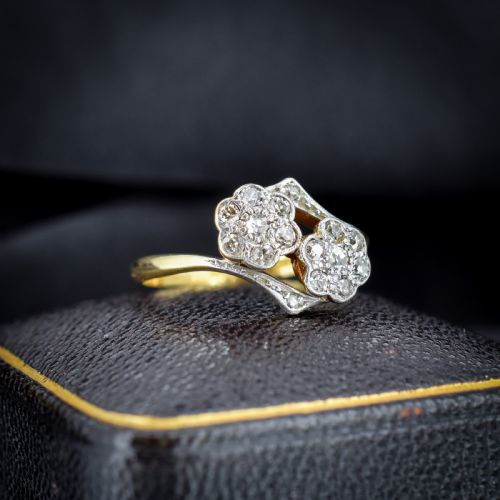
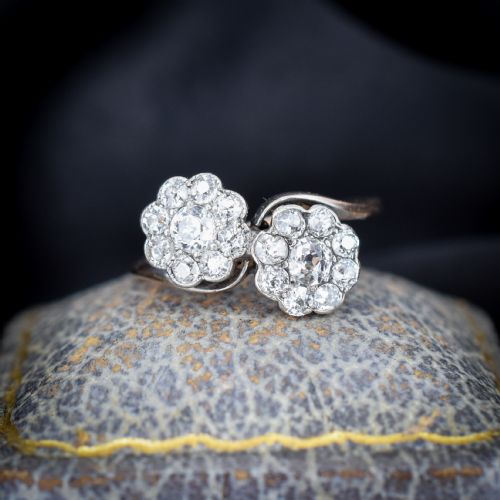


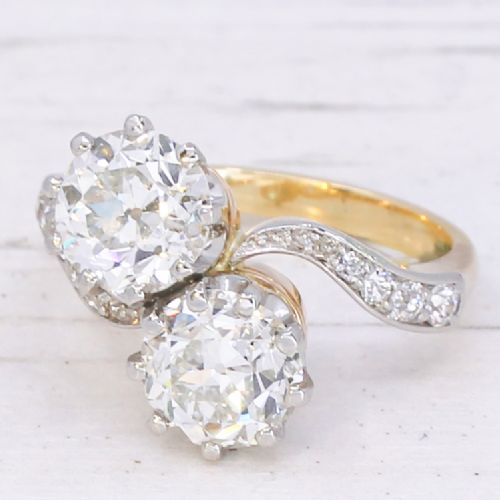


Antique Diamond Crossover Ring
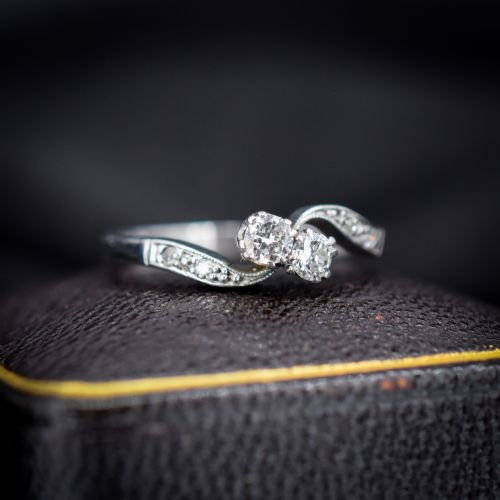
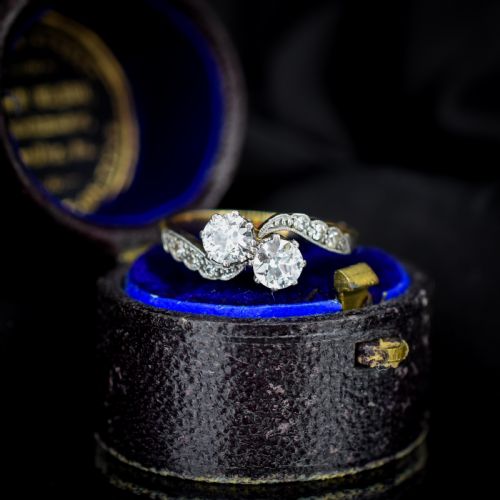
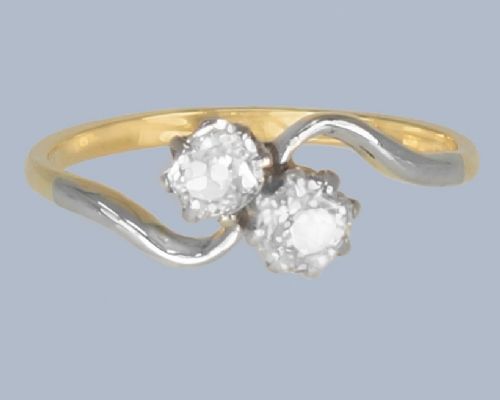
An antique diamond crossover ring brings two cherished stones together in a fluid twist, offering timeless elegance on the hand.
Antique Diamond Crossover Ring
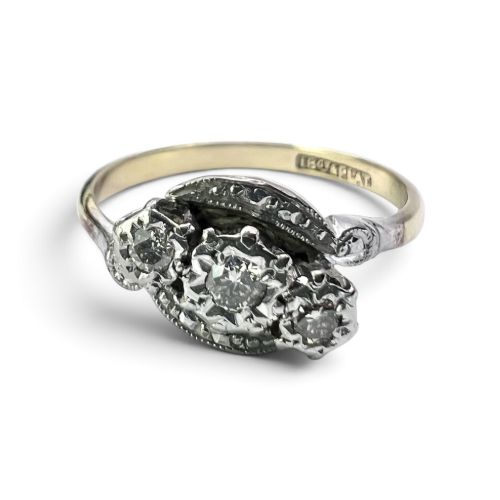
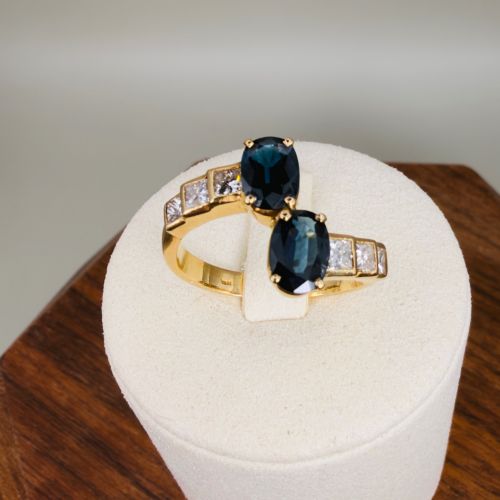
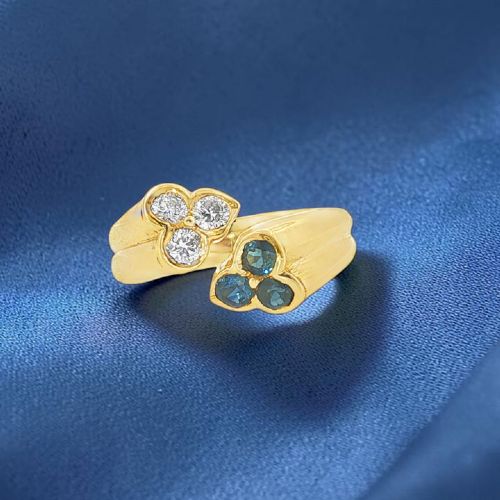
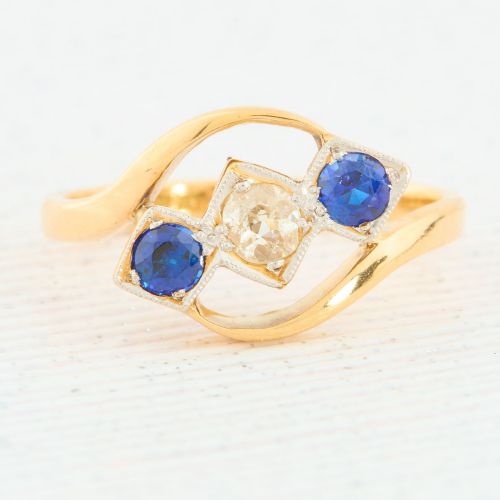
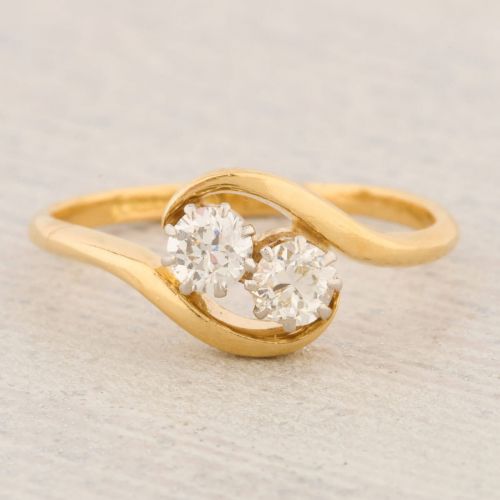
An antique diamond crossover ring is defined by its distinctive two-stone or multi-stone twist design, often referred to as a Toi et Moi style. When you search for this phrase, you encounter pieces spanning the Edwardian and Art Deco eras, alongside mid-century examples from nineteen-forty.
The most common versions on this page pair diamonds with coloured gems or pearls, set within curving platinum and eighteen-carat gold bands. These rings showcase classic old-cut, old-mine, and rose-cut diamonds that sweep gracefully across the finger.
How these rings were made
Maker's workshops built these pieces using durable combinations of platinum, white gold, and eighteen-carat yellow gold. Platinum settings allowed artisans to secure stones with delicate claws and minimal metal weight.
Goldsmiths shaped the shanks into smooth twists, mounting old-cut diamonds alongside natural pearls, emeralds, and sapphires. Hand-finished details define the construction of both Edwardian and Art Deco mountings.
Two stones meeting in a twist ensures they spend all day whispering secrets to each other on your hand.
What varies in quality
Quality rests in the harmony of the crossover sweep and the proportion of the main stones. Superior examples feature well-matched diamonds and complementary gems that balance each other perfectly in the twist.
The finesse of the metalwork also separates the finer pieces from simpler items. Expert hand-forging in platinum and gold creates a seamless flow that lesser mountings simply fail to achieve.
The Antique Diamond Crossover Ring Glossary
- Crossover ring
- A ring design where the shank sweeps around to cross over the top of the finger, often holding two main stones. This style is also known as a twist ring.
- Toi et Moi
- A French term meaning you and me, describing a ring with two principal side-by-side or crossover stones representing two souls entwined. It remains a romantic favourite in antique jewellery.
- Old cut
- A vintage diamond cutting style with a small table, high crown, and large culet, hand-faceted before modern machinery. These stones display a soft candlelight sparkle.
- Rose cut
- An antique diamond cut featuring a flat base and a dome faceted into triangular shapes. It gives a translucent, glistening appearance rather than deep brilliance.
- Belle Epoque
- A French period spanning the late nineteenth and early Edwardian eras, characterised by light, garland-style platinum and diamond work. Pieces from this time look lace-like and airy.
Antique Diamond Crossover Ring: Frequently Asked Questions
How do I date an antique ring?
Dating relies on examining the materials, mounting styles, and cutting techniques used by the maker. Edwardian pieces often employ platinum-topped gold with delicate openwork, while Art Deco designs favour geometric precision.
Gemstone cuts also provide clues, as old mine and rose cuts point firmly to earlier manufacturing periods rather than modern production.
Can I wear one every day?
These rings suit daily wear provided you treat them with the care due to antique jewellery. Platinum and eighteen-carat gold offer good durability for regular use.
It remains wise to remove the ring during heavy manual tasks to protect the delicate claw settings and softer side stones like pearls.
What does Toi et Moi mean?
Toi et Moi translates from French as you and me, symbolising two individuals joined together. The term describes rings featuring two prominent gemstones placed in a close embrace.
This romantic concept gained immense popularity in antique jewellery, particularly in Edwardian and Art Deco twist mountings.
Are the diamonds natural?
The diamonds found in these historic rings are natural earth-mined stones shaped by hand before modern synthetic alternatives existed. Each stone carries the unique characteristics of antique cutting.
Accompanied gems such as pearls, emeralds and sapphires in these listings are also natural period components.