

Antique Desk Set
An antique desk set gathers the inkwells, pens, and paper-holders that kept a formal study in order.
Antique Desk Set
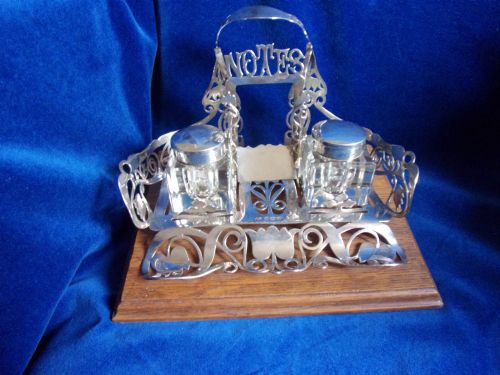
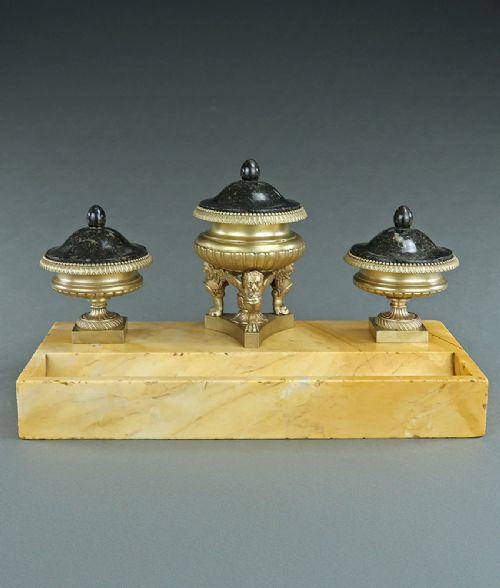
An antique desk set brings together matching writing accessories intended for a Victorian or Edwardian library, often combining an inkwell with a tray or standish.
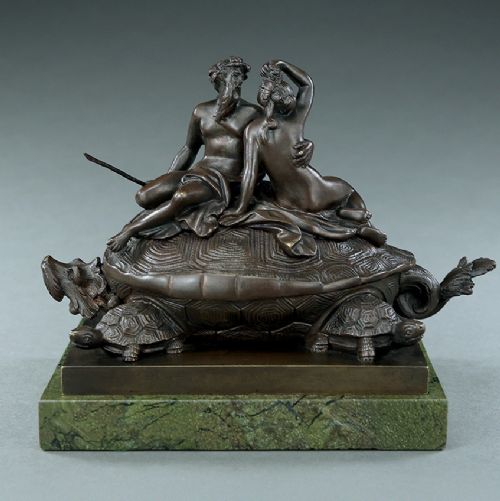
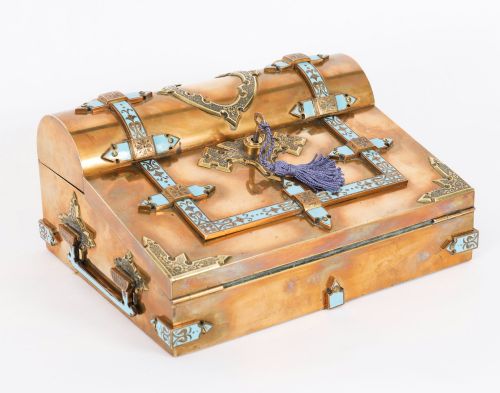
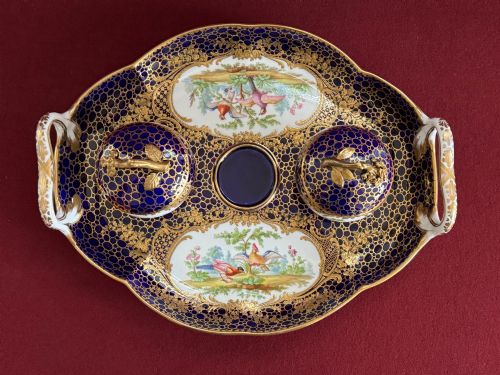
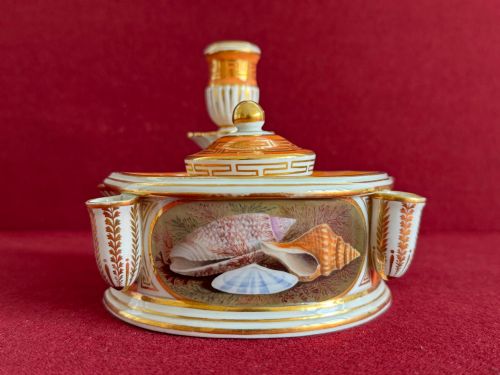
Buyers searching for an antique desk set encounter varied configurations including brass or bronze stands, leather bridge boxes, and porcelain inkstands.
The objects span periods from the Georgian era through the 19th Century and into the Edwardian decades, reflecting changing writing habits.
Materials and construction
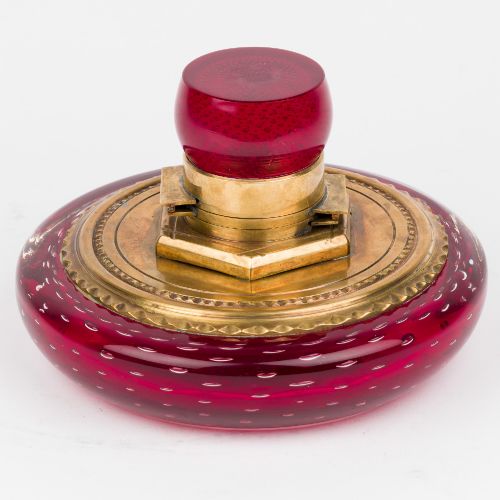
Maker's workshops combined metals such as brass, bronze, silver, and pewter with glass inserts, leather, and hardwoods like mahogany, walnut, and oak.
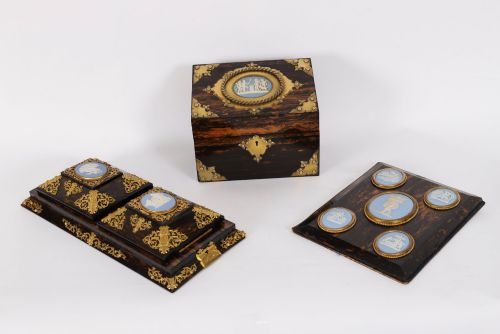
Decorative elements relied on ormolu, enamel, and parcel gilt work, alongside ceramic production from factories like Minton, Spode, and Worcester.
A bronze Qilin scholar's seal set proves that ancient Chinese mythical beasts took desk organisation very seriously indeed.
Assessing quality and craftsmanship
Quality rests upon the weight of the metal cast, the precision of the joinery on wooden bases, and the finish of mounts and ceramic bodies.
The inclusion of signed components, named maker's marks, and complete matching sets elevate the standard well above utilitarian office gear.
Edwards and Jones·Whitefriars·Flight and Barr·Edmé Samson·Archibald Knox Liberty·Elkington
The Antique Desk Set Glossary
- Standish
- A structured tray or stand designed to hold inkwells, sanders, and pen holders on a desk.
- Ormolu
- Finely ground high-carat gold applied to bronze mounts, common on 19th-century decorative metalwork.
- Divit Qalamdan
- A traditional portable writing set featuring a hollow pen case with an attached inkwell compartment.
- Bridge box
- A covered box tailored for playing cards or writing stationery, frequently mounted in leather and silver.
Antique Desk Set: Frequently Asked Questions
What is included in a standard set?
A standard set typically includes a central tray or stand holding one or two inkwells, often accompanied by pen rests and compartments for wax or stamps.
More elaborate groupings incorporate letter racks, candlesticks, or matching blotters within the same decorative scheme.
How do I date a brass standish?
Dating relies on stylistic clues such as Neoclassical or Rococo Revival casting patterns, alongside the manufacturing marks stamped into the metal.
Heavier cast brass and bronze pieces generally point towards the 19th century, while lighter fretted work often indicates the Edwardian period.
Were these items used for daily writing?
These accessories were standard desktop fixtures for correspondence, record-keeping, and signing documents in affluent households and offices.
Precious materials like porcelain, enamel, and silver indicate they belonged in drawing rooms or private libraries rather than working counting-houses.
How do porcelain inkstands differ?
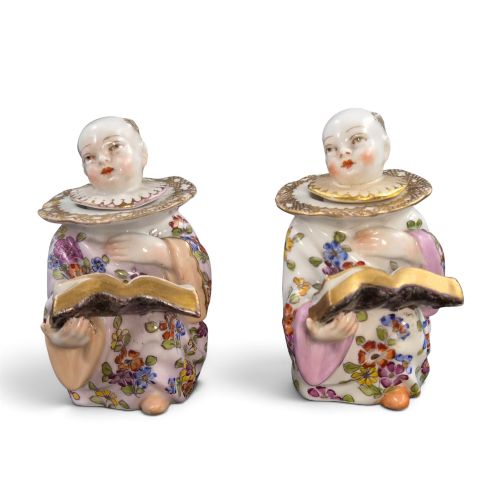
Porcelain inkstands rely on ceramic bodies produced by factories such as Spode or Minton, featuring hand-painted glazes and gilding.
They function as decorative desk ornaments where the ceramic inkwell inserts match the fitted tray.