
Antique Decorative Frame
An antique decorative frame brings history and fine craftsmanship to a wall, holding mirrors, paintings, and textiles with enduring style.
Antique Decorative Frame
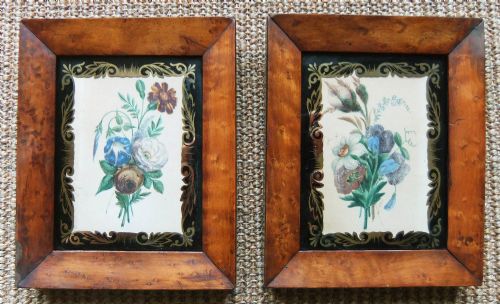
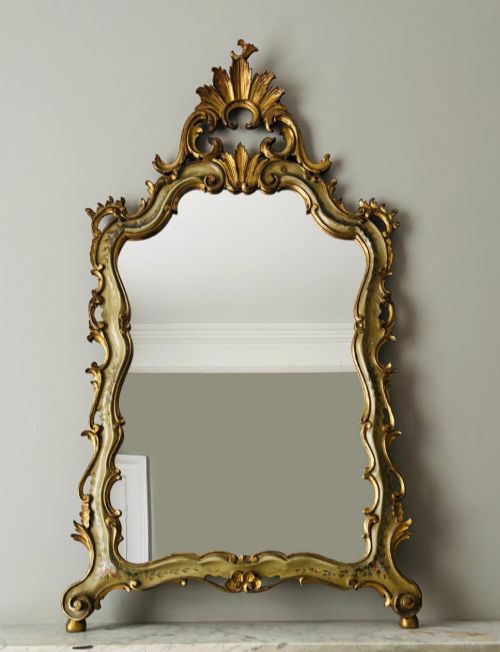
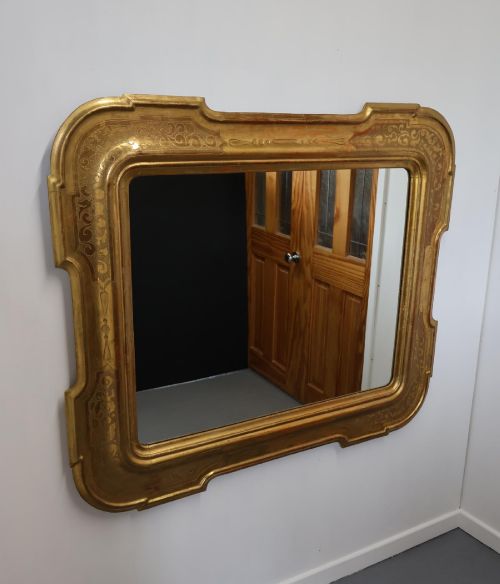
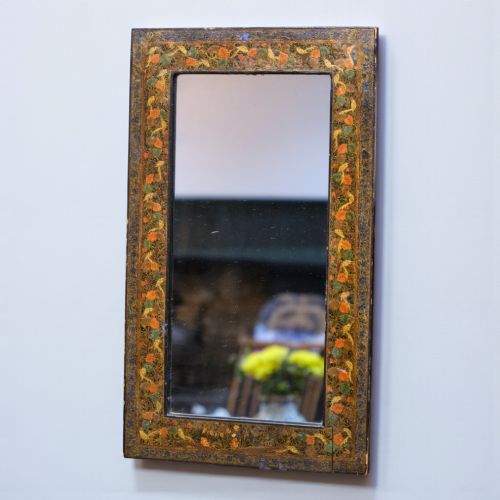
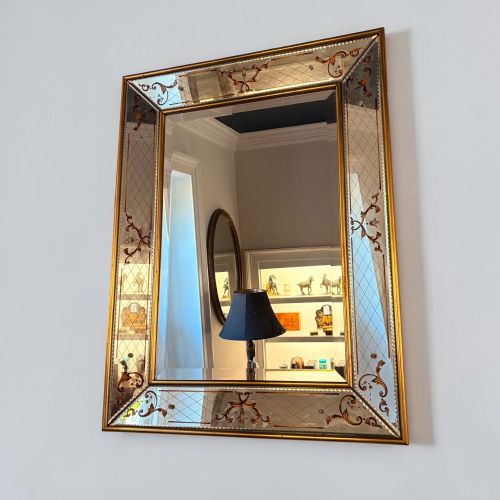
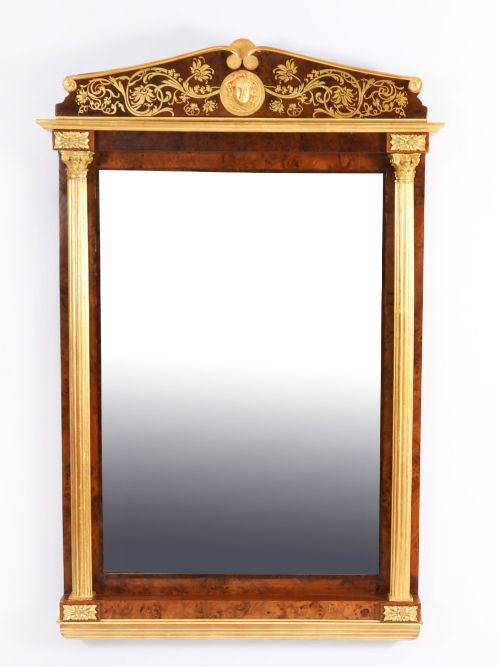
When searching for an antique decorative frame, buyers encounter a wide assortment of surrounds designed to house mirrors, oil paintings, photographs, and embroidered panels. These pieces originate predominantly from the nineteenth and eighteenth centuries, reflecting diverse periods such as the Victorian era, Regency, and Arts and Crafts movements.
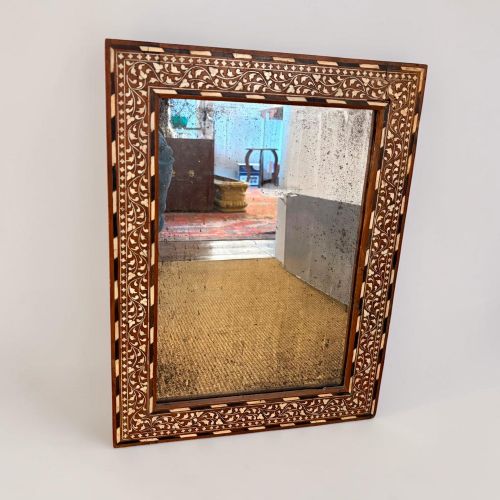
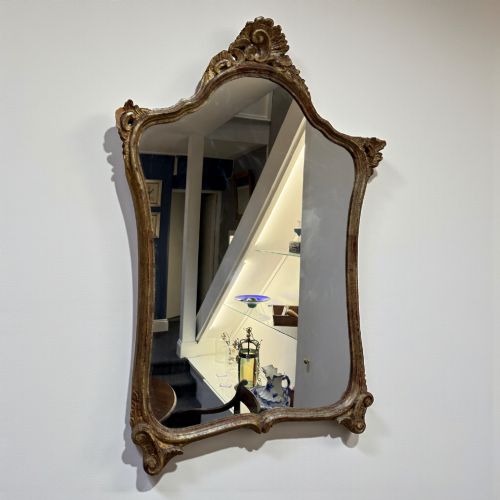
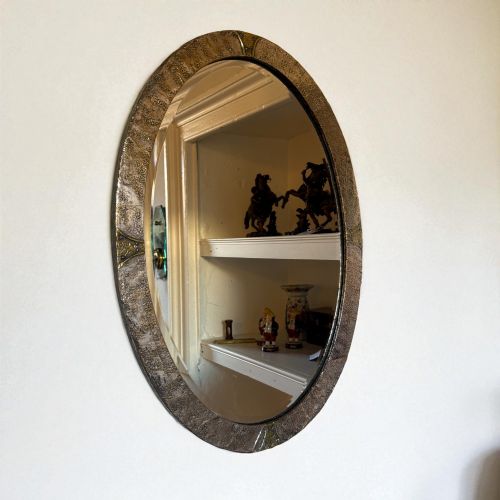
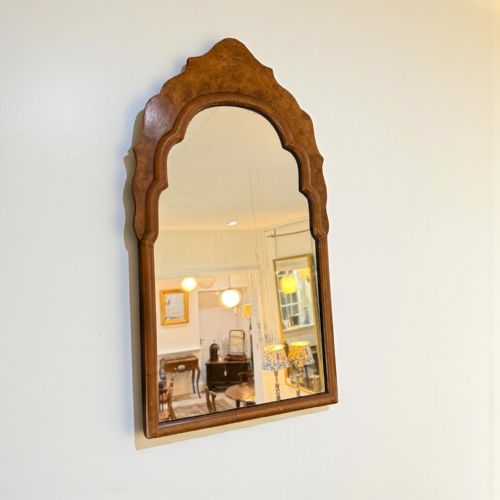
The selections span grand architectural overmantel mirrors and wall-hanging looking glasses to reclaimed picture frames and small silver photograph surrounds. Forms vary widely from oval and arched profiles to intricate rectangular mouldings.
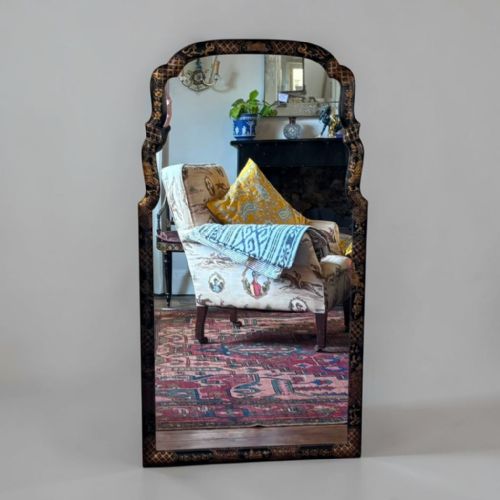
Originating from English, French, Italian, and Chinese workshops, these items demonstrate how historical makers elevated functional boundaries into ornamental art. Buyers frequently find gilded wood, carved timber, and painted surfaces that showcase the distinct tastes of their respective eras.
Materials and construction methods
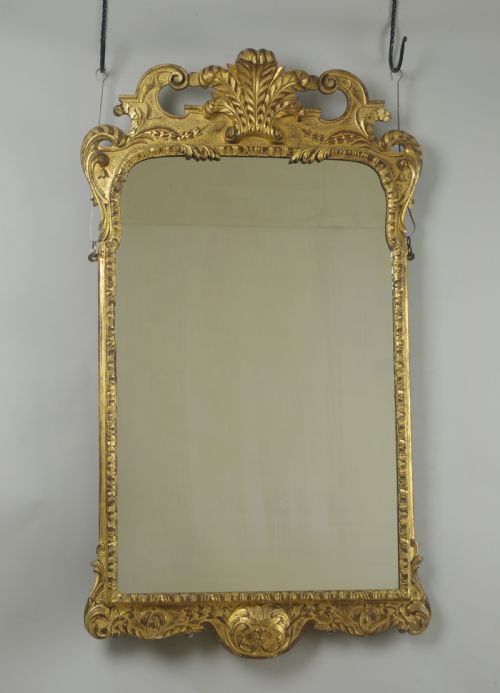
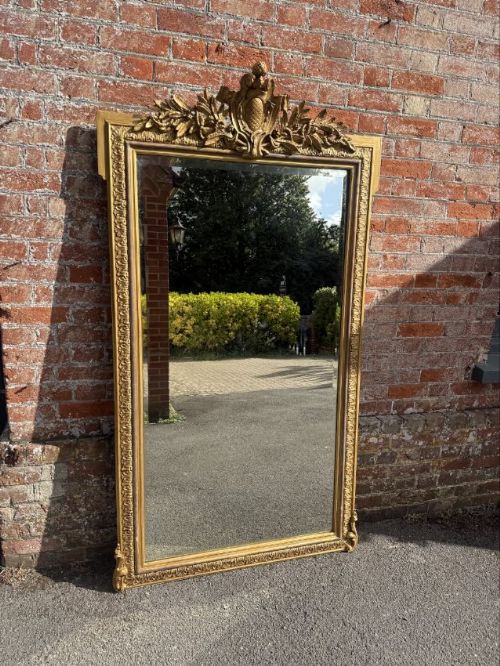
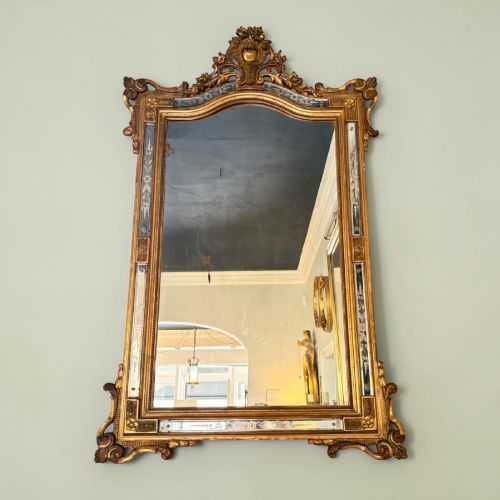
Makers relied heavily on solid wood foundations, including oak, walnut, and mahogany, often carved by hand into elaborate floral, leaf, or classical motifs. Many surfaces received layers of gesso - a chalk and glue mixture - which was sculpted or stamped to accept fine applications of gold leaf or paint.
Giltwood and parcel-gilt finishes dominate the higher-end examples, requiring skilled gilders to lay delicate gold leaf over prepared boles. In addition to carved wood and gesso, makers incorporated brass, iron, silver mountings, and mirrored glass to achieve contrasting textures and reflective depth.
Several frames quietly moonlit as homes for tiny painted Madonnas, stern Henry VIII, and fleets of Chinese export junks.
Distinctions in quality
The distinction between standard examples and top-tier pieces rests on the depth and precision of the hand-carving and the integrity of the original surface. Superior items display crisp undercut relief in the wood or gesso, whereas lesser examples rely on shallow or cast composition ornament.
Originality of the finish dictates long-term desirability, with untouched gold leaf, period paint, and authentic mirror glass commanding greater appreciation than later over-gilding or modern glass replacements. The harmony of proportions and the refinement of corner joints further separate standard production from masterwork pieces.
The Antique Decorative Frame Glossary
- Gesso
- A plaster-like mixture applied to wood bases as a smooth ground for gilding or painting. Artisans built up layers of gesso to carve intricate relief ornaments before applying gold leaf.
- Giltwood
- Timber that has been coated with thin sheets of gold leaf over a prepared surface. This technique provides a brilliant metallic sheen that catches ambient room light.
- Overmantel mirror
- A large looking glass specifically proportioned to hang above a fireplace mantelpiece. These pieces often feature wide landscape formats designed to anchor a principal room.
- Girandole
- A decorative wall mirror featuring attached candle sconces or arms. The reflective glass amplified the flickering light of candles in historic interiors.
- Parcel-gilt
- A treatment where only specific portions of an object are gilded while the remaining ground shows natural wood or paint. This partial application highlights architectural details and mouldings.
Antique Decorative Frame: Frequently Asked Questions
How do I hang a heavy overmantel frame?
Heavy overmantel frames require professional wall anchors fixed directly into structural masonry or timber studs. Given the substantial weight of carved wood, gesso, and mirror glass, secure hanging hardware distributed across multiple points is essential.
Ensuring the wall mount can bear the load protects both the antique frame and the surrounding plaster. Consult a specialist art handler if the structural integrity of the wall is uncertain.
Are antique mirrors original to their frames?
Many nineteenth-century frames retain their original mercury or early silvered glass, identifiable by characteristic light foxing and minor age spots. However, fragile mirror plates were frequently replaced over generations due to breakage or silver degradation.
Examining the backing boards and the fit within the rebate helps determine if the glass is contemporary to the frame. Original plates often display subtle distortions and hand-beveled edges typical of period production.
How should I clean a gilded surface?
Gilded surfaces require extremely gentle dusting with a soft, dry ostrich feather brush to remove surface particles. Moisture and chemical cleaning agents must be avoided entirely, as they strip delicate gold leaf and soften historic gesso.
Professional conservators should handle any stubborn grime or structural repairs. Regular low-touch maintenance preserves the fragile metallic layers for the future.