
Antique Decorative Figures
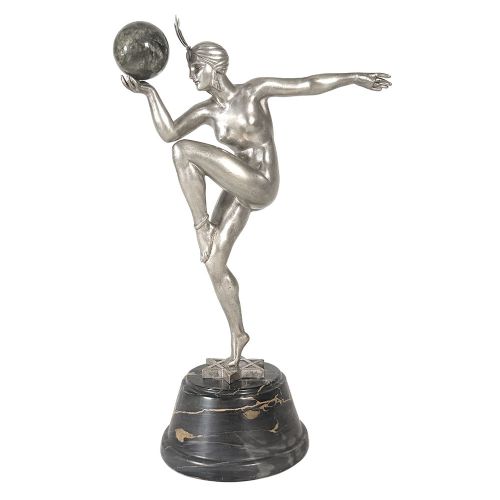
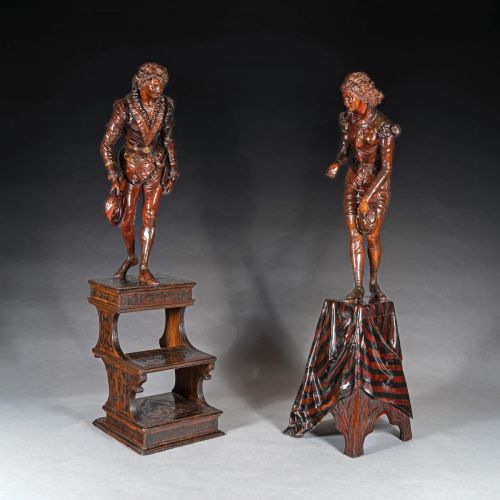
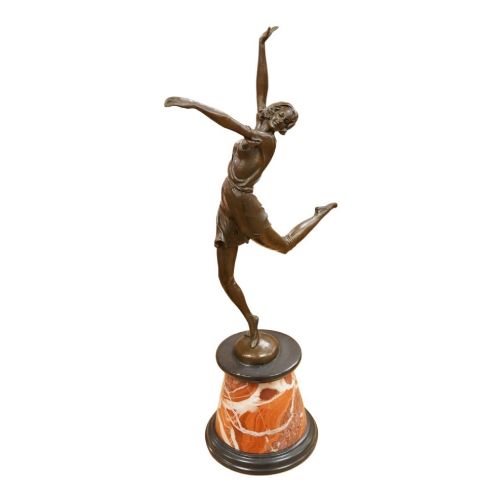
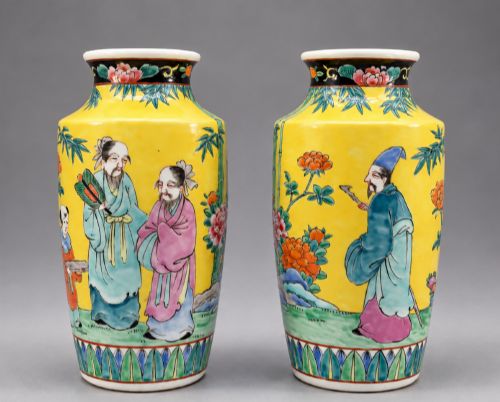
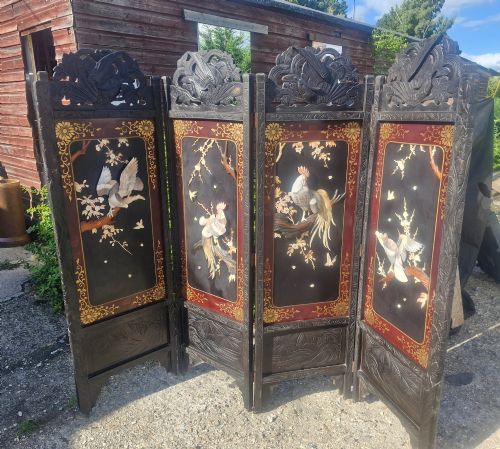
These antique decorative figures encompass bronze cherubs, carved wooden animals and porcelain figures spanning several centuries.
Antique Decorative Figures
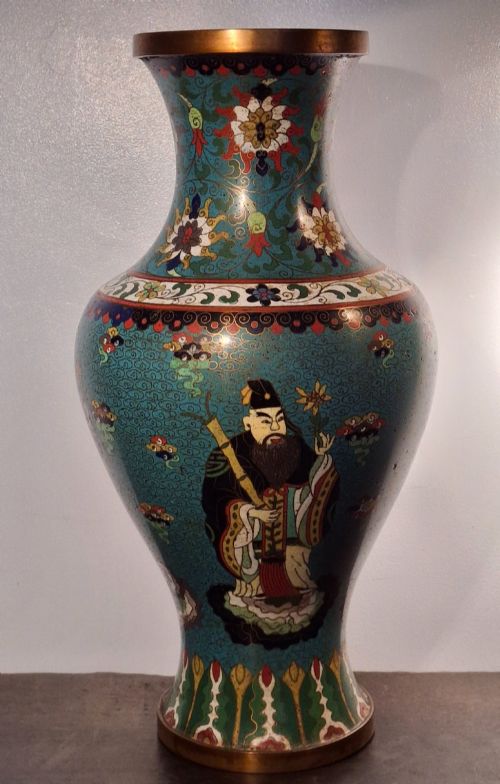
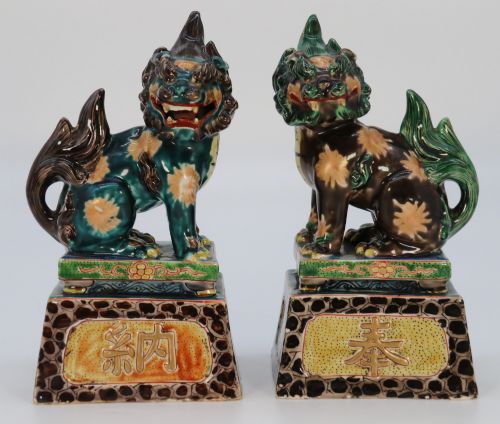
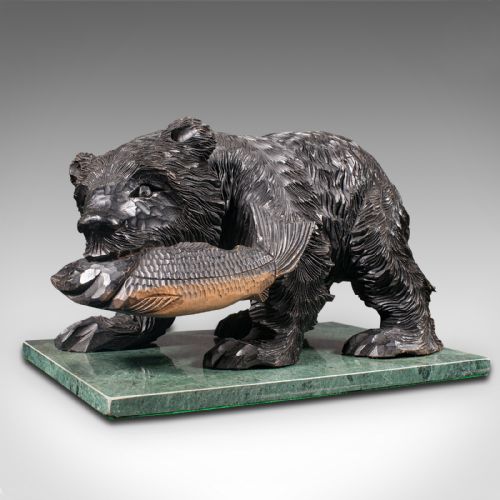
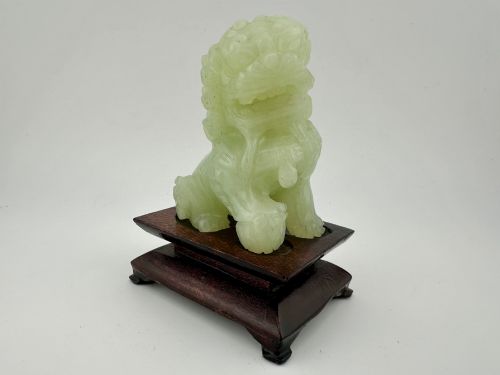
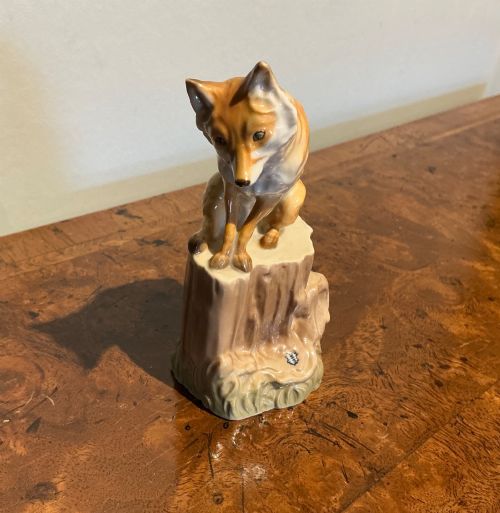
Antique decorative figures comprise sculptural objects made to adorn interiors, crossing several centuries of craftsmanship from various global traditions. When searching for antique decorative figures, buyers encounter everything from Japanese cedar carvings and Chinese pottery Buddhist lions to European bronze cherubs and porcelain figurines.
The selections span distinct periods including the eighteenth, nineteenth, and early twentieth centuries, reflecting changing tastes in ornamentation. Many items combine utility with sculpture, appearing as figural candlesticks, oil lamps, bookends, and vases alongside free-standing statues.
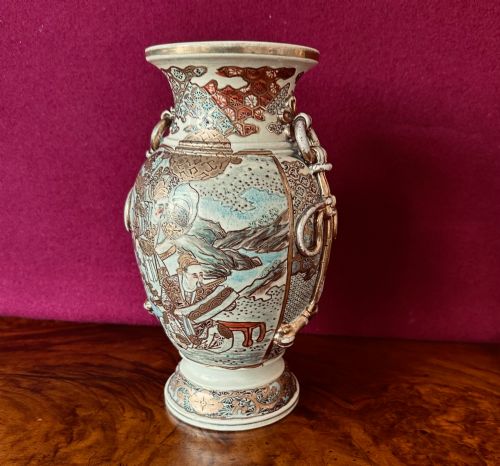
European workshops contribute cast metal bronzes, earthenware carnival figures, and alabaster sculptures, while Asian makers supply cloisonné enamel, carved jade, and Satsuma ceramics. These diverse forms share a primary purpose of visual enrichment within domestic spaces.
How they were made
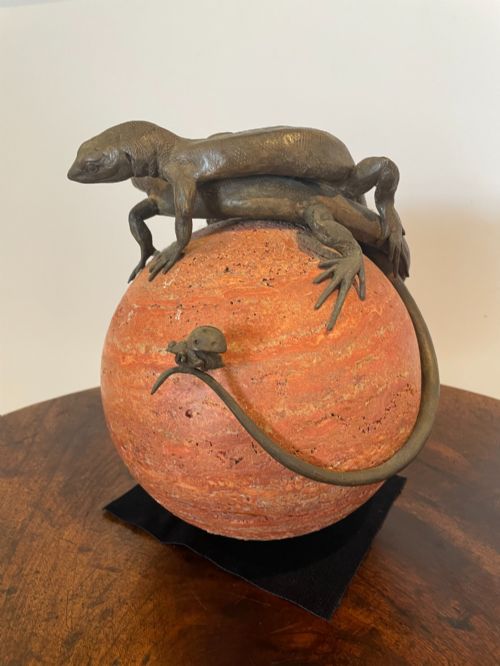
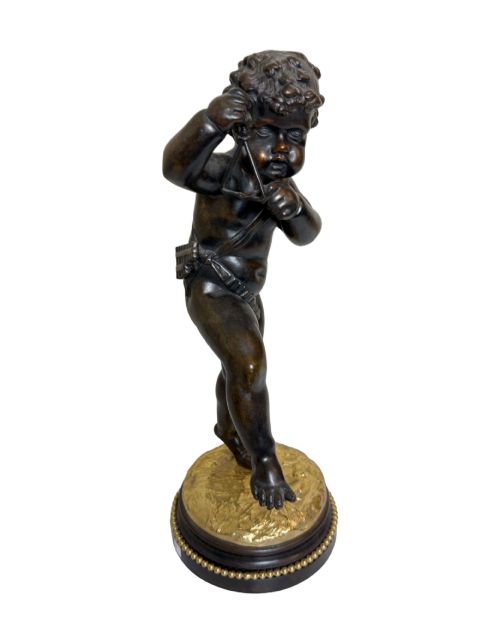
Metal sculptures utilise traditional casting methods such as lost-wax bronze casting, producing detailed patinated figures, gilt candelabra, and brass candlesticks. Artisans also employ silvered finishes on bronze bases and apply gold leaf for decorative emphasis.
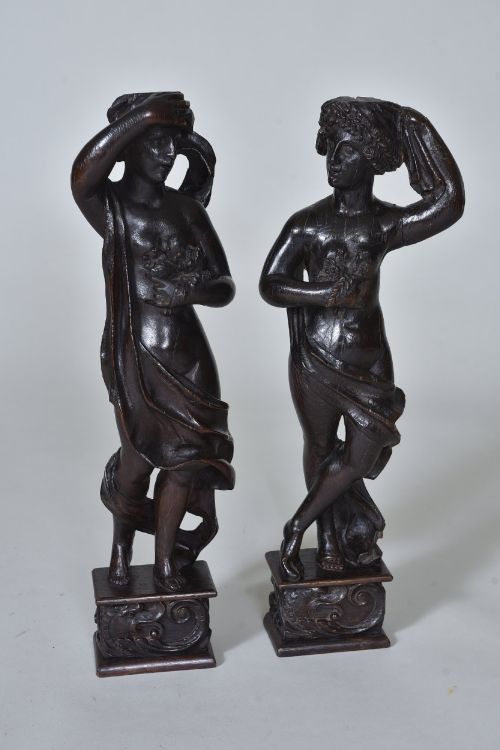
Carved pieces rely on hand tools applied to organic materials including cedar, oak, bone, and pale green jade, yielding textured birds, animals, and human forms. Ceramics and porcelain undergo high-temperature firing and hand-painting, often incorporating specialised techniques like pate sur pate or enamelling.
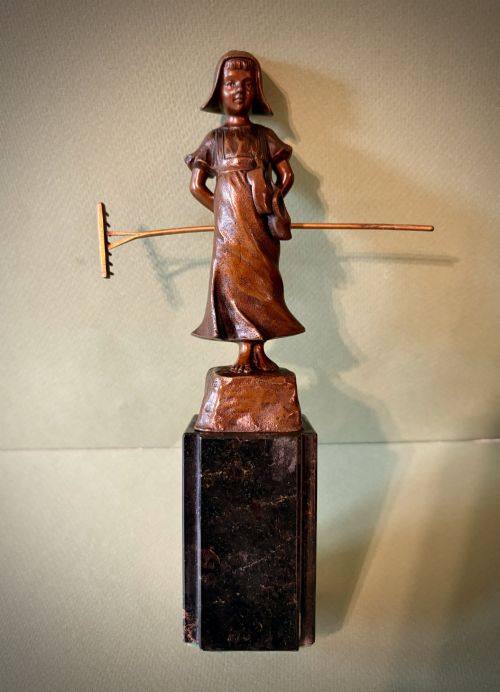
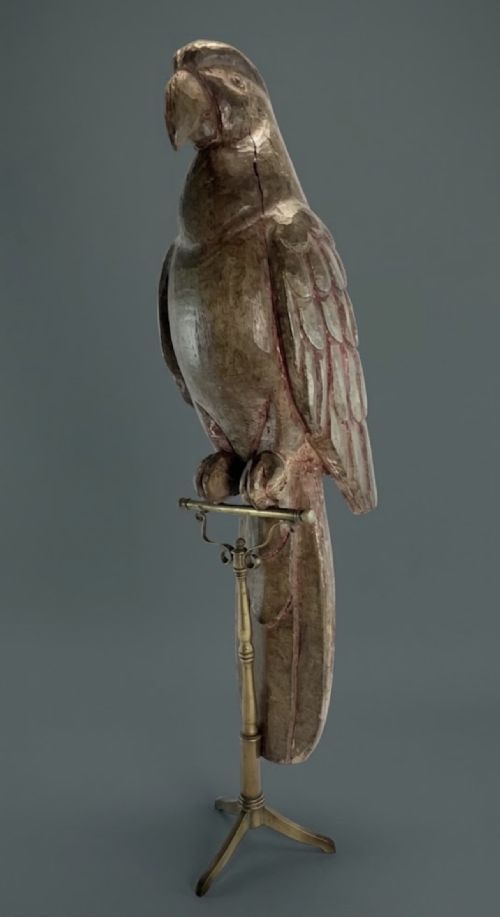
Support elements frequently use contrasting materials, pairing marble bases with bronze figures or mounting carved wooden subjects on brass stands.
What varies in quality
The refinement of hand-carving and metal-chasing dictates the distinction between standard and superior pieces, particularly in facial expressions and anatomical accuracy. Fine works display crisp detailing in feathered wings, drapery folds, and hair texture that lesser examples blur.
Material selection significantly influences overall merit, such as the purity of unblemished alabaster, dense hardwoods, or evenly fired porcelain with unclouded glaze applications. Signed pieces by recognised modellers and founders typically demonstrate superior execution in proportion and patination.
Maurice Giraud-Riviviere·Valentino Besarel·Pierre Philippe Thomire·James Hadley·Antoine Louis Barye·Henri Godet
The Antique Decorative Figures Glossary
- Patina
- The surface sheen and colour alteration developed through age, handling, and oxidation on metals and wood. A natural patina indicates uncompromised historical surfaces.
- Cloisonne
- A decorative metalwork technique where enamel paste is applied within compartments delineated by soldered wire. This method produces vibrant coloured patterns on vases and vessels.
- Pate sur pate
- A porcelain manufacturing method where liquid white clay is painted in successive layers onto a coloured ground to create low-relief cameos. The technique requires immense skill to achieve delicate translucency.
- Baluster
- An architectural term describing a vase-shaped support or column with a bulbous lower portion. Many ceramic vessels and candlesticks adopt this balanced profile.
- Animalier
- A nineteenth-century artistic style focusing on realistic depictions of animals in motion or repose. Bronzes from this movement capture accurate musculature and posture.
Antique Decorative Figures: Frequently Asked Questions
Where should I place carved wooden figures?
Position wooden carvings away from direct sunlight and strong heat sources such as radiators to prevent splitting and warping. Stable indoor environments preserve the structural integrity of cedar, oak, and lacquered surfaces.
Ensure figures rest on level surfaces where they will not be knocked or subject to constant vibration. Placing them on dedicated stands or mantels highlights their sculptural qualities.
How do I identify Meiji period Satsuma ware?
Satsuma ceramics typically feature a distinctive cream-coloured earthenware body covered with a finely crackled glaze. Painted decoration often incorporates intricate enamel designs and heavy gilding depicting traditional figures or landscapes.
Examine the base for maker marks or signatures which frequently attribute the piece to specific Meiji period workshops. The weight and tactile quality of the fine crackle glaze help distinguish authentic items.
What is the difference between spelter and bronze?
Spelter is a zinc-based alloy that is lighter, softer, and more brittle than traditional copper and tin bronze. It was frequently used as a cost-effective alternative for nineteenth-century decorative figures.
Bronze exhibits greater weight, sonority, and resistance to corrosion compared to spelter. Careful inspection of the base or underside often reveals the distinct metallic grey of spelter beneath worn finishes.