


Antique Decorative Candlesticks
These antique decorative candlesticks combine utility with sculptural presence, offering period charm for any mantel or table.
Antique Decorative Candlesticks
Antique decorative candlesticks encompass a variety of lighting forms designed to hold candles securely while adding visual interest to a room. Buyers searching this phrase encounter items ranging from simple chambersticks to elaborate figural pairs and multi-branched candelabra.
The selections span multiple eras, including Georgian, Regency, Victorian, and Edwardian periods. Brass and bronze examples dominate the offerings, alongside porcelain, silver plate, and carved wood.
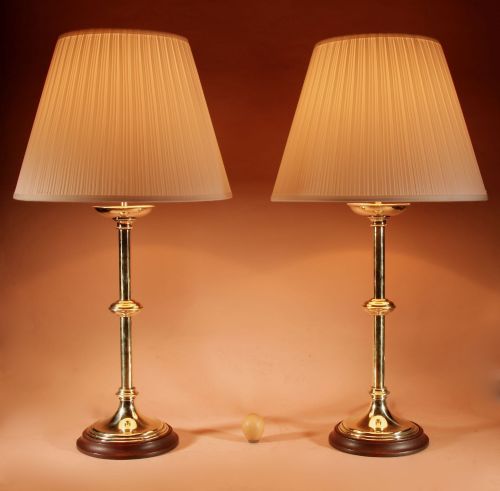
Origin points vary widely from English workshops to French foundries and continental factories. Many surviving examples emerge as matched pairs, frequently adapted over time into table lamps or fitted with electric components.
How they were made
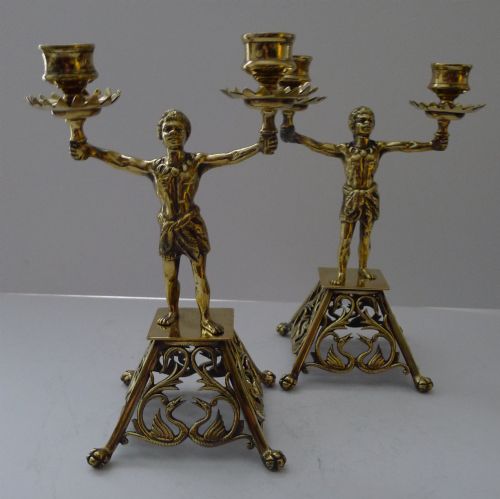
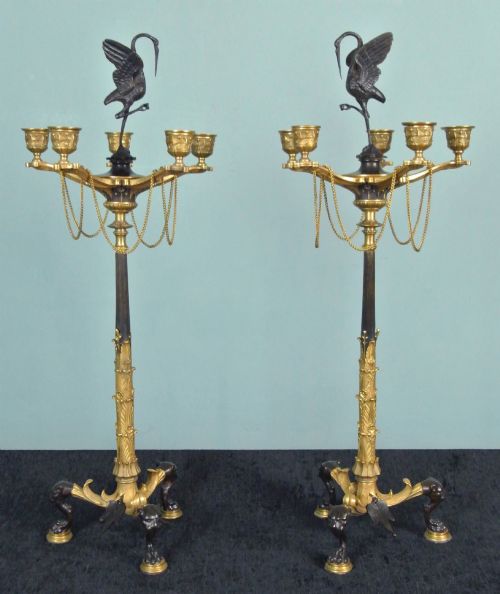
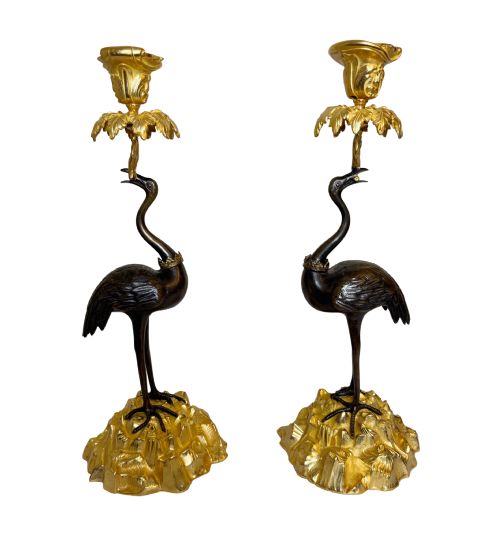
Metal items rely on casting techniques, utilising brass, bronze, and ormolu that are often finished with gilding, patination, or cold painting. Artisans combined cast components with turned stems and chased details to achieve intricate surface decoration.
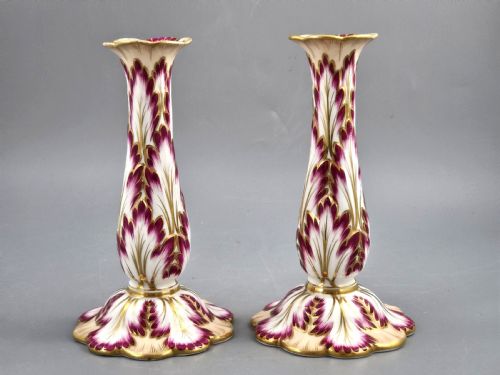
Ceramic examples employ porcelain bodies shaped with applied bocage foliage or figural elements, frequently enhanced with hand-painted enamel colours and gilt accents. Silver plated pieces use thin layers of silver fused over base metals through traditional plating methods.
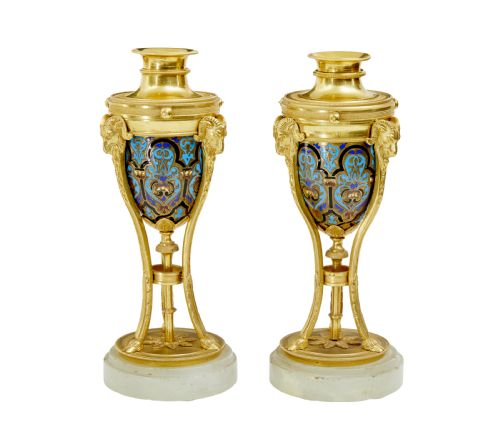
Wooden and cloisonné variations demonstrate specialised joinery and enamelling processes. Many pieces integrate mixed media, binding marble bases with gilt bronze mounts or pairing cast iron with brass.
Antique Decorative Candlesticks Retail Price Guide 2026
Typical asking prices for decorative candlesticks among the pieces listed under this phrase on Sellingantiques today, from the lower quarter to the upper quarter. They describe what is for sale here now, not the wider market.
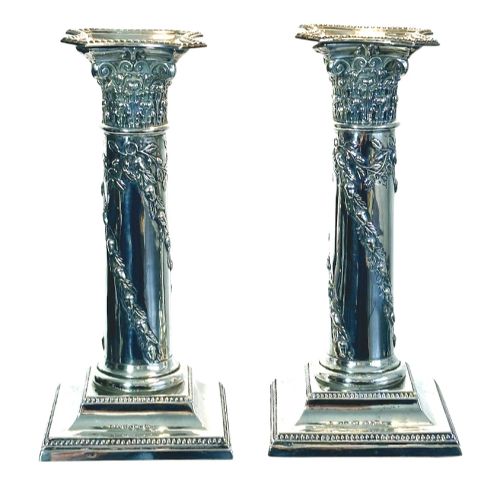
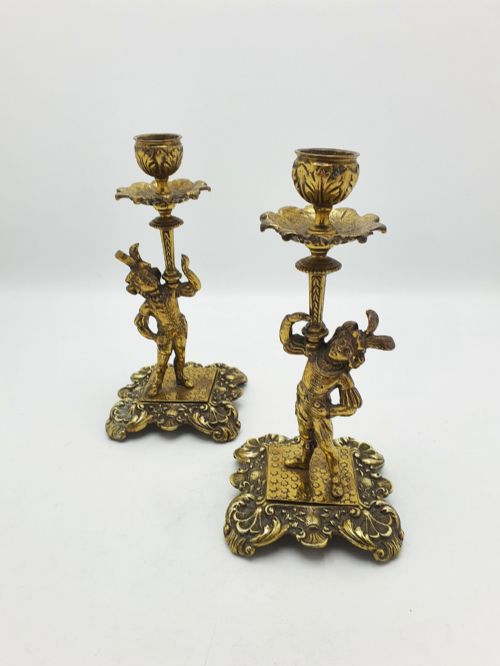
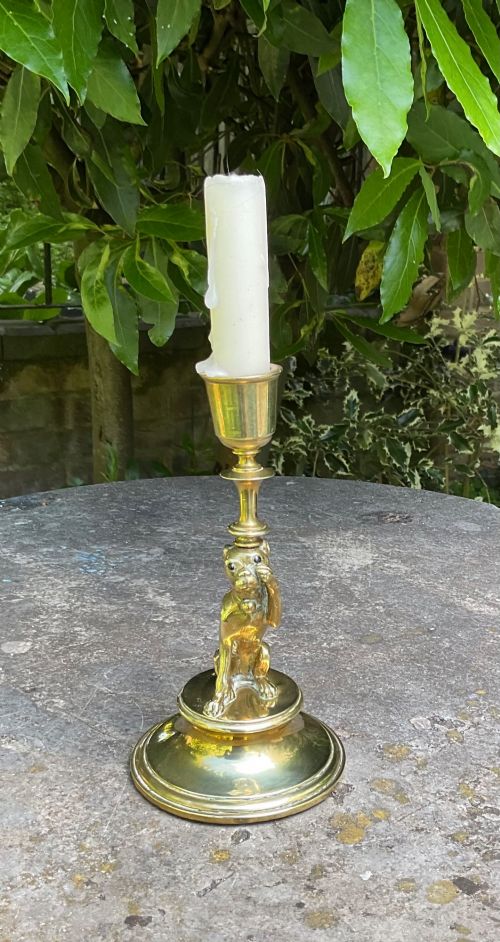
The inventory includes pug dog motifs and figural figures alongside neoclassical columns and floral porcelain bocage.
What varies in quality
The crispness of casting defines the upper tier of metalwork, where chased details remain sharp and hand-finishing reveals deliberate artistic intent. Lesser pieces exhibit softer contours and repetitive factory smoothing from simplified production methods.
Porcelain quality rests upon the delicacy of modelled flowers, figures, and foliage against the main body. Superior ceramic examples maintain vivid hand-painted pigments and precise firing stability without excessive warping.
Design ambition separates standard domestic wares from exceptional sculptural commissions. Pieces attributed to recognised makers or specific stylistic movements display superior proportions and integrated decorative motifs.
Barbedienne·Ridgway·Abel Landry·Minton·Helena Wolfsohn·Bow
The Antique Decorative Candlesticks Glossary
- Bocage
- An ornamental background of leaves and branches applied to porcelain figures. This ceramic technique frames the main subject with naturalistic foliage.
- Ormolu
- Gilded bronze used for decorative mounts and objects. The technique involves applying a finely ground gold-mercury amalgam to bronze before heating.
- Chamberstick
- A low candlestick fitted with a saucer base and a loop handle. These portable lighting devices were designed for carrying through dark hallways.
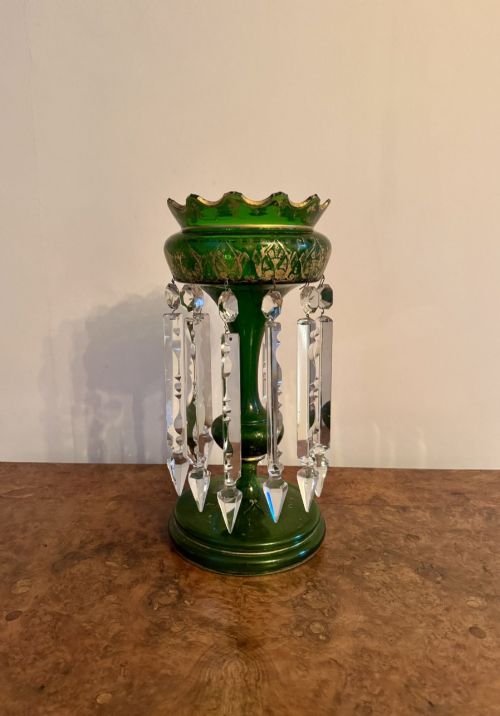
- Mantle Lustre
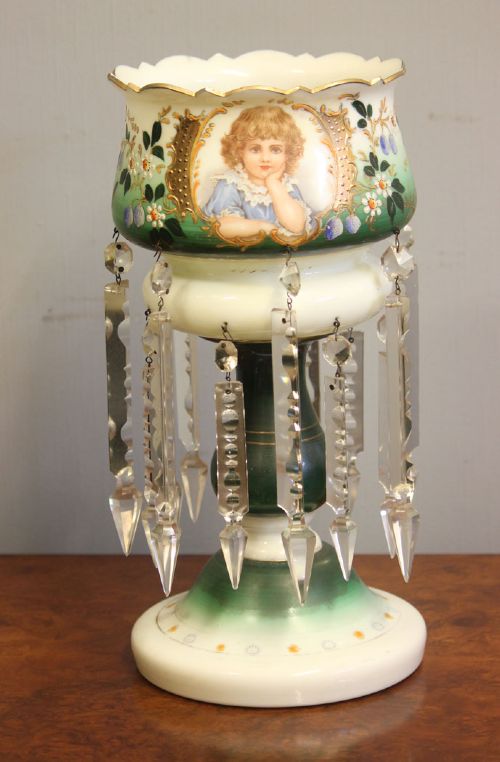
- An ornamental glass or ceramic vase hung with cut glass prisms. These decorative objects adorned mantelpieces during the nineteenth century.
- Spelter
- A zinc alloy used as a substitute for bronze in decorative figures. It accepts metallic paints and patination to mimic more expensive materials.
Antique Decorative Candlesticks: Frequently Asked Questions
What periods do these pieces date from?
The available inventory spans several centuries, with items originating from the eighteenth, nineteenth, and early twentieth centuries.
Most examples reflect Victorian, Regency, or Edwardian aesthetic movements and manufacturing techniques.
Are these items sold in pairs?
Many of the listed items survive as matched pairs, particularly those intended for mantelpieces or side tables. Single pieces and chambersticks also appear regularly in the selection.
Pairs often display symmetrical designs or mirrored figural motifs intended for balanced interior display.
What materials are most common?
Metal is the predominant material, with numerous examples cast in brass, bronze, or ormolu. Porcelain, silver plate, and painted wood also feature frequently across the collection.
Some pieces incorporate mixed media elements such as marble bases or cloisonné enamel work.
Were any of these converted to lamps?
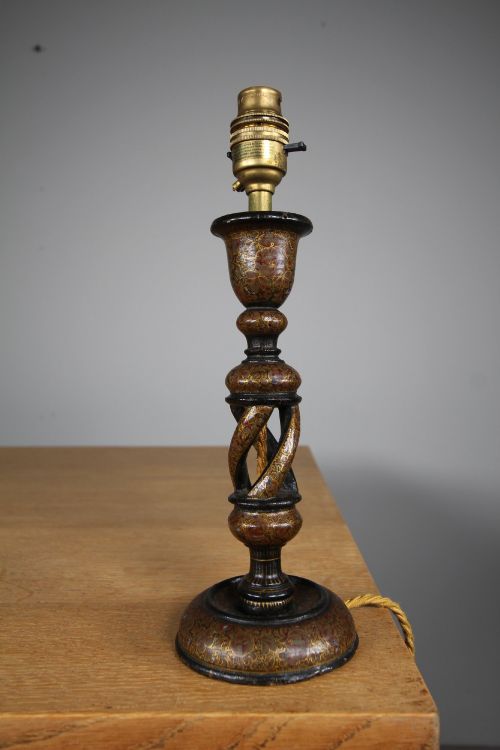
Several candlesticks and candelabra feature electrical wiring or lamp fittings added during later periods. These conversions allowed older lighting objects to function as modern table lamps.
Original candle sockets often remain intact beneath or alongside the later electrical additions.