



Antique Danish Spoon
An antique danish spoon brings solid silver craftsmanship to the table, offering lasting utility and distinctive Scandinavian design from early periods.
Antique Danish Spoon
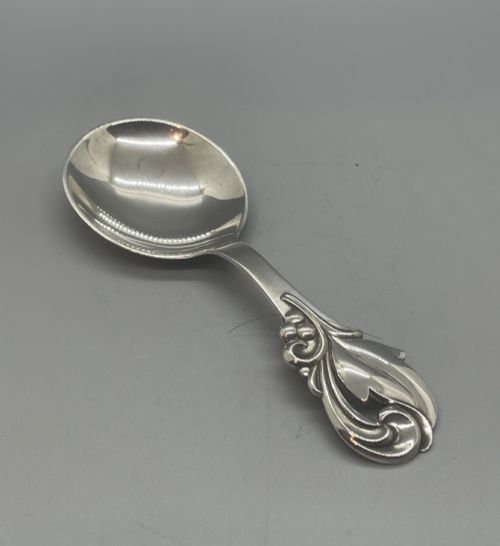
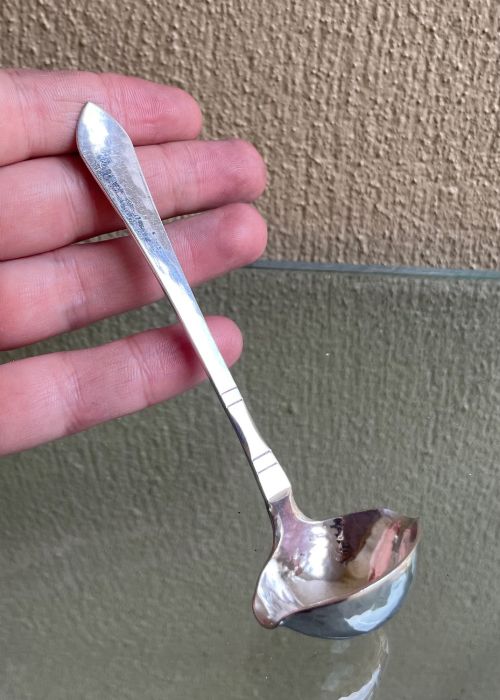
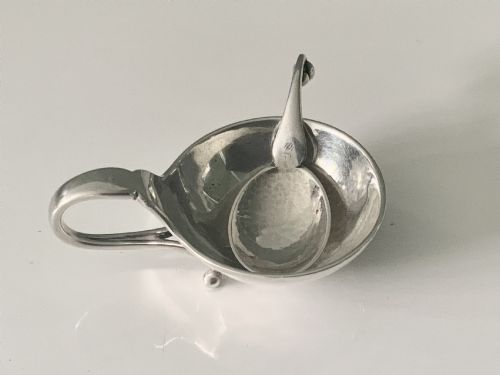
You are most likely to meet pieces representing twentieth-century Scandinavian movements, alongside earlier solid silver examples with parcel gilt highlights. The diversity of the collection includes both matched sets and individual items originating from notable workshops.
How they were made
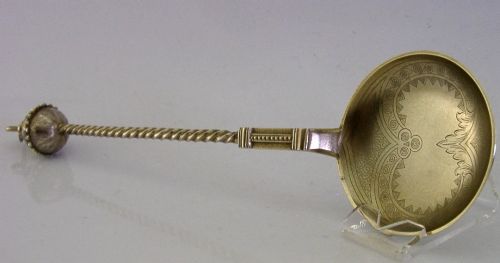
The pieces recorded in the evidence are constructed predominantly from sterling silver, solid silver, and silver gilt, frequently incorporating vibrant enamel details in select designs. Makers utilised traditional silversmithing techniques to shape bowls and handles, applying gilding to accentuate decorative surfaces on baptismal and serving implements.
Construction methods range from hand-hammered Arts and Crafts production to refined Art Nouveau and Art Deco casting and patterning. These techniques ensure durability while displaying the distinct aesthetic priorities of each stylistic era.
Antique Danish Spoon Retail Price Guide 2026
Typical asking prices for danish spoon among the pieces listed under this phrase on Sellingantiques today, from the lower quarter to the upper quarter. They describe what is for sale here now, not the wider market.
Listings feature items spanning from the late nineteenth century through the nineteen-fifties, encompassing Edwardian, Art Nouveau, Arts and Crafts, and Danish Modern aesthetics.
What varies in quality
The distinction between standard utility items and superior examples lies in the weight of the silver, the crispness of the maker's mark, and the complexity of the design. Heavier serving spoons and gilt baptismal pieces demonstrate greater material substance and more ambitious sculptural detailing on the handles.
Execution of decorative elements such as enamel work or intricate pattern stamping also dictates the grade of the piece. Master silversmiths achieved cleaner lines and more balanced proportions, elevating functional spoons into collectible works of art.
Georg Jensen·Evald Nielsen·Simon Groth
The Antique Danish Spoon Glossary
- Sterling silver
- An alloy of silver containing 92.5 percent pure silver and 7.5 percent other metals, usually copper. This standard composition provides the necessary durability for functional spoons.
- Silver gilt
- Silver that has been coated with a thin layer of gold on its surface. This technique was frequently applied to the bowls of baptism spoons.
- Caddy spoon
- A short-handled spoon specifically designed for measuring loose tea leaves from a caddy. These small implements often feature decorative figural or patterned handles.
- Baptism spoon
- A ceremonial spoon often given to commemorate a christening, sometimes featuring religious iconography or gilt finishes. These pieces were traditionally kept as family heirlooms.
- Enamel
- A glassy substance fused to the surface of the silver through firing for ornamentation. It adds vivid colour accents to handles and bowls.
Antique Danish Spoon: Frequently Asked Questions
What are antique danish spoons made of?
The pieces recorded in the listings are fashioned from solid silver, sterling silver, and silver gilt. Selected examples also incorporate coloured enamel.
These materials provide the sturdy foundation required for both daily table use and decorative ceremonial items.
How do I identify a caddy spoon?
A caddy spoon is characterised by its noticeably short handle and wide, shallow bowl suited for scooping tea. They were traditionally kept alongside tea caddies for measuring.
Their compact size often encouraged silversmiths to experiment with ornate handle designs and decorative motifs.
What is a silver gilt spoon used for?
Silver gilt spoons, featuring a gold wash over the silver surface, were frequently utilised for ceremonial purposes such as baptisms and christenings. The golden finish added a rich visual quality to important family events.
Many survive today as protected keepsakes rather than working tableware.
How do I date these spoons?
Dating relies on identifying stylistic markers associated with periods like Art Nouveau, Arts and Crafts, Art Deco, and Danish Modern. Maker's marks and assay stamps provide precise chronological clues.
Comparing the handle motifs against established design eras helps narrow down the year of manufacture.