


Antique Dairy Vessel
These antique dairy vessels are practical utility items shaped by rural tradition, offering tactile warmth and honest materials to modern interiors.
Antique Dairy Vessel
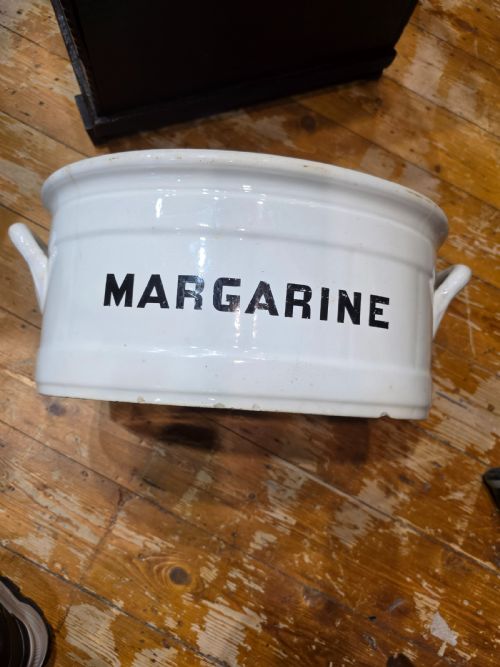
An antique dairy vessel is a utilitarian object once used for processing milk, cream, and butter in farmhouses and commercial dairies before modern mechanisation took hold. When searching for an antique dairy vessel, buyers encounter items intended for heavy daily labour rather than display, ranging from shallow skimming pans to deep storage crocks. The pieces found on this page span the nineteenth and early twentieth centuries, reflecting rural traditions across England, France, Sweden, and the broader European countryside.
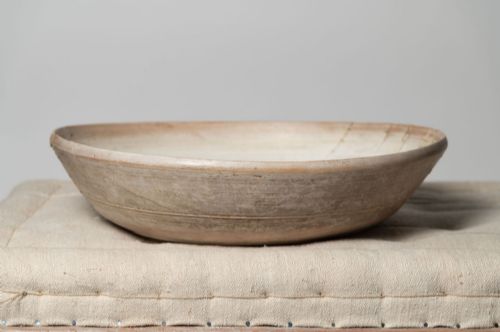
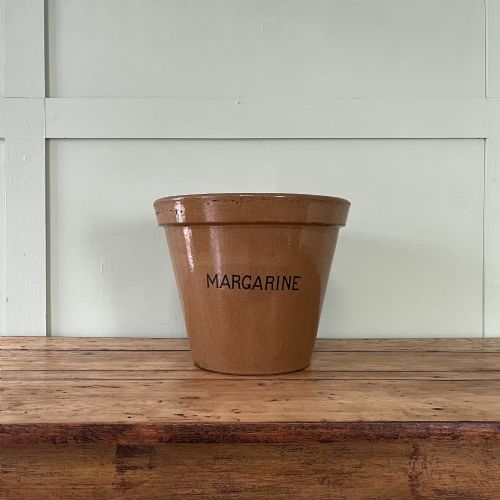
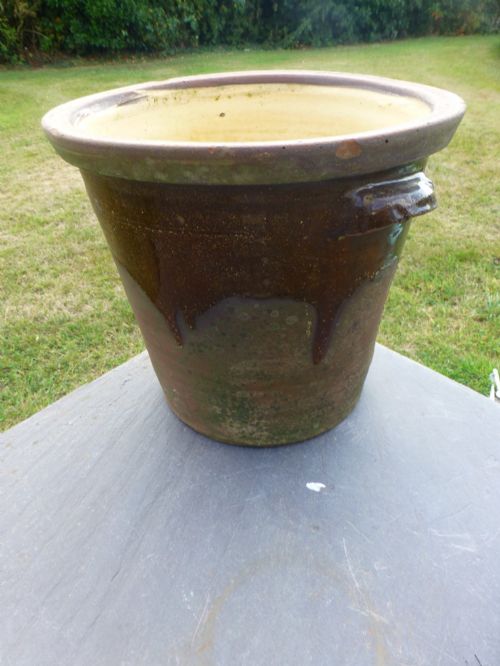
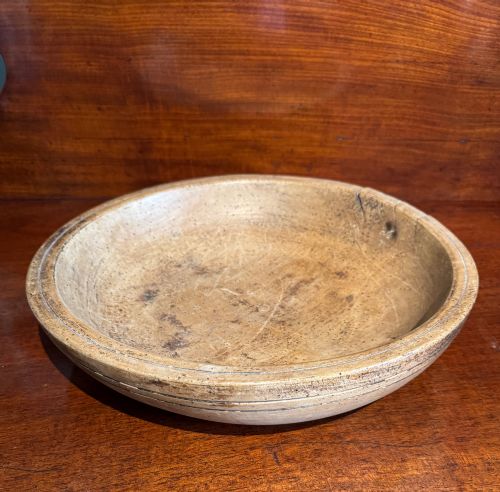
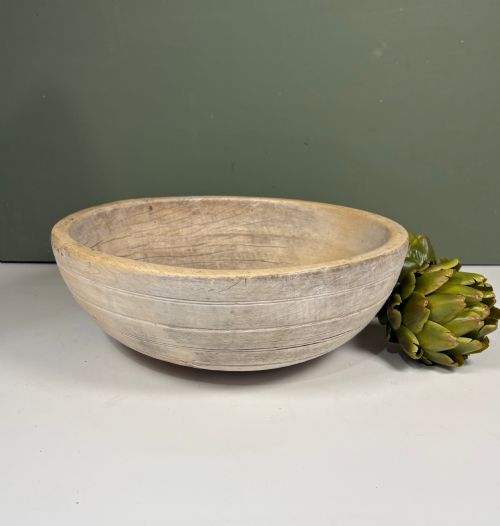
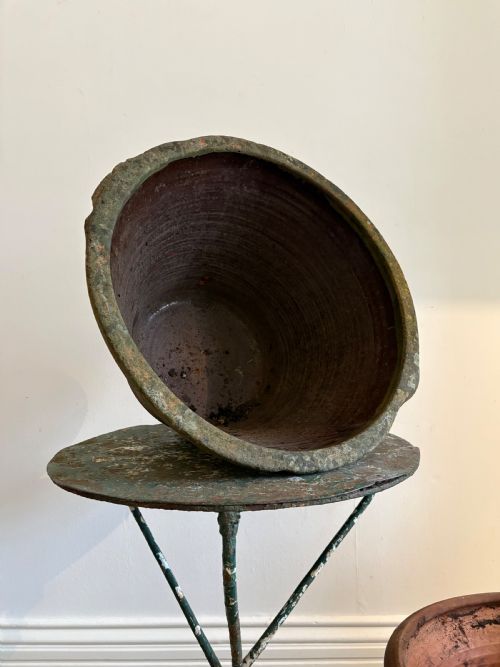
Forms vary according to their original function in the dairy, with low bowls designed for rising cream sitting alongside handled pails and heavy salting crocks. Buyers are most likely to meet large earthenware and terracotta bowls with glazed interiors, alongside warm sycamore timber bowls and gleaming copper pans. These utilitarian forms now transition easily into domestic spaces as planters, fruit bowls, or kitchen storage.
Stylistic influences recorded in the evidence lean towards rustic vernacular, country styles, and Georgian or Victorian manufacturing periods. Although built strictly for farm work, these vessels possess a strong sculptural presence defined by simple curves and functional proportions. Every piece tells a story of rural industry, bridging the gap between historical agricultural utility and contemporary decorative display.
How they were made
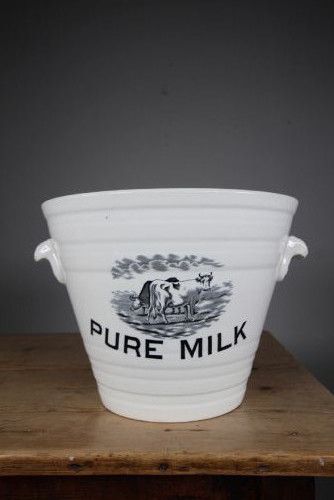
Potters and ceramists shaped local clays into heavy earthenware, terracotta, and ironstone vessels, applying interior glazes to contain liquids and prevent milk absorption. Stoneware pieces underwent high-temperature firing to achieve a dense, impervious body suitable for holding perishable foodstuffs.
Coopers and woodturners shaped native hardwoods, particularly sycamore, into lightweight dairy bowls using traditional lathes and hand tools. The resulting wooden surfaces reveal tool marks and subtle grain variations from the turning process.
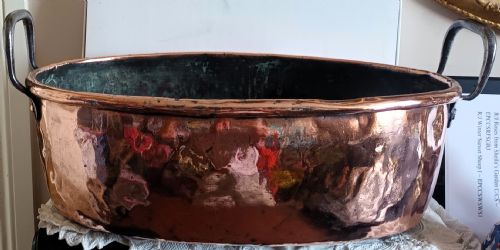
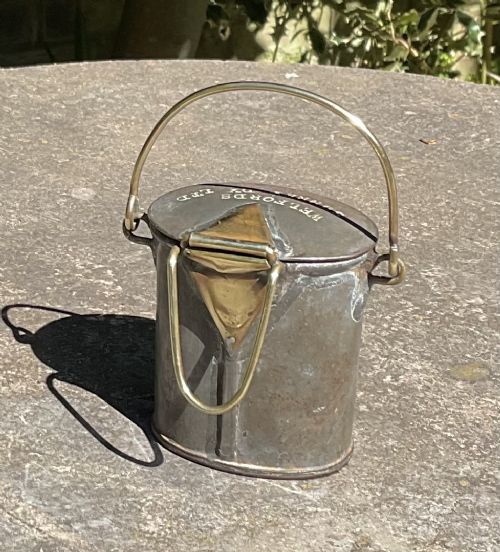
Metalworkers hammered and joined copper and brass sheets to create heat-conductive cream setting pans and milk pails, often incorporating wrought iron handles. These metal pieces combined riveted seams with folded edges to withstand the rigorous scrubbing required in working dairies.
Old dairy bowls often bear faint scratch marks inside where generations of butter paddles scraped away the stubborn cream.
What varies in quality
The degree of honest wear dictates the character of a piece, distinguishing items that retained their functional purpose for generations from those finished in haste. Thickness of wall, balance of form, and the tactile warmth of the surface separate utilitarian survivals from ordinary kitchenware.
In ceramic and stoneware vessels, the richness of the glaze and the depth of the firing colour create visual distinction across the range. Wooden bowls vary according to the selection of timber and the preservation of the natural grain over decades of use.
Copeland·Welfords Surrey Dairy
The Antique Dairy Vessel Glossary
- Cream setting pan
- A wide, shallow vessel designed to hold milk while the cream naturally rose to the top for skimming. These pans were commonly wrought from copper or heavy earthenware.
- Sycamore dairy bowl
- A turned wooden container utilised for dairy tasks due to the timber's resistance to splitting and its neutral effect on milk products. Wood was favoured for its light weight and insulating properties.
- Terracotta
- A porous, unglazed or partially glazed fired clay used extensively for large garden and dairy vessels. The interior glaze prevented liquid seepage while the exterior remained breathable.
- Glazed stoneware
- A dense, vitreous ceramic fired at high temperatures until the clay body vitrified into a non-porous material. It provided a hygienic surface impervious to bacteria and acids.
- Salting crock
- A heavy earthenware or stoneware jar utilised for preserving food or storing large quantities of dairy produce. These robust vessels featured thick walls to maintain stable internal temperatures.
Antique Dairy Vessel: Frequently Asked Questions
What were antique dairy vessels used for?
These vessels performed essential tasks in traditional butter and cheese making, including holding milk for cream separation, storing buttermilk, and salting provisions.
Farm workers relied on these specific forms for daily dairy routines before mechanical separators and refrigeration altered agricultural practices.
How do I clean an antique wooden dairy bowl?
Wooden bowls require gentle maintenance using lukewarm water and mild soap, avoiding prolonged soaking that can raise the grain or split the old timber.
Applying occasional coats of food-safe mineral oil or beeswax helps preserve the historic dry patina and protects the dry wood fibres.
Can I use terracotta dairy bowls for planting?
Terracotta dairy bowls make excellent planters due to the porous nature of the fired clay, which allows plant roots to breathe adequately.
Gardeners should note that unglazed exterior surfaces may absorb moisture and are vulnerable to frost cracking if left outdoors during freezing winter weather.
How can I tell a copper cream pan's age?
Age in copper pans is read through handmade construction traits like hand-beaten surfaces, dovetailed or riveted seams, and wrought iron handle attachments.
Twentieth-century reproductions typically display uniform machine rolling and modern welding techniques rather than the irregular hammer marks of nineteenth-century smiths.