






Antique Curiosity Box
An antique curiosity box brings together the strange, the beautiful and the scientific from centuries past to display on a table.
Antique Curiosity Box
When you search for an antique curiosity box, you encounter a varied assortment of small cabinets, display tables, snuff boxes and specimen cases. These pieces were made to house everything from natural history specimens and medical instruments to pocket treasures and personal items.
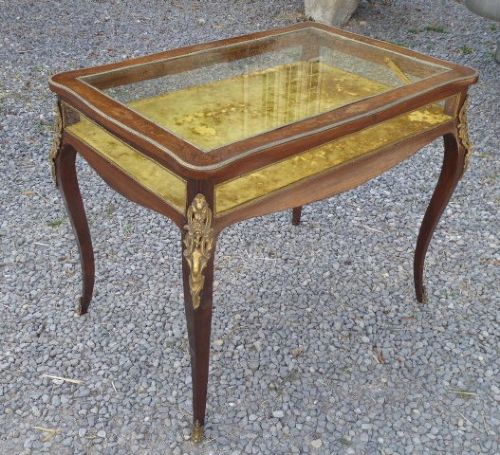
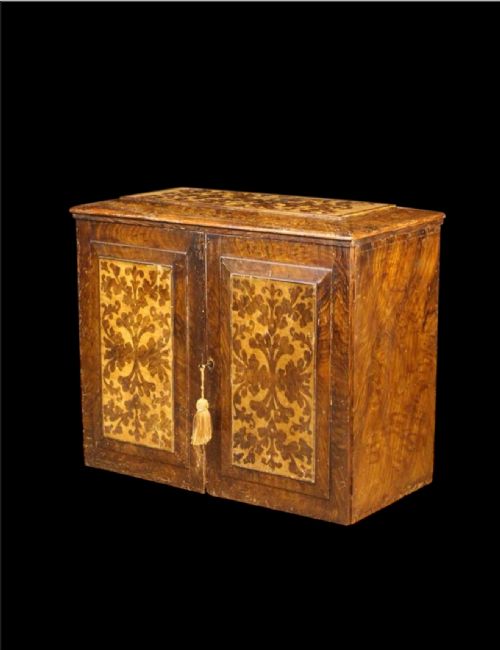
The selections span from the seventeenth century through to the mid-twentieth century, with Victorian and Edwardian examples appearing frequently. Bijouterie tables and inlaid mahogany display pieces represent the larger furniture forms within this grouping.
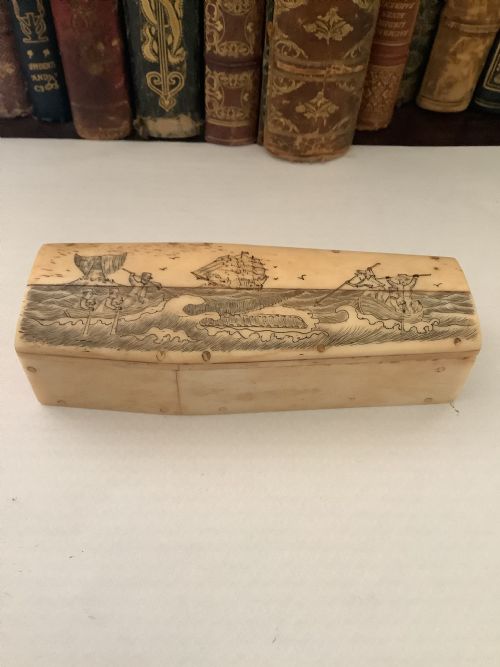
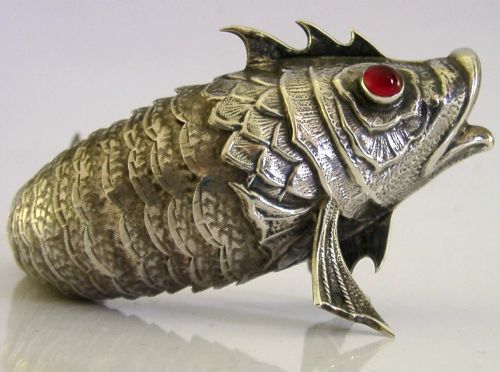
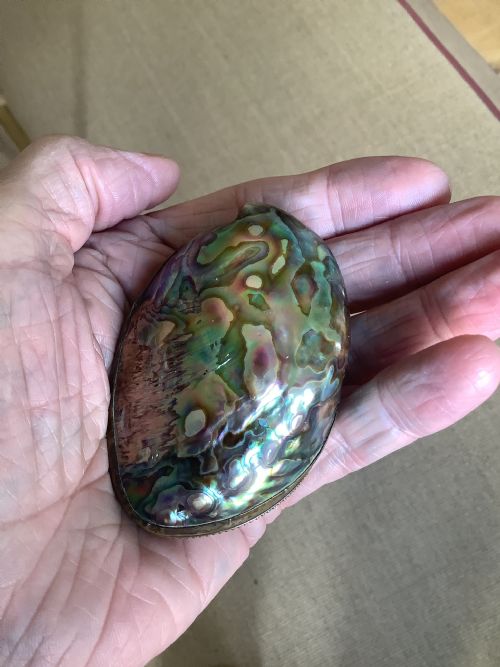
Smaller items such as abalone shell snuff boxes, silver vinaigrettes and carved bone pieces also fall under this heading. Each object reflects the Victorian and Edwardian passion for collecting and displaying unusual material.
Materials and construction
Precious metals including sterling silver, brass and metal mountings are combined with organic materials such as cowrie shell, turtle shell, bone and abalone. Taxidermy cases and scientific instruments incorporate specialised housing materials suited to their specific contents.
Antique Curiosity Box Retail Price Guide 2026
Typical asking prices for curiosity box among the pieces listed under this phrase on Sellingantiques today, from the lower quarter to the upper quarter. They describe what is for sale here now, not the wider market.
Listings incorporate nineteenth-century taxidermy cases, seventeenth-century table cabinets and Georgian silver snuff boxes.
Judging quality
Quality rests upon the precision of the cabinetwork, the choice of timber veneers and the intricacy of any inlay or bone carving. Superior examples display seamless mitres, robust hinges and glass free from distortion.
Condition remains paramount, particularly regarding the delicate interiors of specimen cases, the original glass of display tables and the secure mounting of silver mounts on organic shell pieces.
Daniel Field
The Antique Curiosity Box Glossary
- Bijouterie table
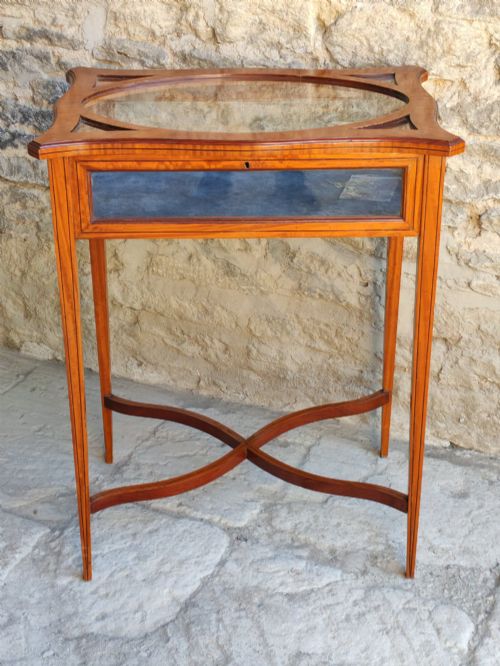
- A glass-topped display table designed specifically for showcasing small valuable objects and curiosities. These pieces stand on slender legs and often feature satinwood or mahogany framing.
- Vinaigrette
- A small ornamental box featuring a perforated inner grille, used to hold a sponge soaked in aromatic vinegar. They are typically fashioned from silver and precious shells.
- Memento mori
- An artistic or symbolic reminder of the inevitability of death, frequently carved from bone in these collections. Such items formed part of the broader Victorian curiosity cabinet tradition.
- Nutmeg grater
- A small pocket device used by travellers to grate fresh spice at the table. Georgian examples in silver demonstrate high levels of miniature metalwork.
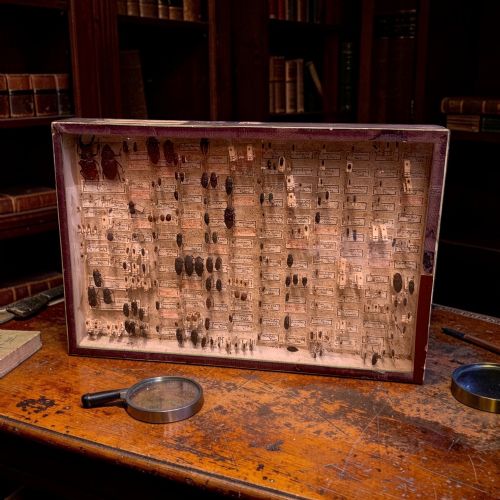
- Entomology case
- A specialised shallow cabinet or box constructed for housing insect specimens. These enclosures protect fragile scientific collections from dust and light.
Antique Curiosity Box: Frequently Asked Questions
What fits inside a curiosity box?
These boxes and cabinets were traditionally used to house small natural history specimens, geological samples, miniature carvings and personal trinkets. Owners gathered disparate objects from travels and studies to arrange inside.
Today, they serve the exact same purpose, offering a secure and visually appealing way to display unusual personal collections on a desk or table.
How do I date a display table?
Dating relies heavily on the timber species, inlay style and framing construction used by the maker. Edwardian pieces often feature lighter satinwood and delicate stringing, whereas earlier Victorian items lean towards heavier mahogany.
Examining the underside, the type of screws and the ageing of the wood grain provide further clues to the manufacturing decade.
Are scientific instruments considered curiosities?
Yes, historical scientific apparatus, medical devices and standard weights frequently cross over into the curiosity category. Items such as microscopes, slide cabinets and therapy devices were collected as much for their intricate engineering as their utility.
Victorian and Edwardian collectors valued these technological objects alongside natural history specimens.
How should I clean glass top tables?
The glass panels require gentle wiping with a soft, lint-free cloth and a mild glass cleaner sprayed onto the cloth rather than the wood. Moisture must be kept away from antique timber frames and brass mounts.
Regular dusting of the interior lining prevents debris buildup around delicate objects displayed inside.