




Antique Curio Box
An antique curio box gathers small treasures behind glass or within fitted compartments, offering a tangible link to Victorian and Edwardian display traditions.
Antique Curio Box
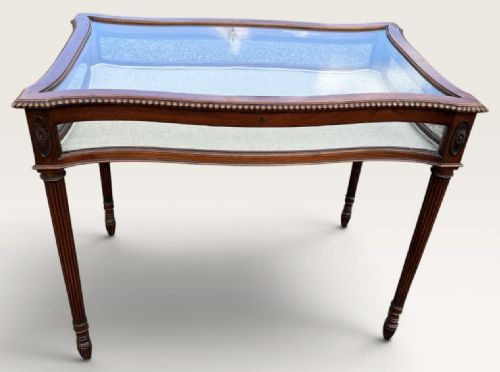
When searching for an antique curio box, buyers encounter an array of tabletop display cases, bijouterie tables, and lidded cabinets designed to showcase personal collections. The pieces available span the Victorian and Edwardian eras, encompassing both freestanding display furniture and smaller desktop containers.
Mahogany and rosewood form the structural backbone of these items, frequently accented with satinwood inlay, glass panels, and ormolu mounts. Interior surfaces are lined with velvet or fabric to protect miniature objects, silver pieces, and curiosities.
The selection ranges from serpentine bijouterie tables on slender legs to glazed table top display cases and specialised items such as desk tidies. French 19th-century influence appears through ormolu-mounted rosewood and mahogany formats designed for drawing rooms.
How these pieces were made
Cabinet makers utilised dense hardwoods like mahogany, rosewood, and satinwood, often applying intricate wood inlays and polished finishes to create the exterior frames. Ormolu, or gilded bronze, was cast and mounted onto French and English pieces to highlight corners and legs.
Glass panels were fitted into hinged lids and doors to allow clear viewing of the interior, while internal bases were upholstered in tactile materials like velvet and fabric. Brass hardware, including delicate hinges and locks, secured the opening mechanisms of these display containers.
Antique Curio Box Retail Price Guide 2026
Typical asking prices for curio box among the pieces listed under this phrase on Sellingantiques today, from the lower quarter to the upper quarter. They describe what is for sale here now, not the wider market.
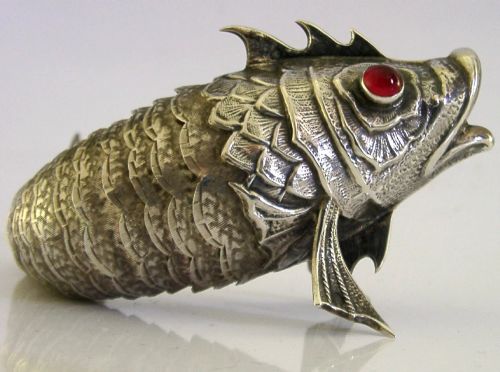
Object forms on this page range from large French ormolu-mounted bijouterie tables to tabletop display cases and novelty silver items.
What varies in quality
The sophistication of the timber selection and inlay work dictates the standing of a piece, with figured burr walnut and carefully arranged satinwood sitting above plain mahogany. The crispness of the ormolu mounts and the integration of glass housing also separate standard production items from finer workshop examples.
Proportion and structural joinery define the execution, particularly in complex serpentine or kidney-shaped formats where timber must be precisely curved. Superior internal lining and original brass hardware contribute to the integrity of surviving specimens.
The Antique Curio Box Glossary
- Bijouterie table
- A glass-topped display table specifically designed for showing small ornaments, jewellery, and curiosities.
- Ormolu
- Gilded bronze used for decorative mounts on furniture frames, particularly prominent in French pieces.
- Vinaigrette
- A small ornamental box featuring a perforated grille, historically used to hold a sponge soaked in aromatic vinegar.
- Satinwood
- A lustrous, yellowish timber utilised for decorative veneers and fine inlay work on Edwardian and Victorian cabinets.
- Netsuke
- A small carved toggle traditionally fastened to the end of a cord on a traditional Japanese pouch.
Antique Curio Box: Frequently Asked Questions
What fits inside an antique curio box?
These containers house small personal items such as pocket watches, medals, miniature portraits, and delicate ornaments. The glass tops and velvet linings protect collections while keeping them visible.
Larger variations like bijouterie tables accommodate broader displays of silver, porcelain, and natural curiosities on the tabletop surface.
How do I care for the wood and glass?
Polished mahogany, rosewood, and satinwood surfaces require gentle dusting with a dry cloth and occasional application of appropriate furniture wax. Glass panels can be cleaned with standard glass cleaner applied sparingly to a cloth.
Internal velvet and fabric linings should be kept dry and protected from direct sunlight to prevent fading of the original textiles.
Were these boxes made for specific rooms?
Tabletop display cabinets and bijouterie tables were traditionally placed in Victorian and Edwardian drawing rooms and parlours. They served as conversation pieces where hosts could display souvenirs and valuables to guests.
Smaller lidded containers and desk tidies sat on writing desks or side tables for everyday use and intimate storage.
How do I distinguish Victorian from Edwardian pieces?
Victorian examples often feature heavier rosewood or mahogany constructions, elaborate ormolu mounts, and darker wood tones. They lean toward dense carving and formal display formats.
Edwardian pieces tend to display lighter satinwood, delicate inlay work, and slightly more restrained proportions while maintaining the glass-topped display function.