

Antique Cupboard Furniture
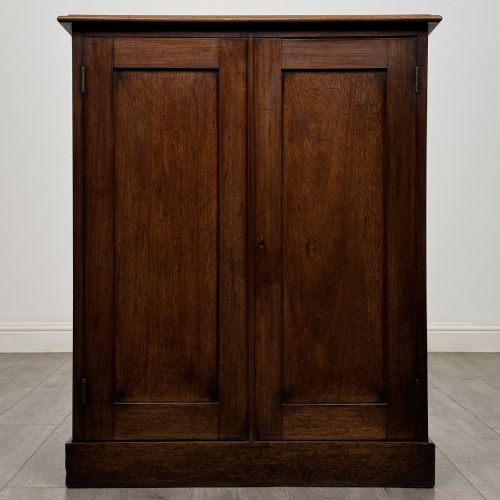
Antique cupboard furniture encompasses storage forms in oak, mahogany, and walnut built from the seventeenth century to the nineteen-thirties.
Antique Cupboard Furniture
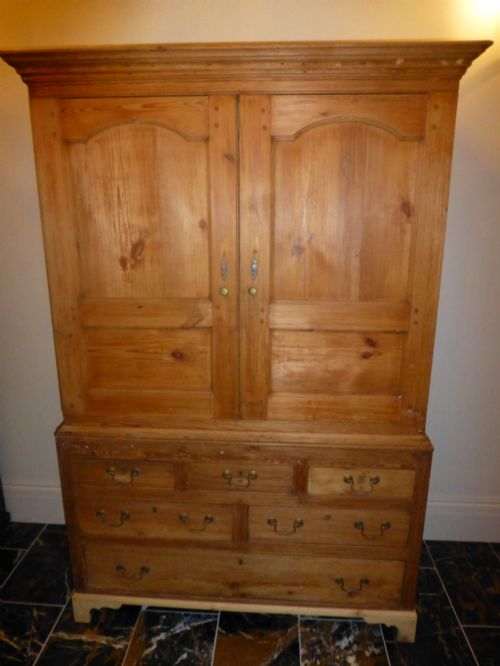
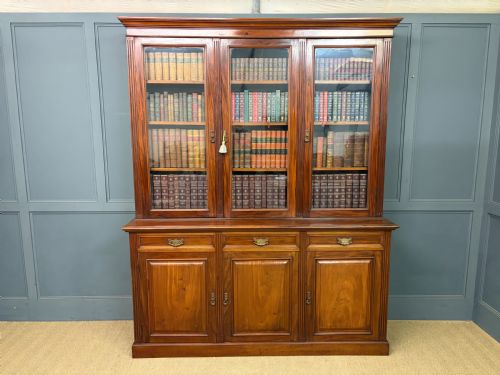
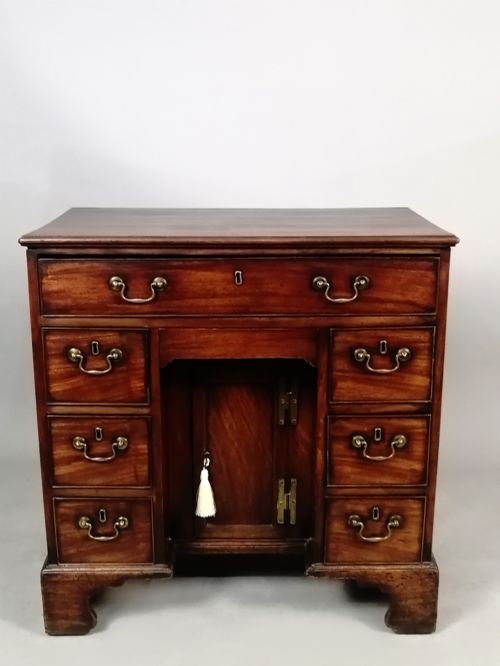
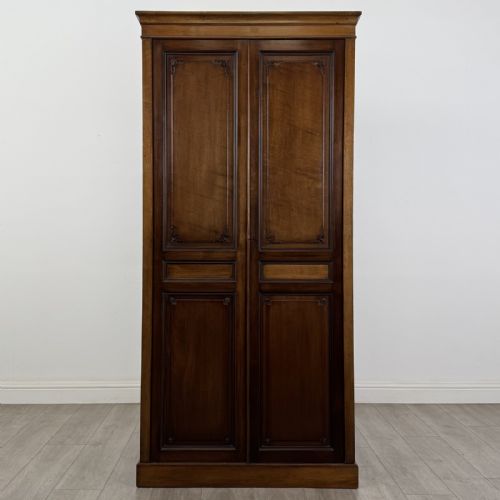
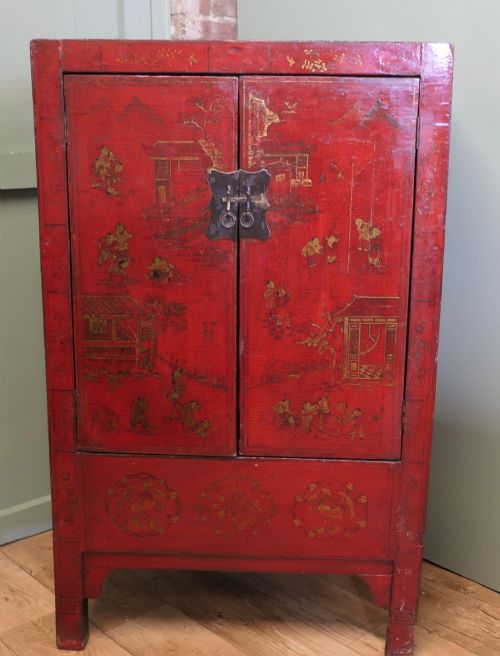
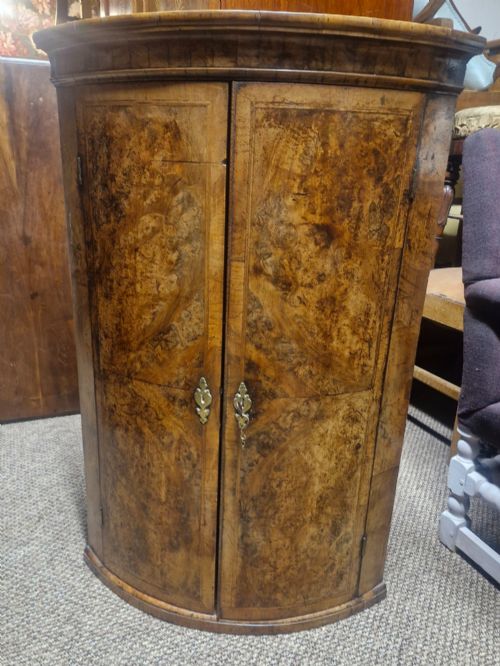
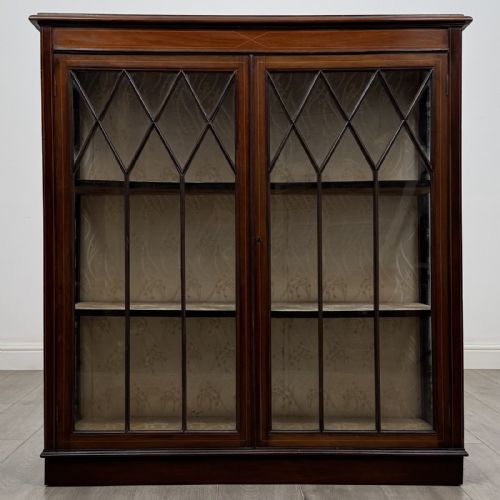
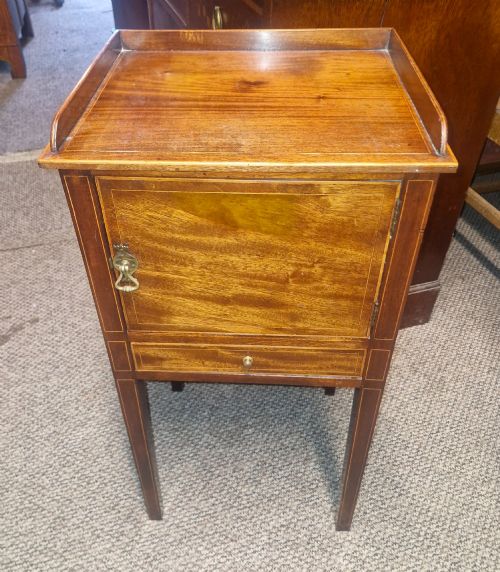
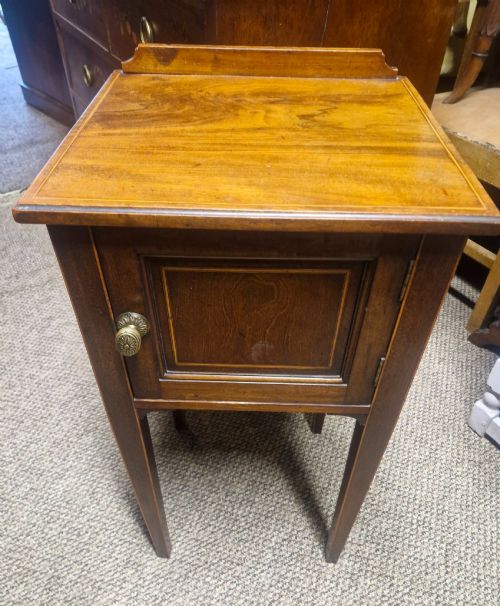
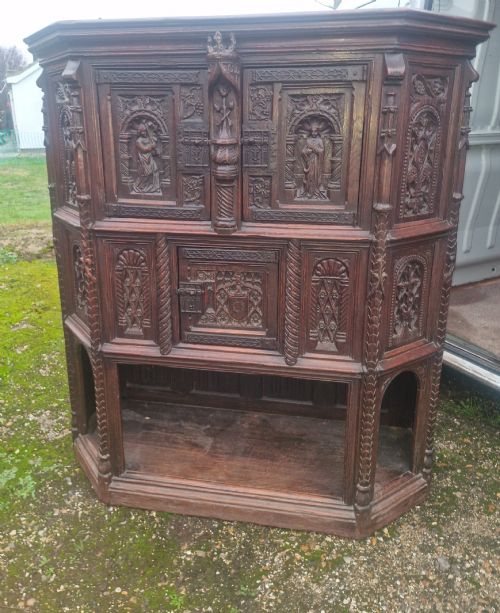
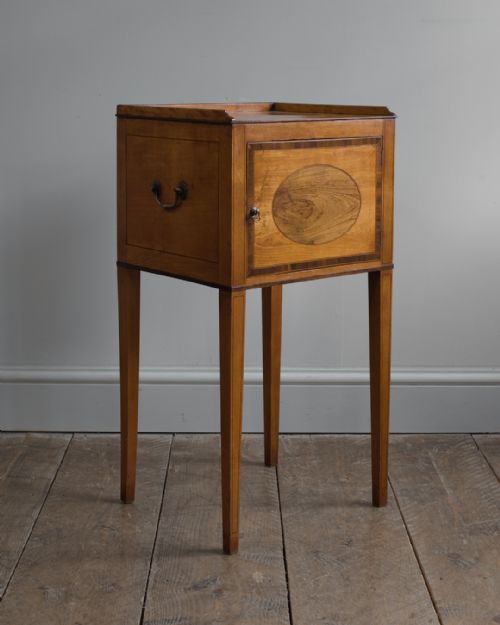
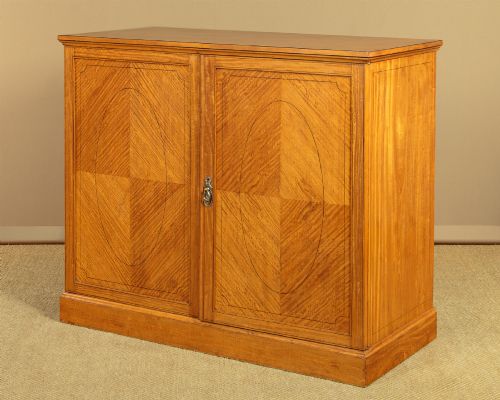
When buyers search for antique cupboard furniture, they encounter a broad category of domestic storage pieces spanning several centuries. The selection ranges from compact bedside units and corner cabinets to large wardrobes and display cases.
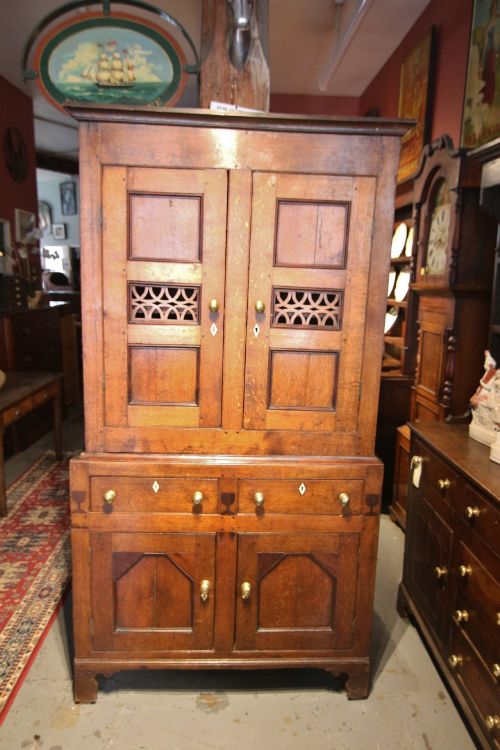
Victorian and Edwardian iterations appear frequently alongside earlier Georgian and seventeenth-century forms. These items served functional roles in domestic interiors for linen, china, books, and clothing.
Regional variations also emerge, including Dutch marquetry, Scandinavian painted pine, and French bedside tables. Each period contributes distinct proportions and functional layouts to the available stock.
How they were made
Cabinet makers utilised dense hardwoods like mahogany, walnut, and oak for structural integrity and decorative grain patterns. Pine and satin birch appear frequently in regional works and twentieth-century designs.
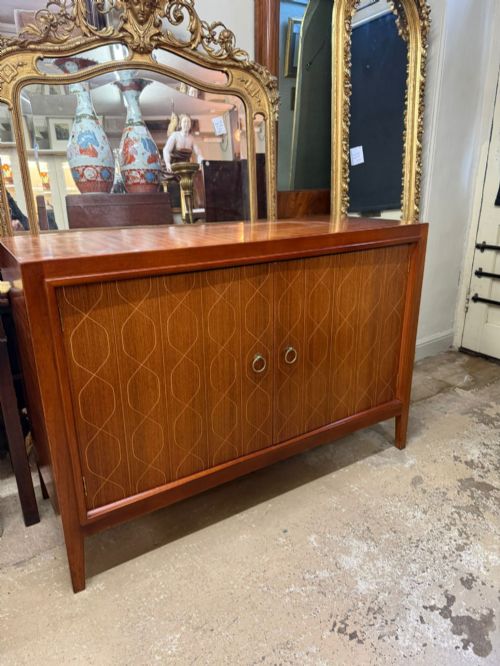
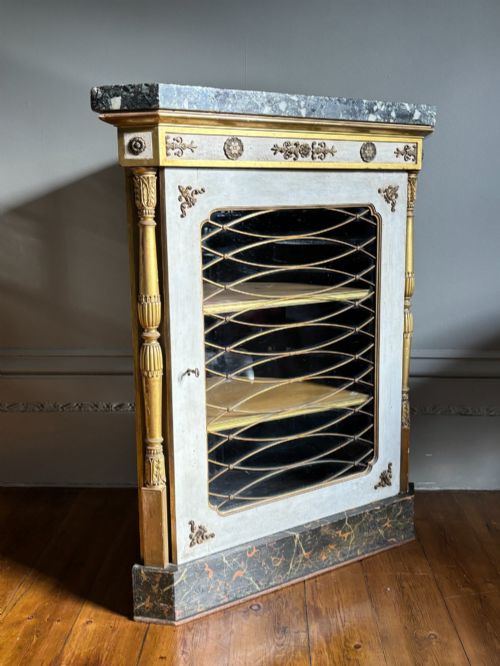
Surface ornamentation involved brass hardware, glass panels, marble tops, and intricate marquetry inlay. Joinery techniques varied from early pegged frames to later dovetailed drawers and panelled doors.
Antique Cupboard Furniture Retail Price Guide 2026
Typical asking prices for cupboard furniture among the pieces listed under this phrase on Sellingantiques today, from the lower quarter to the upper quarter. They describe what is for sale here now, not the wider market.
Materials span mahogany, oak, walnut, pine, and marble, representing periods from the seventeenth century to nineteen-thirty.
What varies in quality
The standard of antique cupboard furniture depends upon the selection of timber and the precision of the cabinet work. Highly figured veneers, such as plum pudding mahogany or burr walnut, distinguish superior pieces.
Makers who incorporated carved detailing, stamped signatures, or fine marquetry achieved a higher grade of craftsmanship. Structural retention of original brasses and glass adds further distinction to individual examples.
Gillow·Heals Of London·François Linke·John Moyr Smith
The Antique Cupboard Furniture Glossary
- Marquetry
- Inlaid patterns of wood veneer forming decorative pictures or geometric designs. This technique appeared on high-grade cabinetry across various European workshops.
- Breakfront
- A cabinet or desk facade where the central section projects forward from the side sections. This architectural arrangement creates depth and visual rhythm.
- Chiffonier
- A low sideboard or cabinet developed during the nineteenth century. It typically includes enclosed storage space beneath a set of shelves or a drawer.
Antique Cupboard Furniture: Frequently Asked Questions
What periods do these cupboards cover?
The listings span from the seventeenth century through the Georgian, Victorian, and Edwardian eras up to nineteen-thirty.
Pieces reflect the design shifts and material preferences of each distinct century.
What woods were used for construction?
Cabinet makers built pieces primarily in mahogany, oak, and walnut, supplemented by pine, satin birch, and yew wood.
Matching veneers and solid timbers define the visual character of individual items.
How do I identify a corner cabinet?
Corner cabinets feature angled backs designed to fit directly into room corners. They often incorporate glass doors for display or panelled wooden doors for concealed storage.
These compact units maximised floor space in historic interiors.
What is the difference between a chiffonier and a cupboard?
A chiffonier is a specific low sideboard type from the nineteenth century featuring enclosed lower storage. General cupboards encompass standalone wardrobes, food hutches, and bedside cabinets.
Each form served a distinct domestic purpose within the home.