

Antique Crystal
Antique crystal brings together heavy lead glass, polished brass and glittering chandeliers that transform a room with reflected candlelight.
Antique Crystal
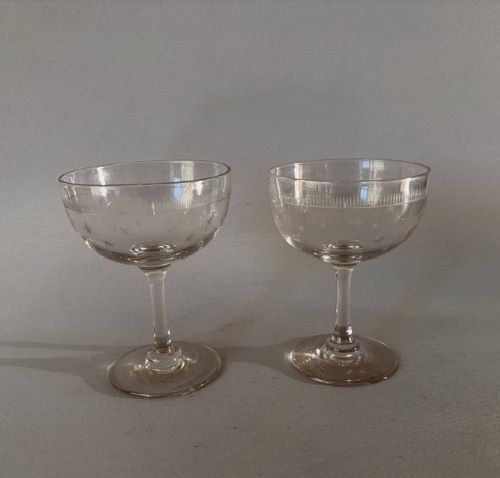
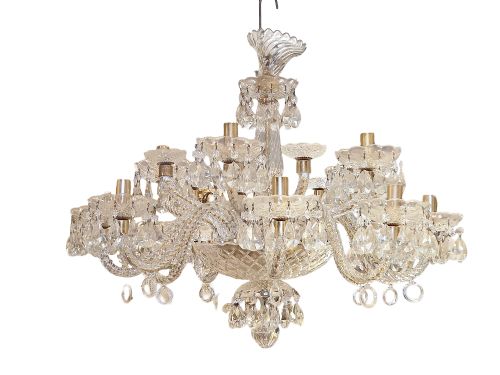
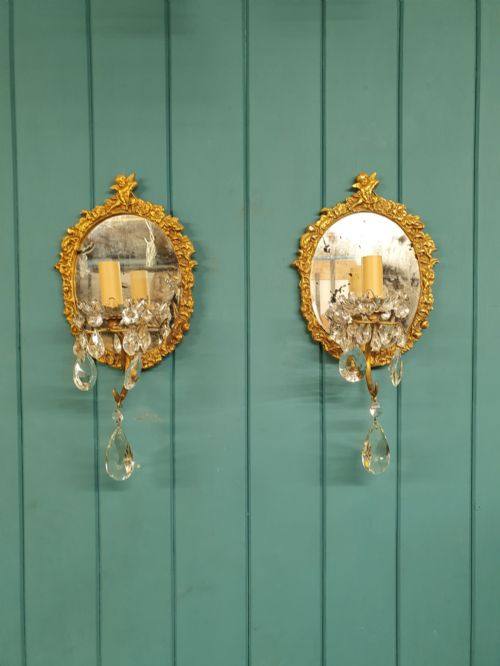
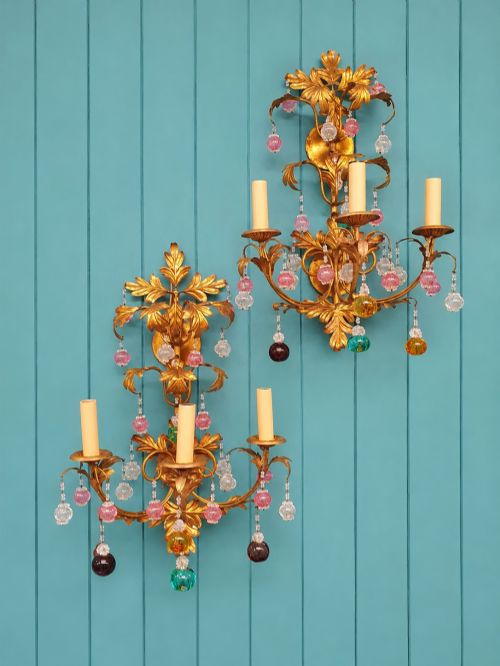
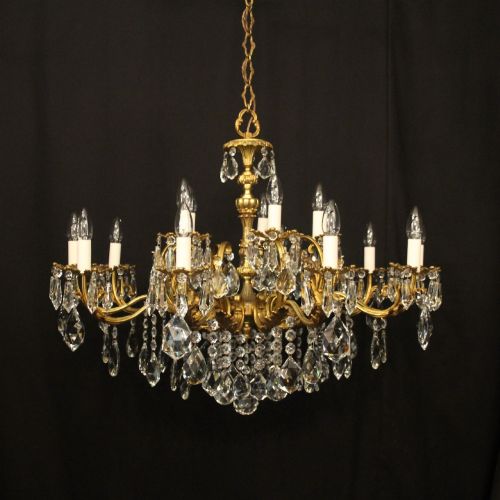
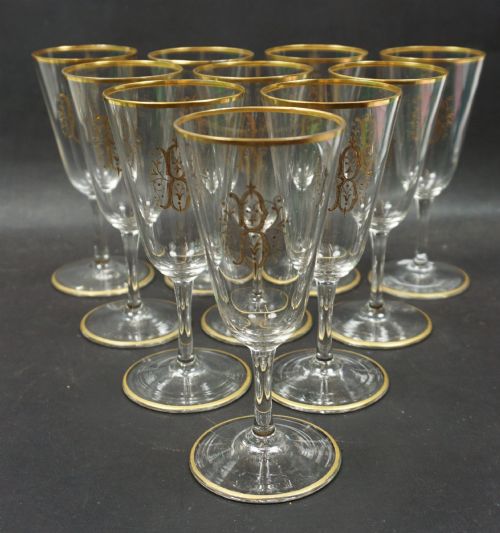
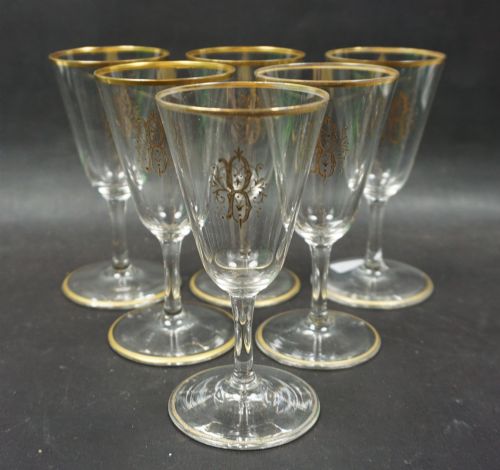
Lighting forms a substantial part of the available stock, particularly French chandeliers from the 1920s and 1930s incorporating gilt bronze frames and cascading drops. Alongside these overhead fixtures, table glassware from the 18th Century showcases engraved motifs and detailed stem construction.
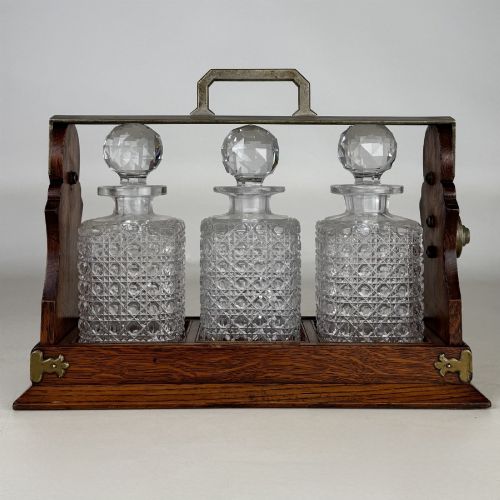
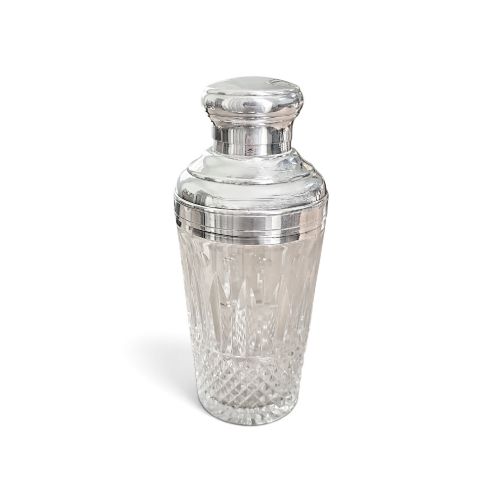
Smaller decorative items such as decanters, liqueur sets and earrings complete the offering. These diverse objects share a common reliance on clarity, refraction and detailed cutting to achieve their decorative effect.
Materials and construction
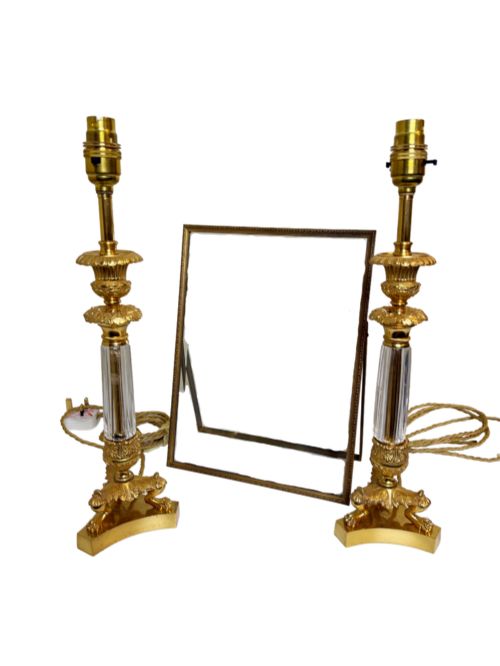
The objects combine heavy lead crystal and cut glass with structural mountings of brass, ormolu and gilt bronze. Metal frameworks hold the glass elements in place, supporting drops, beads and tent formations.
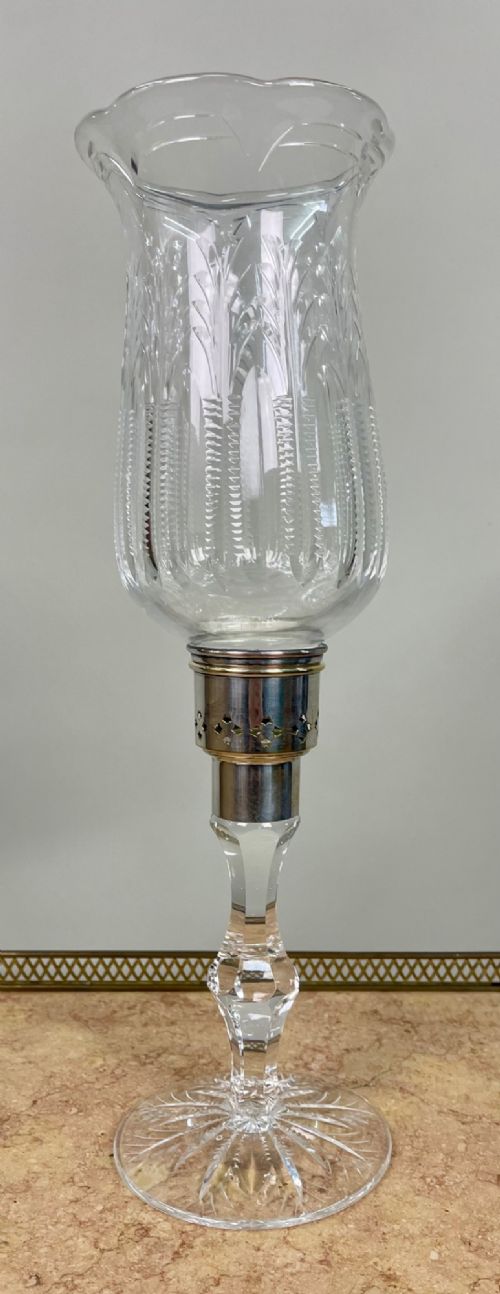
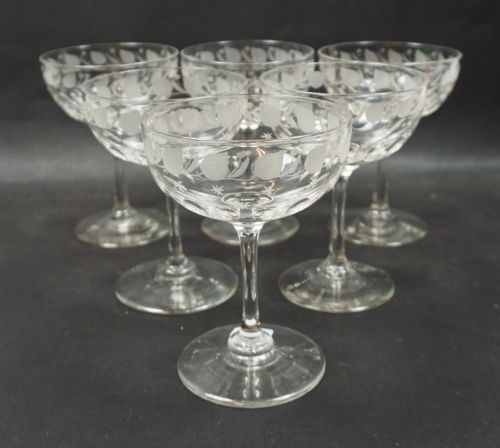
Glass production relies on lead glass formulas that permit deep wheel-cutting and facet polishing to maximise light dispersion. Engraved drinking glasses utilise specialised cutting tools to etch delicate botanical motifs directly onto the bowl surface.
Antique Crystal Retail Price Guide 2026
Typical asking prices for crystal among the pieces listed under this phrase on Sellingantiques today, from the lower quarter to the upper quarter. They describe what is for sale here now, not the wider market.
Old chandelier drops occasionally contain tiny trapped air bubbles that served as the maker's secret signature of authenticity.
Judging quality in crystal
Quality depends upon the purity of the metal and the precision of the glass cutting. Crisp, sharp facets create superior light reflection, whereas soft or blurred edges indicate hurried finishing.
The harmony between the metal armature and the glass pendants dictates the structural integrity of lighting pieces. Gilt bronze mounts with chased detail signal higher workshop standards than plain stamped brass frames.
Baccarat
The Antique Crystal Glossary
- Lead crystal
- Glass containing lead oxide to increase refractive index, weight and clarity.
- Waterfall chandelier
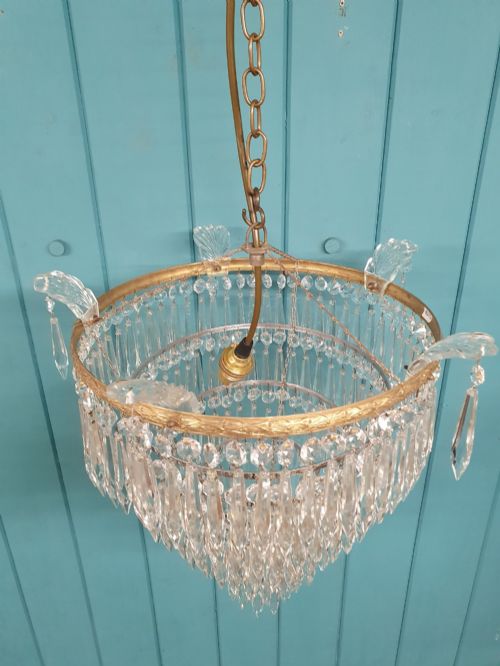
- A lighting fixture where crystal drops cascade in dense overlapping tiers from a central ring.
- Opaque twist
- A drinking glass stem containing threads of white enamel glass twisted inside a clear column.
- Ormolu
- Gilt bronze mounted on decorative objects, cast and chased to provide a rich golden surface.
- Baluster stem
- A thick, curved glass stem profile resembling a small architectural pillar seen on 18th Century drinking vessels.
Antique Crystal: Frequently Asked Questions
How do I clean an antique chandelier?
Maintenance requires gentle washing of each pendant in place using a warm water solution with mild soap. Avoid harsh chemical cleaners that damage the gilt surfaces of the supporting bronze frames.
Dry each crystal component thoroughly with a soft cloth to restore maximum light reflection without leaving water spots on the facets.
What defines a Georgian wine glass?
Georgian wine glasses from the 18th Century often display thick lead glass handles, folded feet for stability, and air twists or opaque twists inside the stems.
Engraved hop and barley motifs frequently decorate the bowls of ale glasses and goblets from this era.
Are all these chandeliers wired for electricity?
Many lighting pieces from the early twentieth century adapt readily to modern electrical standards during installation. Original candle sockets are often replaced or refitted by specialists to ensure safe household operation.
Consulting a qualified electrician before hanging ensures the ceiling fixings safely support the combined weight of the bronze frame and crystal drops.
How do I spot lead glass?
Lead glass feels noticeably heavier than standard soda-lime glass and produces a resonant ring when gently tapped on the rim. The material also displays higher light dispersion, creating subtle rainbow prismatic effects under direct illumination.