


Antique Crystal Glass Lamp
An antique crystal glass lamp brings refractive sparkle and period warmth to a room, ranging from grand chandeliers to compact table lights.
Antique Crystal Glass Lamp
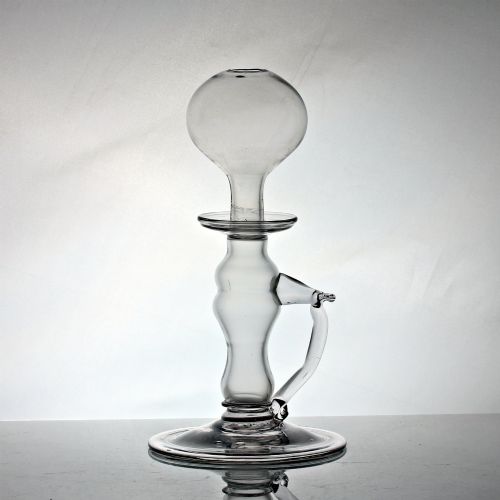
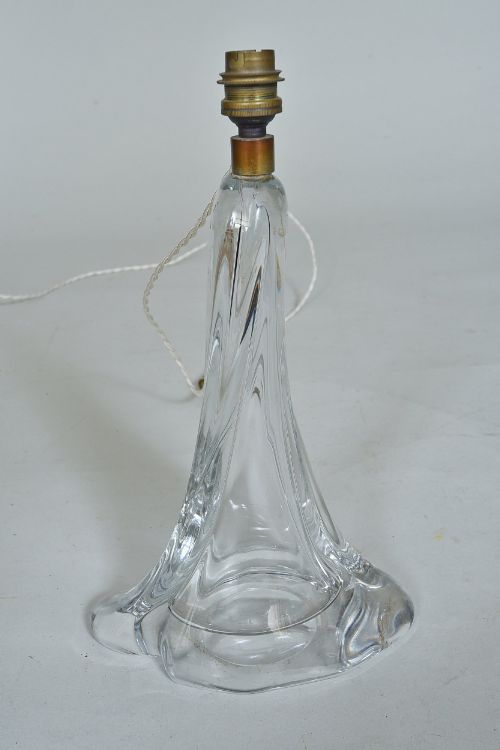
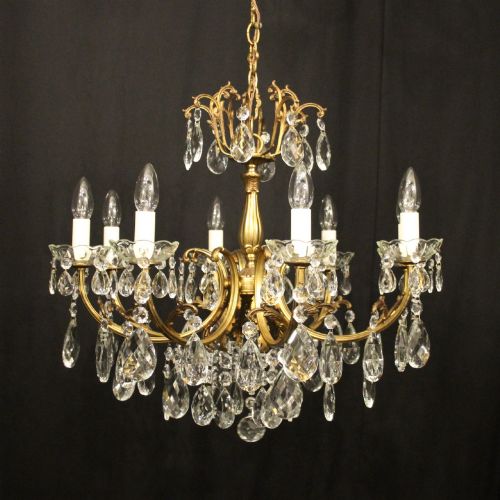
An antique crystal glass lamp encompasses a diverse array of lighting forms, from ceiling chandeliers and wall sconces to freestanding table lamps and converted oil burners. The selection spans the Victorian era through the Edwardian period and into the Art Deco years of the early twentieth century.
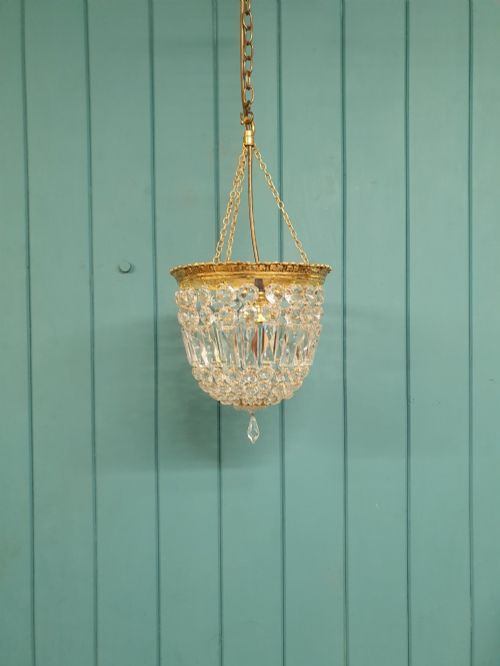
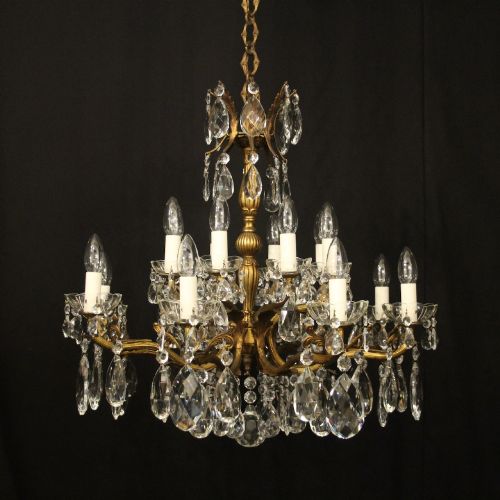
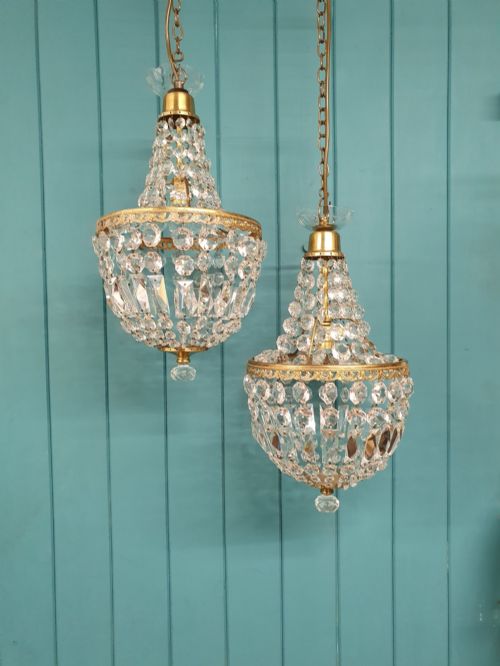
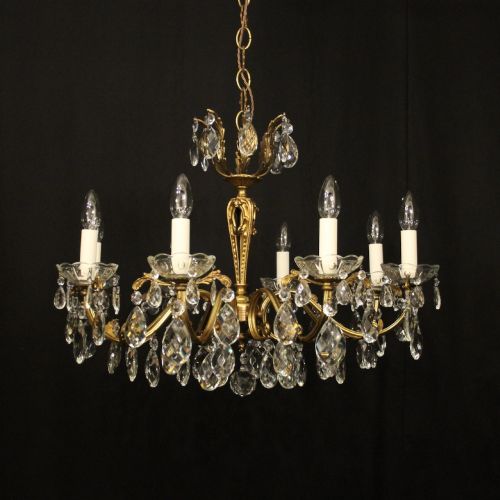
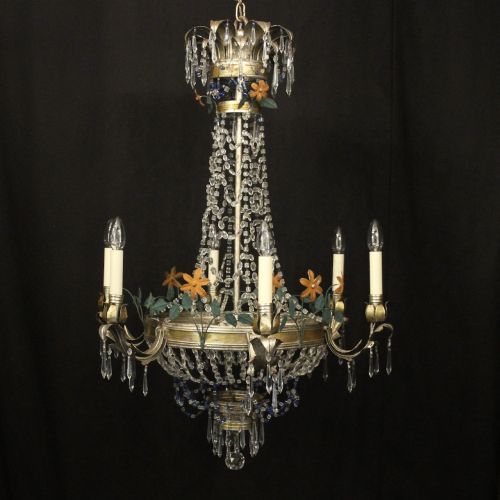
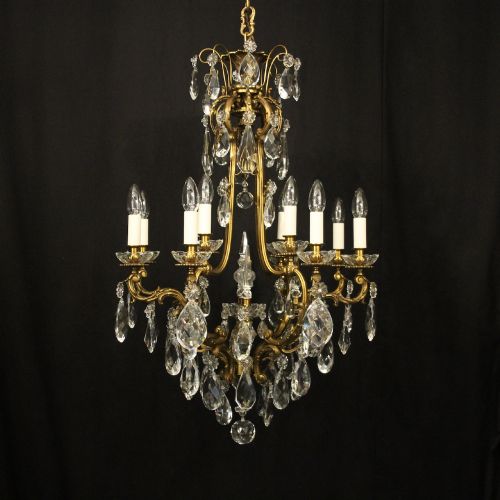
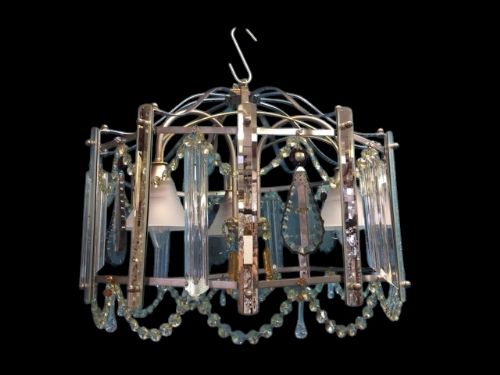
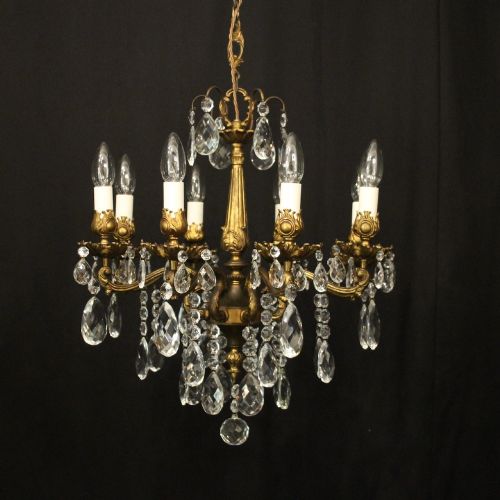
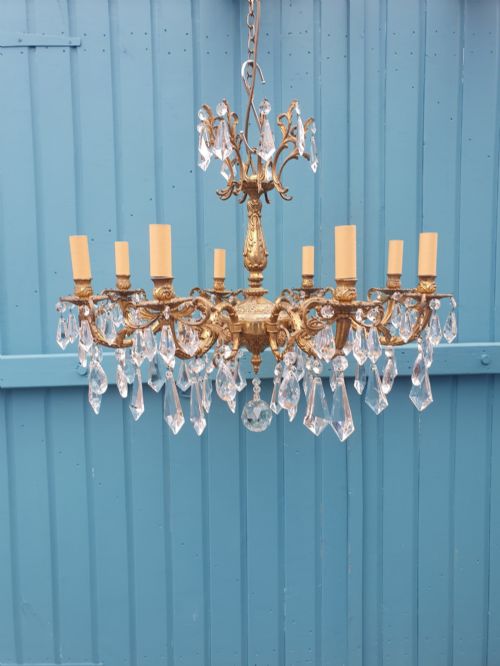
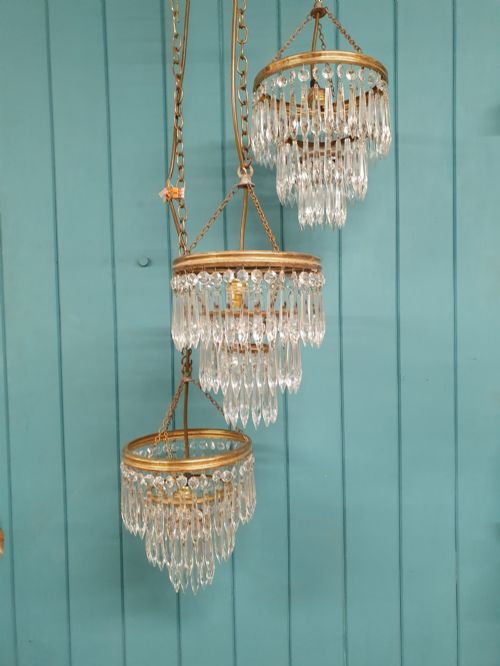
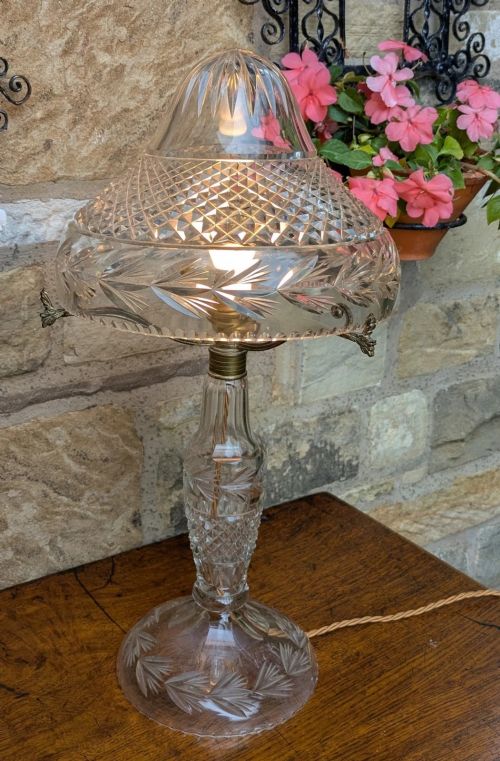
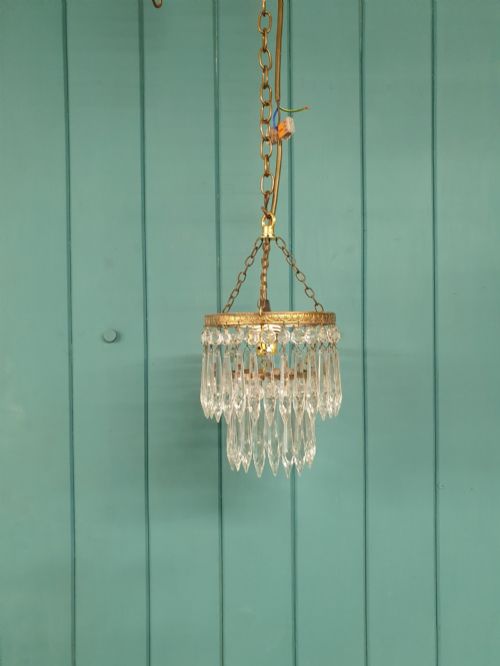
Table lamps and mushroom lamps appear alongside elaborate French Empire style chandeliers, tent and waterfall fittings, and basket designs. Buyers frequently encounter French and English pieces utilising brass, gilt bronze, and cut crystal elements.
Smaller forms include single-bulb mushroom lamps and spike chandeliers, while larger examples feature multiple lights adorned with coloured crystals, beads, and cut-glass drops.
How they were made
Master artisans combined cast or spun brass, gilt bronze, and spelter frames with heavy glass and crystal components that were hand-cut and polished to maximise light refraction. Metal mounts secured the individual prisms, drops, and beads using wire ties or brass pins.
Glass bodies often incorporated mould-blowing techniques, sometimes featuring overlaid colours or applied gilt decoration before final assembly and wiring.
Antique Crystal Glass Lamp Retail Price Guide 2026
Typical asking prices for crystal glass lamp among the pieces listed under this phrase on Sellingantiques today, from the lower quarter to the upper quarter. They describe what is for sale here now, not the wider market.
Listings feature items spanning the Victorian era through Edwardian designs to 1950s pieces, incorporating brass, gilt bronze, and cut crystal.
What varies in quality
The precision and depth of the facet-cutting on the crystal drops and bodies largely determine the optical brilliance and overall refinement of the lighting piece. Heavier gauge brass and gilt bronze frames with crisp chasing distinguish finer workshops from simpler commercial productions.
Completeness of the original crystal prisms, matching drops, and intact gilt finishes preserve the integrity and visual harmony of the fixture.
Stuart Crystal·F. & C. Osler
The Antique Crystal Glass Lamp Glossary
- Plafonnier
- A ceiling light fitting that sits flush or close to the ceiling surface, often featuring a decorative glass bowl or dome.
- Spike chandelier
- A compact chandelier design characterised by an upward-pointing central spike or spire surrounded by glass drops.
- Tent and waterfall
- A chandelier style featuring an upper conical tent of strung beads cascading down into a wider waterfall of crystal drops.
- Gilt bronze
- An alloy of copper and zinc treated with a gold wash or mercury gilding to impart a rich metallic sheen.
- Mushroom lamp
- A table lamp featuring a domed glass shade resembling a mushroom cap, popular during the Art Deco period.
Antique Crystal Glass Lamp: Frequently Asked Questions
How do I clean an antique crystal glass lamp?
Carefully wipe individual crystal drops and glass surfaces with a lint-free cloth dampened in a mild solution of warm water and professional glass cleaner. Avoid harsh chemical sprays that might damage surrounding brass or gilt bronze mounts.
Support hanging prisms gently from beneath while cleaning to prevent strain on the old wire ties or pins holding them to the frame.
Can these lamps be rewired for modern use?
Most antique lamps and chandeliers accommodate modern electrical wiring and standard bulb holders with the assistance of a qualified electrician. Rewiring ensures safe operation while preserving the original metalwork and glass components.
Consult a professional to check whether the existing internal channels require updating to meet current safety standards.
How do I date an antique crystal glass lamp?
Dating relies on stylistic markers such as Art Deco stepped tiers, Edwardian brass mounts, or Victorian oil burner mechanisms. Examining the cut of the glass, the composition of the metal frame, and any maker attribution helps narrow the period.
Archival comparisons with similar French Empire style or English Edwardian pieces provide further contextual clues.
What is the difference between glass and crystal?
Crystal refers to a specific type of glass containing metallic oxides such as lead, which increases the weight, clarity, and refractive index of the material. This higher density allows artisans to cut sharper facets that disperse light more brilliantly than standard glass.
Historical pieces often utilise lead crystal for drops, beads, and lamp bodies to achieve maximum sparkle.