





Antique Crystal Barrel
An antique crystal barrel combines heavy lead crystal with silver plate or brass, offering a tactile way to store biscuits or serve spirits.
Antique Crystal Barrel
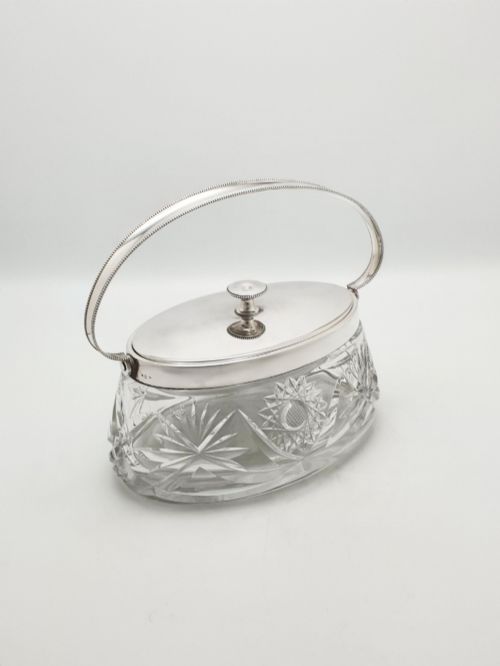
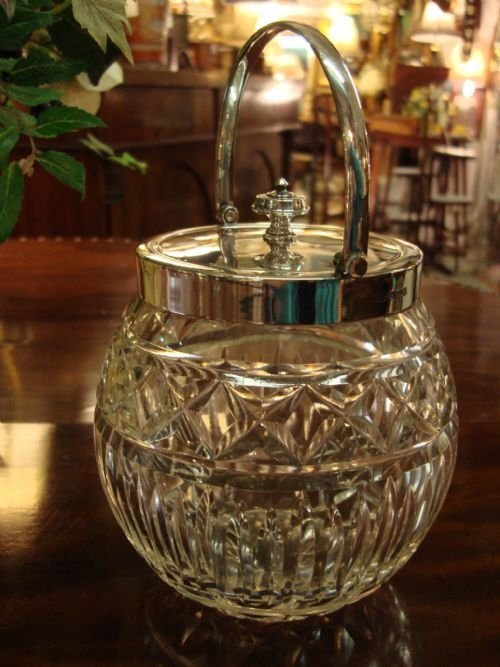
An antique crystal barrel most frequently appears as a biscuit barrel or biscuit box designed for Victorian and Edwardian dining tables. These storage vessels combine cut glass bodies with metal mounts, lids and swing handles.
Makers utilised heavy cut glass to catch the light, mounting the vessels in silver plate, brass or sterling silver. Surviving examples reflect the shifting tastes of the nineteenth and early twentieth centuries.
Materials and construction
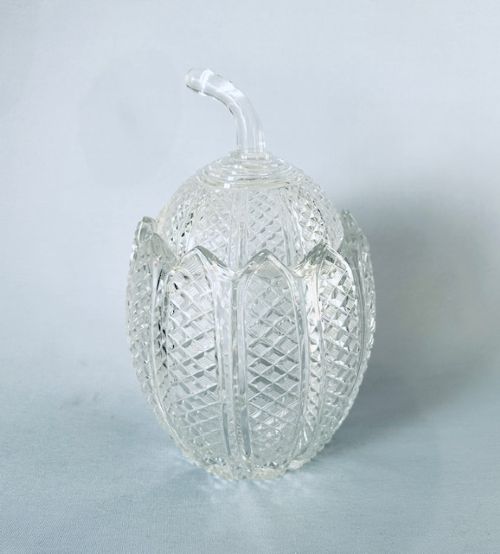
Makers fashioned the bodies from lead crystal and cut glass, applying hobnail cutting, prism work and deep facets by hand. This heavy glass was then paired with cast or stamped metal components.
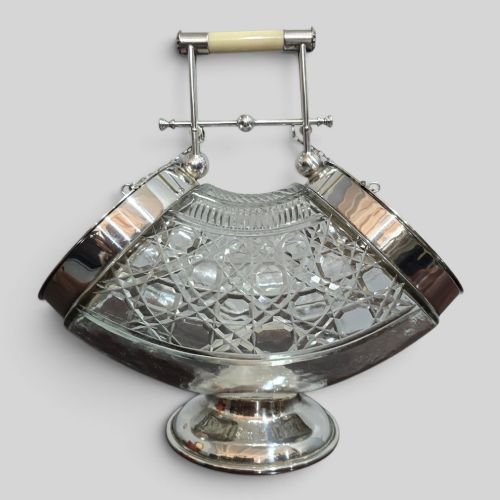
Mounts, lids, swing handles and finials utilise silver plate, brass, gilt bronze and hallmarked sterling silver. Metal collars and heraldic finials secure the glass barrels while adding decorative weight.
Antique Crystal Barrel Retail Price Guide 2026
Typical asking prices for crystal barrel among the pieces listed under this phrase on Sellingantiques today, from the lower quarter to the upper quarter. They describe what is for sale here now, not the wider market.
Listings span from the Georgian period through the 1930s, uniting cut glass, silver plate, brass and frosted crystal into functional table vessels.
Judging quality and execution
The depth and clarity of the glass cutting separate standard production from superior work. Crisp hobnail patterns and heavy lead crystal impart a distinct weight and brilliance absent in simpler pressed glass.
The refinement of the metal mounts and hardware dictates the standing of a piece. Substantial silver plate, detailed finials such as heraldic dragons, and balanced swing handles elevate the finished barrel.
WMF·Walker and Hall·James Dixon and Sons
The Antique Crystal Barrel Glossary
- Biscuit barrel
- A covered container used for storing dry biscuits on the dining table or sideboard. These vessels usually feature a swing handle and a fitted metal lid.
- Hobnail cut
- A raised, pointed pattern cut into the surface of glass resembling the head of a hobnail boot. This technique maximises sparkle and provides a tactile grip.
- Silver plate
- A layer of silver fused to a base metal such as copper or nickel silver. It gave nineteenth-century households the appearance of solid silver at a lower cost.
- Finial
- A decorative ornament fixed to the top of a lid or cover. On these barrels, finials often take the form of heraldic motifs or cast metal shapes.
- Frosted crystal
- Glass treated with acid or abrasive techniques to create a matte, opaque finish. This surface contrasts with polished clear glass sections.
Antique Crystal Barrel: Frequently Asked Questions
What were crystal barrels used for?
These vessels served primarily as biscuit barrels on dining tables during the Victorian and Edwardian periods, keeping dry baked goods fresh under a fitted lid.
Some variations functioned as spirit or drink dispensers, housing liquids on stands alongside tot pails or taps for serving guests.
How do I clean an antique crystal barrel?
Wash the glass body gently by hand in lukewarm water using mild detergent, avoiding harsh scrubbing brushes that might scratch the cut facets.
Keep silver-plated or brass mounts dry and polish them sparingly with a soft cloth to preserve the original metal plating.
How can I date an antique crystal barrel?
Examine the style of the cutting, the design of the metal mounts, and any hallmarks stamped onto the silver plate or sterling silver hardware.
Victorian pieces often feature ornate finials and heavy silver plate, whereas Edwardian and later examples display different proportions and manufacturing stamps.
Are all crystal barrels made of lead crystal?
Listings record a mix of heavy lead crystal, standard cut glass, and frosted crystal depending on the maker and the period of production.
Heavier pieces typically indicate higher lead content in the glass, which allowed artisans to carve deeper facets into the surface.