



Antique Crimson Chairs
These antique crimson chairs bring rich colour and history into a room, offering both traditional seating and striking visual presence.
Antique Crimson Chairs
When buyers search for antique crimson chairs, they encounter a diverse selection of seating spanning the nineteenth and early twentieth centuries. These pieces encompass various forms including armchairs, side chairs, slipper chairs, and dining chairs originating from different stylistic periods.
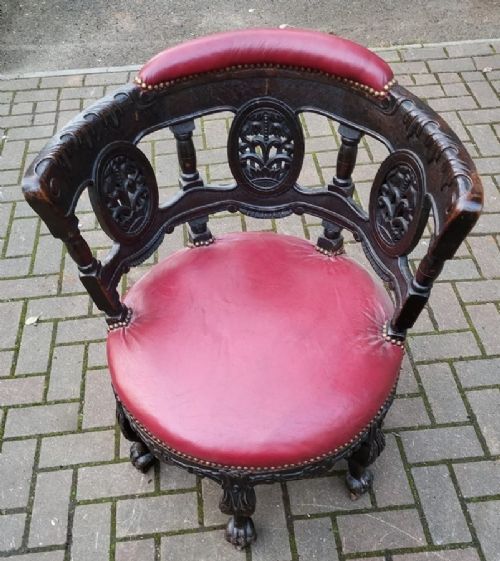
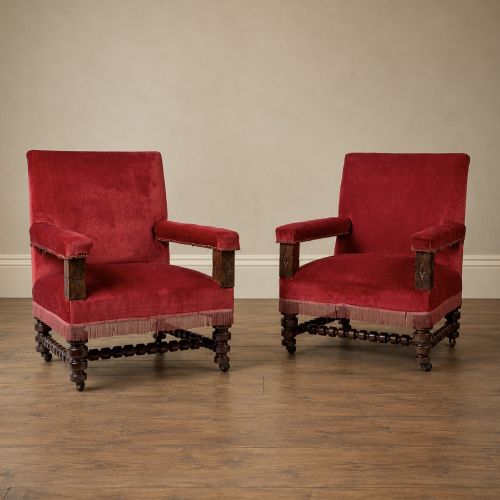
The most common versions met on this page include Victorian upholstered armchairs and walnut frames, often featuring rich red velvet or leather upholstery. Examples range from George I style giltwood to Aesthetic Movement designs and Edwardian suites.
Materials and construction
Frames are constructed from solid timbers such as mahogany, walnut, oak, and hardwood, alongside giltwood and painted finishes. Iron frames also appear in specific Victorian designs, providing structural support beneath the padding.
Upholstery relies on traditional materials like velvet and leather, often secured with brass detailing or button-backed techniques. Wood framing frequently incorporates carved elements, painted ornamentation, or polished finishes depending on the period.
Antique Crimson Chairs Retail Price Guide 2026
Typical asking prices for crimson chairs among the pieces listed under this phrase on Sellingantiques today, from the lower quarter to the upper quarter. They describe what is for sale here now, not the wider market.
Some chairs come with reclining mechanisms and matching footstools, ready for nineteenth-century gentlemen who took their relaxation very seriously indeed.
Assessing quality and craftsmanship
Quality separates through the integrity of the timber framing and the sophistication of the carving, painting, or gilding. Superior examples display precise joinery and well-preserved structural woodwork that withstands centuries of use.
The execution of the upholstery and the choice of covering materials dictate the refinement of the piece. Finer seating integrates textiles that complement the proportion and style of the wooden framework.
Gillows·Howard and Sons
The Antique Crimson Chairs Glossary
- Slipper chair
- A low-seated upholstered chair originally designed for bedrooms to assist with putting on shoes. These pieces typically lack arms and sit close to the floor.
- Aesthetic Movement
- A late nineteenth-century design style emphasising visual beauty and artistic expression over strict historical revival. Pieces from this movement often display refined craftsmanship and distinct artistic detailing.
- Button back
- An upholstery technique where buttons are pulled deep into the padding to create a quilted diamond pattern. This method provides both structural firmness and decorative depth.
Antique Crimson Chairs: Frequently Asked Questions
What periods do these crimson chairs cover?
The selection spans from the nineteenth century into the early twentieth century, incorporating Victorian, Regency, and Edwardian eras. Various revival styles also appear across these dates.
Buyers encounter designs reflecting specific decades from the eighteen-eighties through to nineteen-thirty, showing diverse stylistic evolution.
Are these chairs suitable for daily use?
Many of these pieces function well for daily seating, provided the underlying frame and upholstery remain sturdy. Armchairs and dining chairs offer practical support for everyday living spaces.
Careful placement helps preserve fragile textiles like velvet and leather against excessive wear over time.
How do I identify a Victorian armchair?
Victorian pieces often feature robust wood frames, button-backed velvet upholstery, and heavier proportions. Iron framed variants also occur within this period.
Stylistic markers include deep padding, turned wooden legs, and distinct nineteenth-century upholstery techniques.
What wood types are used in these frames?
Frames utilise traditional hardwoods such as mahogany, walnut, and oak, alongside giltwood and painted surfaces. Each timber offers distinct grain patterns and structural weight.
Selection depends on the specific period and intended formality of the chair design.