



Antique Crafting Tool
These antique crafting tool selections bring together utilitarian workshop gear and domestic hearth equipment from the nineteenth and early twentieth centuries.
Antique Crafting Tool
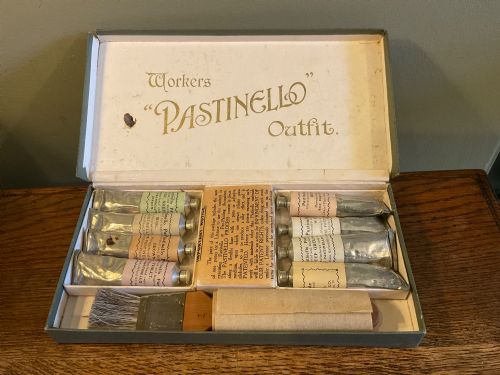
An antique crafting tool covers a diverse group of implements ranging from lace making accessories and art supplies to fireplace tools and writing tables. Buyers exploring this category encounter pieces rooted in the Victorian, Edwardian and early twentieth century eras.
The objects frequently embody Arts and Crafts, Art Nouveau and Gothic Revival movements, reflecting both manual productivity and domestic utility. French folk art and English regional designs appear alongside more formal workshop pieces.
Domestic fireside implements and textile equipment form the backbone of these listings, showing how utility and decoration met in historical interiors. Oak, brass and steel dominate the physical forms available to collectors today.
Materials and construction methods
Metals such as brass and steel were hammered, cast and turned to create durable fire irons, companion sets and companion tool rests. Oak and fruitwood provided sturdy timber frameworks for writing tables, pillows and chairs.
Natural media including leather, cardboard, paper and bristle appear in panels, bindings and functional working parts. Carved detailing and quatrefoil motifs demonstrate the handwork typical of the Arts and Crafts period.
Antique Crafting Tool Retail Price Guide 2026
Typical asking prices for crafting tool among the pieces listed under this phrase on Sellingantiques today, from the lower quarter to the upper quarter. They describe what is for sale here now, not the wider market.
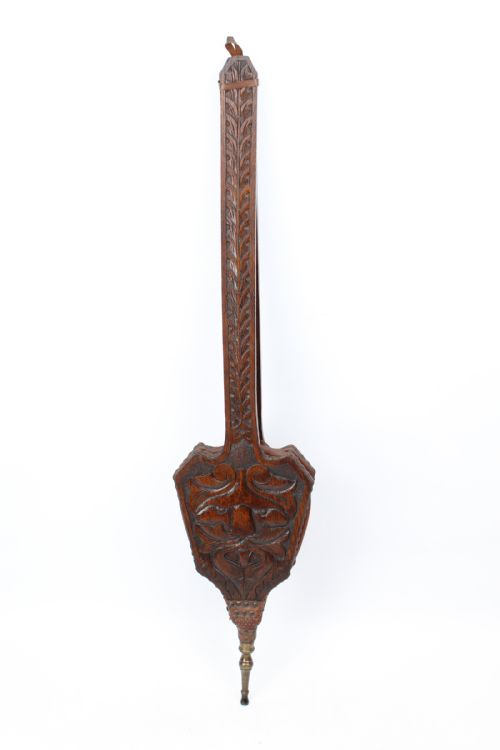
Even fireplace pokers needed artistic ambition during the reign of the Arts and Crafts movement.
Assessing quality and craftsmanship
Superior examples display crisp hand-carving and careful joinery on timber frames, whereas simpler items rely on basic assembly. The weight and finish of brass and steel components distinguish standard domestic hardware from finer workshop output.
Original material integrity, such as intact leather panels and unaltered bristle or wood components, elevates the standing of a piece. Maker attribution, as seen in documented retail origins, also influences how an object is regarded by collectors.
Liberty & Co
The Antique Crafting Tool Glossary
- Arts & Crafts
- A design movement valuing handcraft, natural materials and simple forms over mass production. It heavily influences many nineteenth and twentieth century domestic implements.
- Companion Set
- A collection of fireside tools usually comprising tongs, a poker, a shovel and a stand. These sets often use brass or steel construction.
- Lace Bobbin Winder
- A small mechanical device used in textile production to wind thread onto bobbins. Fruitwood and other dense timbers were favored for their durability.
- Quatrefoil
- A decorative element composed of four partially overlapping circles. This Gothic Revival motif frequently appears on table tops and furniture panels.
- Fire Dog
- A metal support used to hold logs in an open hearth, often paired with matching rests for fireside tools. They combine functional ironwork with decorative styling.
Antique Crafting Tool: Frequently Asked Questions
What counts as an antique crafting tool?
This category includes historical equipment used for textile production, fine art and domestic hearth maintenance. The items span various nineteenth and early twentieth century aesthetic movements.
Buyers often find everything from lace makers' pillows to brass companion sets grouped under this heading. Each object reflects the manual processes of its period.
How were brass fire irons used?
Brass fire irons managed coal or wood fires in Victorian and Edwardian hearths. Poker, tongs and shovel sets maintained the burning fuel.
Companion sets kept these implements neatly organised beside the fireplace. Their decorative metalwork suited the formal parlours of the period.
How do I date an Arts and Crafts table?
Dating relies on construction methods, timber choice and stylistic motifs such as quatrefoils or exposed joinery. Pieces from this movement typically date from the late nineteenth to the early twentieth century.
Examining the underside and hardware helps confirm the period. Oak and fruitwood were standard choices for these tables.
Where were lace making accessories made?
Textile tools originated in regional craft workshops across England and continental Europe. French folk art examples often feature distinct regional carving styles.
Items like bobbin winders and pillow holders were essential for domestic and cottage industries. Woods such as fruitwood were chosen for daily utility.