
Antique Crafting Table
An antique crafting table brings sturdy utility and honest design to a room, connecting you directly to the robust traditions of the Arts and Crafts movement.
Antique Crafting Table
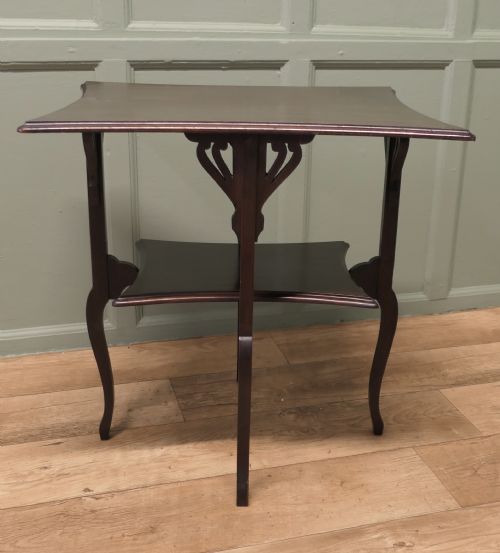
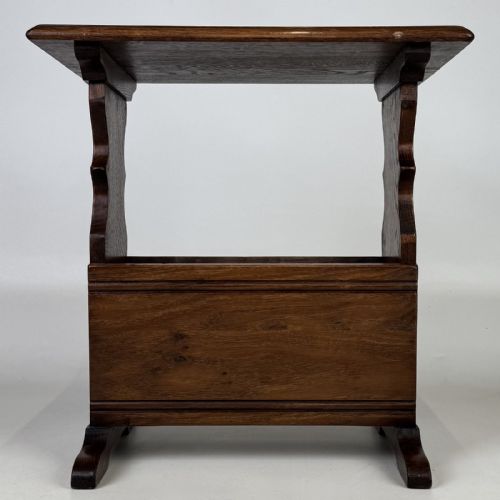
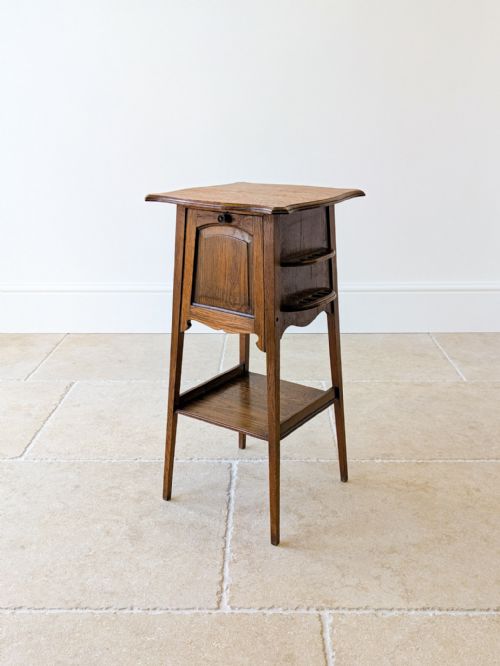
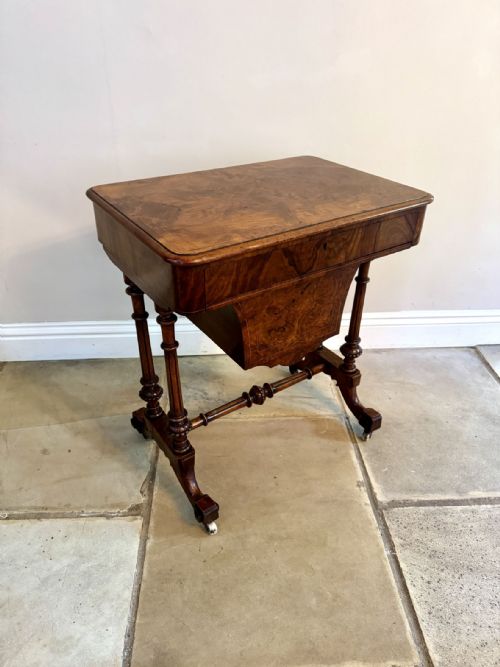
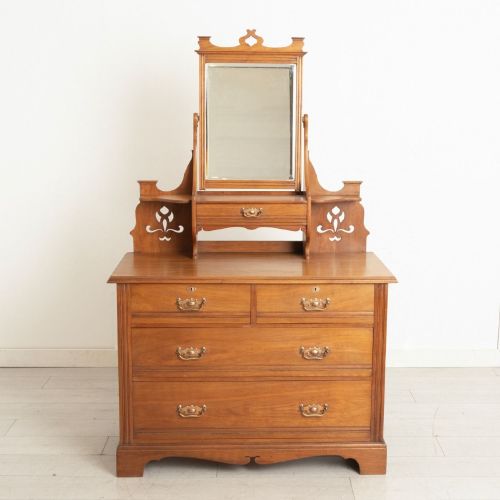
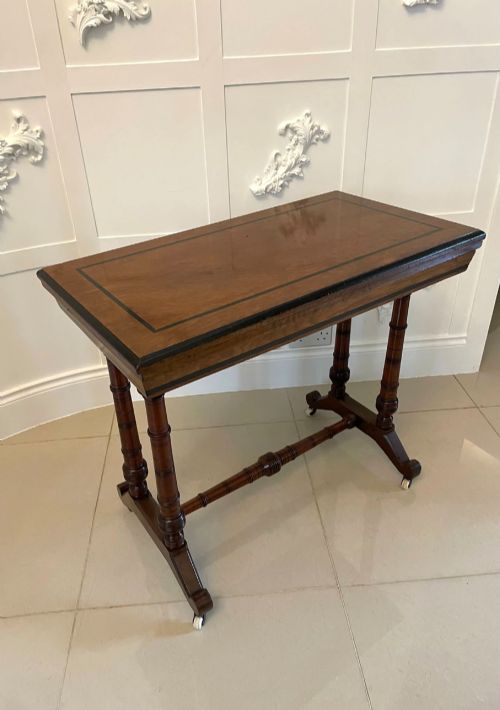
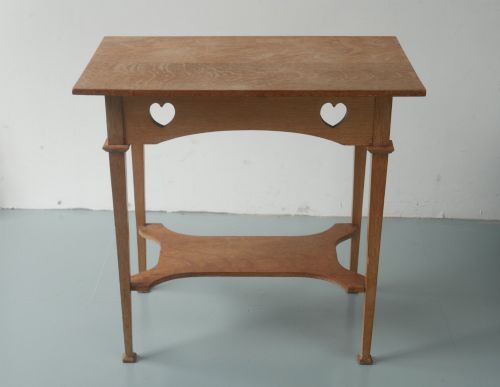
When you search for an antique crafting table, you find a variety of domestic furniture built during the Victorian, Edwardian, and early twentieth-century periods. These items encompass functional surfaces such as side tables, occasional tables, desks, and dedicated work or sewing tables designed for practical tasks.
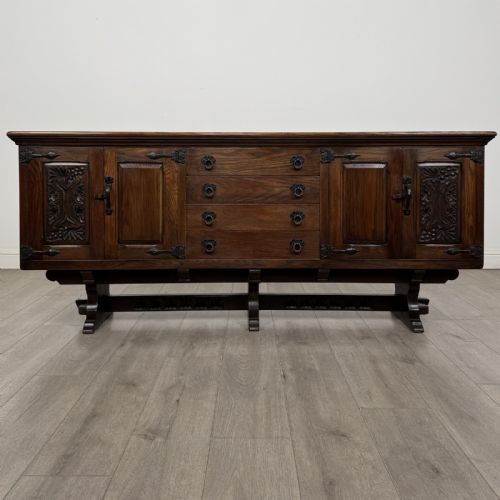
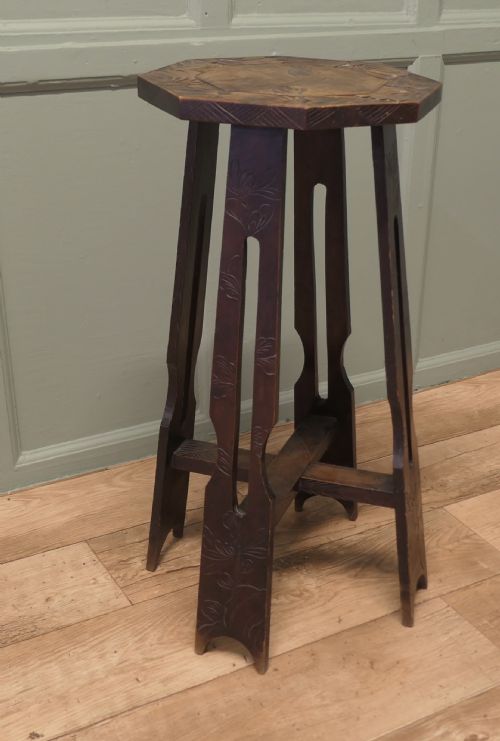
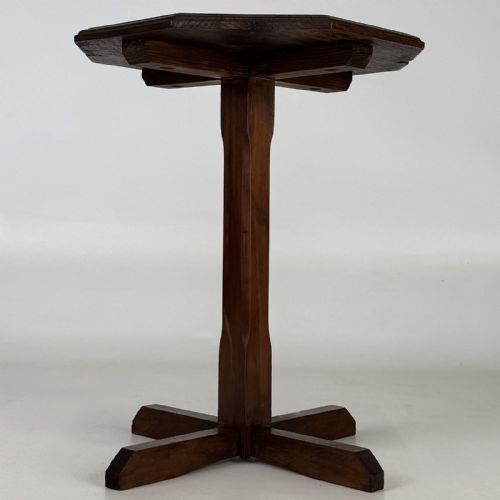
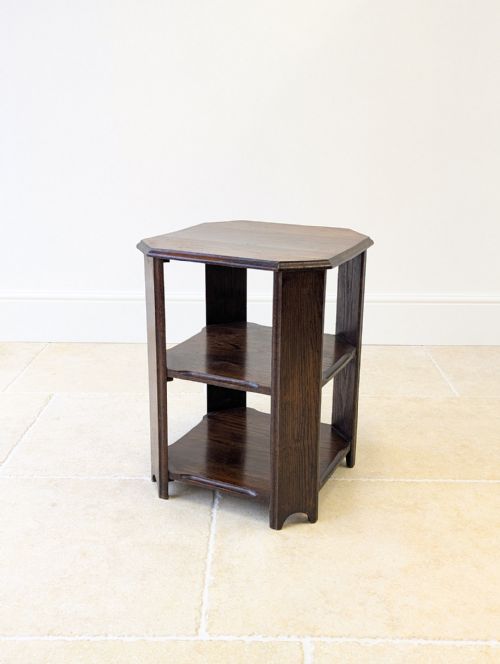
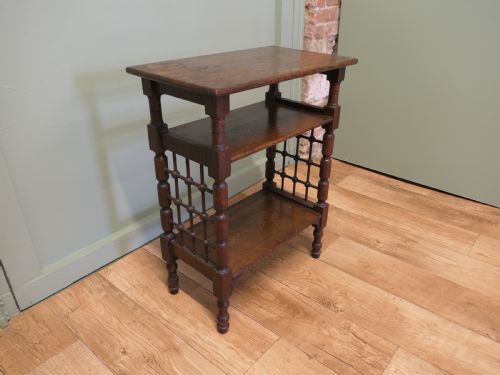
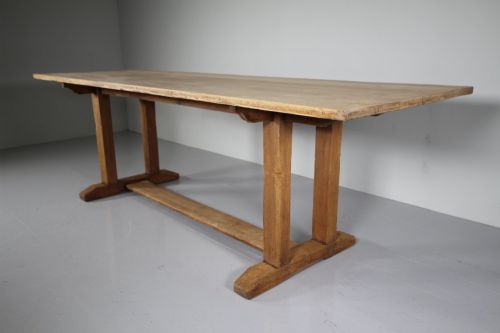
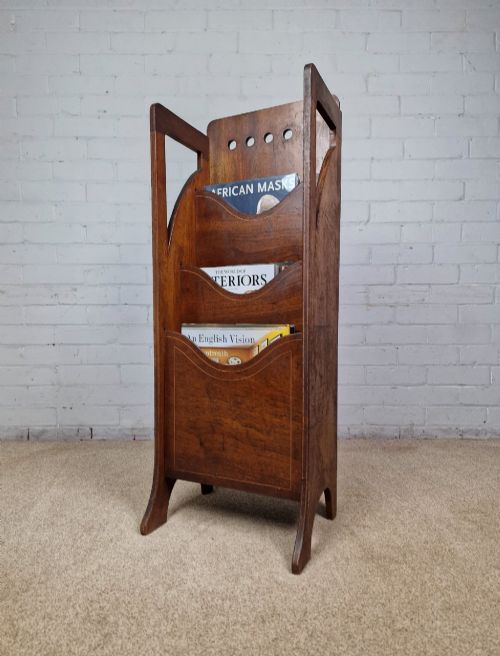
The aesthetic heavily reflects Arts and Crafts, Gothic Revival, and Jacobean Revival styles, prioritising utility alongside straightforward construction. You are most likely to encounter oak and walnut forms featuring octagonal tops, carved stretchers, or integrated storage like magazine racks.
Originating from British workshops and prominent retailers, these pieces demonstrate a clear focus on domestic utility. They served as reliable surfaces for writing, sewing, and general making in homes across the periods.
How they were made
Makers relied primarily on solid timbers such as oak, elm, and walnut, often paired with brass, iron, and glass for hardware and decorative accents. These materials were selected for their durability and grain, supporting the structural integrity needed for daily utility.
Joinery techniques focused on visible craftsmanship, utilising stretcher bases and carved detailing rather than concealed fastenings. Surfaces frequently display linear carving, linenfold patterns, or tiled inserts that highlight the hand of the maker.
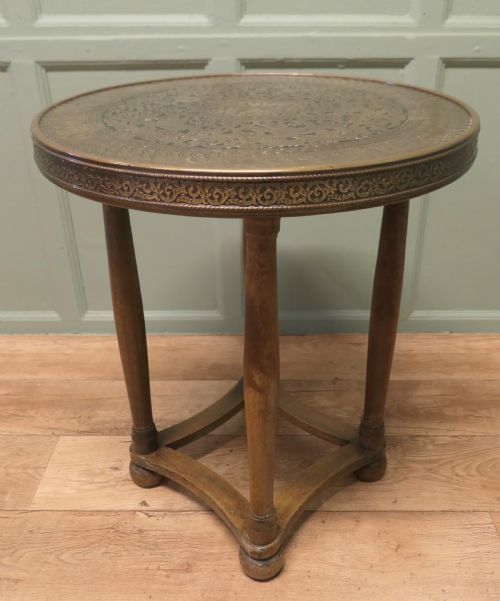
Peacocks occasionally make an appearance, preserved forever in gleaming brass table tops.
What varies in quality
The distinction between standard utility items and finer examples rests upon the depth of the carving and the selection of timber. Superior pieces exhibit well-figured oak or walnut with crisp, deliberate hand-carved details along the stretchers and borders.
Construction methods also dictate worth, with integrated joints and solid timber frameworks representing higher standards than applied decorative elements. Pieces bearing attribution to known designers or workshops maintain a greater consistency in proportion and material selection.
Liberty & Co·Shapland & Petter·Heals of London·Finnigans·Archibald Knox·Guild of Handicrafts·Jack Grimble
The Antique Crafting Table Glossary
- Arts and Crafts
- A design movement originating in the nineteenth century that emphasised traditional craftsmanship, simple forms, and local materials. It rejected mass production in favour of the visible hand of the maker.
- Stretcher base
- A horizontal system of wooden bars connecting the legs of a table near the floor to provide structural stability. This framework often serves as a decorative element in heavier oak furniture.
- Linenfold
- A style of wood carving that mimics the appearance of folded vertical folds of fabric, commonly seen on panels of cupboards and desks. It is frequently associated with Tudor and Jacobean revival pieces.
- Octagonal top
- A geometric table surface with eight distinct sides, which appeared frequently on small plant stands and occasional tables during the Edwardian period. This shape allowed for compact placement in smaller rooms.
Antique Crafting Table: Frequently Asked Questions
What defines an antique crafting table?
These tables are solid timber items built during the Victorian and Edwardian eras, designed for practical domestic tasks like sewing and writing.
They often incorporate Arts and Crafts styling, visible joinery, and durable oak or walnut construction.
How do I care for my table?
Keep wooden surfaces away from direct heat sources and moisture to prevent timber movement.
Apply natural wax polish occasionally to nourish the grain and protect the finish.
Where were these tables used?
They functioned as everyday work surfaces in studies, sewing rooms, and parlours across British homes.
Their compact forms allowed them to double as plant stands or bedside furniture.
How do I identify the period?
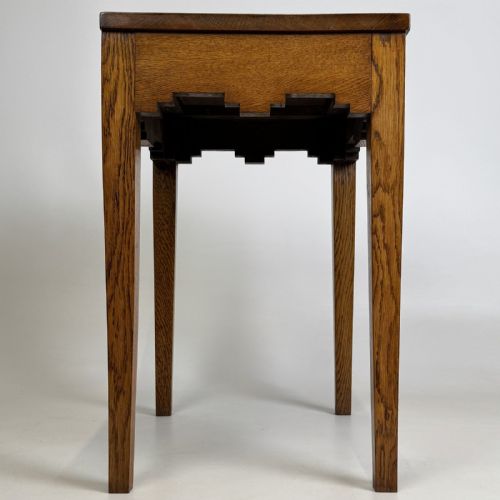
Look to the materials, joinery methods, and decorative motifs such as linenfold carving or tapered legs.
Edwardian and Victorian examples display distinct stylistic cues rooted in revival movements.