

Antique Crafted Table
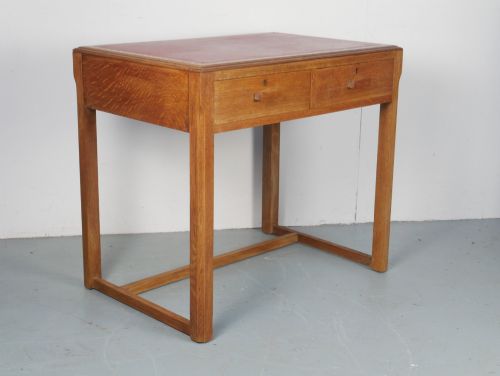
When you search for an antique crafted table, you find solid oak, walnut, and elm pieces spanning the Victorian to 1930s periods.
Antique Crafted Table
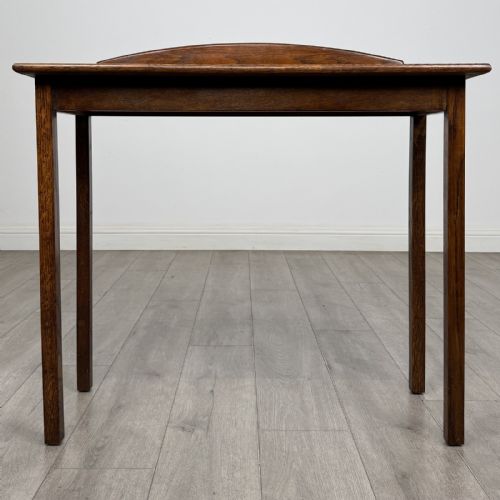
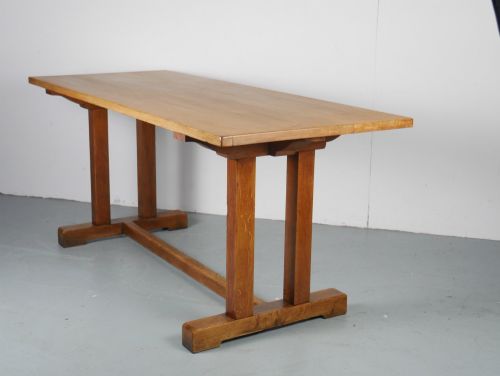
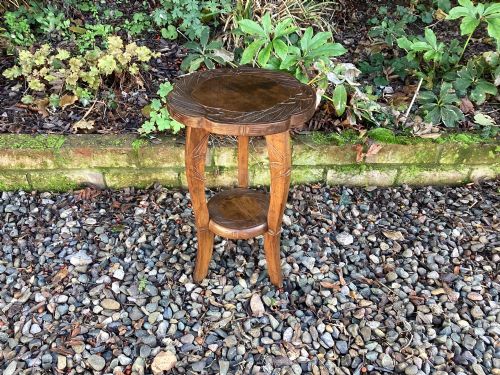
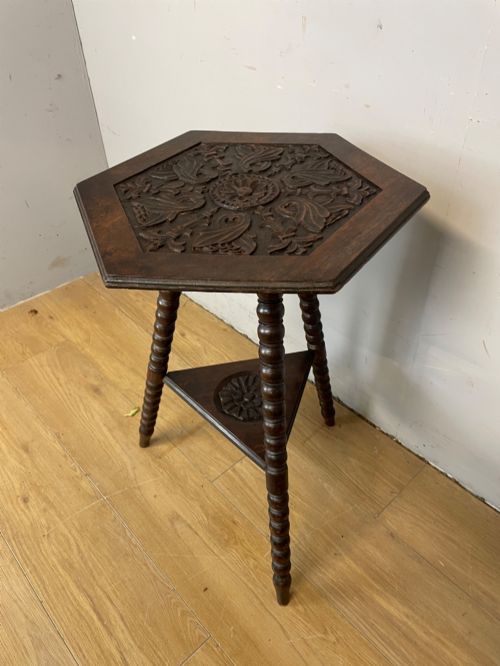
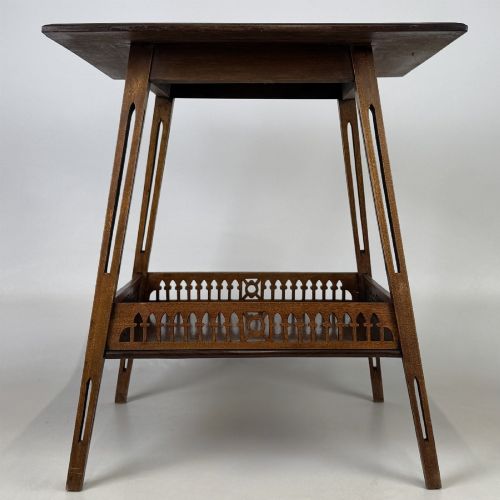
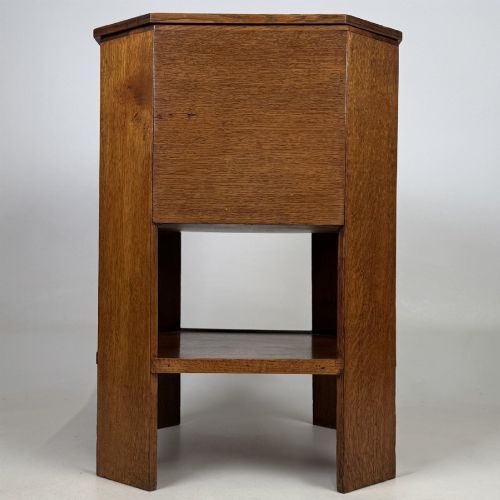
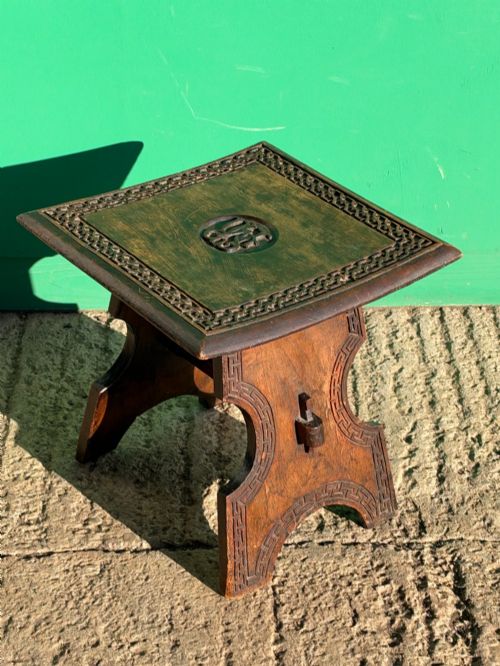
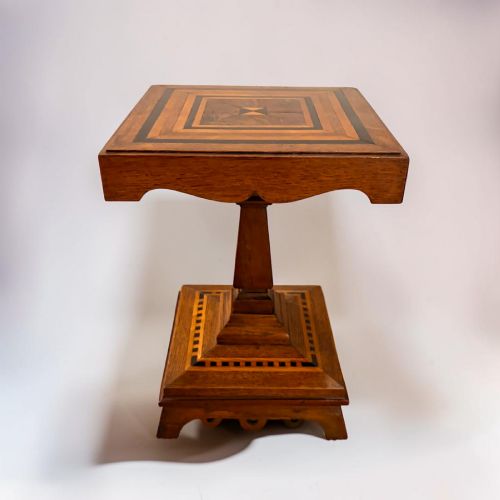
The pieces appearing on this page originate predominantly from the late nineteenth century through the 1930s, reflecting periods such as the Edwardian era and 1920s. Side tables with octagonal tops, plant stands, and refectory dining tables form the core of what is available.
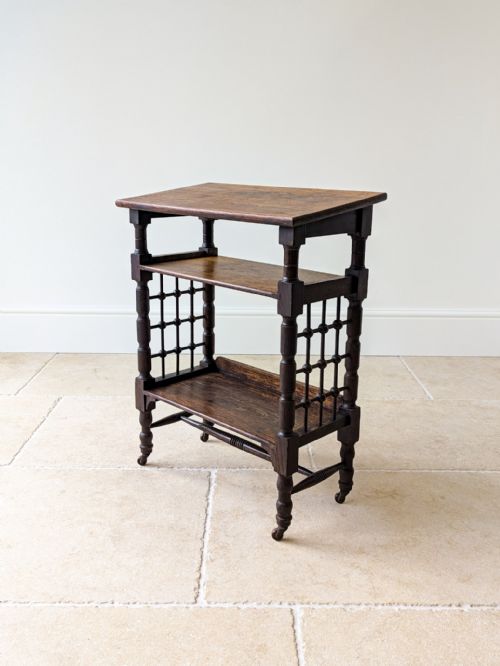
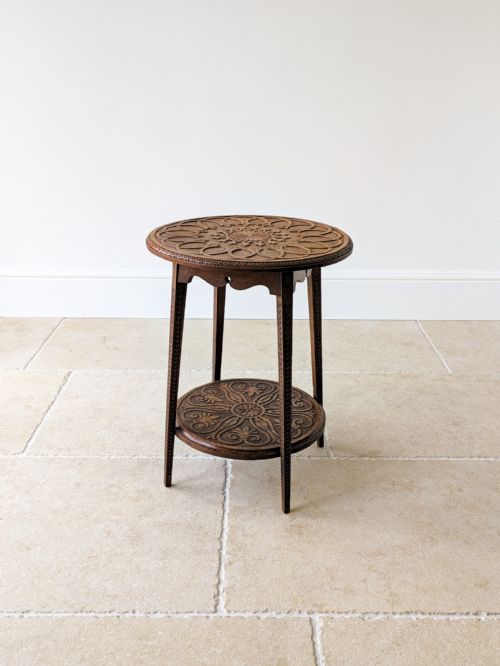
Makers and retailers like Liberty & Co and Shapland & Petter heavily influence this category with distinctive designs in oak, walnut, and elm. Buyers meet everything from small lamp tables to large library tables bearing carved stretcher bases and tapered legs.
What varies in quality
The standard of timber selection and the precision of hand carving separate workshop pieces from standard commercial production. Tables bearing documented maker attributions or specific retail provenance display superior structural integrity and refined proportions.
Antique Crafted Table Retail Price Guide 2026
Typical asking prices for crafted table among the pieces listed under this phrase on Sellingantiques today, from the lower quarter to the upper quarter. They describe what is for sale here now, not the wider market.
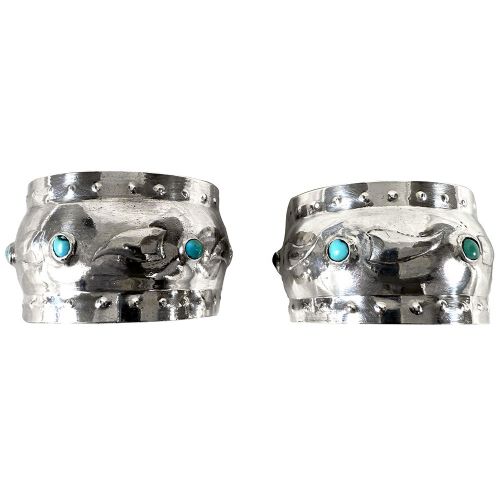
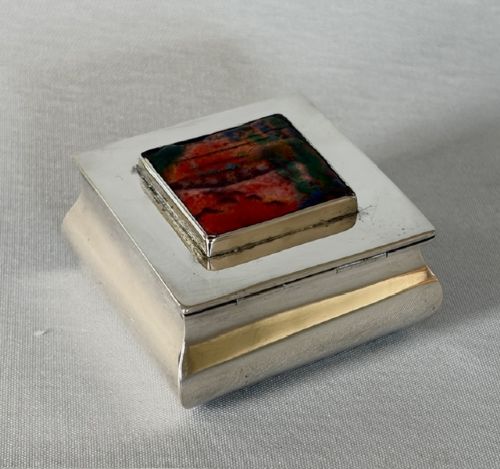
Listings feature oak, walnut, elm, and burr walnut, alongside metal accents in brass, iron, and pewter.
Liberty & Co·Shapland & Petter·Leonard Wyburd·Heals of London·Finnigans·Jack Grimble·Guild of Handicrafts·Archibald Knox
The Antique Crafted Table Glossary
- Arts and Crafts
- A design movement valuing handcraftsmanship, simple forms, and traditional materials over mass production. It heavily influences many tables from the late nineteenth and early twentieth centuries.
- Refectory table
- A long, narrow dining table traditionally used in communal dining halls and adopted for domestic use by twentieth-century makers. They typically feature sturdy stretcher bases supporting solid timber tops.
- Occasional table
- A small, movable side table designed for specific, temporary uses in a room. These frequently feature octagonal tops or tapered legs.
- Linenfold
- A style of wood carving that mimics folded linen cloth, commonly seen on panels of Edwardian and revival furniture. It adds texture and depth to flat wooden surfaces.
Antique Crafted Table: Frequently Asked Questions
What periods do these tables come from?
The listings span the Victorian era, the Edwardian period, and the 1920s and 1930s. Most pieces reflect the late nineteenth-century revival styles and the twentieth-century Arts and Crafts movement.
Dates range from the 1880s through to the 1940s, capturing a period of significant shift in British cabinet making and domestic design.
How do I identify an Arts and Crafts table?
Arts and Crafts tables typically show visible construction details, solid oak or elm construction, and understated hand carving. They avoid excessive ornamentation in favour of honest materials.
Many examples feature geometric shapes like octagonal tops, copper or brass accents, and an emphasis on the natural grain of the wood.
Were these tables used for dining?
Some pieces serve specifically as dining tables, such as oak refectory tables and bachelors dining tables. Others are smaller occasional items meant for lamps, plants, or books.
Larger library tables and writing desks also appear, providing sturdy surfaces for work rather than meals.
How do I care for solid oak and walnut tables?
Keep wooden surfaces away from direct heat sources and strong sunlight to prevent the timber from drying out or fading. Regular dusting with a soft, dry cloth maintains the finish.
Avoid using silicone-based polishes, preferring traditional beeswax to nourish the antique wood surfaces safely over time.