

Antique Craft Stand
When you search for an antique craft stand, you find practical utility pieces from the Victorian and Edwardian eras built to serve specific domestic tasks.
Antique Craft Stand
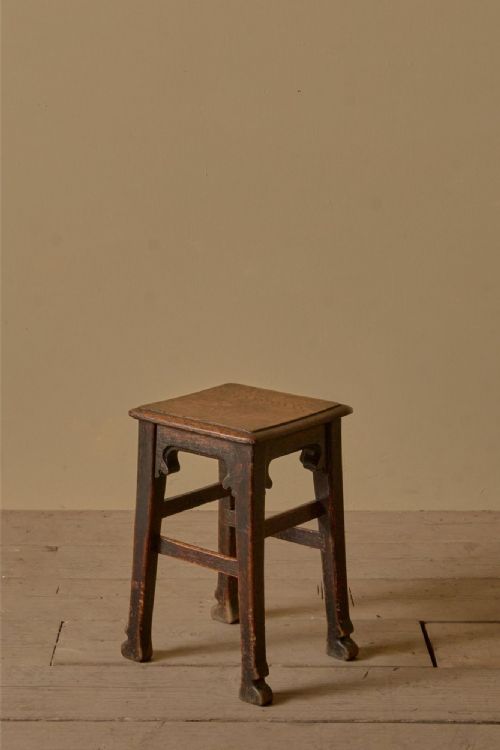
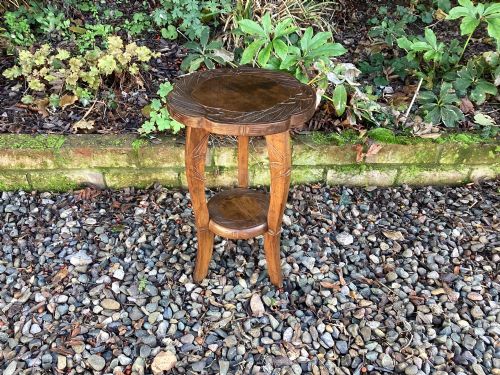
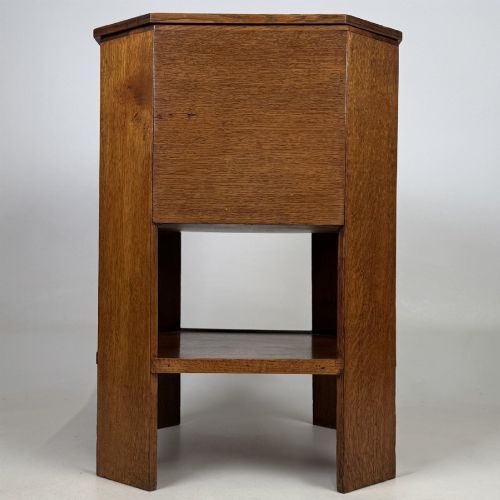
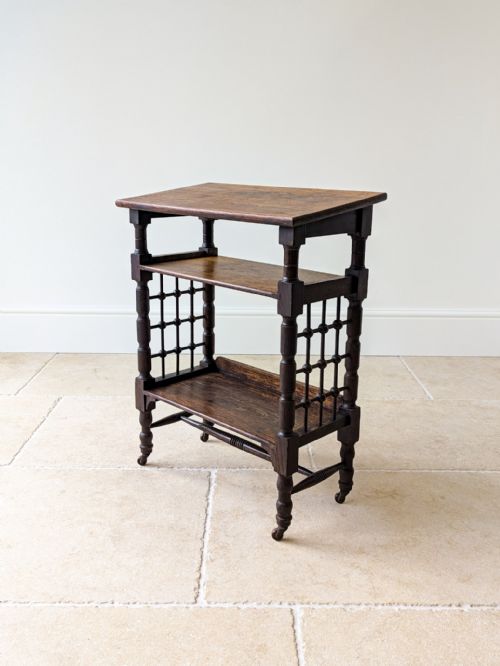
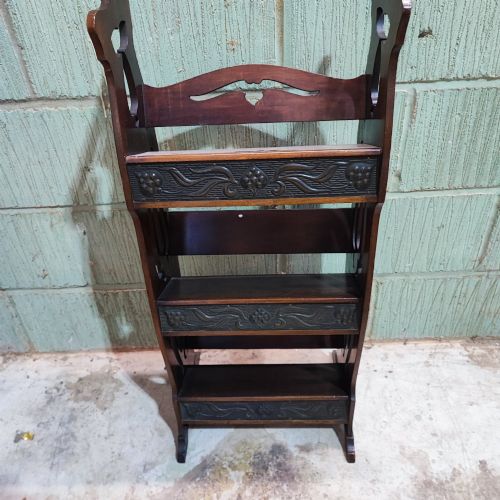
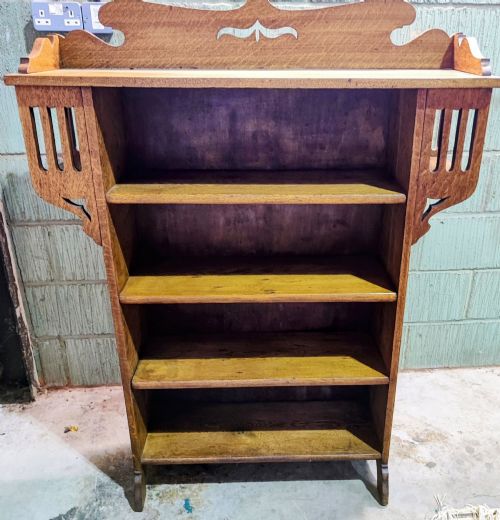
An antique craft stand covers a diverse group of domestic furnishings designed for holding books, plants, umbrellas, and luggage. The selection draws heavily from the Arts and Crafts and Art Nouveau movements, reflecting the design philosophies of the late nineteenth and early twentieth centuries.
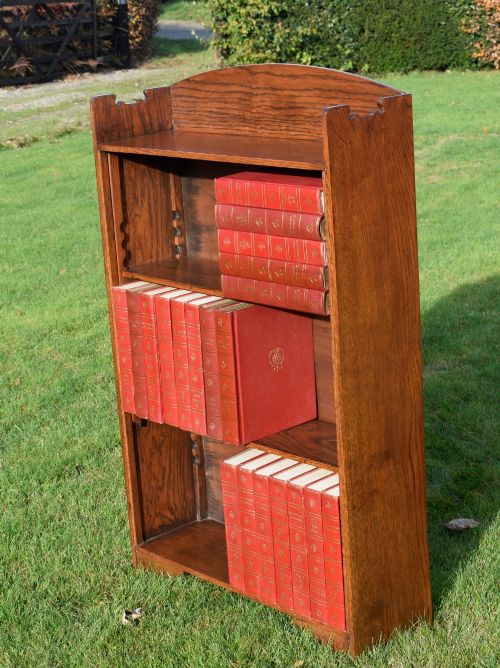
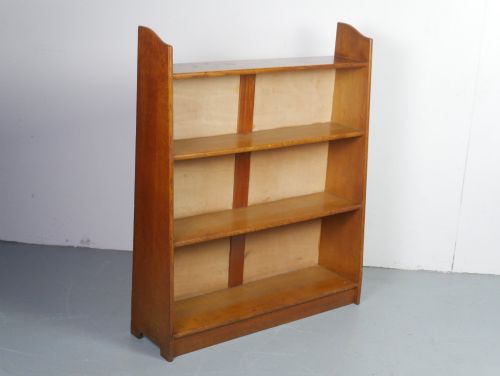
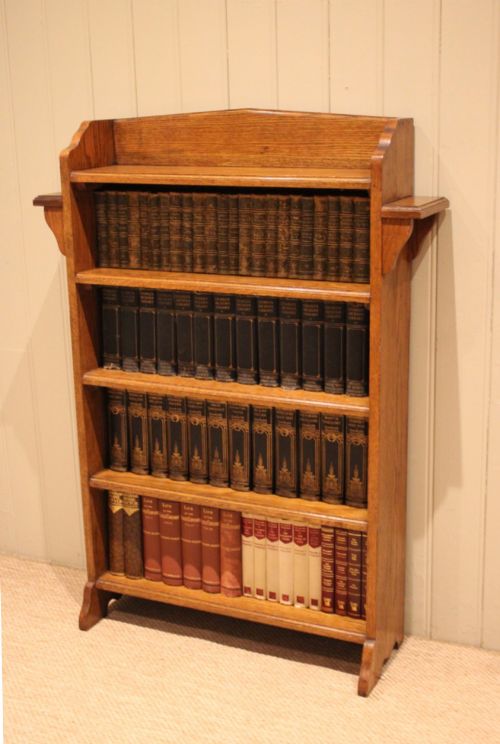
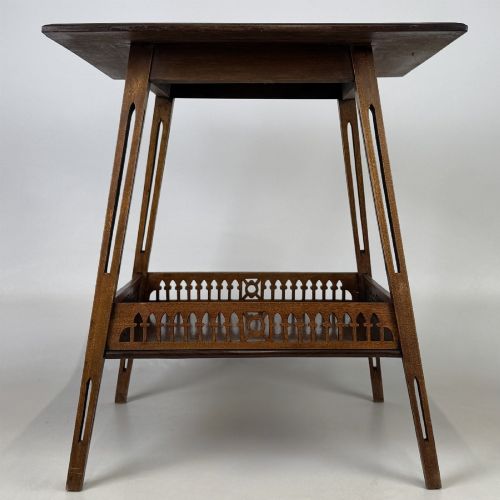
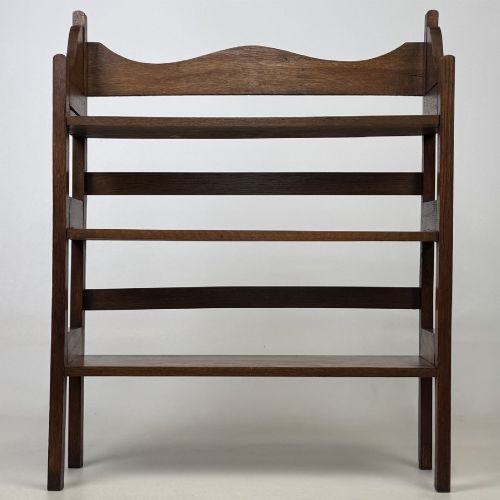
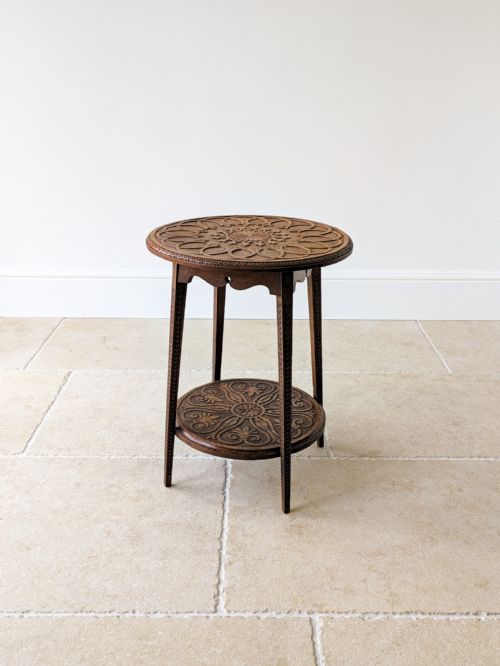
You will frequently encounter occasional tables, open bookcases, and hall stands produced during the Edwardian period and the 1920s. These items range from simple oak plant stands to elaborate umbrella stands and music cabinets intended for daily use in period homes.
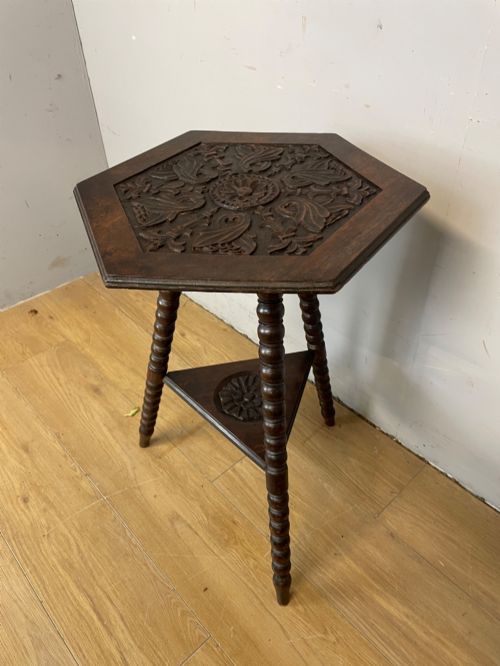
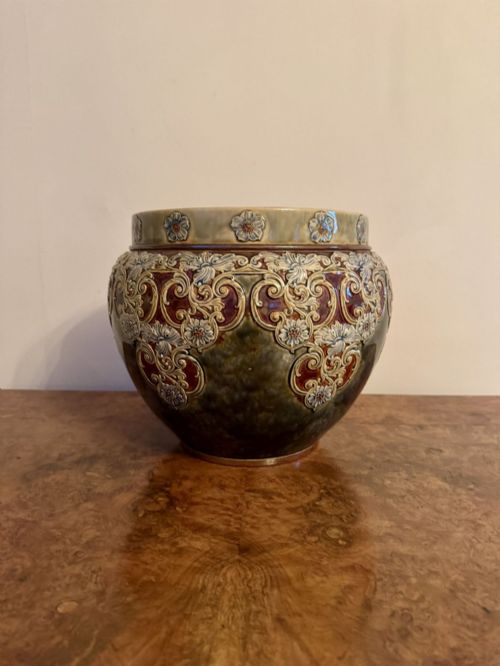
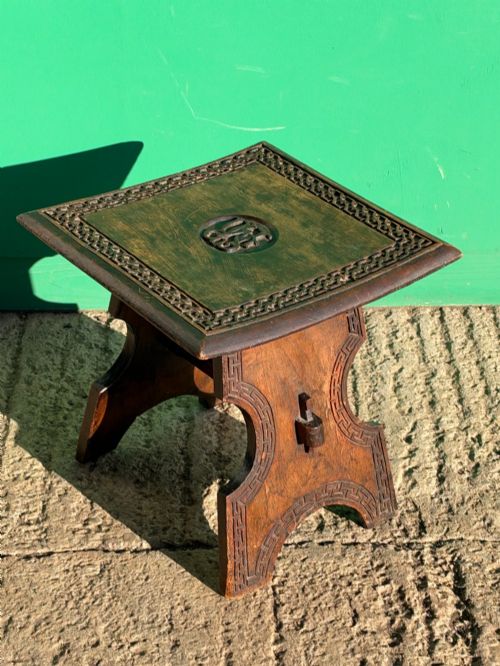
Forms include octagonal side tables, luggage racks, and floor-standing dinner gongs that demonstrate the period focus on functional yet decorative household objects. Each piece serves a defined purpose, whether displaying ceramics or storing periodicals.
How they were made
Makers relied primarily on solid oak, walnut, and mahogany, often enhanced with wood inlay, brass fittings, and pewter elements. Metalwork ranges from cast iron and brass to Tudric pewter shaped by prominent designers of the era.
Construction techniques showcase pegged joints, hand carving, and ebonised finishes applied to native and imported timbers. Tiled tabletops and exposed joinery highlight the craft-based methods championed by workshops of the period.
Antique Craft Stand Retail Price Guide 2026
Typical asking prices for craft stand among the pieces listed under this phrase on Sellingantiques today, from the lower quarter to the upper quarter. They describe what is for sale here now, not the wider market.
Listings feature oak, mahogany, walnut, pewter, and brass across the Edwardian, Victorian, and 1920s periods.
What varies in quality
Quality depends on the integrity of the timber selection and the precision of the joinery, such as pegged joints versus basic modern fasteners. Pieces featuring designated designer involvement or workshop attribution stand apart from anonymous commercial production.
The sophistication of decorative details, including hand-carved motifs, original tile inserts, and specialised metal hardware, separates standard utility furniture from exceptional examples of the period.
Liberty and Co·Finnigans·Shapland and Petter·JS Henry
The Antique Craft Stand Glossary
- Arts and Crafts
- A design movement originating in the late nineteenth century that emphasised hand craftsmanship, simple forms, and traditional materials. It rejected mass production in favour of honest construction.
- Tudric
- A brand of pewter ware manufactured by Liberty and Co during the early twentieth century. It often incorporated distinctive Art Nouveau motifs.
- Occasional table
- A small, movable table designed for a specific, intermittent use such as holding a lamp or books. These pieces were easily repositioned within a Victorian or Edwardian interior.
- Plant stand
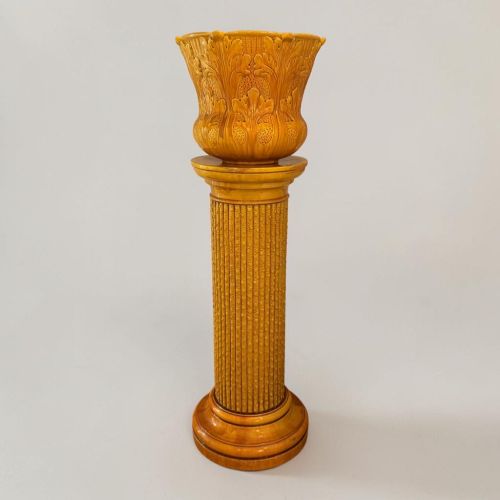
- A tall, slender piece of furniture built to elevate potted plants. They appear in octagonal and square formats using oak or mahogany.
Antique Craft Stand: Frequently Asked Questions
What defines an Arts and Crafts stand?
These items emphasise visible construction methods like pegged joints and use solid timbers such as oak, elm, or walnut.
They reject excessive ornamentation in favour of honest materials and functional utility.
How do I date an oak plant stand?
Look to the construction details, hardware, and stylistic influences such as Edwardian proportions or Art Nouveau curves.
Undated pieces often reveal their age through timber shrinkage and hand-cut joinery.
Where were umbrella stands used?
These tall stands stood in hallways and entrance lobbies to hold wet umbrellas and walking sticks.
Many incorporate metal drip trays at the base to protect wooden flooring from moisture.
Are occasional tables sturdy enough for daily use?
Solid oak and mahogany occasional tables were built for everyday domestic service in period homes.
Their robust construction handles normal weight well, provided joints remain tight and stable.