

Antique Country Drawers
Antique country drawers bring honest utility and regional character into a room, offering sturdy storage shaped by utilitarian needs.
Antique Country Drawers
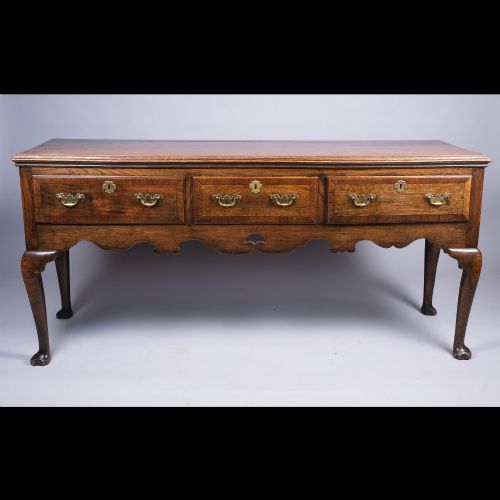
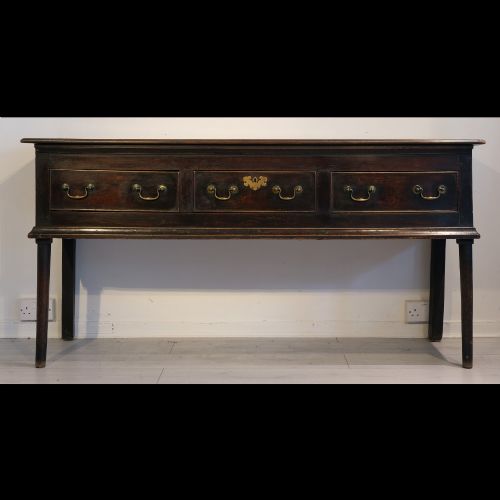
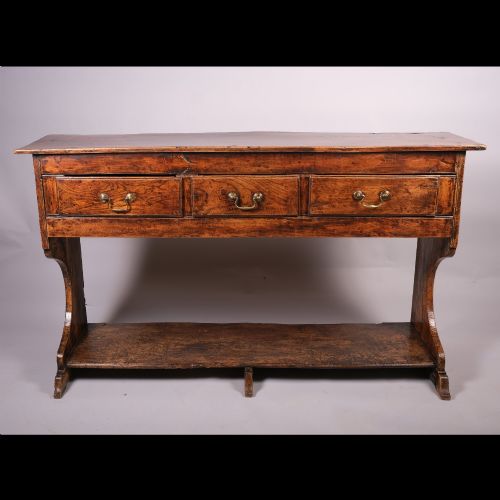
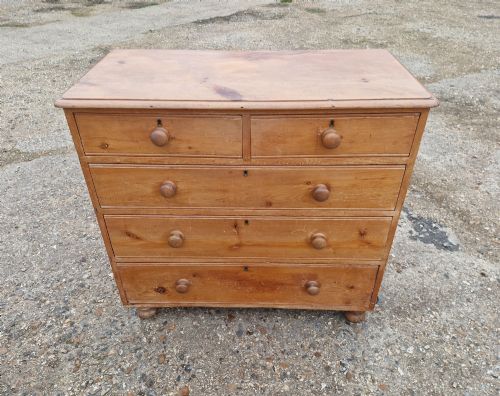
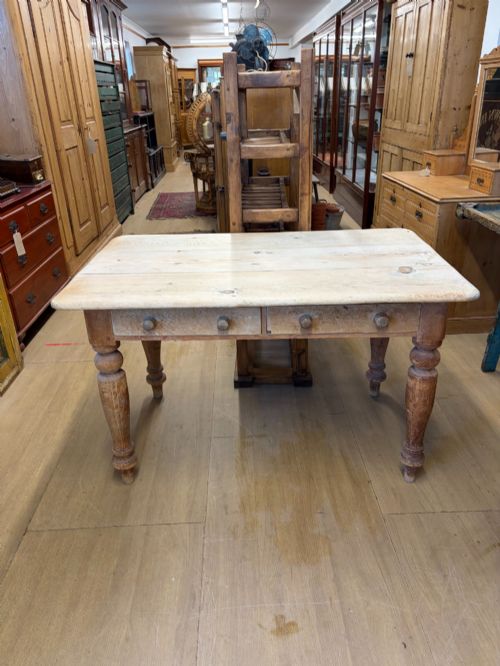
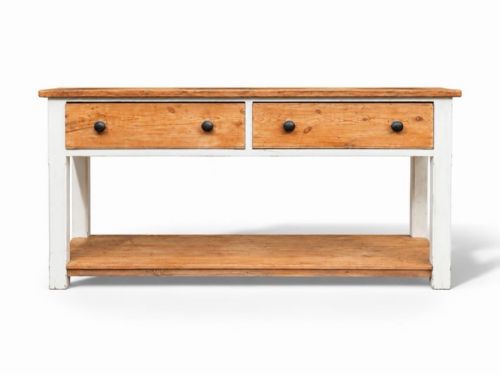
When buyers search for antique country drawers, they encounter sturdy storage pieces built for provincial homes rather than grand city residences. The selections span chest of drawers, dresser bases, and mule chests originating from domestic spaces across Britain and France.
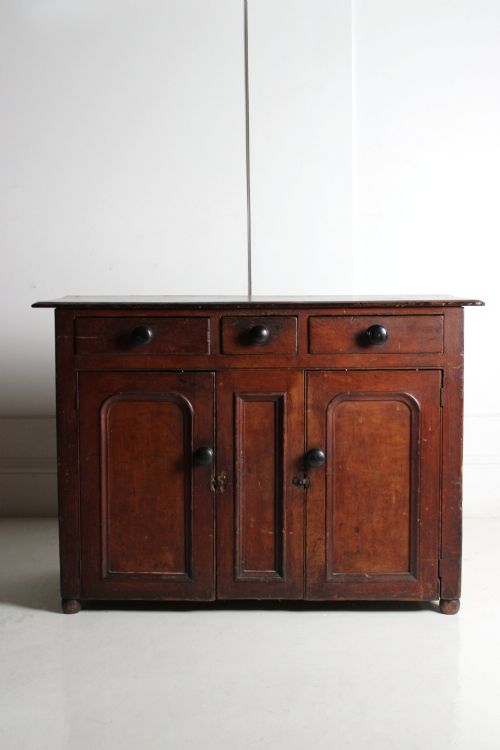
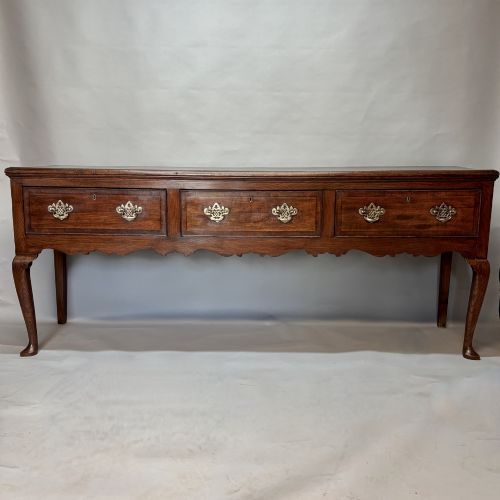
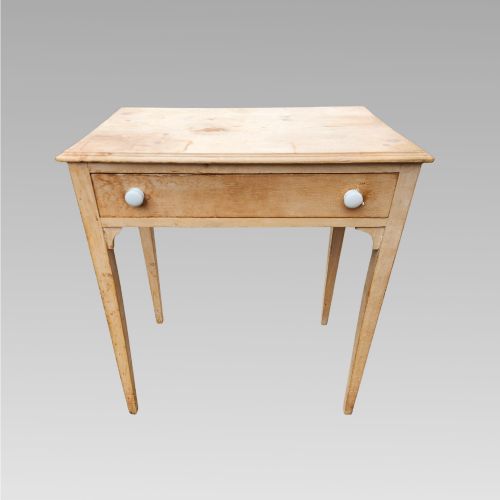
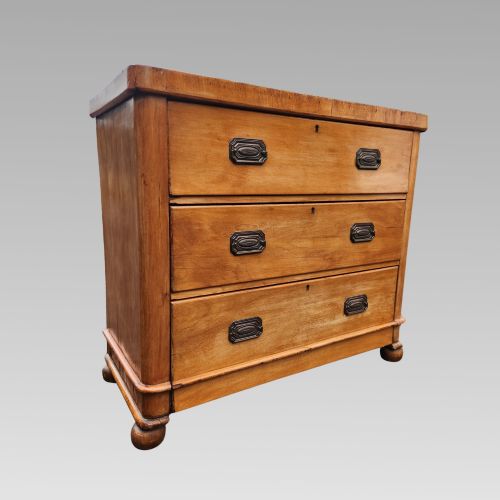
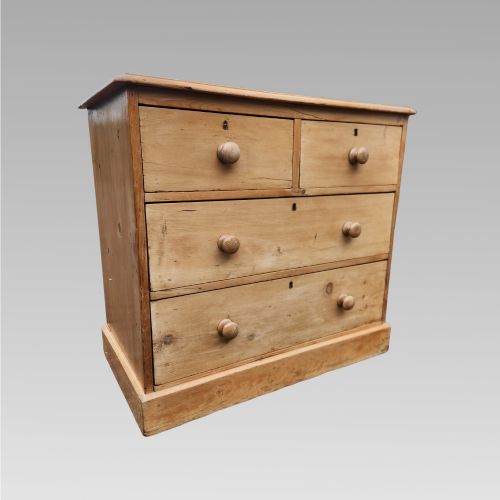
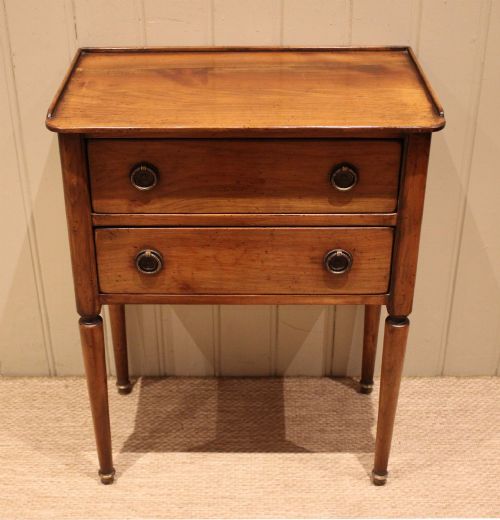
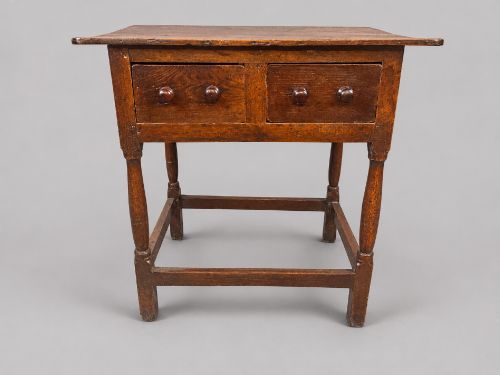
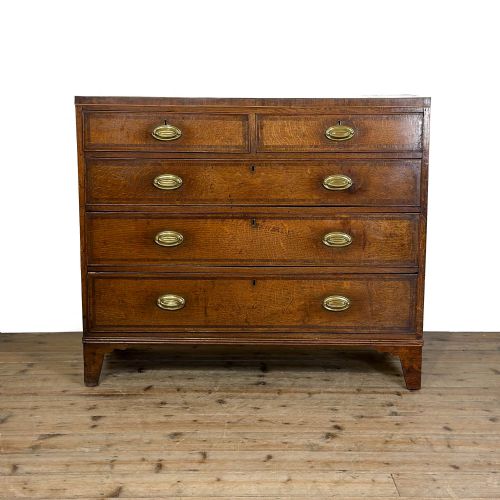
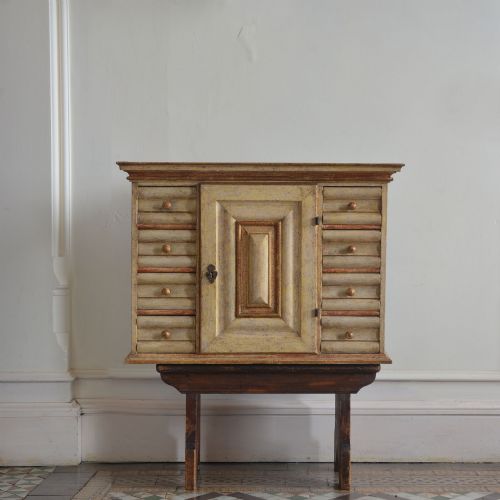
The pieces on this page appear in woods like oak, elm, pine, and walnut, often reflecting regional traditions from Georgian, Victorian, and 18th century periods. Buyers will frequently find practical timber drawer units alongside painted finishes that show years of domestic use.
Forms range from low golden oak chests to country elm designs and painted housekeeper cupboards. Each item serves as a functional storage anchor with distinct local craftsmanship rather than courtly polish.
Materials and construction methods
Cabinet makers relied on locally available timber such as sturdy oak, resilient elm, and accessible pine for carcass construction and drawer frames. These domestic woods absorbed daily knocks while providing the structural integrity needed for heavy household storage.
Surface treatments varied from waxed natural grain to original paint and bleached finishes that highlighted the timber's character. Simple brass, metal, or turned wooden knobs completed the drawer fronts, fastening securely to functional compartments.
Antique Country Drawers Retail Price Guide 2026
Typical asking prices for country drawers among the pieces listed under this phrase on Sellingantiques today, from the lower quarter to the upper quarter. They describe what is for sale here now, not the wider market.
Materials represented across the inventory include oak, elm, pine, walnut, and painted wood.
Judging the grade of country drawers
Quality rests in the integrity of the timber selection and the retention of original surfaces, such as early paint or patinated oak. Pieces that maintain their untouched regional character command greater interest from collectors than those stripped down or heavily altered.
Construction details like hand-cut dovetails, sound drawer runners, and well-fitted backs separate standard utilitarian pieces from finer provincial work. A well-preserved chest shows honest wear without compromising the overall stability of the frame.
The Antique Country Drawers Glossary
- Chest of drawers
- A primary storage furniture form featuring multiple stacked horizontal compartments for clothing or domestic goods. These units form the backbone of rural bedroom and parlour storage.
- Mule chest
- A storage chest fitted with one or more drawers at the base beneath the main lift-top compartment. This hybrid form bridges the gap between traditional blanket chests and modern drawer units.
- Dresser base
- A low sideboard or cabinet featuring surface space and lower drawers or cupboards, historically used in kitchens for food preparation and storage. They reflect the hard-working hub of the rural home.
- Salt box
- A wall-hanging or table-standing wooden container designed to keep kitchen salt dry. These functional items display clever rural carpentry on a domestic scale.
- Provincial commode
- A European chest of drawers originating from regional workshops outside major capital cities. They incorporate local timber preferences and regional decorative styles.
Antique Country Drawers: Frequently Asked Questions
What defines country drawers?
Country drawers are utilitarian storage pieces built in regional workshops using accessible local timbers like oak, elm, and pine. Their design prioritises sturdy function over courtly ornamentation.
These pieces typically show straightforward construction methods and regional quirks that reflect the daily domestic needs of rural households.
Where were these pieces used?
These drawers served practical roles in farmhouses, cottages, and provincial homes across Britain and France. They stood in kitchens, bedrooms, and halls to store textiles, provisions, and household goods.
Their robust build allowed them to withstand the heavy demands of rural family life over centuries.
How do I date these drawers?
Dating relies on examining the timber species, construction techniques such as dovetailing, and hardware styles like brass pulls or wooden knobs. Period characteristics from Georgian, Victorian, and 18th-century eras provide clear chronological markers.
Original paint layers and surface patination also offer vital clues regarding the age and working history of the piece.
How do I care for antique timber?
Protect antique country drawers by keeping them away from direct heat sources and sudden humidity changes to prevent wood splitting. Regular dusting with a soft, dry cloth preserves the aged finish without stripping natural oils.
Applying a traditional beeswax polish occasionally maintains the lustre of oak, elm, and pine surfaces.