
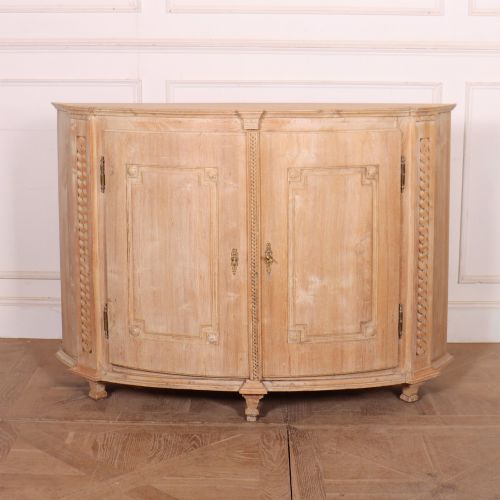
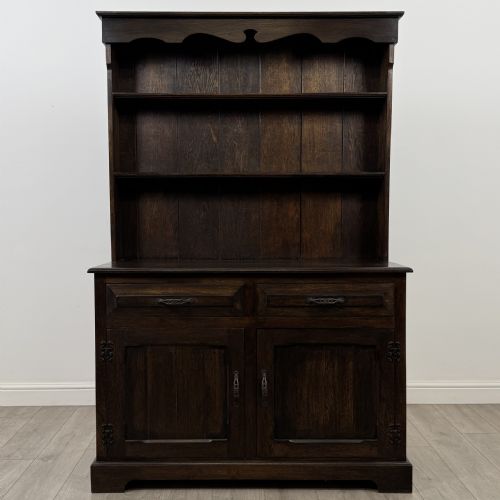
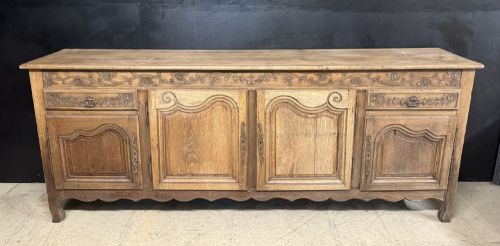
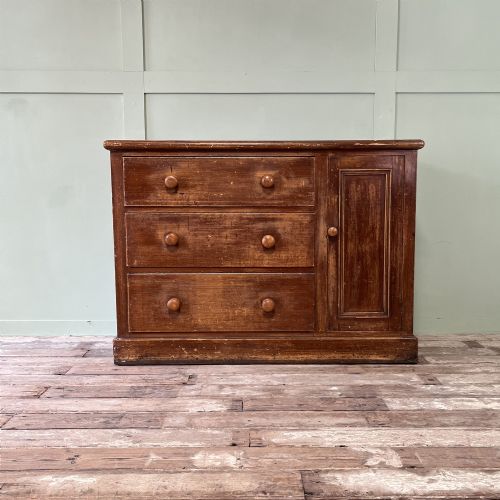
Antique Country Cupboard
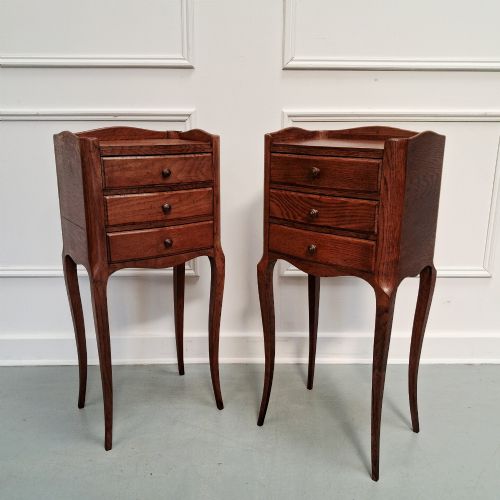
When you search for an antique country cupboard, you are looking at utilitarian storage pieces built for provincial homes in oak, pine, and fruitwood.
Antique Country Cupboard
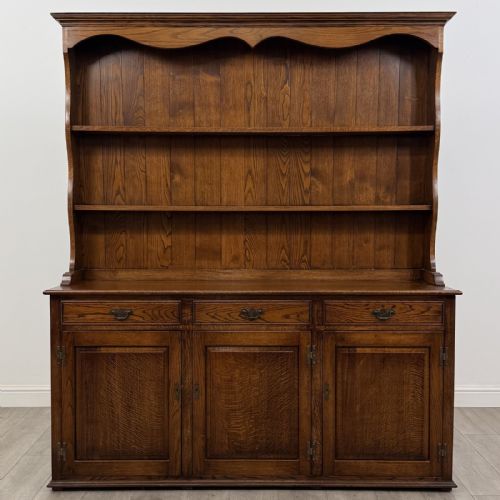
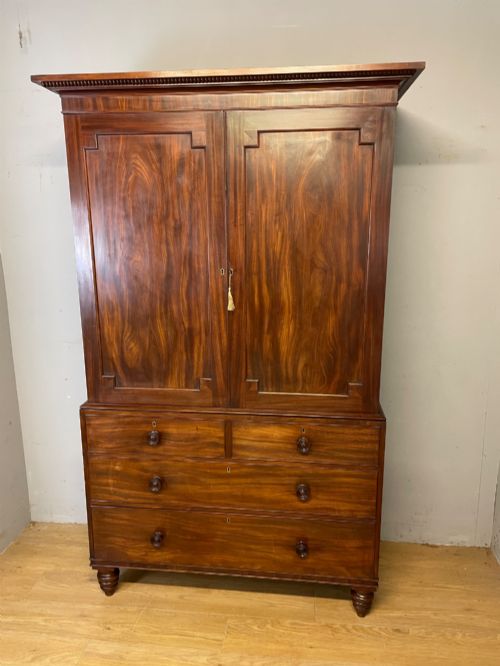
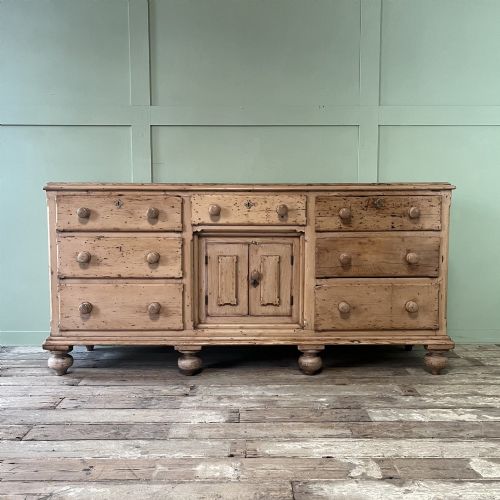
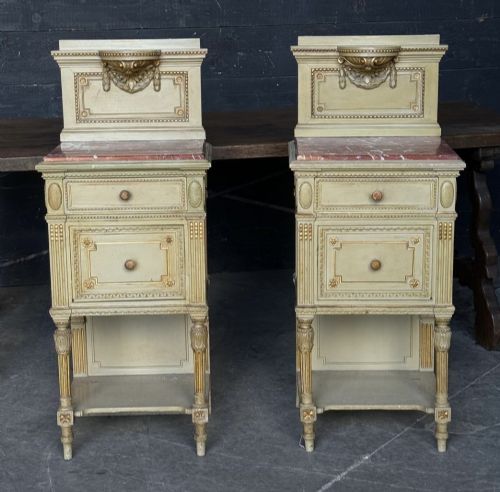
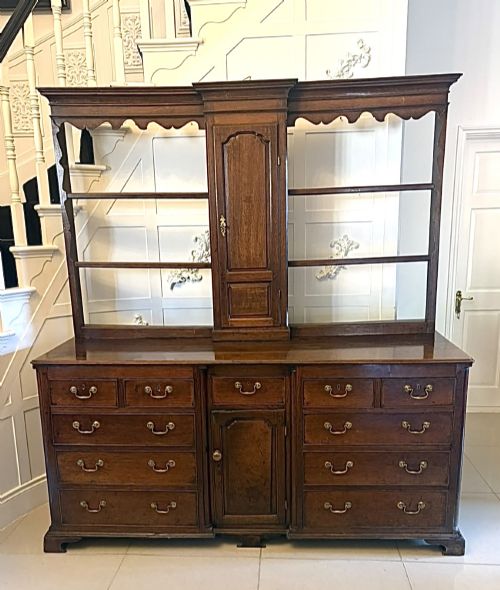
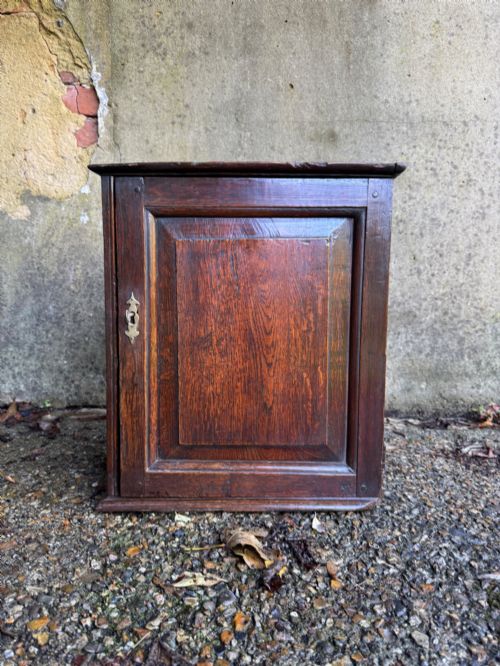
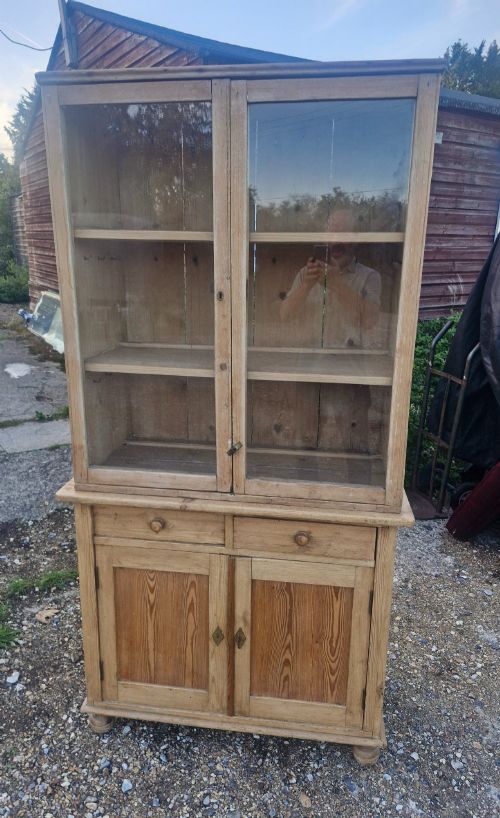
An antique country cupboard encompasses functional domestic storage furniture originating from provincial workshops and rural homes. The forms range widely across the evidence, taking shape as housekeepers cupboards, larder cupboards, linen presses, corner cabinets, and dresser bases. Oak and pine dominate the selection, spanning periods from the late seventeenth century through the Victorian era and into the early twentieth century.
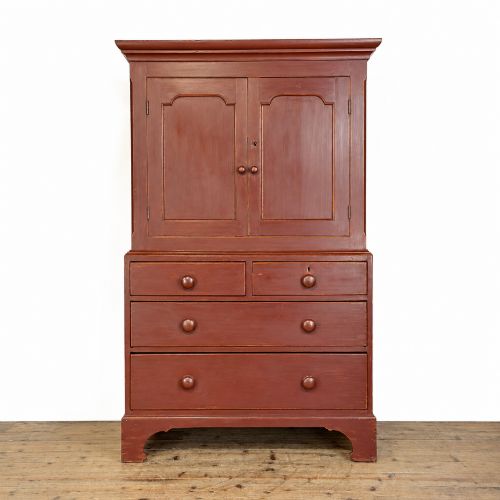
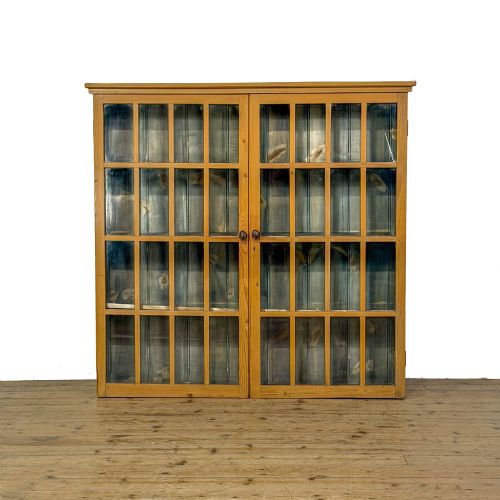
The version you are most likely to meet on this page is the nineteenth-century pine or oak kitchen cupboard. These pieces often feature glazed upper sections, panelled doors, or painted finishes that reflect regional British and French vernacular traditions. They were built for daily utility in farmhouses and country houses, prioritizing robust construction over delicate ornamentation.
How they were made
Cabinetmakers relied on solid native timbers like oak, pine, elm, and ash, often joined using traditional pegged mortise and tenon construction. Larger wardrobes and presses were frequently designed to dismantle completely using pegged frames or knockdown bolts to allow movement through narrow rural doorways.
Surfaces were finished with natural wax, polished to a warm patina, or coated in traditional paint finishes that have often weathered over centuries of use. Hardware typically consisted of iron or brass hinges and latches, forged to withstand the heavy daily opening and closing demanded by busy households.
Materials range from native oak and pine to ash, elm, and cherry, paired with iron and brass hardware.
What varies in quality
The standard of an antique country cupboard rests primarily on the integrity of its timber selection and the retention of its original surface. Pieces constructed from dense, well-figured oak or tight-grained pine with minimal later timber replacement command greater respect than those heavily modified or patched over time.
Proportion and architectural detailing set finer examples apart from plain utility pieces. Well-balanced cornices, original panelled doors, undisturbed hardware, and untouched early paint layers elevate a vernacular cabinet from a simple storage box to an exceptional survival of regional craftsmanship.
The Antique Country Cupboard Glossary
- Housekeeper's cupboard
- A large storage piece, typically featuring upper cupboards for linen or dry goods and lower drawers, designed for the management of a large domestic household.
- Court cupboard
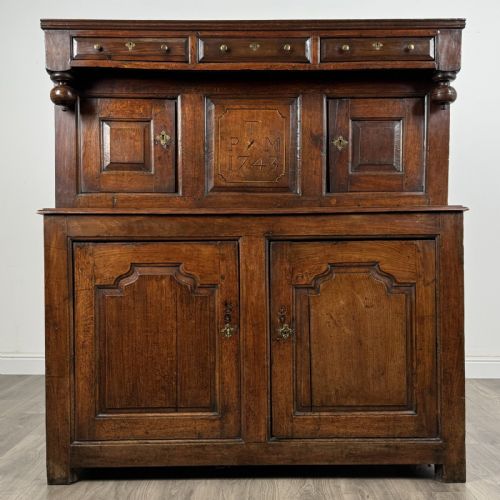
- An early two-tier wooden cupboard used for displaying plate and storing food, usually dating from the seventeenth or early eighteenth centuries and richly panelled.
- Linen press
- A tall cabinet featuring sliding trays or shelves in the upper section for storing folded textiles, paired with a chest of drawers beneath.
- Enfilade
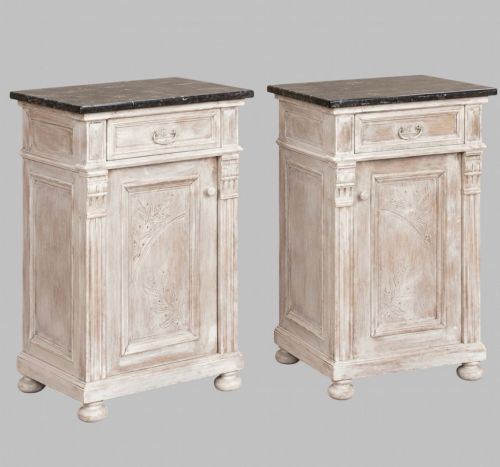
- A long sideboard or buffet featuring a sequence of three or more doors in a continuous line, originating in provincial France.
- Fielded panel
- A wooden panel with bevelled edges set into a recessed frame, designed to allow the wood to expand and contract safely with humidity changes.
Antique Country Cupboard: Frequently Asked Questions
What rooms suit an antique country cupboard?
These versatile pieces suit kitchens, dining rooms, and hallways where substantial storage and rustic character are desired. Their practical shelving and generous proportions accommodate modern kitchenware, linens, or books with ease.
Larger wardrobes and housekeepers cupboards function well in bedrooms or landings, providing deep enclosed space while serving as a striking architectural anchor for the room.
How do I care for antique pine and oak?
Maintain timber surfaces by applying a quality beeswax polish sparingly and buffing with a soft cloth to nourish the wood grain. Avoid placing cupboards near direct heat sources or in fluctuating humidity to prevent warping.
Protect painted finishes by dusting gently with a dry microfiber cloth and avoiding harsh chemical cleaners that can strip historic layers.
Did these cupboards dismantle for moving?
Many larger period cupboards and wardrobes were engineered to dismantle completely into separate sections, cornices, and bases. This practical feature allowed large pieces of furniture to be transported easily between rural properties.
Screwed panels, pegged joints, and knockdown bolts enabled country cabinetmakers to construct massive furniture that could still navigate tight staircases.
How do I distinguish regional styles?
Regional styles reveal themselves through the choice of local timber and traditional construction methods unique to an area. Welsh and Scottish pieces often employ sturdy native oak with distinct proportions, while French provincial examples favour fruitwoods or regional conifers.
Examining the internal boards, secondary woods, and regional hardware helps attribute a piece to specific English, Welsh, Scottish, or continental traditions.