
Antique Country Cabinet
An antique country cabinet brings vernacular warmth and sturdy utility to a room, offering practical storage grounded in centuries of provincial craftsmanship.
Antique Country Cabinet
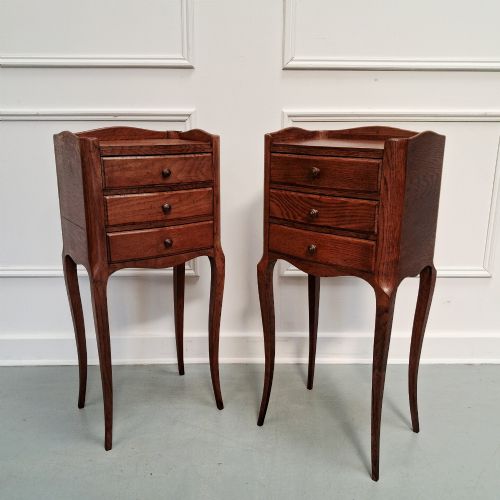
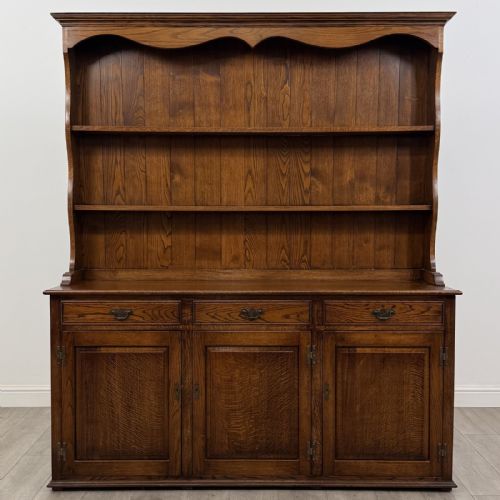
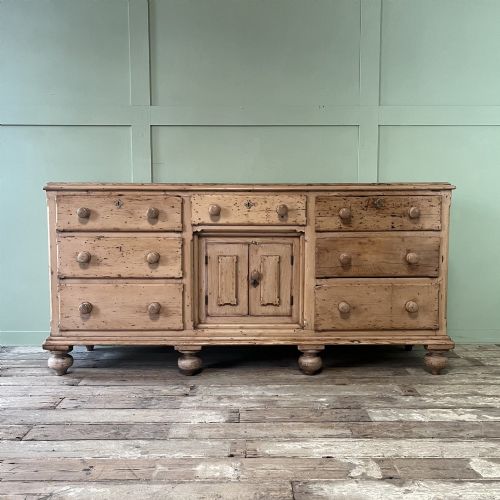
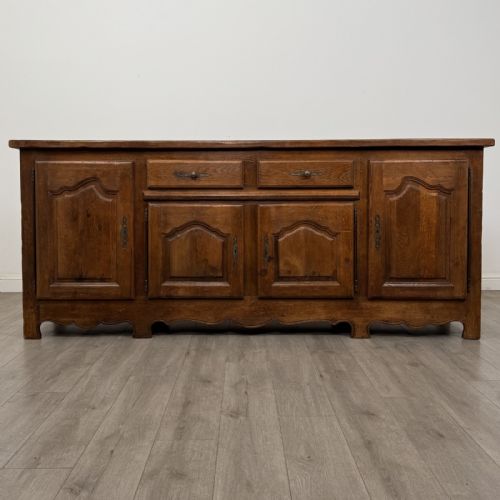
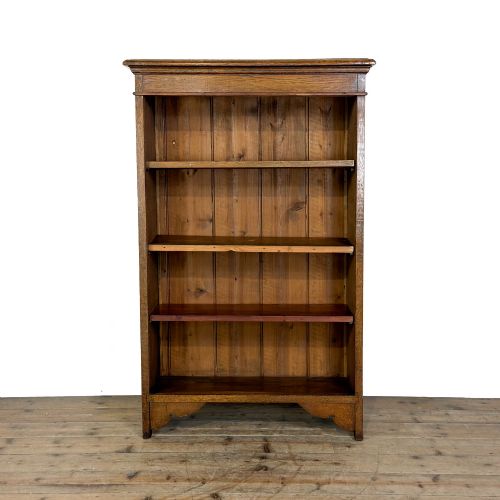
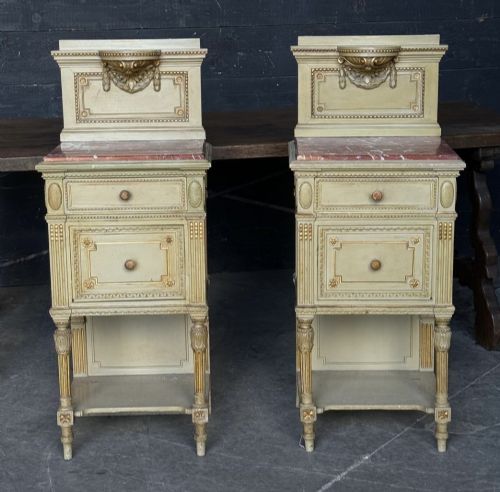
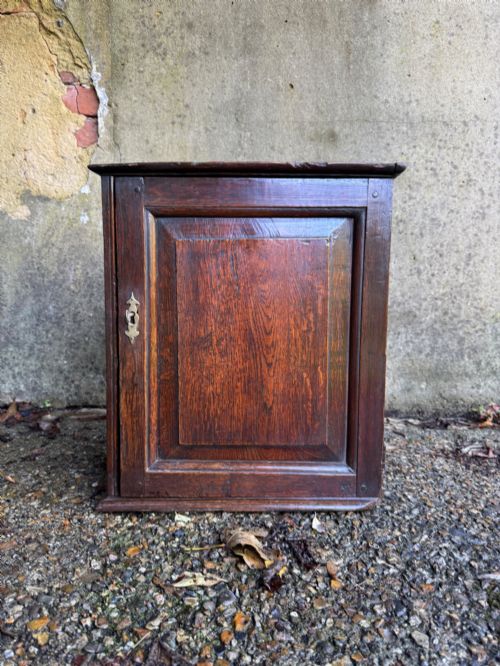
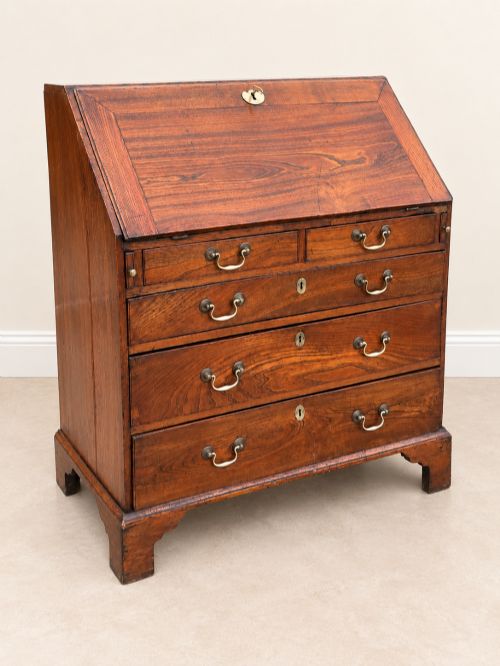
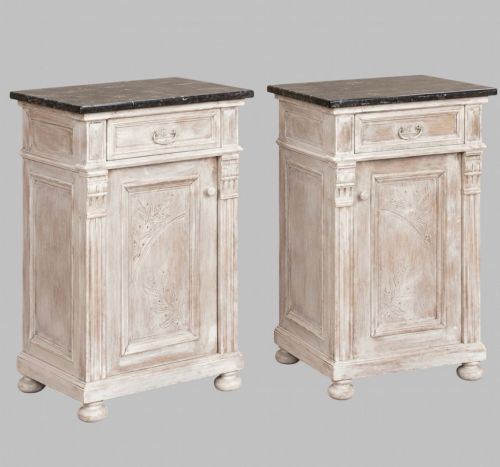
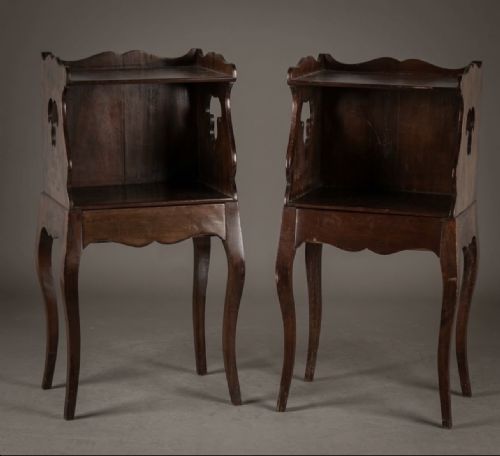
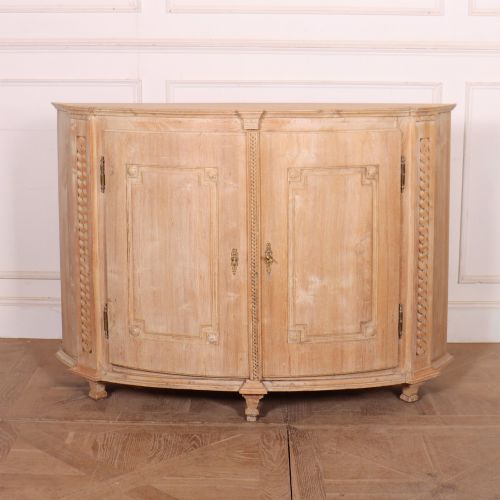
When you search for an antique country cabinet, you encounter a diverse group of functional storage furniture made for domestic use across various rural regions. These pieces range from kitchen dressers and housekeeper cupboards to bedside tables and sideboards, reflecting the daily needs of past households. The selection spans several periods, most notably the eighteenth and nineteenth centuries, alongside Edwardian and later twentieth-century examples.
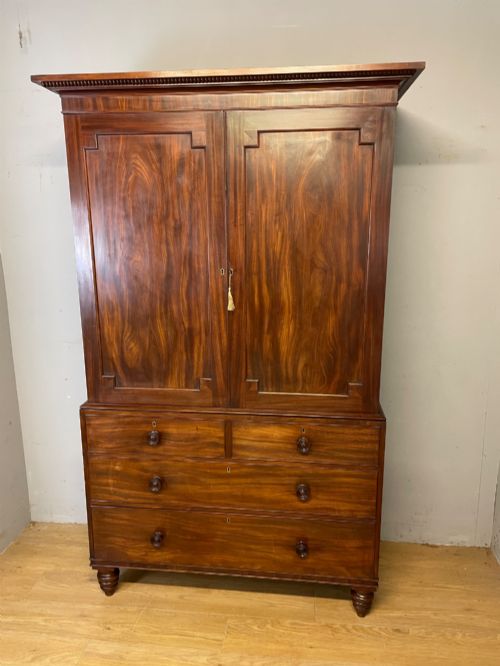
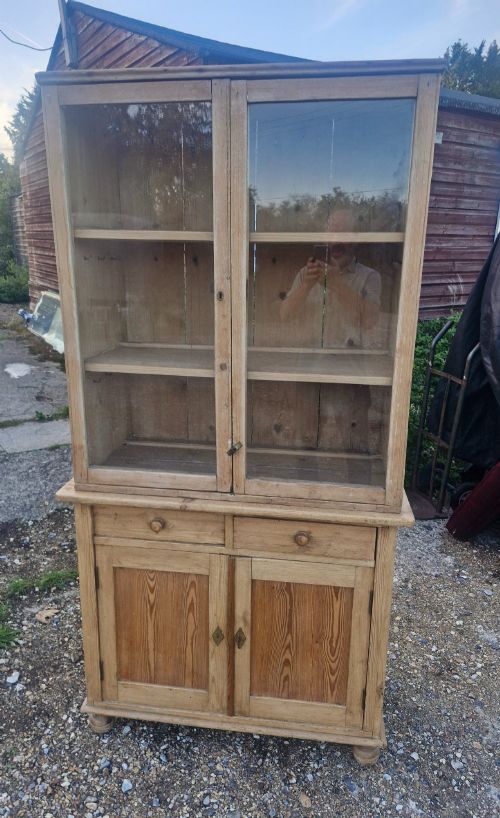
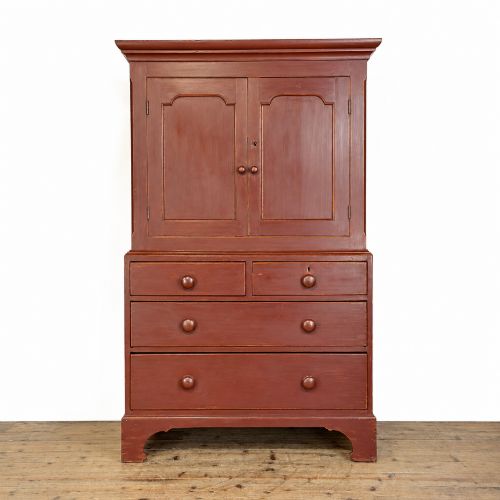
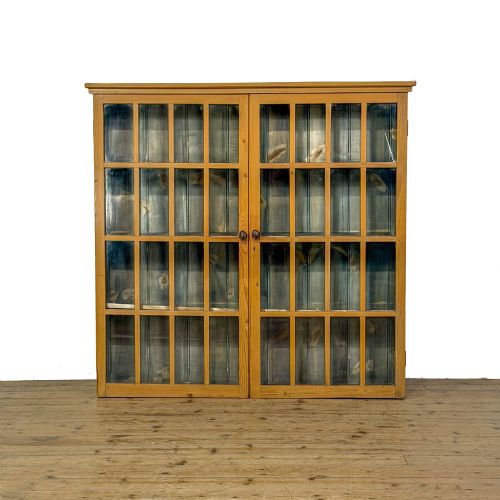
The version you are most likely to meet on this page is constructed from pine or oak, often bearing the marks of regional British, French, or Scandinavian workshops. Forms vary from two-part kitchen cupboards and glazed bookcases to low linen presses and spice cupboards. Such furniture served practical roles in farmhouses, country houses, and provincial homes, prioritising robust storage over courtly decoration.
Materials and construction methods
Makers relied primarily on solid timbers such as oak, pine, elm, and mahogany, selected for local availability and structural strength. Surfaces were frequently left untreated, waxed, painted, or stained to protect the wood while accommodating domestic tastes. Brass and iron hardware, including hinges, drop handles, and escutcheons, provided essential functional reinforcement.
Joinery techniques combined traditional framing methods with pegged joints, dovetails, and panelled construction to ensure durability. Glazed doors incorporated individual glass panes held by wooden glazing bars, while larger items like kitchen dressers and linen presses were built in modular sections for transportation and placement.
Regional styles include Welsh vernacular, French provincial, and English country pieces, ranging from compact spice cupboards to large housekeeper's cupboards.
What sets pieces apart
The standard of a piece rests heavily on the integrity of its timber and the preservation of its original surface finish, whether bare pine, historic paint, or polished oak. Untouched patination and honest signs of regional use elevate an item above one stripped harshly or subjected to unsympathetic modern alterations.
Structural honesty and the retention of original hardware, glass, and internal shelving distinguish better examples. Pieces that maintain their proportion, original backboards, and functional locks demonstrate the care of the original maker and subsequent generations.
The Antique Country Cabinet Glossary
- Deuddarn
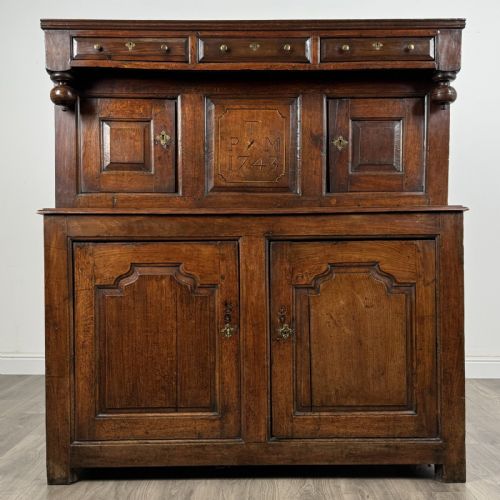
- A traditional Welsh two-tier cupboard featuring enclosed upper and lower sections, often dated to the eighteenth century or earlier. It serves as an impressive example of regional vernacular storage.
- Housekeeper's cupboard
- A large storage piece traditionally used in country houses for linens, dry goods, and household provisions. These tall cupboards often feature multiple doors and internal shelving.
- Linen press
- A tall piece of furniture designed for storing folded linen and clothing, typically combining upper sliding trays or shelves with lower drawers. Georgian and eighteenth-century examples frequently utilise flame mahogany or oak.
- Plate rack
- An open set of wooden shelves mounted above a dresser base, designed for displaying ceramic plates and platters upright. This feature is common on Welsh and English country dressers.
- Vernacular furniture
- Domestic pieces made by local craftsmen for everyday use rather than high-style urban commissions. These items utilise regional styles and locally sourced materials like pine and elm.
Antique Country Cabinet: Frequently Asked Questions
What is an antique country cabinet?
An antique country cabinet is a functional storage piece made in regional workshops during the eighteenth, nineteenth, or early twentieth centuries. These items include kitchen cupboards, dressers, and bedside tables built from timbers like pine, oak, and elm.
Such furniture reflects the practical domestic requirements of rural households rather than formal urban styles. They offer robust construction and enduring utility for modern homes.
How were country cabinets used historically?
These cabinets served essential storage functions in farmhouses, country houses, and provincial cottages. Kitchen dressers and housekeeper's cupboards held tableware, foodstuffs, and linens, while smaller bedside cabinets kept personal items close at hand.
Their robust design allowed them to withstand daily domestic labour in busy rural environments. Over time, their roles shifted as household organisation and kitchen layouts evolved.
How do I care for a painted pine cabinet?
Caring for painted pine requires dusting regularly with a soft, dry cloth and avoiding harsh chemical cleaners that might strip the historic finish. Keep the cabinet away from direct sunlight and extreme temperature fluctuations to prevent wood movement.
If the surface is waxed, applying a neutral beeswax occasionally will nourish the wood and protect the paint. Gentle handling preserves the authentic patina developed over generations.