

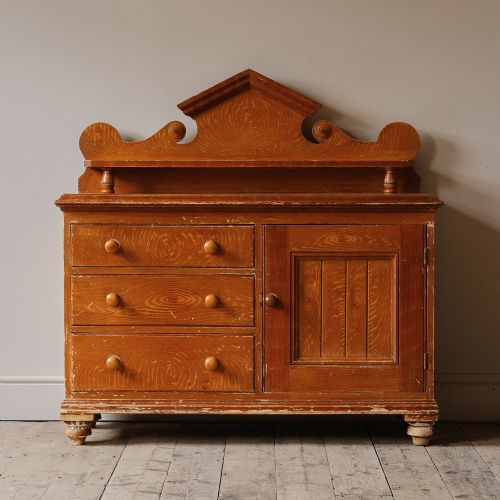
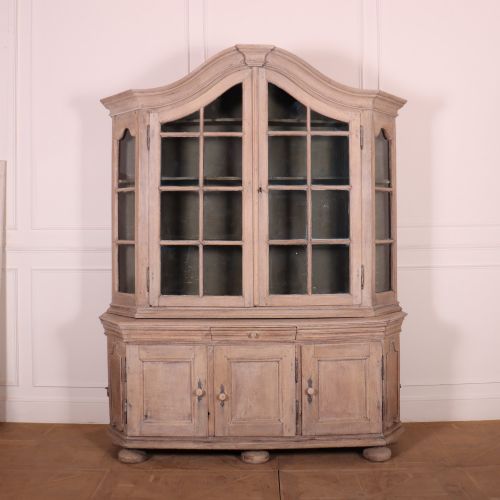
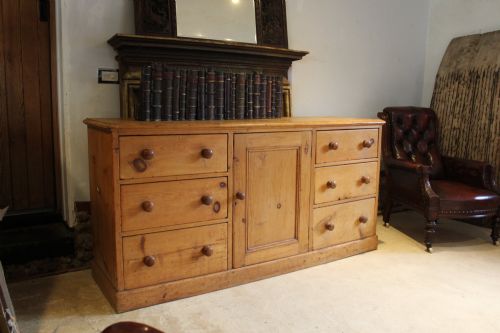
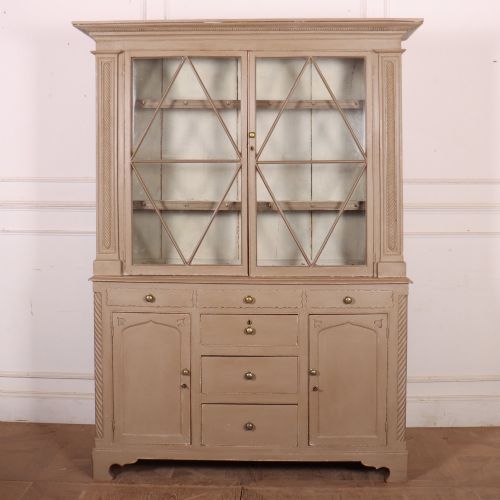
Antique Country Buffet
An antique country buffet brings utilitarian timber storage and honest regional proportion into a modern room.
Antique Country Buffet
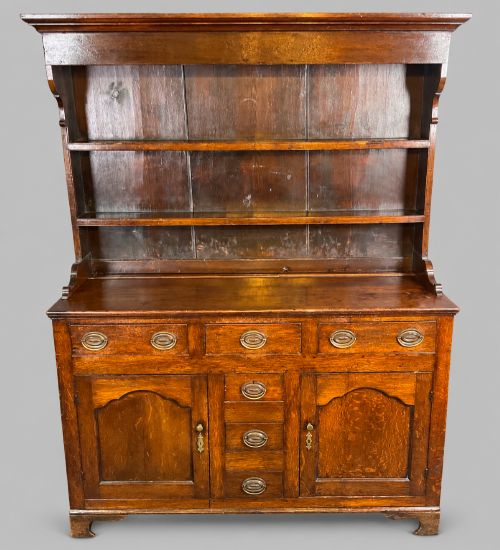
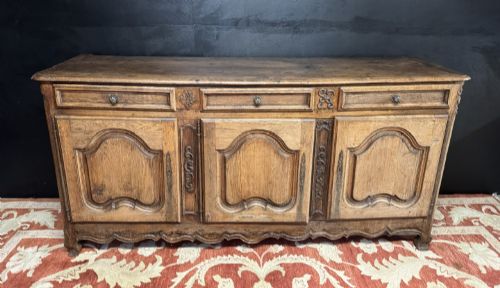
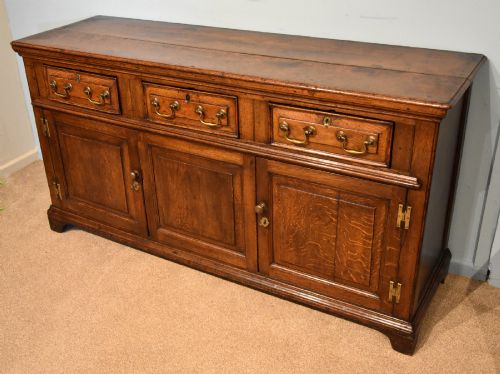
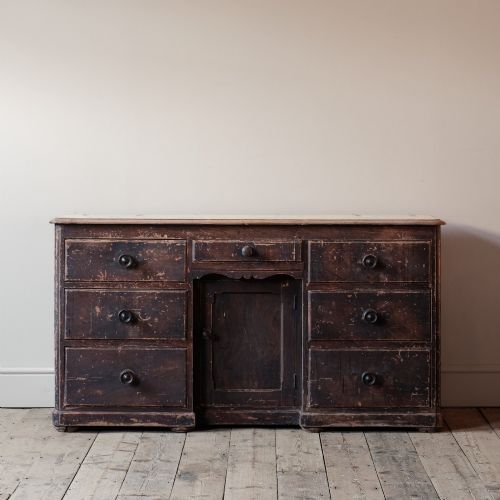
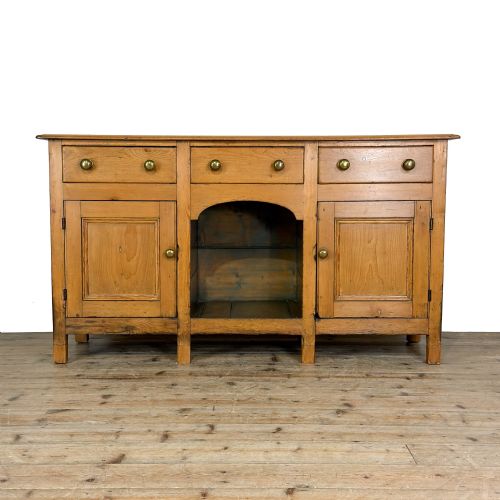
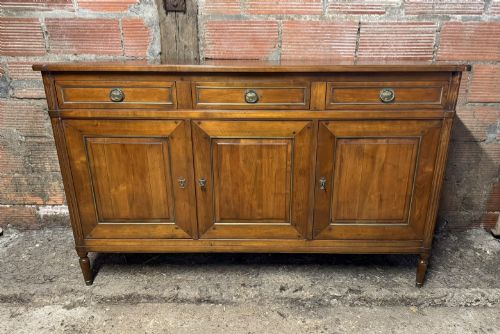
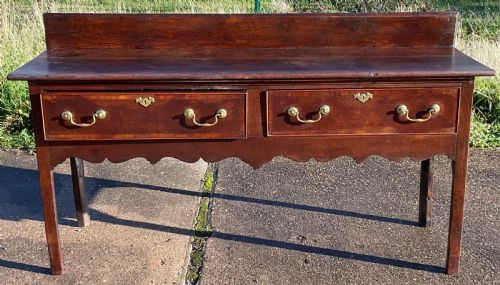
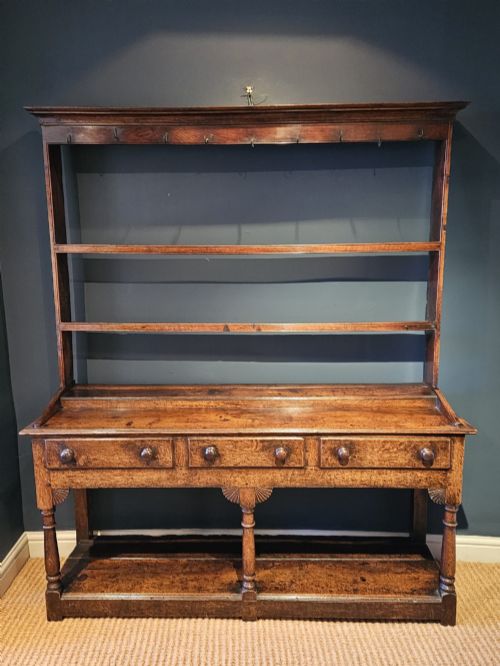
An antique country buffet encompasses sturdy timber sideboards, dresser bases, enfilades, and serving tables originating from domestic provincial workshops rather than urban cabinet-making centres.
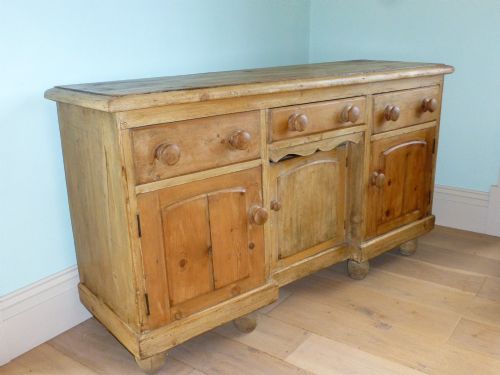
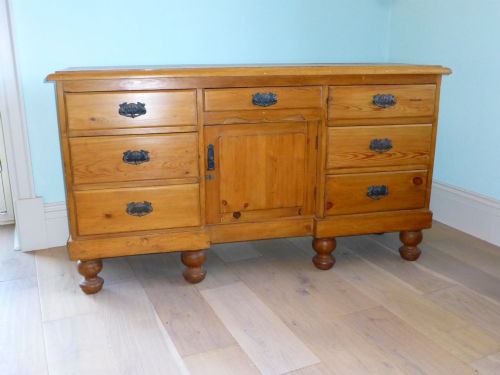
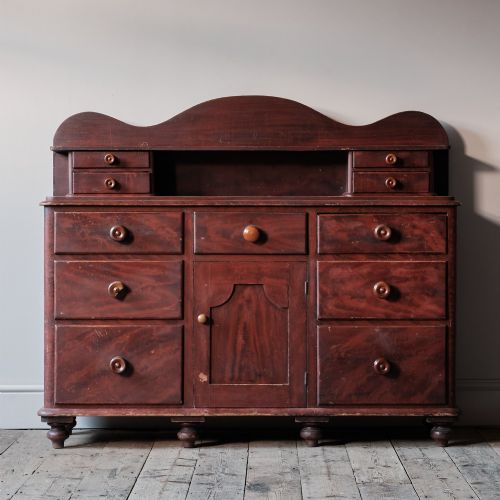
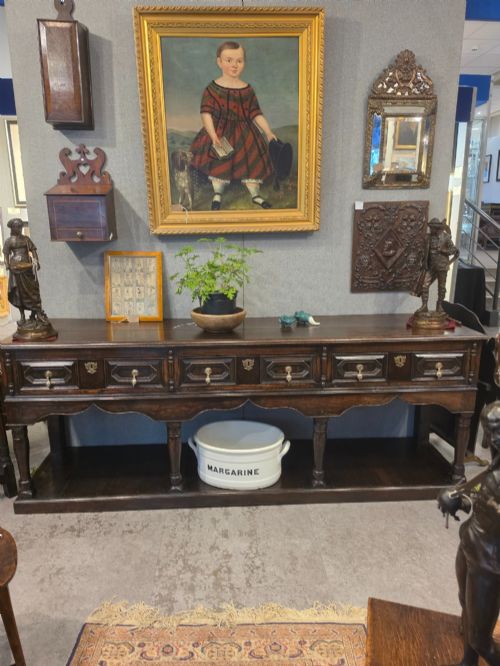
The pieces appearing on this page span the 17th, 18th, and 19th centuries, taking forms such as Georgian potboard bases, French provincial enfilades, and Victorian farmhouse pine cupboards.
Buyers seeking this phrase frequently encounter oak and pine constructions designed for practical storage in kitchens, dining rooms, and pantries.
Materials and construction
Regional joiners built these items using native hardwoods and softwoods including oak, pine, fruitwood, ash, elm, and cherry, occasionally enhanced with painted finishes.
Hardware consists of iron and brass handles, hinges, and escutcheons fitted to panelled doors, drawers, and sometimes marble tops.
Construction methods rely on traditional pegged joints, solid timber planks, and hand-planed surfaces suited to daily domestic service.
Antique Country Buffet Retail Price Guide 2026
Typical asking prices for country buffet among the pieces listed under this phrase on Sellingantiques today, from the lower quarter to the upper quarter. They describe what is for sale here now, not the wider market.
Listings feature oak, pine, fruitwood, ash, and cherry timbers across Georgian, Victorian, and earlier provincial styles.
Distinctions in quality
Quality rests upon the integrity of the timber, the retention of original surface treatments like paint or wax, and the survival of structural elements such as potboards and drawer linings.
Proportion and regional vernacular detailing separate standard utilitarian storage from pieces with pronounced architectural presence and undisturbed historical surfaces.
The Antique Country Buffet Glossary
- Dresser base
- The lower section of a kitchen dresser, functioning as a sideboard with drawers and cupboards beneath a surface top. It provided working space and storage for domestic utensils.
- Enfilade
- A long continental sideboard or buffet featuring multiple doors, commonly associated with French provincial dining rooms. It offers substantial interior shelving behind panelled timber facades.
- Potboard
- An open slatted lower shelf incorporated into the base of eighteenth-century dressers. It was designed originally for storing pots and heavy kitchen ceramics off the flagged floor.
- Court cupboard
- An antique enclosed cupboard featuring a recessed upper section supported by turned pillars. These early pieces evolved from storage chests into status display furniture.
- Deux corps
- A tall cupboard formation consisting of two distinct upper and lower cabinet bodies stacked vertically. This form maximised vertical storage in provincial European homes.
Antique Country Buffet: Frequently Asked Questions
What is a country buffet?
A country buffet is a utilitarian storage cabinet originating from provincial regions rather than fashionable city workshops. These pieces include dresser bases, sideboards, and enfilades built for daily use in kitchens and dining rooms.
They rely on regional timbers like oak and pine, prioritising honest construction and practical capacity over decorative veneer work.
How do I date an oak dresser base?
Dating relies on examining construction marks, timber choice, joinery style, and hardware. Eighteenth-century examples often feature hand-pegged joints, board backs, and regional timber variations.
Later Victorian and revival pieces display machine-sawn elements, standard ironmongery, and softer pine bodies rather than heavy native hardwoods.
Where should I place a buffet?
These low cabinets suit dining rooms, kitchens, and hallways where surface space and interior storage are required. Their shallow depth allows them to sit comfortably against walls without dominating the floor area.
Ensure timber is kept away from direct heat sources to prevent shrinkage and splitting in solid planks.
Are painted finishes original?
Original painted surfaces survive on specific continental and English provincial pieces, showing natural wear, patina, and layered historic pigment. Identifying original paint requires inspecting surface adhesion and underlying timber preparation.
Many pine and oak items were stripped or waxed during later periods, while others retain authentic early finishes.