

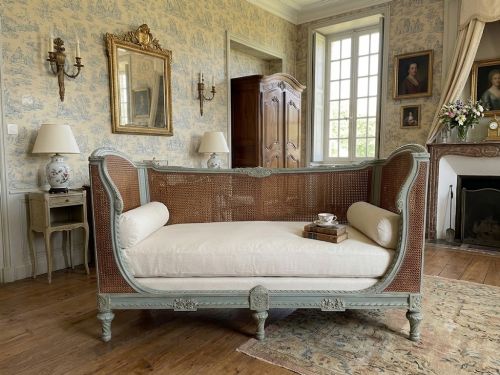


Antique Couch Painting
An antique couch painting captures the refined elegance of classic seating through the intimate lens of fine art.
Antique Couch Painting
When you search for an antique couch painting, you are looking at fine artwork depicting historic seating forms such as settees, daybeds, and canapés. These pieces often record the visual character of French Louis XVI style, Edwardian neoclassical revival, and Swedish Gustavian aesthetics.
The versions you are most likely to encounter on this page span the eighteenth, nineteenth, and early twentieth centuries. They showcase the enduring appeal of painted wood frames, gilded details, and upholstered daybeds captured by artists of the period.
How these artworks and subjects were crafted
Artists working on these paintings utilised traditional canvas supports and prepared grounds to receive oil or watercolour pigments. The physical subjects depicted within the artworks frequently relied on skilled cabinetmaking techniques such as carved beech, turned woodwork, and applied gesso.
The integration of painted and gilded wood surfaces formed a central focus for both the makers of the original furniture and the artists capturing them on canvas. Artisans applied delicate cream paint, gold leaf, and textural fabric details to create the rich visual effects seen in the paintings.
Antique Couch Painting Retail Price Guide 2026
Typical asking prices for couch painting among the pieces listed under this phrase on Sellingantiques today, from the lower quarter to the upper quarter. They describe what is for sale here now, not the wider market.
Listings feature works referencing the eighteenth, nineteenth, and early twentieth centuries alongside Edwardian and Louis XVI styles.
What separates the finest works
The primary distinction in quality lies in the artist's handling of light, shadow, and spatial depth across the painted surface. Superior examples demonstrate a confident command of brushwork that renders the texture of gilded wood and upholstered fabric with striking fidelity.
Depth of composition and the faithful recording of historic design details, such as Louis XVI carved motifs or cane webbing, elevate certain works above standard decorative pieces. The harmony of the palette and the preservation of the painted surface further define the upper tier.
The Antique Couch Painting Glossary
- Canapé
- An antique French upholstered sofa or settee, frequently depicted in fine art with exposed carved wooden framing. These pieces often reflect neoclassical design principles.
- Gustavian
- A Swedish aesthetic characterised by light-painted finishes, simplified neoclassical lines, and restrained ornamentation, popular in Scandinavian art and furniture.
- Giltwood
- Timber that has been coated with a thin layer of gold leaf or powder, providing a luminous quality that painters frequently sought to capture.
- Daybed
- A long seating unit designed for reclining, combining the functions of a chair and a bed within historic interior scenes.
Antique Couch Painting: Frequently Asked Questions
What periods do these paintings date from?
The works represented here span from the eighteenth century through to the early twentieth century, reflecting various historical revivals.
Artists during these periods captured classic seating styles that ranged from Swedish Gustavian simplicity to ornate French gilt designs.
How do I identify a Louis XVI style painting?
Louis XVI style works typically feature straight fluted legs, symmetrical neoclassical ornamentation, and restrained rectilinear framing.
The painted or gilded woodwork depicted in these pieces emphasises classical restraint rather than the exuberant curves of earlier rococo designs.
Where should I hang an antique couch painting?
These artworks suit traditional living spaces, studies, or bedrooms where historic fine art can complement classic interior furnishings.
Placing them above a matching settee or antique seating piece creates a cohesive visual dialogue within the room.
What materials are commonly visible in these artworks?
The paintings frequently depict beech frames, cane webbing, and gilded or cream-painted wood surfaces rendered through oil or watercolour.
The depicted upholstery often includes traditional textiles such as linen and patterned fabric.