



Antique Couch and Chairs
These antique couch and chairs selections span the nineteenth century and offer classic seating forms for traditional interiors.
Antique Couch and Chairs
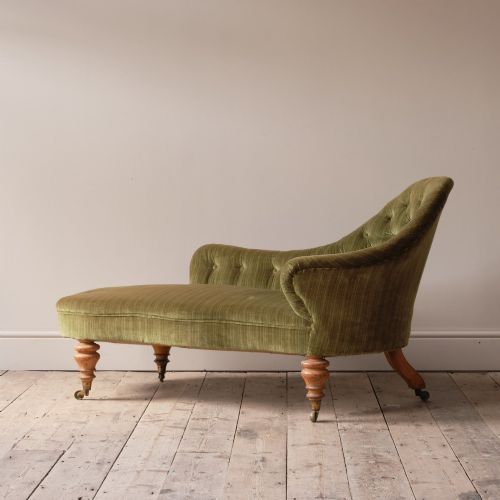
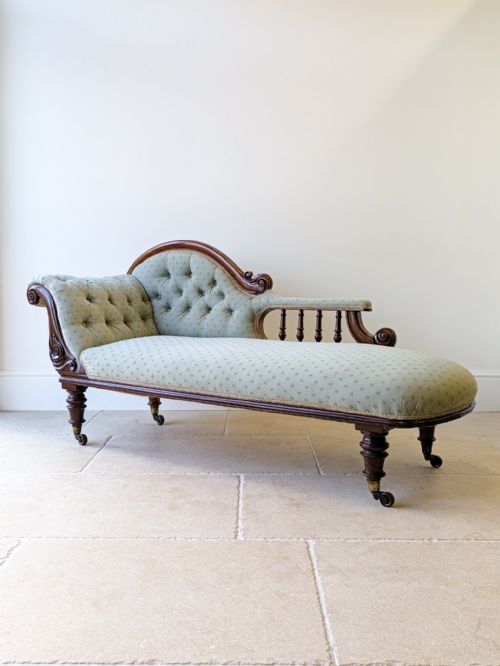
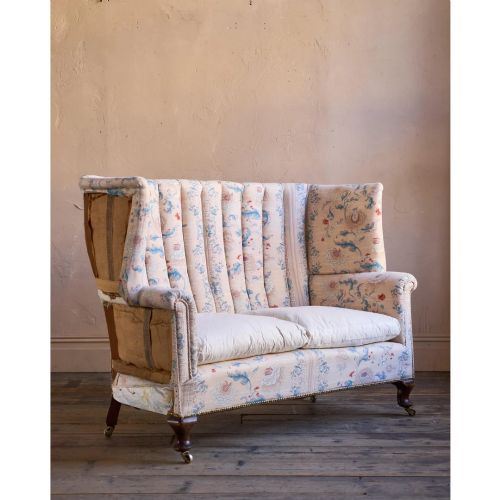
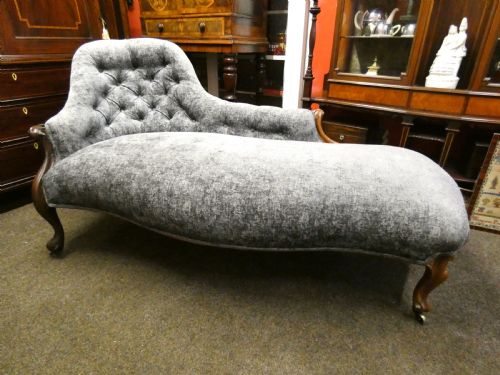
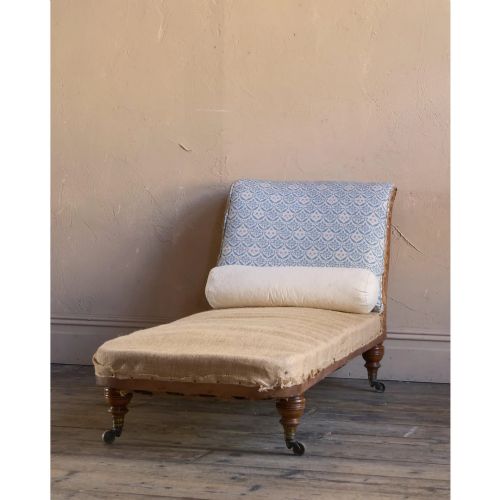
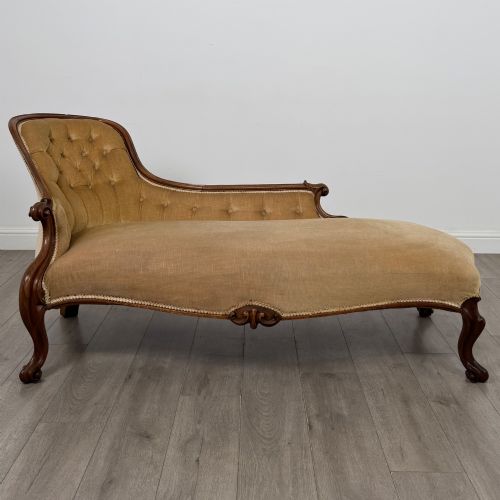
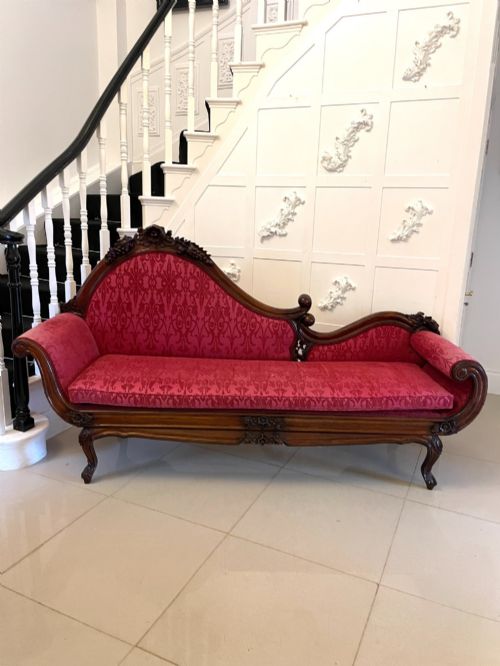
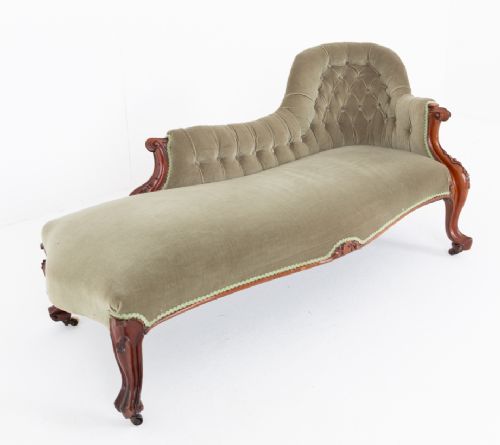
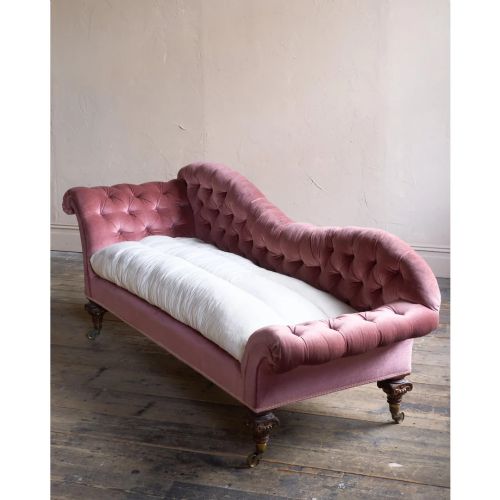
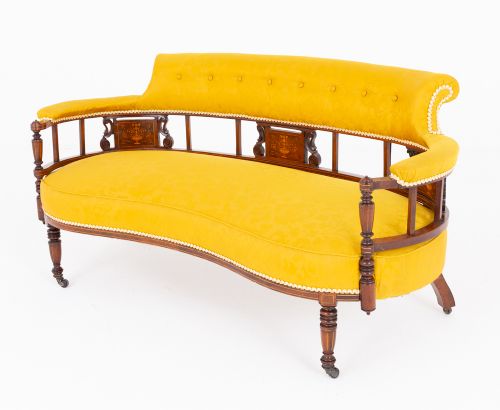
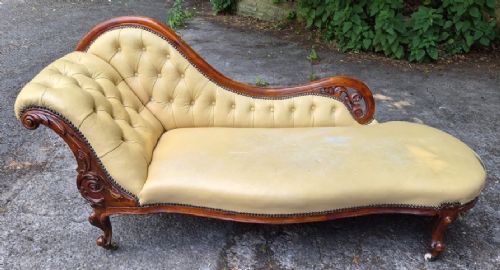
When you search for an antique couch and chairs, you encounter a variety of nineteenth century seating options including settees, daybeds, and chaise longues. Victorian walnut and mahogany pieces dominate the offerings, often featuring button back upholstery.
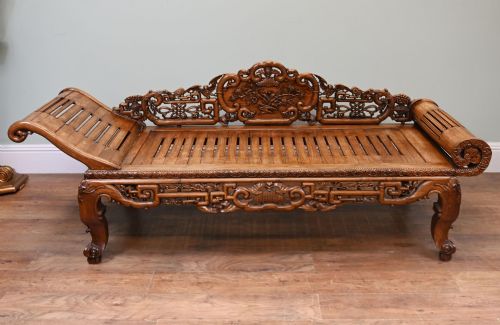
Makers such as Howard and Sons and Holland and Sons appear alongside Regency rosewood models and Chinese hardwood opium benches. The inventory covers specific styles from the Victorian era, Edwardian period, and Regency design eras.
The assortment ranges from large country house daybeds to small Swedish Empire birch sofas and complete suites. Rosewood, mahogany, and walnut form the primary wooden structures for these historical seating arrangements.
How they were made
Construction relies heavily on hardwoods like mahogany, walnut, and rosewood, sometimes shaped into carved frames or ionic column legs. Upholstered elements utilise traditional materials including deep pile brocade, velvet, fabric, and blue damask.
Makers employed techniques such as button back cushioning and sprung settee bases to ensure structural comfort. Gilt decoration and hand carving appear on specific frames from the nineteenth century.
Antique Couch and Chairs Retail Price Guide 2026
Typical asking prices for couch and chairs among the pieces listed under this phrase on Sellingantiques today, from the lower quarter to the upper quarter. They describe what is for sale here now, not the wider market.
An opium bench from the Qing Dynasty shares space with Victorian chaises, proving that historical lounging took many global forms.
What varies in quality
The standard of timber selection and the precision of hand carving separate ordinary items from finer examples. Mahogany and rosewood frames exhibit varying depths of detail in their moulded elements and scroll ends.
Upholstery execution, from buttoning alignment to fabric choice such as silk damask or velvet, influences the finished character. Maker attribution to notable workshops like Howard and Sons or Holland and Sons affects the standing of a piece.
Howard and Sons·Holland and Sons·Jas Shoolbred
The Antique Couch and Chairs Glossary
- Chaise Longue
- An elongated chair for reclining, typically featuring one raised armrest and a backrest that runs partially down the length.
- Settee
- A medium sized upholstered seat with a back and arms, designed for two or more people.
- Daybed
- A couch that can be used for lounging or sleeping, often constructed with a single raised end.
- Button Back
- An upholstery technique where buttons are pulled deep into the padding to create a uniform pattern of diamonds or squares.
- Brocade
- A class of richly decorative shuttle woven fabrics, often made with coloured silks and sometimes with gold or silver threads.
Antique Couch and Chairs: Frequently Asked Questions
What is a chaise longue?
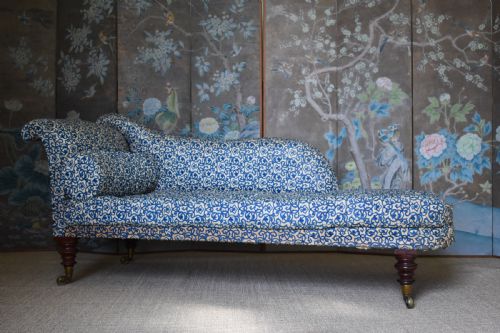
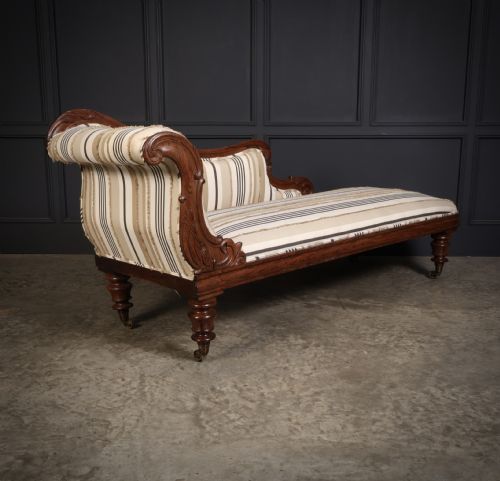
A chaise longue is an upholstered sofa shaped like a chair that is long enough to support the legs. It functions primarily as a resting place for reading or relaxation during the day.
Originating in France, these pieces became popular in British drawing rooms during the nineteenth century. They combine the backrest of a sofa with the extended seat of a daybed.
How do I identify a Victorian sofa?
Victorian sofas generally feature dark woods like walnut or mahogany, substantial carved frames, and deep buttoned upholstery. Their silhouettes reflect revival styles including Rococo and Chippendale influences.
Many examples include serpentine fronts and scroll carved arm supports. The proportions are typically generous to suit the formal entertaining spaces of the nineteenth century.
Where should I place an antique settee?
An antique settee fits well in a living room, large hallway, or at the foot of a master bed. Its compact length allows it to sit comfortably against walls where a full sized sofa might overwhelm the space.
Positioning a settee opposite a fireplace or beneath a large window highlights its decorative back and carved wooden frame. Pairing it with matching armchairs completes a traditional seating arrangement.
What distinguishes Regency seating?
Regency seating draws inspiration from classical antiquity, featuring clean lines, sabre legs, and rosewood veneers. Brass inlay and gilt bronze mounts frequently decorate the timber surfaces.
These pieces often display a lighter, more restrained elegance than heavy Victorian equivalents. Rosewood and mahogany remain the dominant woods of the period.