



Antique Corridor Furniture
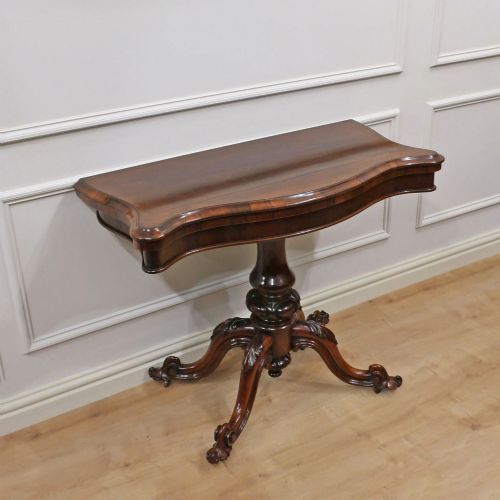
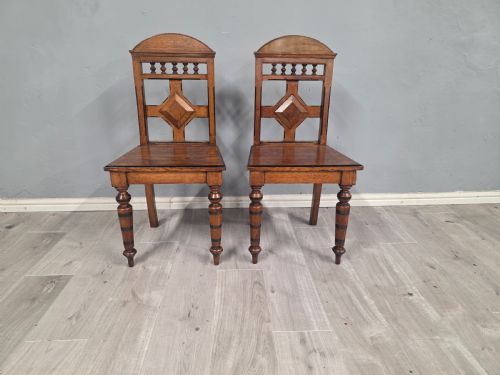
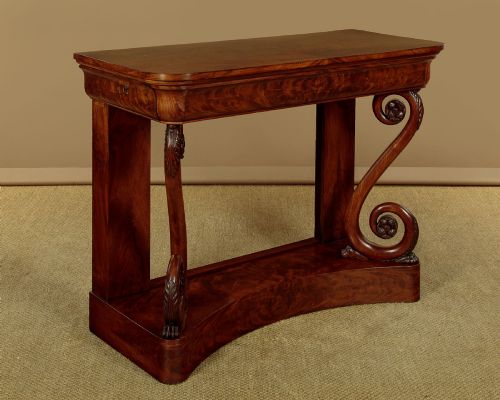
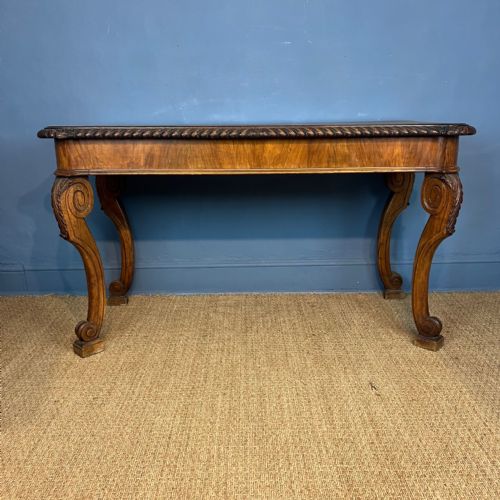
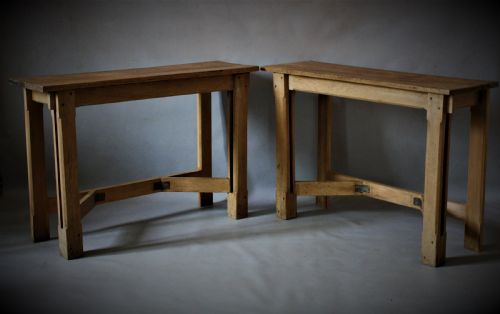
Antique corridor furniture brings stately presence to narrow hallways through narrow console tables and imposing timber hall chairs.
Antique Corridor Furniture
When you search for antique corridor furniture, you are looking at practical pieces designed for passageways and reception spaces, primarily consisting of console tables, side tables, and hall benches.
The versions you are most likely to meet on this page span the 18th century, Regency, and Victorian periods, alongside later 19th-century interpretations in mahogany and oak.
Makers and workshops such as James Shoolbred and Gillows shaped these forms, utilising robust hardwoods to create narrow profiles suited to circulation spaces.
How they were made
Craftsmen shaped these hallway pieces using dense timbers like mahogany, oak, walnut, and rosewood, often applying flame mahogany veneer for decorative surface grain.
Structural embellishments relied on carved details and brass fittings, while painted beech variants offered alternative finishes during later periods.
Antique Corridor Furniture Retail Price Guide 2026
Typical asking prices for corridor furniture among the pieces listed under this phrase on Sellingantiques today, from the lower quarter to the upper quarter. They describe what is for sale here now, not the wider market.
Listings span from the 18th century through the Victorian era, featuring mahogany, oak, rosewood, and pine.
What varies in quality
Quality reveals itself in the crispness of the carved details and the selection of timber veneers, distinguishing standard utility pieces from high-status commissions.
Proportions also dictate distinction, as narrow console tables and matched pairs of hall chairs demonstrate superior design balance for transitional spaces.
James Shoolbred and Co.·Gillows
The Antique Corridor Furniture Glossary
- Console table
- A table fixed against a wall, frequently supported by ornamental consoles or legs, designed specifically for narrow spaces like hallways and corridors.
- Hall bench
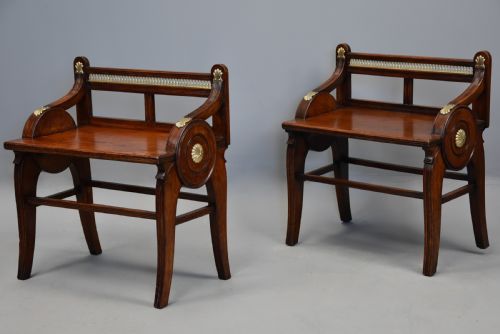
- A wooden seat intended for passageways, often featuring a solid back and constructed from robust timber such as oak or mahogany.
- Shield back
- A chair back shaped in the outline of a heraldic shield, popular in Georgian seating design.
- Flame mahogany veneer
- A thin slice of mahogany timber displaying a distinct undulating flame-like grain pattern, applied to primary surfaces for visual depth.
Antique Corridor Furniture: Frequently Asked Questions
What is antique corridor furniture?
Antique corridor furniture comprises specialist items built for hallways and entryways, including console tables, side tables, and hall benches.
These pieces were constructed in narrow depths to fit transitional architectural spaces without blocking movement.
How were hallway chairs used?
Hall chairs served as functional seating for visitors waiting in reception areas and entry spaces.
They were typically rigid and upright, often displaying carved family crests or decorative timber backs rather than prioritizing plush comfort.
What woods were used?
Cabinetmakers utilised durable hardwoods such as mahogany, oak, walnut, and rosewood to withstand heavy hallway traffic.
Flame mahogany veneer and painted beech also appear across different eras to provide specific visual finishes.
How do I style a console table?
A narrow console table sits flat against a hallway wall, providing a surface for lighting, trays, or decorative objects.
Its shallow profile makes it ideal for narrow passages where floor space remains at a premium.