



Antique Copper Sconces
These antique copper sconces bring warmth and character to walls, combining functional illumination with enduring tactile appeal.
Antique Copper Sconces
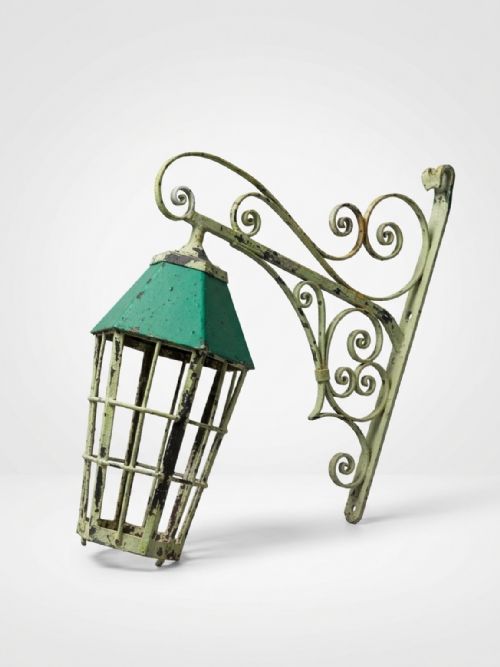
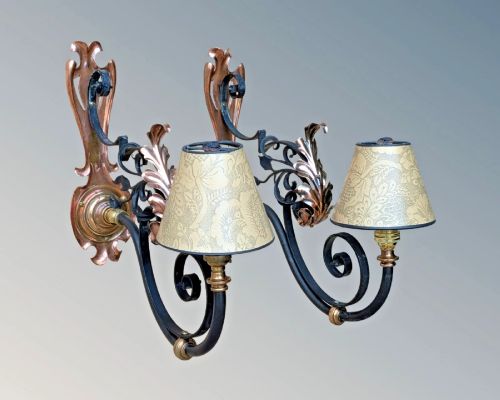
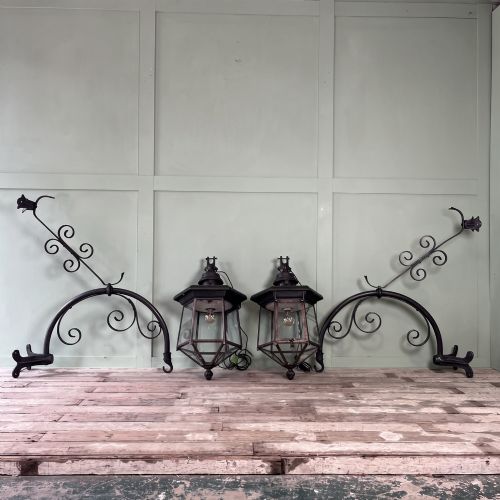
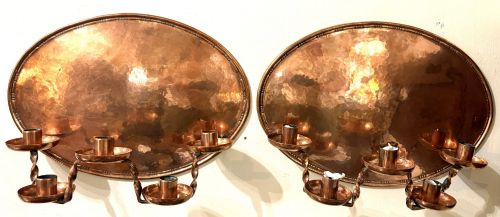
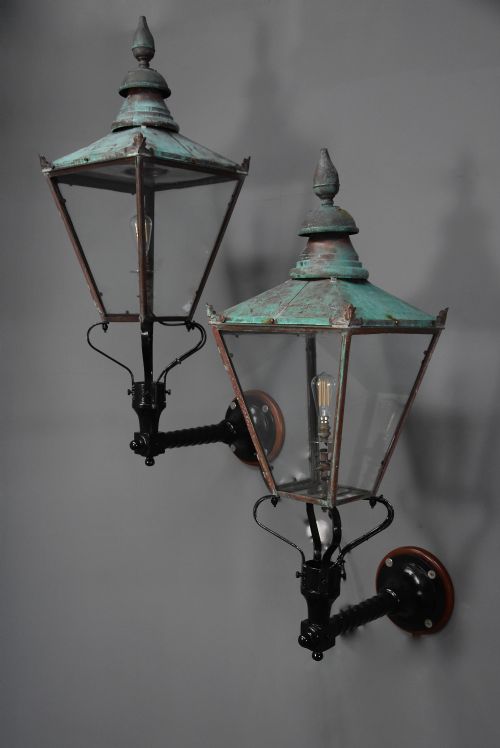
When you search for antique copper sconces, you encounter wall-mounted lighting fixtures formed from metal and glass, spanning from the late nineteenth century into the mid-twentieth century. The selection includes domestic wall lights, porch lanterns, and coach-house fixtures created during periods such as the Edwardian era and the Arts and Crafts movement.
You are most likely to meet pairs of wall lights and lanterns on this page, often combining copper with brass, iron, or glass. Styles range from industrial and neo-classical designs to Amsterdam School and Gothic interpretations, reflecting diverse aesthetic priorities across different decades.
How they were made
Makers utilised sheet and cast copper, frequently hammering, chasing, or patinating the metal surface to achieve varied visual textures like verdigris. Structural support often relied on forged iron, wrought iron, or brass brackets, securing the heavy metal and glass components safely to walls.
Glass panels, whether plain or bevelled, were fitted into metal frames to protect the internal light source from drafts in exterior and interior settings. Combinations of materials such as Sheffield plating, wood, and fabric also appear across the surviving pieces.
The inventory records regional interpretations ranging from French half-lanterns to British Arts and Crafts wall sconces.
What varies in quality
The distinction between standard and superior pieces rests upon the depth of hand-chased detail, the substantial weight of the copper, and the sophistication of the supporting brackets. Finer examples display meticulous construction methods, such as integral spiral twists in ironwork or carefully riveted joints.
Design cohesion also separates the range, where unified stylistic movements like Arts and Crafts or Amsterdam School dictate every proportion from the backplate to the lantern cap. Lesser pieces rely on simpler commercial assembly without the individual hand-finishing seen in workshop productions.
REVO Leicester
The Antique Copper Sconces Glossary
- Verdigris
- A green patina formed naturally or chemically on copper surfaces through atmospheric exposure. This weathered layer protects the underlying metal and adds historical depth.
- Arts and Crafts
- A design movement prioritising traditional craftsmanship and visible hand-working over mass production. Objects from this origin often feature hammered copper surfaces and honest structural construction.
- Coach-house style
- A robust lighting design originally intended for exterior carriage entrances or stables. These fixtures typically incorporate protective glass panels within sturdy metal frames.
- Amsterdam School
- An architectural and design style characterised by expressive, organic forms and rich surface detailing. Copper lamps in this manner display fluid, hand-chased contours.
- Sheffield plated
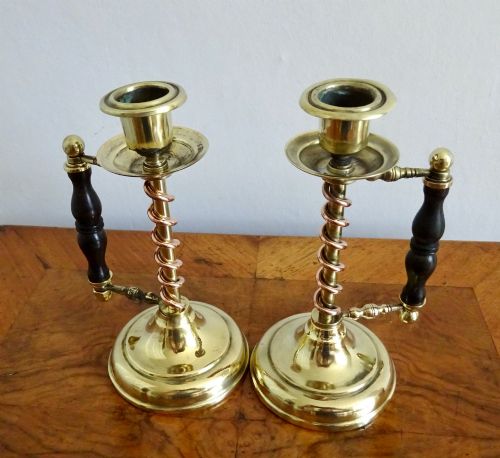
- A technique fusing a thin layer of silver onto a copper base metal. This method produces dual-tone metallic effects on items like decorative candlesticks.
Antique Copper Sconces: Frequently Asked Questions
Where should I hang a copper sconce?
These fixtures suit hallways, living rooms, and sheltered exterior porches where their metallic surfaces catch and reflect ambient light. Pairing them beside mirrors or framing doorways enhances their visual impact.
Ensure the mounting surface can support the combined weight of the copper and glass, particularly with larger lantern styles.
How do I clean antique copper?
Dust gently with a soft, dry cloth to preserve any existing aged patina or verdigris finish. Avoid abrasive metal polishes that strip away historical character and bright copper highlights.
Consult a professional conservator if the surface requires deeper cleaning or stabilization.
Are these sconces wired for modern electricity?
Many surviving wall lights retain older wiring setups or require rewiring to meet contemporary safety standards. Have a qualified electrician inspect and adapt the internal components before installation.
Using low-heat LED bulbs helps protect fragile internal sockets and vintage glass shades from thermal damage.
How do I date a copper wall light?
Examine the construction techniques, screw types, and mounting brackets to determine the period of manufacture. Stylistic indicators like Edwardian proportions or Arts and Crafts hammering provide further chronological clues.
Comparing the materials against documented periods from the nineteenth and twentieth centuries helps narrow the origin.