




Antique Copper Milk Pitcher
These antique copper milk pitcher examples bring warmth and utility to a room, offering genuine period character through metalwork and ceramic glaze.
Antique Copper Milk Pitcher
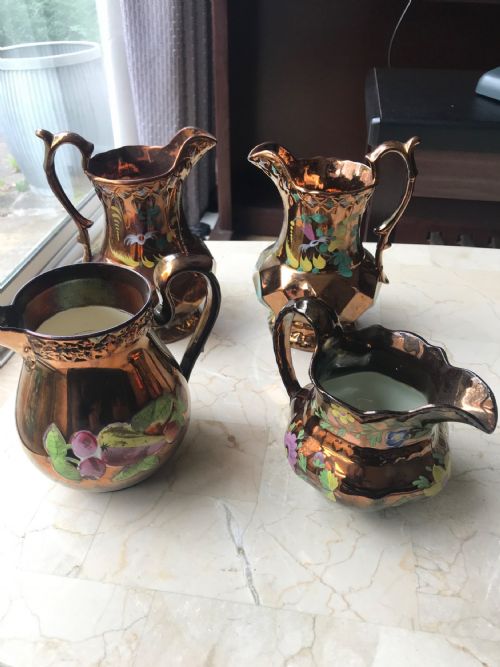
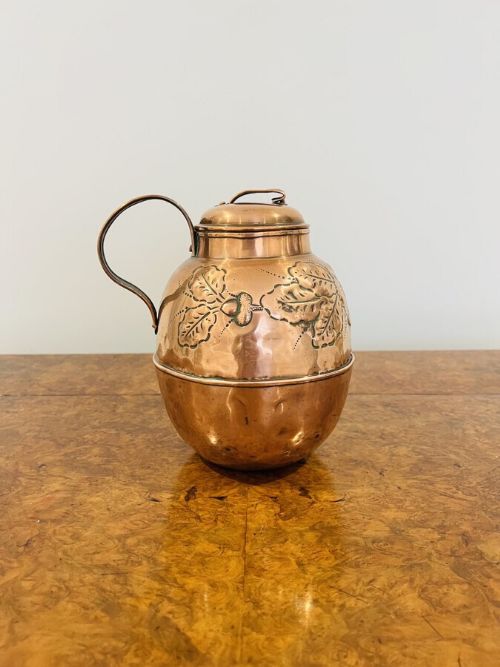
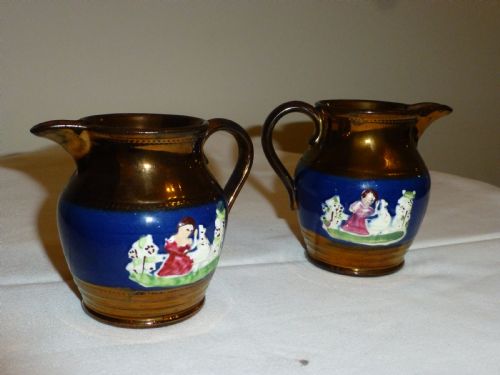
When you search for an antique copper milk pitcher, you encounter domestic vessels spanning the nineteenth century and the early twentieth century. The selection includes metal Jersey cans alongside ceramic jugs finished with copper lustre glaze.
Victorian Staffordshire pieces and Arts and Crafts designs dominate the forms present. Makers applied botanical decoration and hand-decorated fruit motifs to earthenware and ironstone bodies.
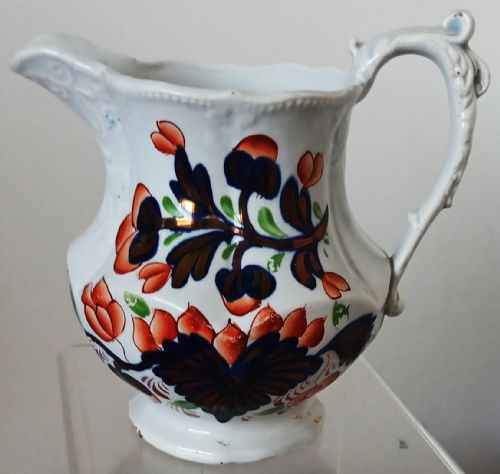
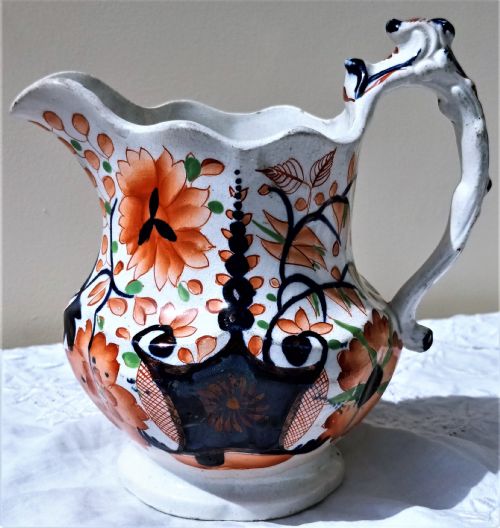
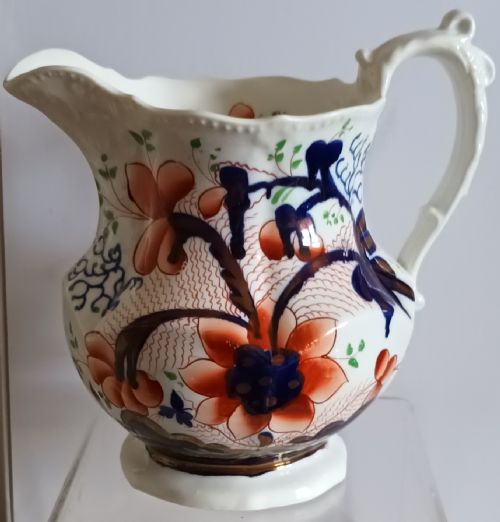
Gaudy Welsh patterns like Grape, Pagoda, Aberaeron, Harlech and Conwy appear frequently among the pottery examples. These jugs served practical dairy purposes before becoming decorative items for modern interiors.
How they were made
Metal vessels such as Jersey cans utilise hammered sheet copper, sometimes combined with brass for handles and rims. Artisans shaped these utilitarian containers by hand to hold and pour milk securely.
Ceramic pieces rely on earthenware or ironstone bodies shaped on a potter's wheel or in a mould. Craftsmen then applied copper lustre glazes and hand-painted pigments before firing the pottery in a kiln.
Materials documented across the inventory include copper, brass, earthenware, ceramic, ironstone, and enamel glazes.
What varies in quality
The crispness of the hand-painted decoration separates standard production from finer examples. Lustre glazes display varying depth and metallic sheen depending on the firing process and the skill of the decorator.
Structural integrity in the metalwork depends on the preservation of seams and the original union between handle and body. Pottery jugs show distinction in the complexity of patterns like Gaudy Welsh transfer prints combined with hand enamelling.
Livesley Powell And Co
The Antique Copper Milk Pitcher Glossary
- Copper lustre
- A ceramic pottery glaze containing metallic copper salts that produce a reflective, mirror-like finish upon firing. It gained popularity in nineteenth-century Staffordshire potteries.
- Jersey can
- A tall, narrow metal milk container originating in the Channel Islands, featuring a cylindrical body and a precise pouring spout. They were built for measuring and transporting dairy.
- Gaudy Welsh
- A style of colourful pottery decorated with cobalt blue, copper lustre, and iron-red enamel, often featuring geometric or floral motifs. These wares were made primarily for the Welsh market during the Victorian era.
- Ironstone china
- A type of heavy, durable earthenware patented in the nineteenth century to rival true porcelain. It provides a sturdy white body for transfer-printed and hand-painted jugs.
Antique Copper Milk Pitcher: Frequently Asked Questions
What is a Jersey can?
A Jersey can is a traditional metal dairy vessel characterised by a cylindrical copper body and a vertical handle. These pieces were utilised on farms for measuring milk.
Over time, their sturdy metal construction and distinctive proportions transitioned them into decorative objects for the home.
What is copper lustreware?
Copper lustreware is pottery coated with a metallic glaze that creates a shiny, reflective surface resembling polished metal. Staffordshire potteries produced these jugs using copper solutions during kiln firing.
The resulting finish catches the light and ranges from soft bronze tones to deep copper hues.
Where were these jugs made?
The majority of these pieces originate from Staffordshire potteries and British metalworking workshops active during the Victorian and Arts and Crafts periods. Regional variations include Welsh market pottery and Channel Island metal containers.
Makers utilised local earthenware, ironstone, and sheet copper to produce vessels for daily domestic use.