
Antique Console Furniture
Antique console furniture encompasses narrow tables, sideboards and pier sets designed to anchor a room.
Antique Console Furniture
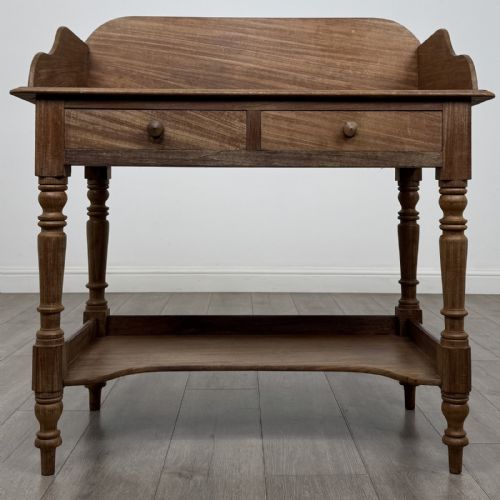
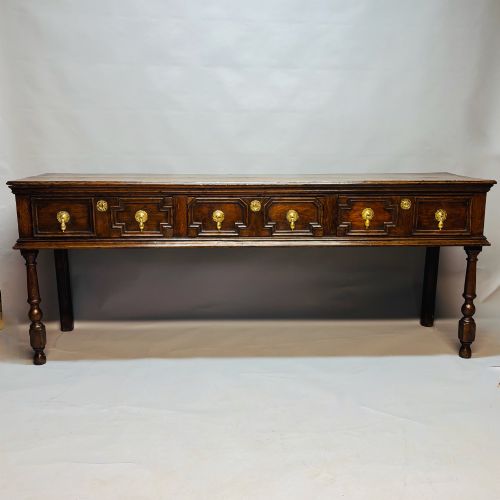
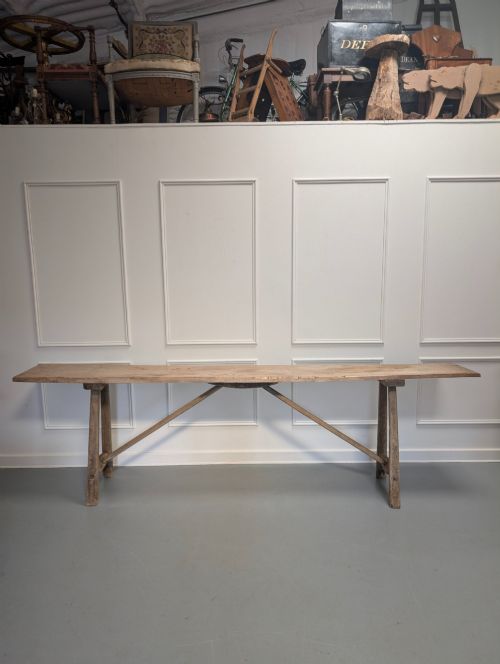
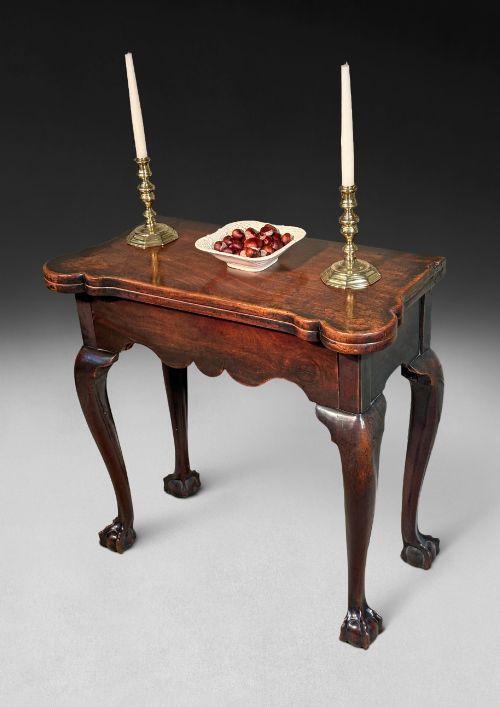
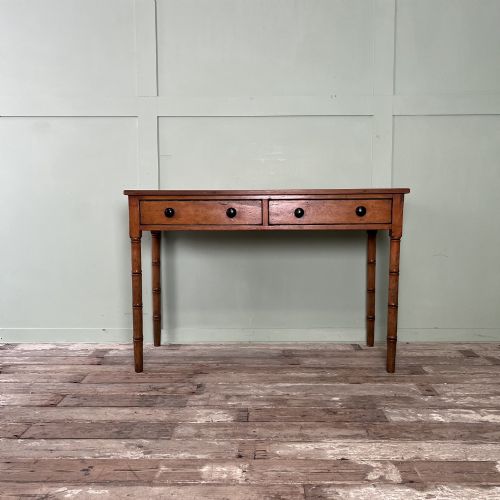
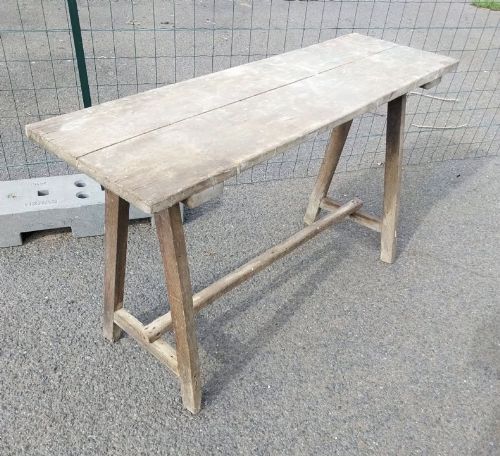
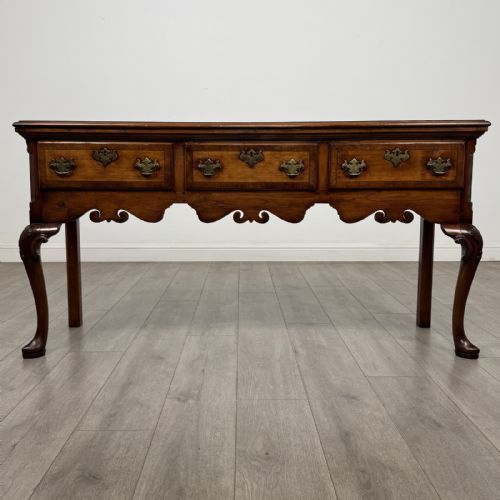
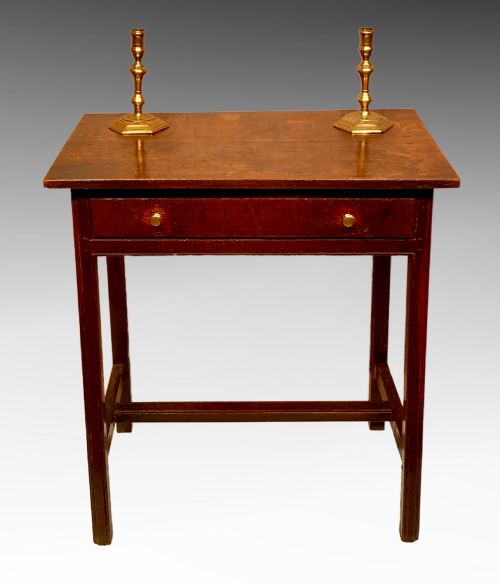
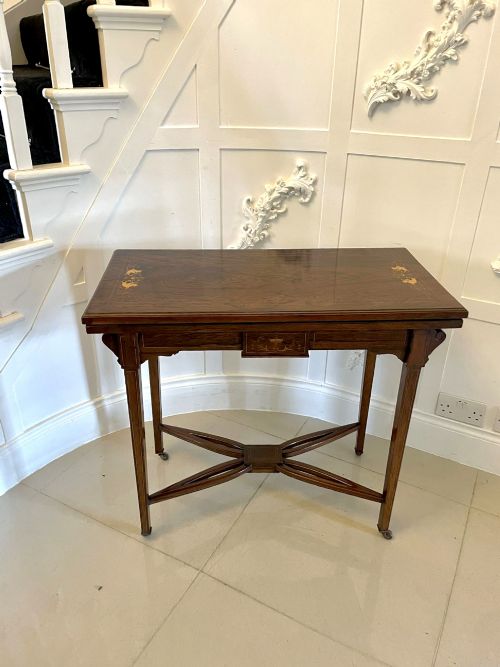
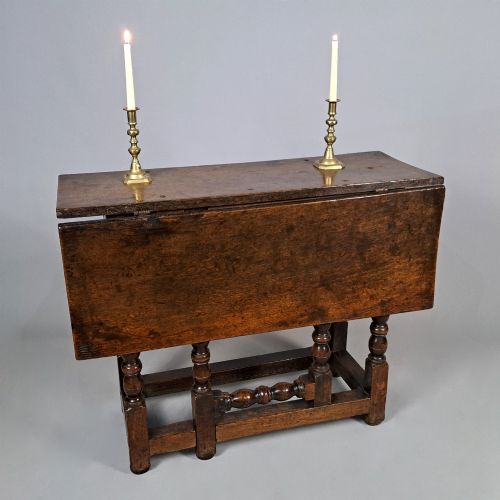
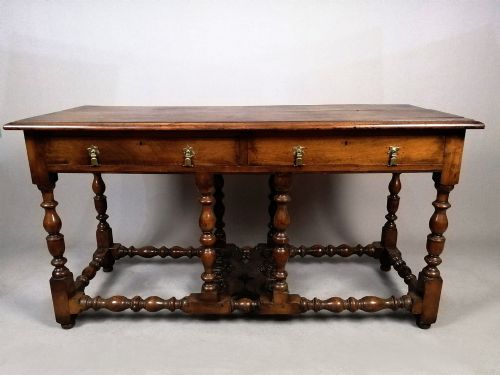
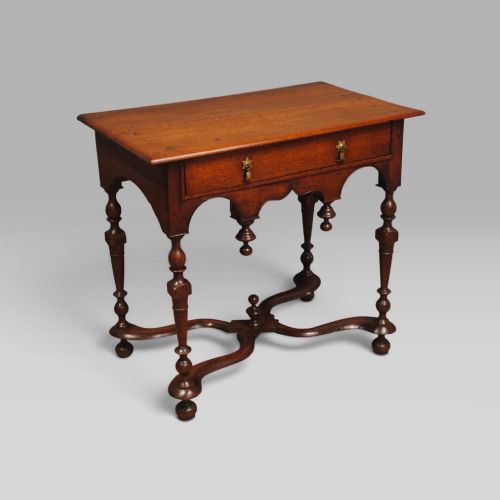
When you search for antique console furniture, you encounter a variety of forms including narrow console tables, serving pieces, lowboys and foldover card tables. These items function primarily as wall-anchored or freestanding architectural accents within a hallway, drawing room or dining space.
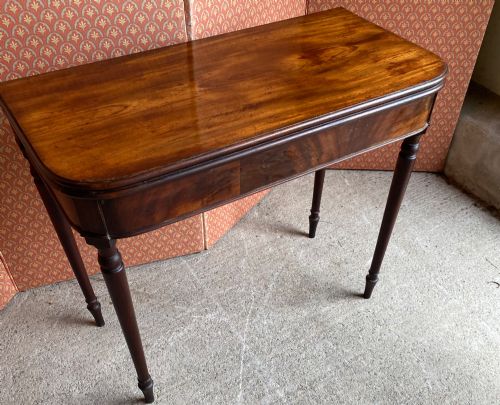
The pieces on this page span several centuries, with particular emphasis on 18th century, Regency and Victorian eras. You will frequently meet mahogany and rosewood card tables alongside oak lowboys and marble-topped gilt consoles.
Makers and workshops utilised diverse regional traditions, ranging from English Georgian mahogany designs to French Louis XV style gilt tables and Dutch marquetry works.
How they were made
Cabinetmakers constructed these tables using dense timbers such as mahogany, oak, walnut and rosewood, often applying satinwood crossbanding or elaborate brass inlay. Structural integrity relied on traditional joinery techniques suited to the particular period.
Many examples feature heavy imported marble tops set onto carved giltwood, ebonised or mahogany bases. Surface decoration also incorporates bone inlay, polychrome paint and intricate carving directly into the solid wood.
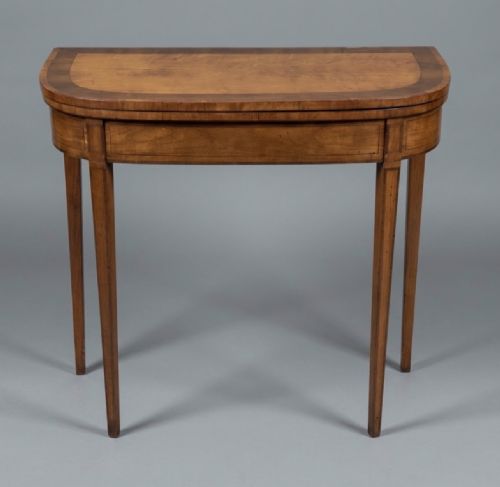
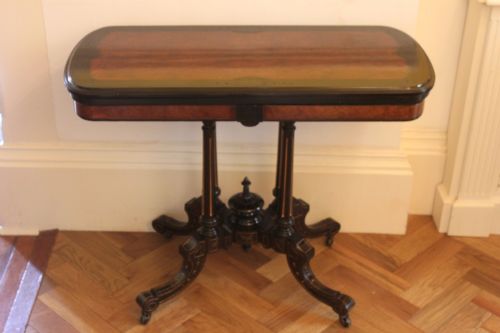
Card tables hide secret folding leaves designed so polite society could conceal their gambling debts before the tea arrived.
What varies in quality
The standard of timber selection largely dictates the quality of a piece, particularly the presence of finely figured mahogany, burr walnut or richly grained rosewood. Superior examples display careful matching of wood veneers across folding tops and drawer fronts.
Execution of decorative elements such as brass inlay, hand carving and parcel gilding distinguishes workshop output. Refined proportions and narrow profiles also indicate thoughtful design intended for formal reception spaces.
The Antique Console Furniture Glossary
- Crossbanding
- A narrow strip of veneer laid perpendicular to the grain of the main surface, creating a contrasting border. This technique appears frequently on Georgian tabletops.
- Lowboy
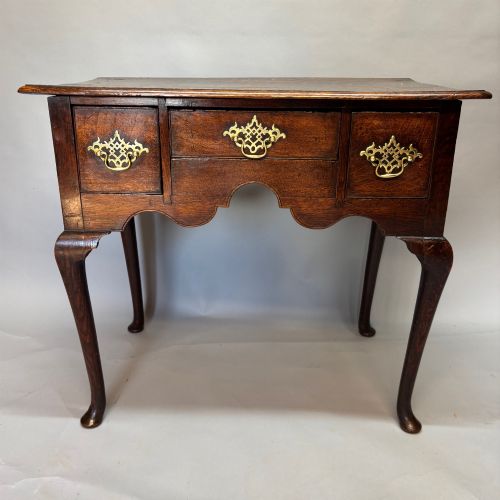
- A small table with one or more rows of drawers, commonly standing on cabriole legs. These pieces date predominantly from the 18th century.
- Console table
- A table designed to stand against a wall, frequently supported by wall brackets or front legs. Many examples in the evidence pair with matching mirrors.
- Marquetry
- Inlays of different woods, bone or other materials assembled in decorative patterns across a surface. Dutch makers employed this method extensively.
- Foldover top
- A hinged tabletop designed to double the surface area when opened for dining, writing or card games. This mechanism is standard on pembroke and card tables.
Antique Console Furniture: Frequently Asked Questions
Where should I place a console table?
These narrow tables suit hallways, entryways and narrow living room perimeters where floor space is limited. Their shallow depth allows them to sit flush against a wall without obstructing traffic.
Many examples include matching wall mirrors that create a cohesive focal point when hung directly above the table surface.
What is the difference between a lowboy and a side table?
A lowboy is a specific form of small table featuring drawers set into the frieze beneath the top, traditionally standing on graceful cabriole legs. They date mostly from the 17th and 18th centuries.
Standard side tables may lack drawers entirely or feature simpler structural frames without the characteristic proportions of a lowboy.
How do I care for antique wood and marble?
Protect timber surfaces by maintaining stable room humidity and avoiding direct placement near heat sources. Regular dusting with a soft cloth preserves the original polish without chemical buildup.
Marble tops require prompt wiping of spills to prevent staining, using mild soap and water rather than acidic cleaners.