



Antique Conservatory Seating
Antique conservatory seating brings the relaxed elegance of the garden indoors through durable cane, iron, and wicker.
Antique Conservatory Seating
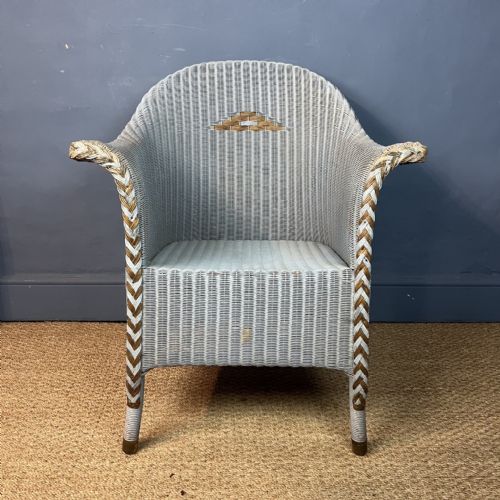
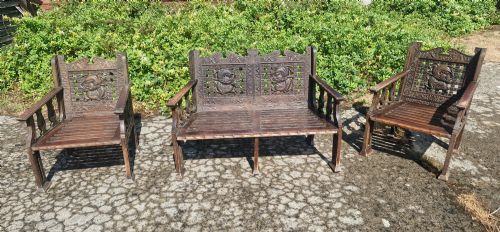
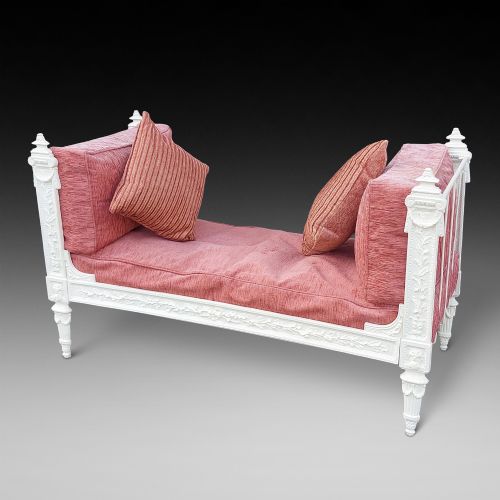
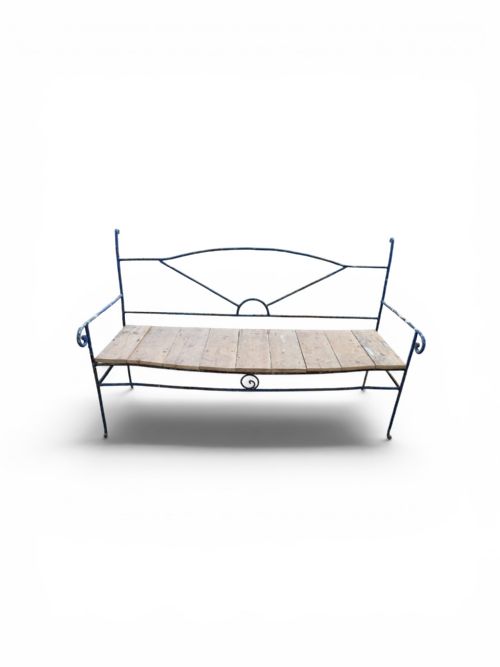
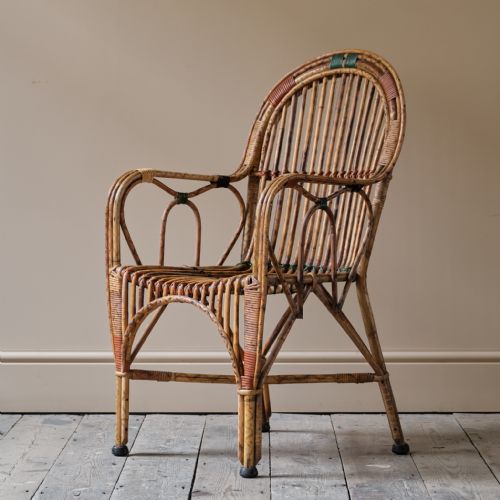
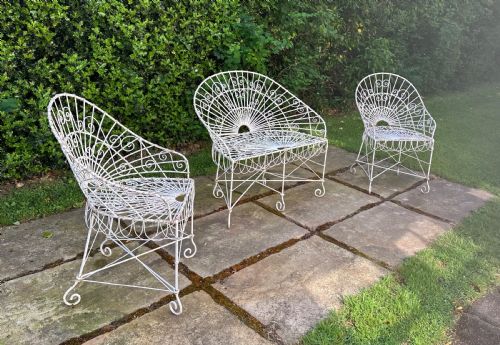
Antique conservatory seating encompasses a diverse array of chairs, benches, daybeds, and suites designed for glasshouses, orangeries, and garden rooms. When exploring antique conservatory seating, buyers encounter pieces ranging from Victorian cast iron daybeds to Edwardian garden benches and woven armchairs.
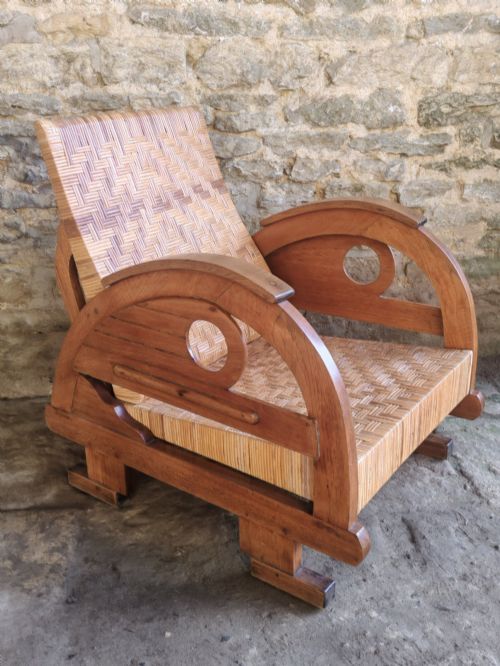
The selection on this page relies upon periods spanning the nineteenth century through the mid-twentieth century, including Victorian, Edwardian, Arts and Crafts, and Art Deco examples. Forms vary from single garden chairs and faux bamboo sets to large Burmese country house suites and French Riviera armchairs.
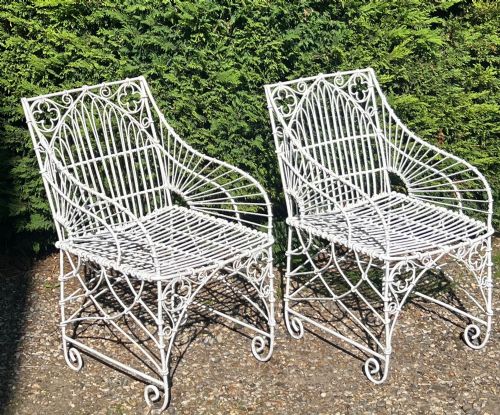
Materials reflect both indoor comfort and outdoor resilience, utilising cane, rattan, wicker, wrought iron, cast iron, oak, and painted wood. Buyers are most likely to meet woven plant-fibre armchairs and sturdy iron benches that bridge the transition between domestic rooms and garden spaces.
How these pieces were made
Construction methods combine structural metalwork with pliable plant materials suited for sunrooms and sheltered verandas. Makers utilised cast and wrought iron for heavy-duty frames, daybeds, and garden benches that required rigidity and weather resistance.
Lighter seating relies on cane, wicker, and rattan, often bent and secured around timber or metal armatures to create resilient open-weave forms. Wood elements appear in oak benches and faux bamboo frames, employing traditional joinery and carved ornamentation.
Antique Conservatory Seating Retail Price Guide 2026
Typical asking prices for conservatory seating among the pieces listed under this phrase on Sellingantiques today, from the lower quarter to the upper quarter. They describe what is for sale here now, not the wider market.
The listings span from nineteenth-century cast iron daybeds to 1940s cane armchairs, uniting indoor and outdoor forms.
What varies in quality
Quality in these pieces rests upon the integrity of the structural frame and the tightness of the woven elements. Metal components show distinction through clean casting lines and well-forged scrollwork, whilst wooden frames depend on sound joinery and thoughtful carving.
Woven seating varies according to the regularity of the cane or rattan strands and the retention of original surface finishes like paint. Maker attribution, seen in specialised workshops, elevates certain pieces above standard vernacular production.
Dryad And Co·Dryad of Leicester
The Antique Conservatory Seating Glossary
- Cane
- A material derived from the peeled outer bark of rattan palms, utilised for woven seats and back panels. It offers a smooth, glossy surface and flexibility.
- Rattan
- A climbing palm species with strong, pliable stems used extensively in the manufacture of historic conservatory and porch furniture. Its core and outer bark serve different structural and decorative weaving functions.
- Wrought iron
- Iron that has been heated and worked with tools by a smith to produce decorative and structural elements for benches and chairs. It is distinguishable from cast iron by its fibrous internal structure and hand-finished appearance.
- Cast iron
- Molten iron poured into a mould to create intricate garden benches, daybeds, and chair frames with repeating patterns. This technique allowed Victorian manufacturers to produce ornate scrollwork and animal motifs.
- Faux bamboo
- Furniture woodwork carved, painted, or turned to imitate the segmented stalks of natural bamboo. This style was popular during the nineteenth century for exotic-themed interiors and sunrooms.
Antique Conservatory Seating: Frequently Asked Questions
How were these chairs used?
These chairs provided comfortable seating for relaxation amidst potted plants and sunlight within domestic glass rooms. They allowed Victorians and Edwardians to enjoy garden views whilst remaining protected from the weather.
Larger suites and daybeds served for lounging or informal entertaining in country houses and suburban villas alike.
Can I use them outdoors?
Most of these pieces are best suited for indoor conservatories, garden rooms, or covered porches rather than exposed lawns. Woven materials like cane and rattan deteriorate quickly if left unprotected in damp or wet conditions.
Cast and wrought iron items tolerate sheltered outdoor placement better, though historic painted surfaces still benefit from winter storage indoors.
How do I date these items?
Dating relies upon stylistic markers such as Victorian cast iron ornamentation, Edwardian bench proportions, or Art Deco woven geometries. Materials and construction techniques also point to specific eras, like nineteenth-century oak or mid-century rattan.
Maker signatures or stamps, where present, provide the most precise indication of a piece's production period.