

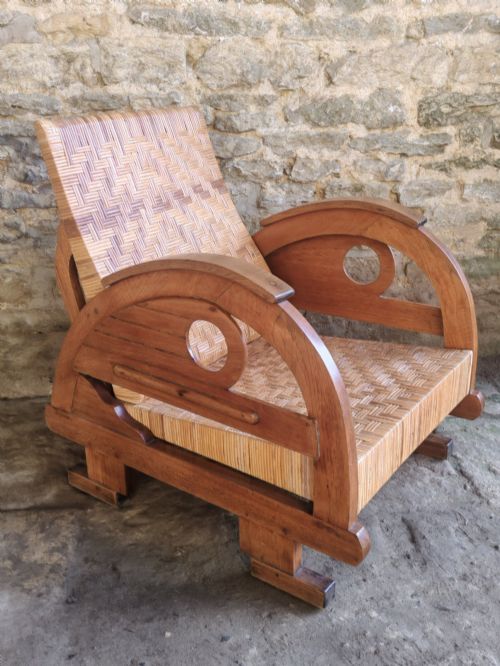


Antique Conservatory Seat
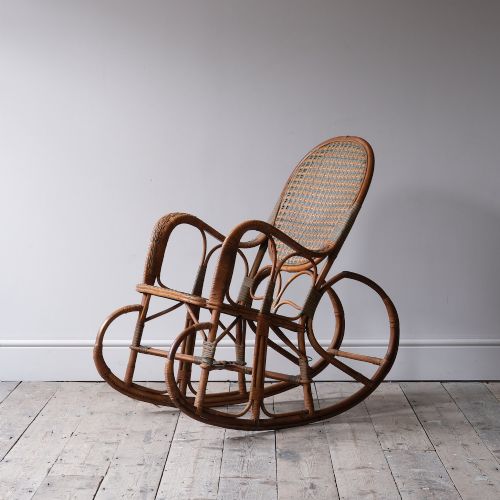
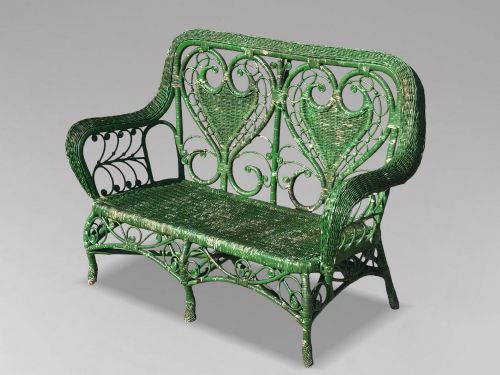
These antique conservatory seat pieces bring light, air and organic texture into a room, offering a relaxed spot to sit among plants.
Antique Conservatory Seat
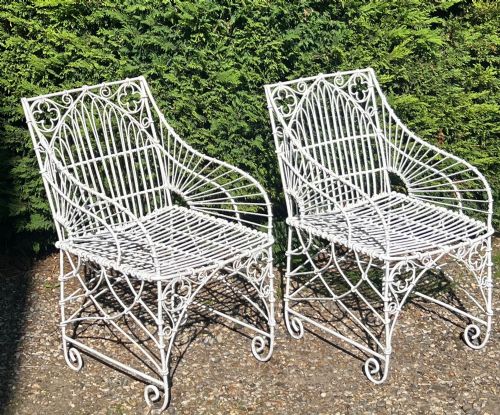
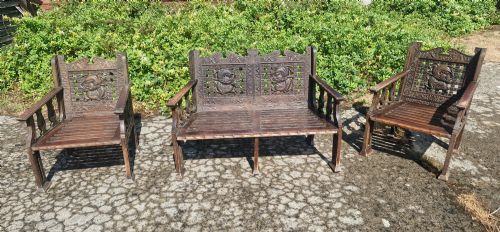
An antique conservatory seat encompasses various forms designed for glasshouses, orangeries and verandahs, ranging from individual armchairs to large garden benches and multi-piece seating suites. When you search for an antique conservatory seat, you encounter forms built for leisure in sheltered, light-filled spaces.
The pieces on this page span the nineteenth century, the Edwardian era, and the interwar decades up to the nineteen-forties. You are most likely to meet cane, rattan, cast iron, wrought iron, and timber structures such as oak, painted finishes, and faux bamboo.
Makers and regional styles represented include Anglo-Indian, French Riviera, Arts and Crafts, Art Deco, and Mid-Century Rustic designs, alongside works by named workshops like Dryad of Leicester. Forms include daybeds, dining chairs, garden sets, and paired benches intended for leisurely habitation.
How they were made
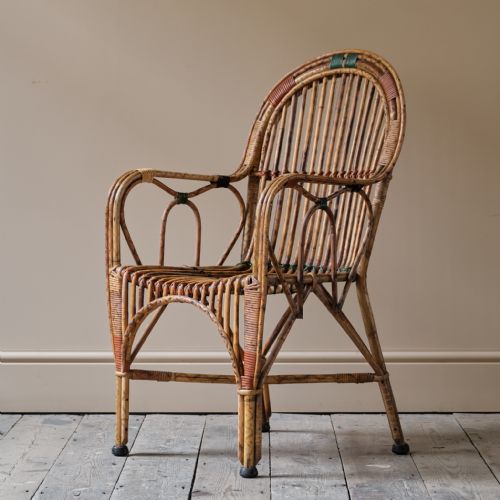
Makers built these pieces using organic plant fibres such as cane and rattan, steam-bent or woven over supportive wooden frameworks to achieve resilient yet breathable seating surfaces. This technique allowed makers to create curved, ergonomic armchairs and suites suited to warm, humid glasshouse environments.
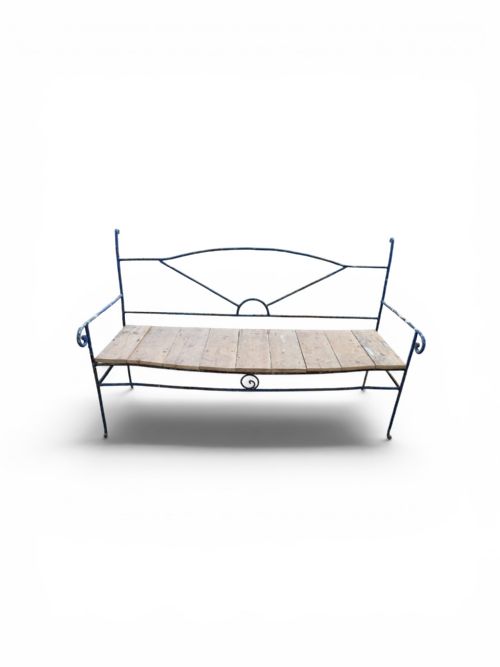
Metalwork versions utilise cast iron and wrought iron, forged or cast into rigid structural frames and decorative scrollwork details that resist the weight of regular use. Painted finishes and natural wood components, including oak and faux bamboo elements, protect the underlying materials while defining the aesthetic style of the period.
Antique Conservatory Seat Retail Price Guide 2026
Typical asking prices for conservatory seat among the pieces listed under this phrase on Sellingantiques today, from the lower quarter to the upper quarter. They describe what is for sale here now, not the wider market.
Listings span the nineteenth century through the nineteen-forties, covering materials from wrought iron and oak to woven cane.
What varies in quality
Quality in these pieces rests upon the integrity of the construction, whether it is the tightness of the cane and rattan weaving or the precision of the cast iron and wrought iron joints. Superior examples maintain structural stability without excessive sagging or loose structural bindings.
The sophistication of the design dictates the upper range, seen in unusual forms, carved details on Burmese suite elements, or branded workshop pieces such as those by Dryad of Leicester. Simpler vernacular benches occupy the other end, where utility outweighed decorative ambition.
Dryad of Leicester
The Antique Conservatory Seat Glossary
- Cane
- Strips derived from the outer bark of the rattan palm, woven tightly to form resilient seats and backs. It provides a smooth, durable surface that responds well to changing temperatures.
- Rattan
- A pliable palm stem used whole for structural frames or split for weaving. It allows makers to bend the material into complex curves without snapping.
- Wrought iron
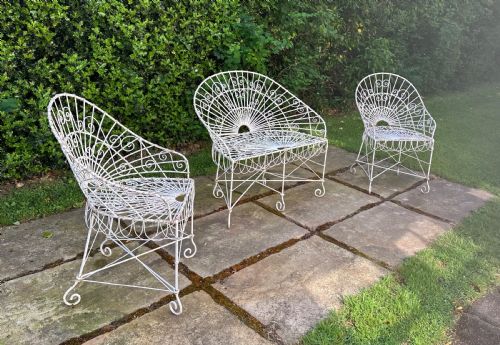
- Iron heated and hammered by hand into bespoke shapes and scrolls. This metalwork provides strong, slender framing for French Riviera style chairs.
- Cast iron
- Molten iron poured into a mould to create solid, heavy components with detailed ornamentation. It appears frequently in Victorian garden benches and chairs.
- Faux bamboo
- Wood carved, painted, or turned to imitate the segmented stalks of natural bamboo. This decorative technique reflects nineteenth-century fascination with exotic plant forms.
- Daybed
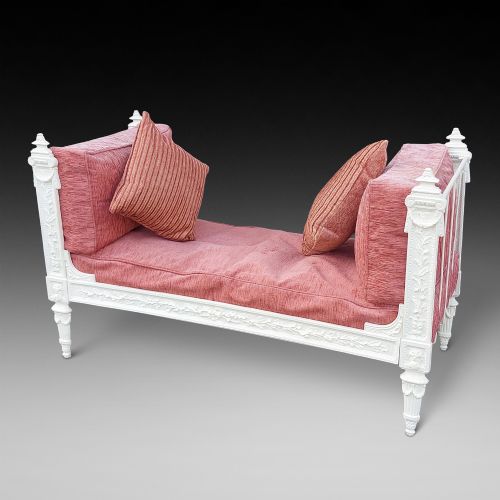
- A long seating unit designed for reclining during the day, combining the functions of a chair and a bed. They appear in cast iron for conservatory and garden use.
Antique Conservatory Seat: Frequently Asked Questions
What is a conservatory seat?
A conservatory seat is any chair, bench, daybed, or suite originally constructed for use in glasshouses, orangeries, or sheltered garden rooms.
These pieces utilise breathable materials like cane and rattan alongside durable metals such as cast iron to withstand sunlight and humidity.
How were they used?
They served as comfortable seating for reading, relaxing, and socialising among potted plants and exotic flora within domestic garden extensions.
Daybeds and seating suites allowed occupants to recline and entertain guests in bright, indoor-outdoor transitional spaces.
How do I care for cane furniture?
Cane furniture benefits from gentle dusting and occasional wiping with a damp cloth to keep the plant fibres supple and clean.
Avoiding extreme dryness and direct heavy moisture preserves the woven structure over decades of daily use.
How do I date an iron bench?
Dating an iron bench involves examining the casting marks, construction joints, and decorative motifs associated with Victorian, Edwardian, or early twentieth-century design periods.
Cast iron components often display manufacturing techniques and stylistic proportions characteristic of their specific decade of production.