

Antique Concealed Blade
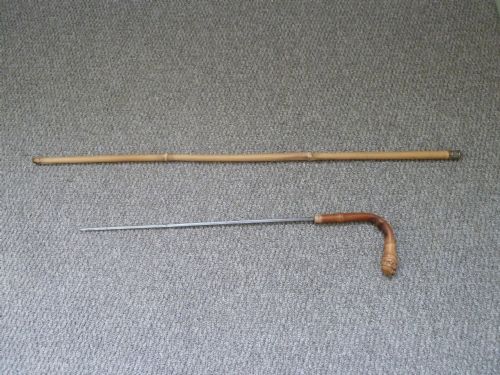
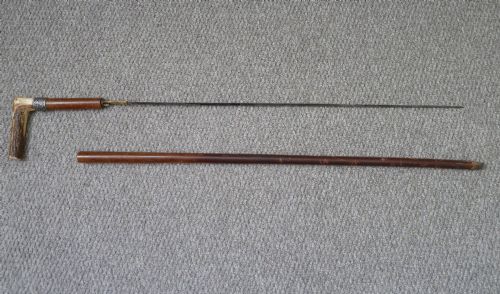
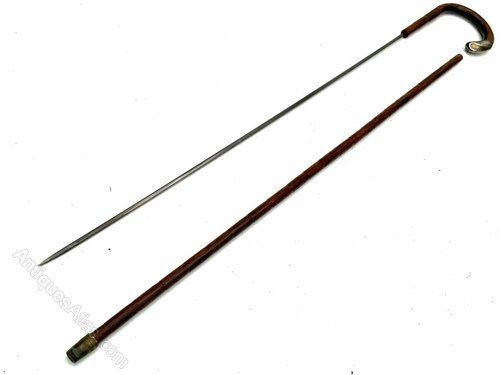
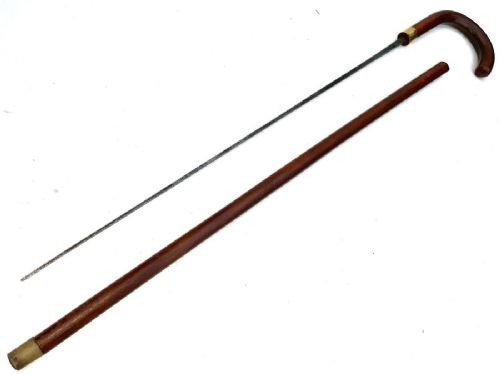
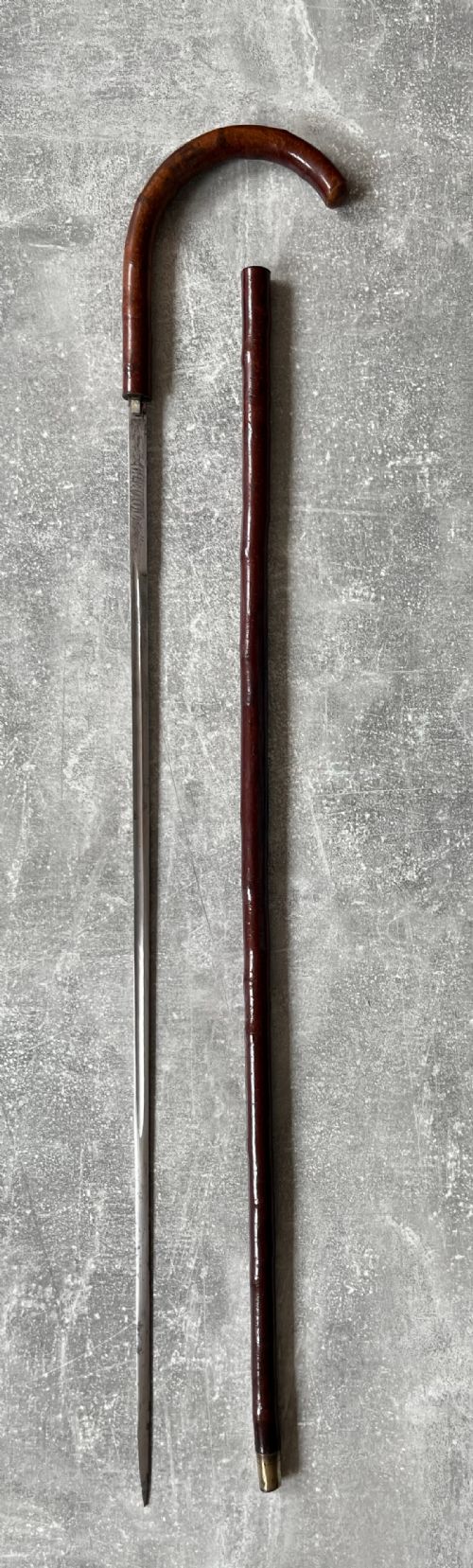
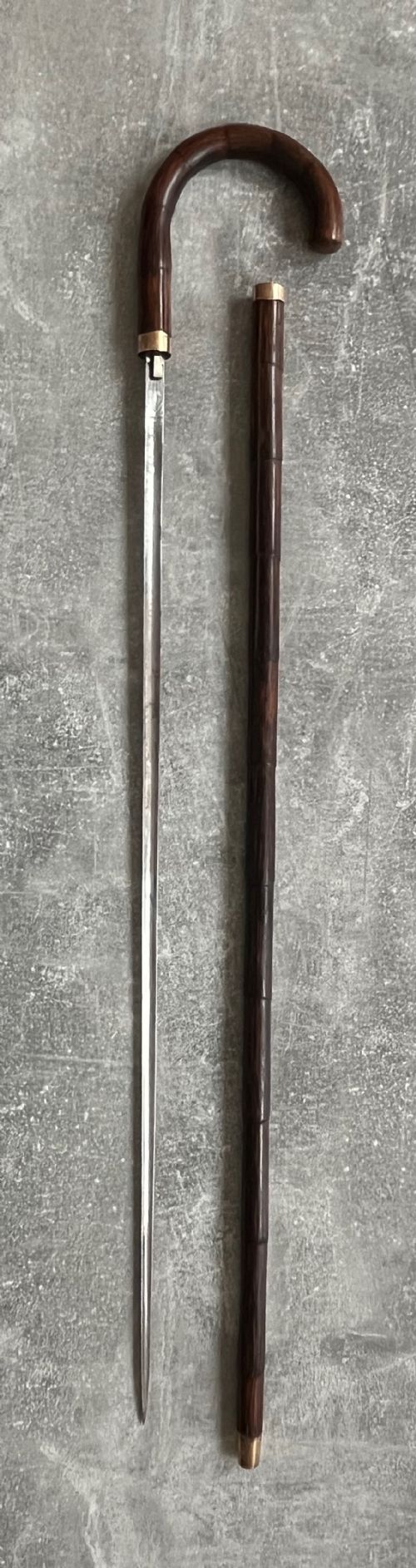
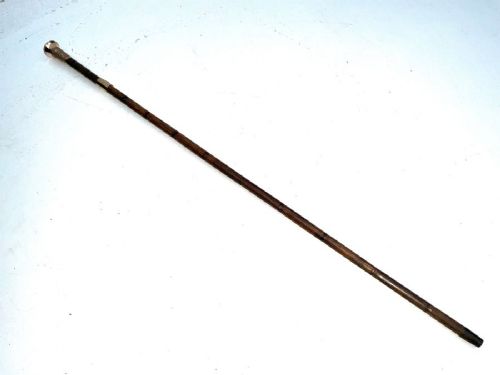
An antique concealed blade is a disguised weapon housed within a walking stick, combining everyday gentlemans accessories with hidden defence.
Antique Concealed Blade
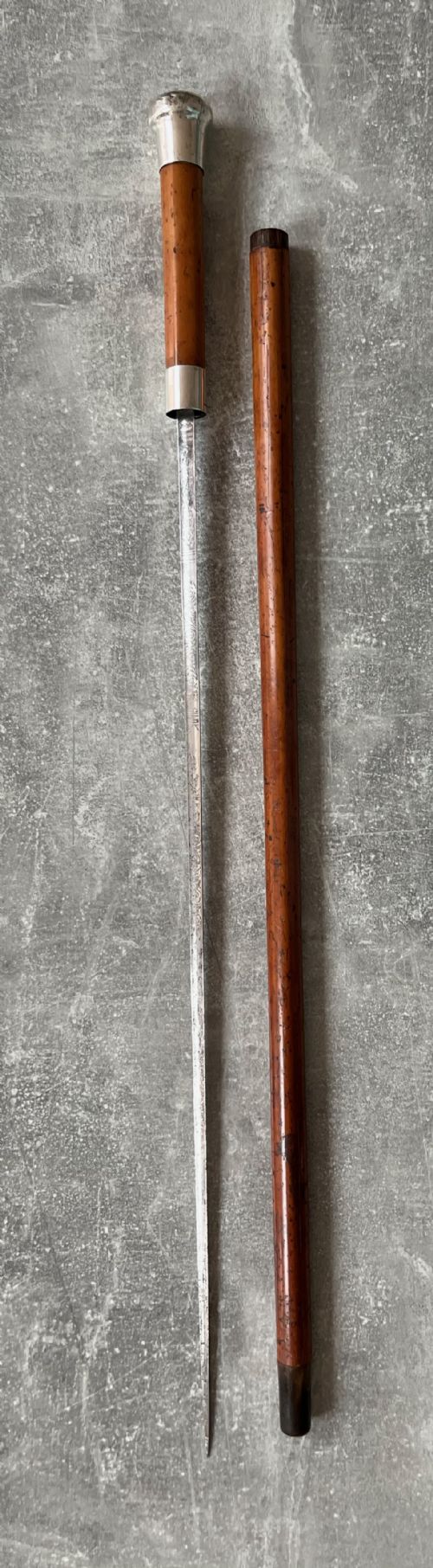
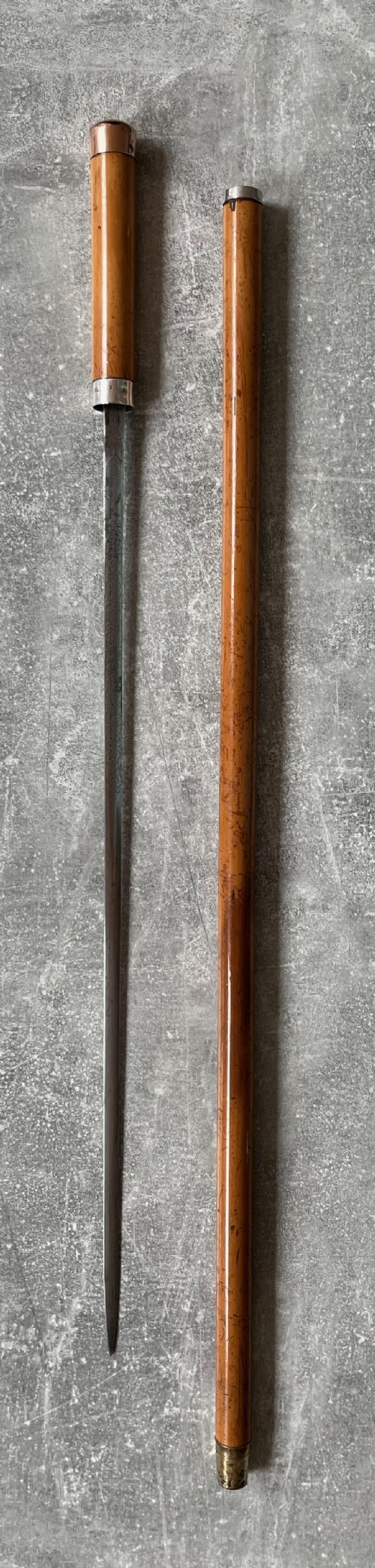
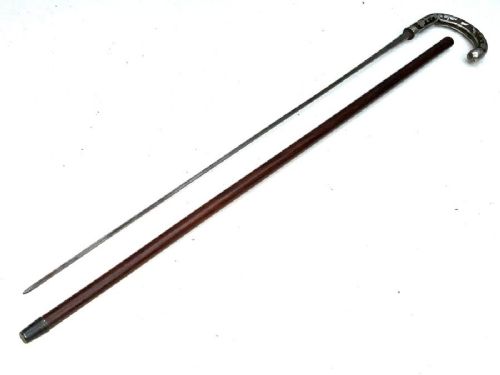
The search for an antique concealed blade leads directly to walking sticks and sword sticks originating primarily from the Victorian, Edwardian, and nineteenth-century periods. These objects appear in forms ranging from military officers swagger sticks to civilian walking canes fitted with button releases and internal blades.
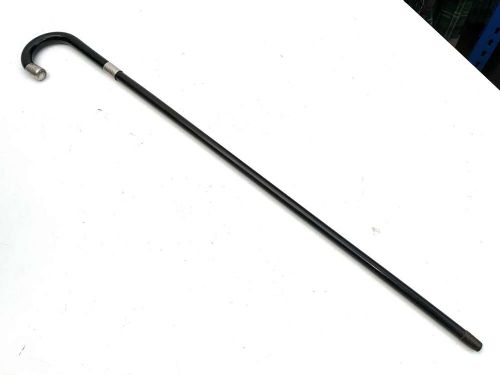
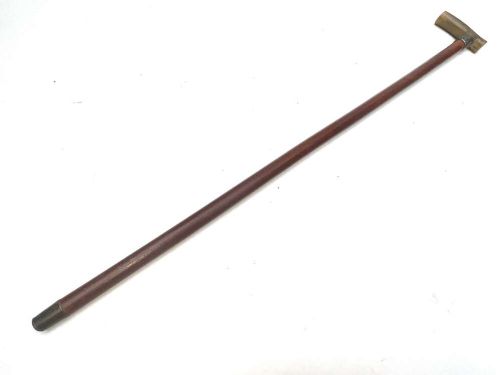
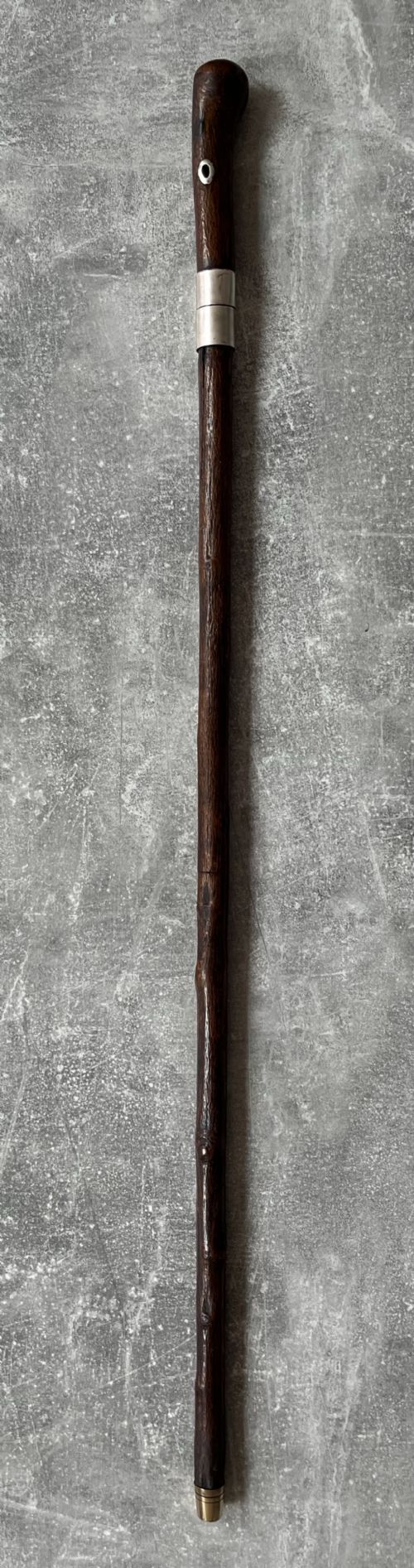
Buyers meet versions constructed from traditional shaft materials including malacca cane, partridge wood, hazel wood, and ebonised wood, often paired with handles carved from horn or mounted in silver and gold plate. Examples span military regimental pieces, Masonic designs, and continental walking swords bearing French porcelain collars.
The selection reflects both practical civilian self-defence items and formal military walking sticks, with particular representation from late nineteenth-century and early twentieth-century British and European makers.
How They Were Made
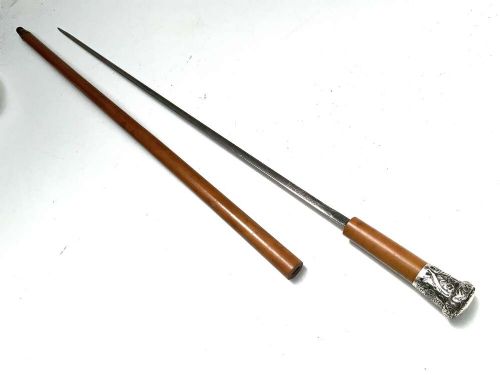
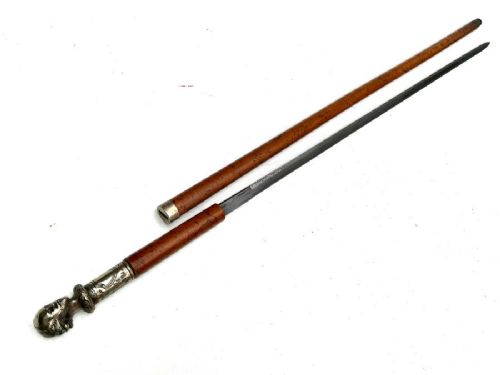
The construction of these pieces relies on the pairing of rigid natural woods and canes with high-grade steel blades, secured by metal collars and internal locking mechanisms like button releases. Shafts utilise malacca, bamboo, partridge wood, cherrywood, and blackthorn, shaped to conceal the full length of the internal sword.
Blade manufacturing involved specialist metalwork, with notable examples incorporating etched Toledo steel or marked Wilkinson blades housed securely within hollowed wooden or cane bodies. Mounts and handles combine cast brass, silver, gold plate, horn, and Sevres porcelain, joined by traditional cabinet-making and metal-mounting techniques.
Antique Concealed Blade Retail Price Guide 2026
Typical asking prices for concealed blade among the pieces listed under this phrase on Sellingantiques today, from the lower quarter to the upper quarter. They describe what is for sale here now, not the wider market.
Listings feature items incorporating Sevres porcelain collars and gold-plated mounts alongside traditional military swagger sticks from the Victorian and Edwardian eras.
What Varies In Quality
Quality rests in the precision of the join between the handle and the shaft, where superior examples achieve a seamless, flush closure that hides the blade entirely. The integrity of the internal locking mechanism and the clean action of the button release distinguish finer items from standard production pieces.
Material selection and artistic execution set apart the range, visible in the contrast between plain ebonised shafts and finely mounted malacca canes featuring marked Wilkinson blades, etched Toledo steel, or detailed silver and gold-plated porcelain mounts.
Brigg·Wilkinson
The Antique Concealed Blade Glossary
- Sword stick
- A walking cane containing a concealed blade accessed by pulling the handle apart from the shaft. This form served as a discreet personal defence tool for nineteenth-century gentlemen.
- Swagger stick
- A short, light cane carried by military officers as a symbol of authority rather than for physical support. These sometimes housed hidden blades or served ceremonial functions.
- Malacca cane
- A mottled, durable rattan imported from Southeast Asia, prized for flexibility and strength in walking stick manufacture. It forms the shaft on many high-grade sword sticks.
- Toledo blade
- A steel blade produced in the Spanish city renowned for historic sword-making traditions. These blades often exhibit decorative etching.
- Wilkinson blade
- A steel blade manufactured by the notable British sword-smith company. Their inclusion denotes high military or civilian specification.
- Button release
- A mechanical catch set into the collar of a cane that locks the blade safely inside the shaft until pressed. This prevents the blade from slipping out during normal walking use.
Antique Concealed Blade: Frequently Asked Questions
How do you release the blade?
Most pieces utilise a mechanical button release set into the collar just below the handle, which must be depressed to unlock the internal blade from the shaft.
Once the catch is disengaged, the handle and shaft pull apart in opposite directions to reveal the steel blade hidden within.
Were these used as weapons?
These items functioned primarily as civilian self-defence tools and fashionable accessories for gentlemen navigating city streets during the nineteenth and early twentieth centuries.
Military officers also carried variants such as swagger sticks and regimental pieces as part of their daily uniform and equipment.
How do you date a sword stick?
Dating relies on stylistic markers such as the materials used, the shape of the handle, and any hallmarks on silver mounts or maker inscriptions on the steel blade.
Victorian and Edwardian examples often display distinct manufacturing techniques, woods, and collar designs characteristic of their specific decade of production.
What woods were used for shafts?
Makers utilised dense and flexible natural materials capable of being hollowed out to accommodate a steel blade without compromising structural strength during walking.
Common examples include malacca cane, partridge wood, hazel wood, cherrywood, ebonised wood, and Irish blackthorn.