
Antique Commode Chest Drawers
When choosing an antique commode chest drawers, you select a substantial piece of storage furniture that anchors a room with period character.
Antique Commode Chest Drawers
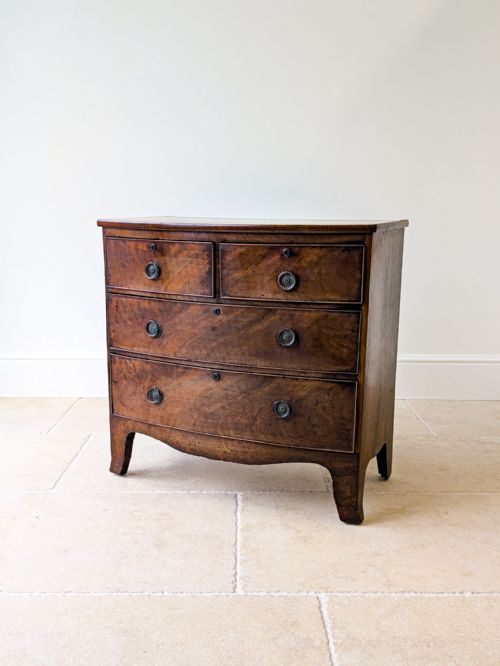
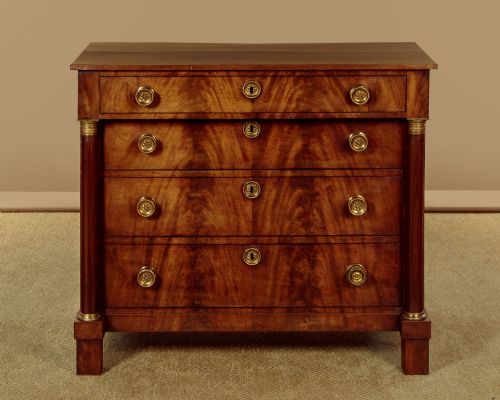
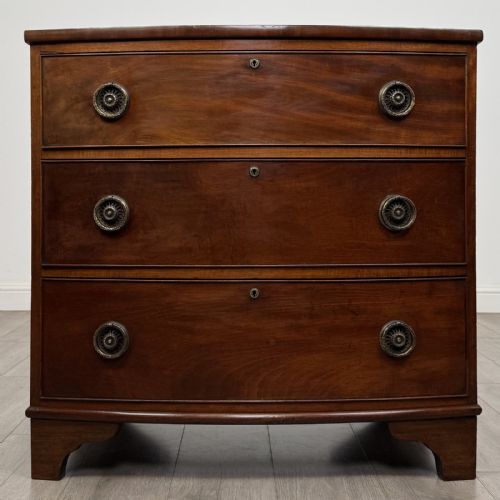
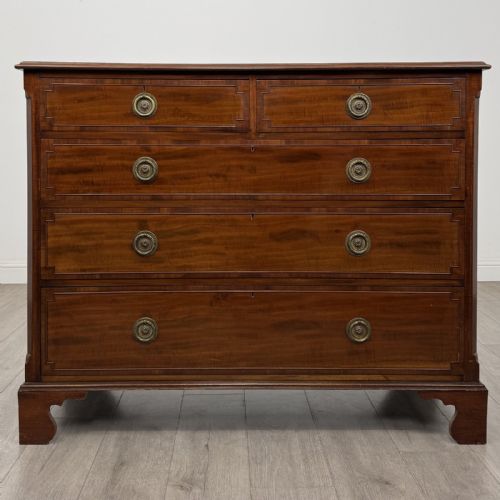
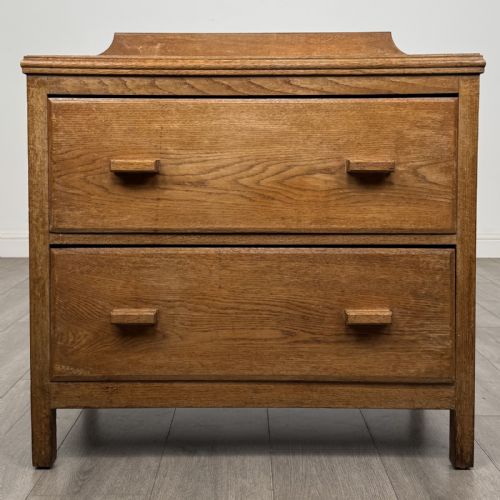
An antique commode chest drawers serves as a functional storage piece that combines the deep drawer capacity of a traditional chest with the decorative presence of a commode. These items originate from various European and British traditions, spanning periods from the eighteenth century through to the early twentieth century.
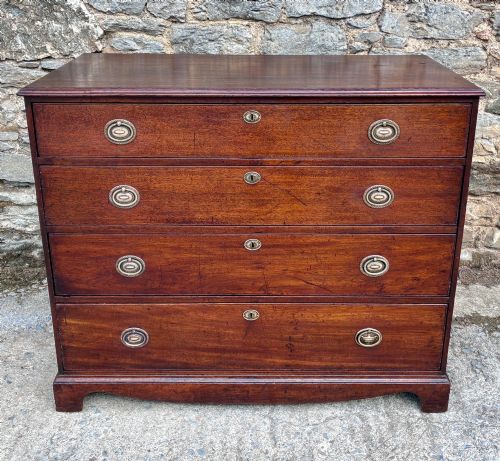
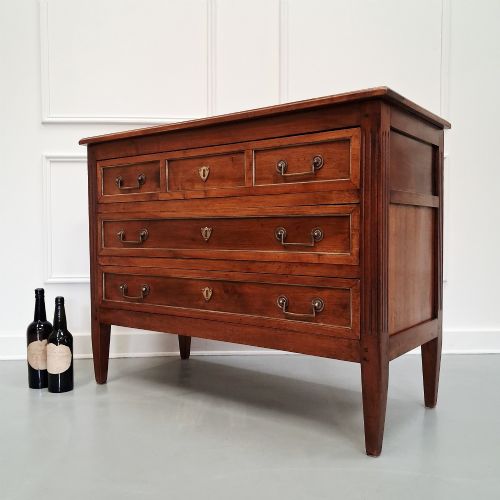
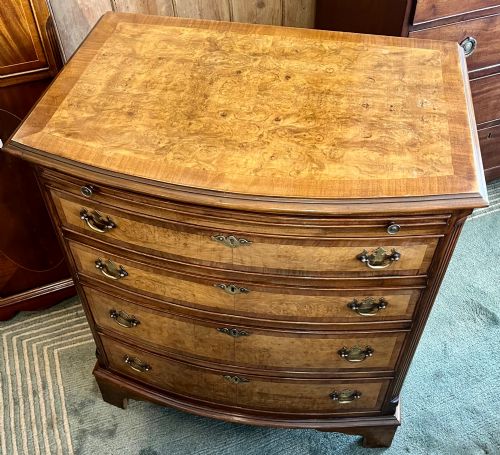
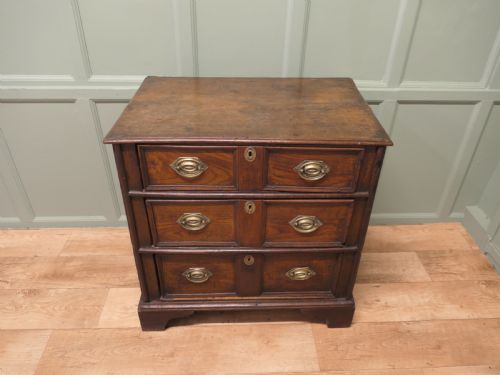
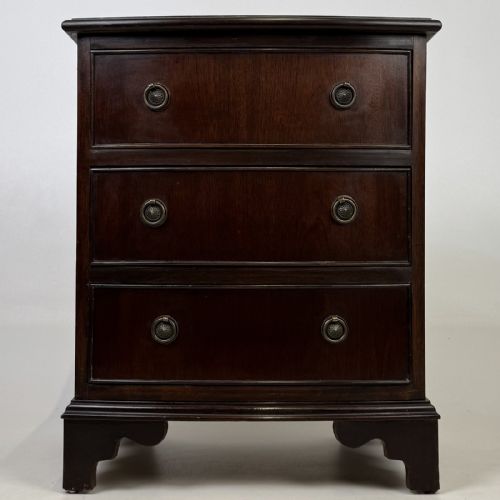
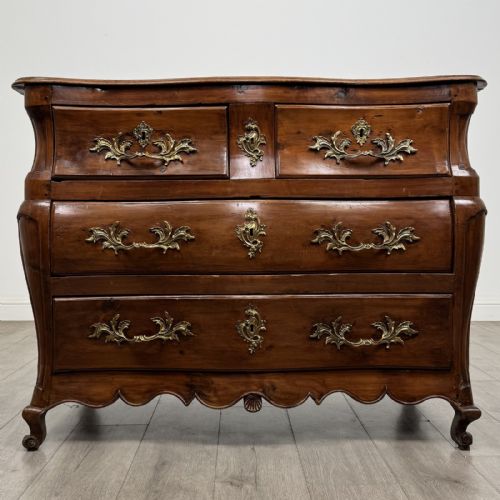
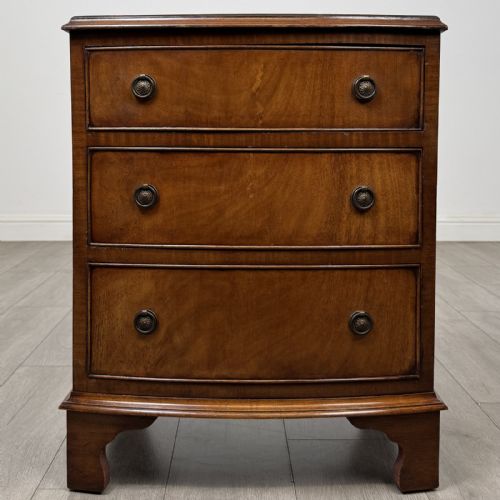
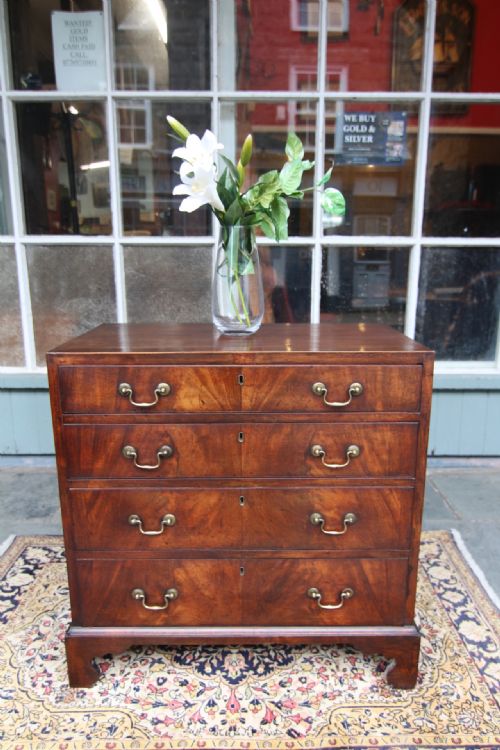
The versions most commonly met on this page include Georgian mahogany designs, Regency flame mahogany pieces with bow fronts, and French commodes featuring marble tops and marquetry inlay. Cabinets range from compact low chests to tall four-drawer and six-drawer formats.
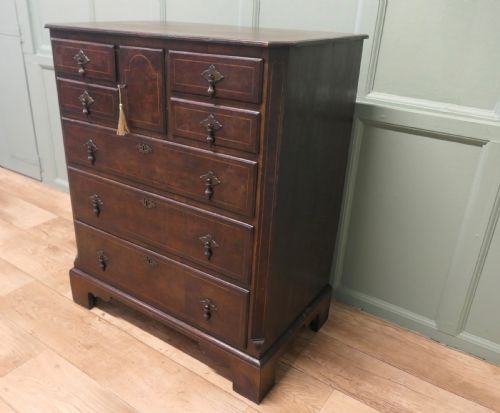
Makers and workshops constructed these pieces in oak, walnut, pine, and mahogany, applying veneers like burr walnut or satinwood banding. Buyers often find specialised forms such as chests on stands, serpentine fronts, and pieces fitted with brushing slides.
How they were made
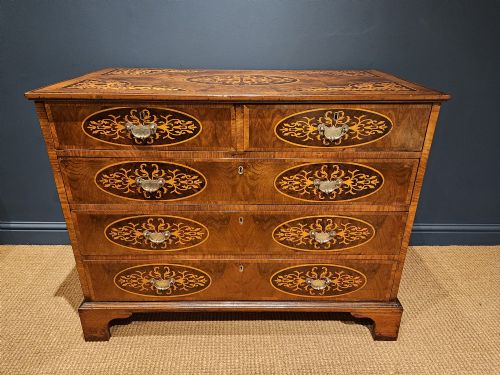
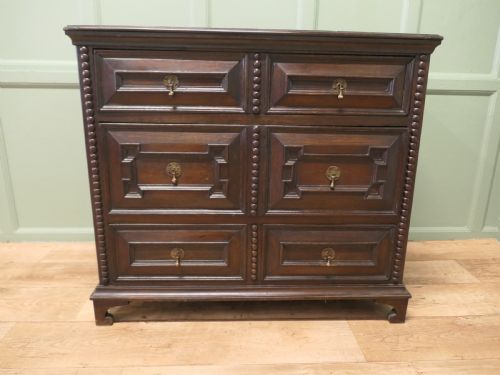
Cabinet makers built carcases using solid timbers like oak, pine, and mahogany, frequently applying decorative veneers such as flame mahogany, burr walnut, and kingwood across the primary facades. Surfaces often incorporate marquetry, parquetry, or pewter and ivory inlay to create intricate geometric and floral patterns.
Drawer construction relied on hand-cut dovetail joints, solid secondary woods, and side or bottom runners designed to support heavy loads over centuries of daily use. Exterior ornamentation utilised cast brass handles, escutcheons, ormolu mounts, and fitted grey or verd antique marble tops.
French and British workshops applied French polish, wax, or oil finishes to seal the timber and highlight natural grain figures. Structural detailing extended to crossbanding, hand-carved mouldings, and serpentine or bombe contouring that demanded advanced timber-bending and shaping skills.
One cheerful Victorian pine chest wears its working life proudly beneath a coat of stencilled paint.
What varies in quality
The calibre of timber selection dictates the visual impact, separating standard furniture from exceptional examples made with highly figured burr walnut, matched flame mahogany veneers, or choice Cuban mahogany. Master craftsmen utilised symmetrical grain patterns across multiple drawer fronts to create a unified aesthetic.
Construction integrity distinguishes workshop standards, visible in the precision of hand-cut dovetails, the thickness of drawer linings, and the survival of original brass hardware or ormolu mounts. Finer pieces maintain crisp carving on mouldings and seamless integration of marble tops without modern alterations.
Whytock & Reid
The Antique Commode Chest Drawers Glossary
- Bow front
- A convex curved cabinet front that projects outward in the centre, popular during the Regency and Georgian periods.
- Serpentine
- A shaped furniture front featuring a concave centre flanked by two convex ends, creating a flowing wave line.
- Marquetry
- Decorative veneer work forming pictures or patterns using thin pieces of wood, ivory, or metal set into a ground veneer.
- Ormolu
- Gilded bronze mounts and decorative trimmings applied to furniture, frequently seen on French commodes.
- Brushing slide
- A pull-out shelf integrated above the top drawer, traditionally used for folding clothes or writing.
Antique Commode Chest Drawers: Frequently Asked Questions
How do I date an antique commode chest drawers?
Dating relies on examining construction methods, timber choices, and hardware styles across different eras. Hand-cut dovetails, secondary woods like oak or pine, and specific veneer trends point directly to periods such as the Georgian or Victorian age.
Cabinet architecture also shifts over time, moving from early walnut solids to Regency flame mahogany and later French marble-topped designs. Comparing handles, locks, and internal linings against known period examples confirms the era of manufacture.
What is the difference between a chest of drawers and a commode?
A traditional chest of drawers focuses strictly on stacked drawer storage for textiles and clothing within British domestic spaces. A commode historically originates from French design traditions, often shorter, broader, and frequently topped with marble.
Overlapping styles mean many British and European pieces cross these definitions, incorporating the deep drawers of a chest with the decorative marble or ormolu mounts of a commode.
Where should I place a commode chest drawers in my home?
These pieces function effectively in bedrooms as primary clothes storage, serving alongside beds or within dressing areas. Their decorative facades also suit living rooms, hallways, and dining spaces as side cabinets.
Marble-topped French variants work particularly well in reception spaces where surfaces resist moisture and display decorative objects safely.