



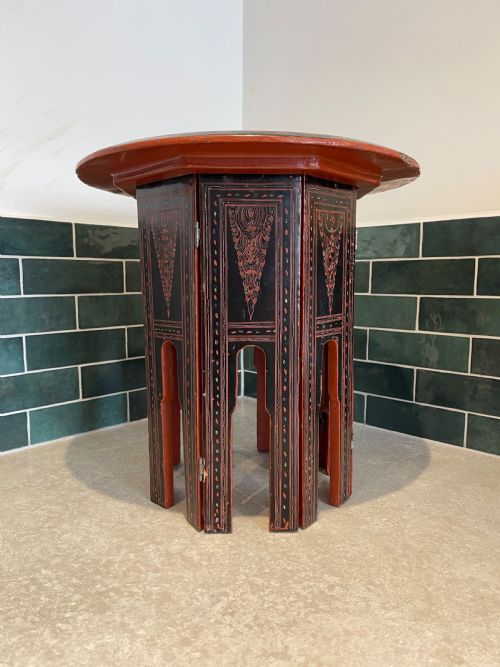


Antique Colonial Stool
An antique colonial stool brings distinct regional craftsmanship and rich carved detail into a room.
Antique Colonial Stool
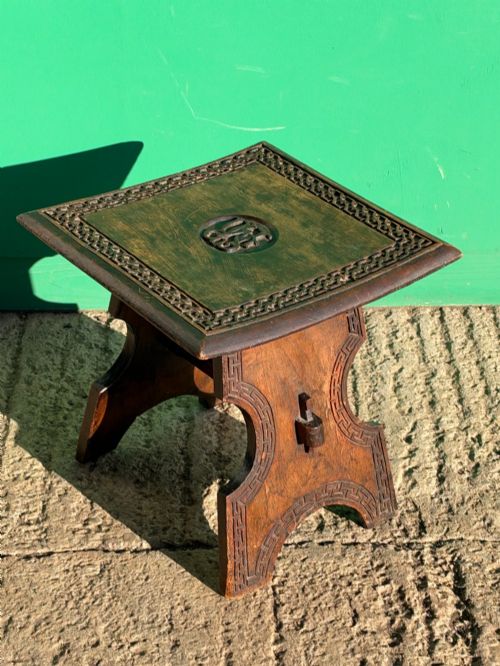
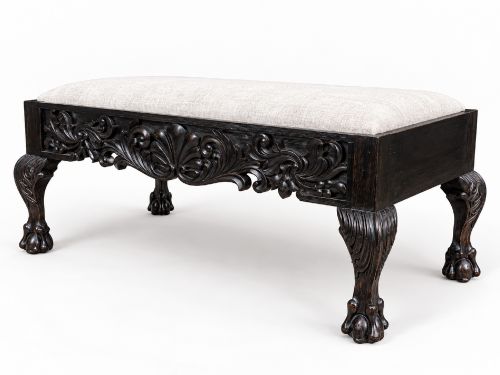
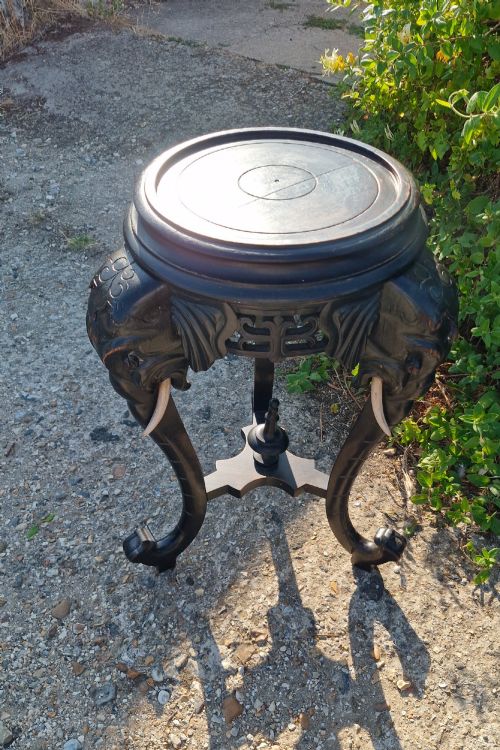
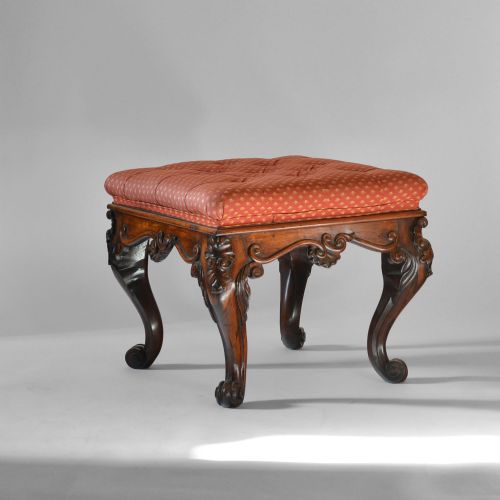
The objects listed under this search phrase often display regional variations, including carved elephant motifs, woven rattan, and zebra hide coverings. Alongside standard stools, the evidence shows related low forms functioning as footstools and window seats. Each item demonstrates the distinct influence of colonial trade and local woodworking traditions.
How they were made
The physical construction of these pieces relies heavily on dense hardwoods such as teak and rosewood, selected for durability and deep grain. Artisans employed detailed hand-carving techniques to shape complex structural elements and decorative motifs like elephants and foliage. In some instances, painted wood, bone inlay, and woven rattan add contrasting texture and visual complexity to the timber frames.
Joinery methods complement the decorative surface work, ensuring stability in heavier items like large ottomans and hall benches. Specialised materials such as bone and fabric upholstery appear across specific nineteenth-century and early twentieth-century examples. This combination of structural timber and decorative detailing defines the tangible character of each item.
Antique Colonial Stool Retail Price Guide 2026
Typical asking prices for colonial stool among the pieces listed under this phrase on Sellingantiques today, from the lower quarter to the upper quarter. They describe what is for sale here now, not the wider market.
Several pieces feature painted wooden tusks or full elephant figures supporting the structure, bringing a distinct fauna-inspired presence indoors.
What varies in quality
The standard of carving and surface detail differentiates simpler utilitarian items from more ambitious decorative works. Crisp execution in carved hardwood motifs, such as figures and floral patterns, indicates a higher level of workshop skill. Conversely, softer definition in the carved elements points toward a more rudimentary production.
Material selection and finishing also influence the overall caliber of a piece, particularly in the contrast between plain timber and examples featuring intricate bone inlay or specialised hides. The integration of structural elements like woven rattan or upholstered surfaces affects both daily utility and visual coherence. Ultimately, the depth of regional stylistic execution dictates where a piece sits within the range.
The Antique Colonial Stool Glossary
- Anglo-Indian
- A style describing furniture made in India during the British period, often combining British forms with local carving traditions. These pieces frequently utilise dense tropical hardwoods.
- Batavian Baroque
- A colonial furniture style originating in Batavia, characterised by ornate carved details and substantial proportions. It reflects Dutch and local Indonesian stylistic interactions.
- Bone Inlay
- A decorative technique where small pieces of bone are set into the wooden surface to form geometric or figurative patterns. This method adds contrasting pale highlights to dark timber.
- Rattan
- A palm-derived material woven to create flexible panels for seating and surface details. It provides a light, breathable texture that contrasts with solid hardwood frames.
Antique Colonial Stool: Frequently Asked Questions
What is an antique colonial stool?
An antique colonial stool is a low seating piece produced during the nineteenth or early twentieth centuries within regions under British or European influence. These items often showcase local carving traditions applied to dense tropical timbers.
They serve as functional seating or decorative accents, frequently incorporating regional motifs such as carved elephants or woven rattan panels.
How do I identify the style?
Identifying the style involves examining the specific carving motifs, wood types, and regional design characteristics present on the piece. Terms like Anglo-Indian or Batavian Baroque point to distinct geographic workshops and aesthetic traditions.
Comparing the structural form, such as a circular occasional shape or a rectangular footstool, helps narrow down the origin period.
How should I care for hardwood?
Maintaining hardwood furniture requires protecting the timber from extreme changes in humidity and direct sunlight to prevent drying or cracking. Regular dusting with a soft cloth preserves the finish of carved surfaces without abrasive cleaning agents.
For pieces with bone inlay or fabric elements, gentle handling ensures the delicate materials remain secure within the wooden frame.