





Antique Collector Instrument
An antique collector instrument is a precision object of utility or study, prized by those who value mechanical ingenuity and historical craftsmanship.
Antique Collector Instrument
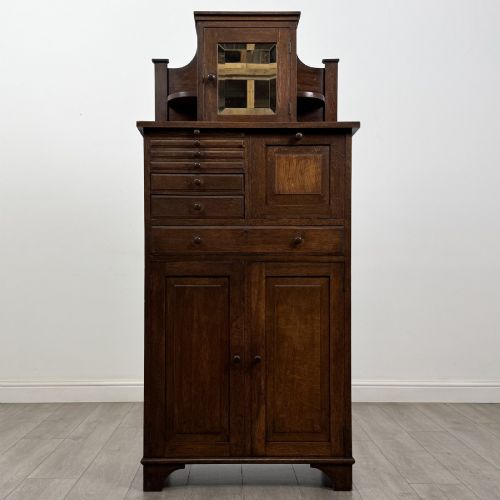
An antique collector instrument encompasses scientific tools, specialty carrying chests, and cabinetry designed for specimens and equipment. When searching for an antique collector instrument, buyers encounter items ranging from medical chests and microscopes to precision theodolites and violin bows.
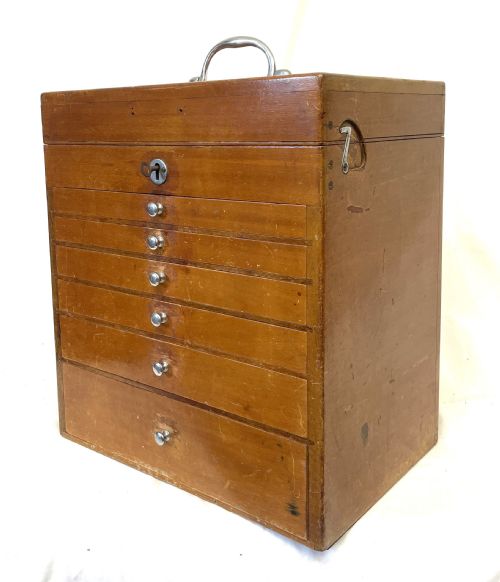
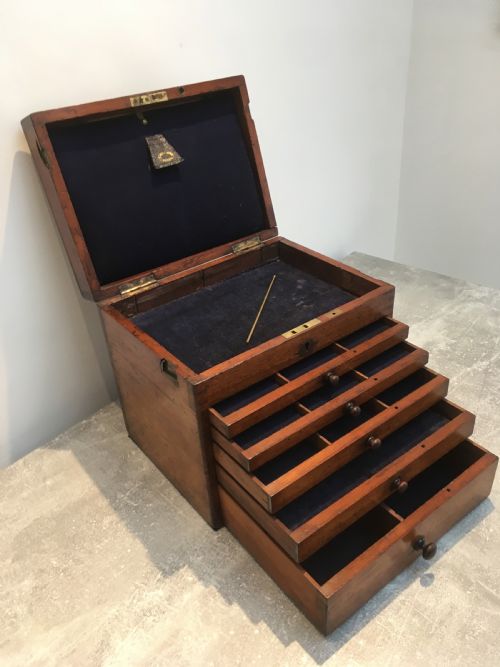
The objects on this page originate from periods such as the Georgian, Victorian, and mid-twentieth century eras. Forms include tabletop cabinets, multi-drawer slide chests, and fitted mahogany instrument cases made for professionals and enthusiasts alike.
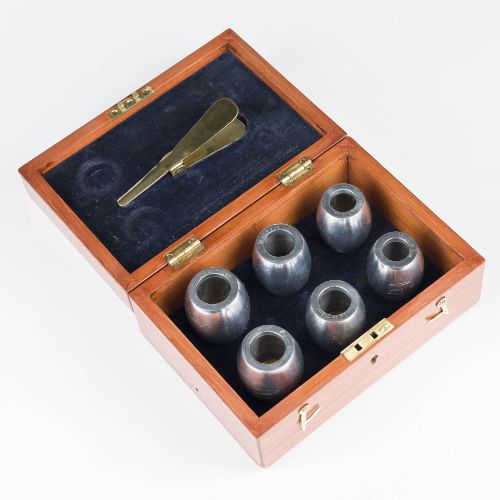
Many listings combine the instrument itself with its dedicated housing, pairing brass optics or steel mechanisms with fitted wooden protection. These survivals reflect the practical storage needs of past scientific and musical endeavours.
How they were made
Construction relies heavily on dense hardwoods such as mahogany and oak, chosen for structural stability in protecting delicate contents. Joinery in these cabinets and cases uses traditional techniques to ensure durability over centuries of use.
Metal components utilise brass and steel, providing the weight and rigidity required for scientific accuracy in items like microscopes and theodolites. Interior linings often incorporate velvet to cushion sensitive instruments and slides during transport or storage.
Antique Collector Instrument Retail Price Guide 2026
Typical asking prices for collector instrument among the pieces listed under this phrase on Sellingantiques today, from the lower quarter to the upper quarter. They describe what is for sale here now, not the wider market.
Listings span the Victorian era, the nineteenth century, and decades into the twentieth century, utilising brass, mahogany, and velvet.
What varies in quality
Quality reveals itself in the precision of the mechanical assembly and the choice of primary timber for the cabinetry. Pieces constructed with substantial mahogany housings and intact original fittings sit at the upper end of the scale.
The degree of specialisation in the storage design also marks differences across examples, such as multi-drawer slide cabinets built to precise modular tolerances. Conditioned interiors with original velvet and complete sets of fitted equipment elevate the character of a surviving instrument.
De Grave Short And Co·H Hughes And Son·John Dodd·Alexander Adie
The Antique Collector Instrument Glossary
- Altazimuth theodolite
- An instrument designed for measuring horizontal and vertical angles in surveying and astronomy. These brass devices rest on adjustable bases and often retain fitted wooden transit boxes.
- Slide cabinet
- A specialised piece of furniture featuring numerous shallow drawers designed to organise microscopic specimens. They are frequently constructed from mahogany with delicate pull handles.
- Apothecary cabinet
- A small wooden chest fitted with multiple drawers and compartments for holding medical ingredients or equipment. These pieces often exhibit utilitarian industrial utility finishes alongside brass hardware.
- Microscope
- An optical instrument used for viewing magnified images of small objects. Victorian examples combine heavy brass frames with rack-and-pinion focusing mechanisms.
- Violin bow
- A wooden stick strung with horsehair used for playing stringed instruments. Historical examples rely on carefully shaped timber balanced for flexibility and weight.
Antique Collector Instrument: Frequently Asked Questions
What is an antique collector instrument used for?
These items served practical functions in science, medicine, surveying, and music during the nineteenth and twentieth centuries. Professionals relied on them for measurement, microscopic examination, and the safe transport of delicate tools.
Today, they are appreciated for their mechanical ingenuity and historical association with past trades and scientific study.
How do I identify a Victorian instrument case?
Victorian examples typically feature dense timbers like mahogany, often paired with brass carrying handles, escutcheons, and velvet-lined interiors tailored to specific tools. The construction prioritises robust protection for portable scientific or medical equipment.
Maker signatures or retailer plaques fitted inside the lid often confirm the period and origin of the piece.
How should I care for wooden instrument cabinets?
Keep wooden cabinets and storage chests away from direct sunlight and steady heat sources to prevent the timber from splitting. Dust them regularly with a dry cloth and avoid harsh chemical polishes.
Maintaining stable room humidity helps preserve the integrity of both the exterior wood and any internal velvet linings.
What materials are common in these instruments?
Brass and steel form the primary metallic components of the scientific and optical devices, offering durability and precision. Cases and cabinets utilise hardwoods such as mahogany, oak, and pine.
Interior elements frequently incorporate glass slides, velvet cushioning, and metal hardware to secure the equipment.