
Antique Collectible
An antique collectible brings tangible history to a shelf, spanning pocket watches, car mascots and walking sticks crafted across centuries.
Antique Collectible
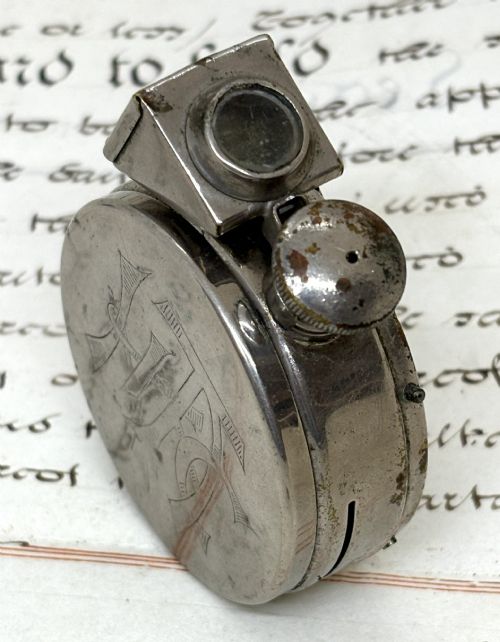
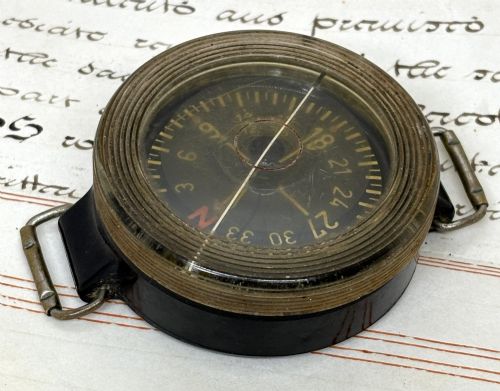
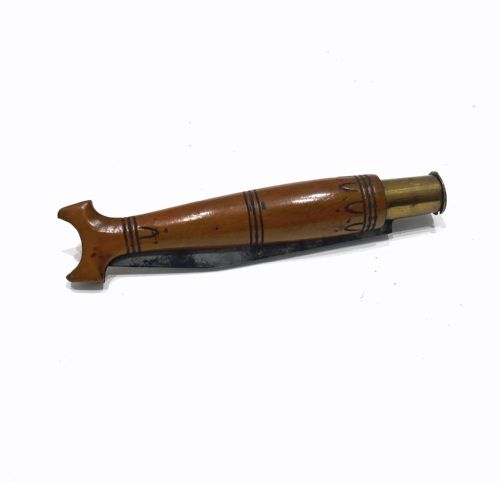
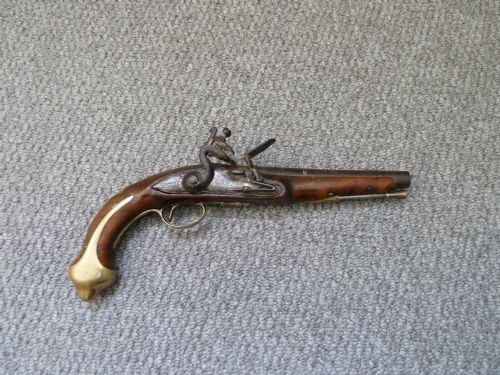
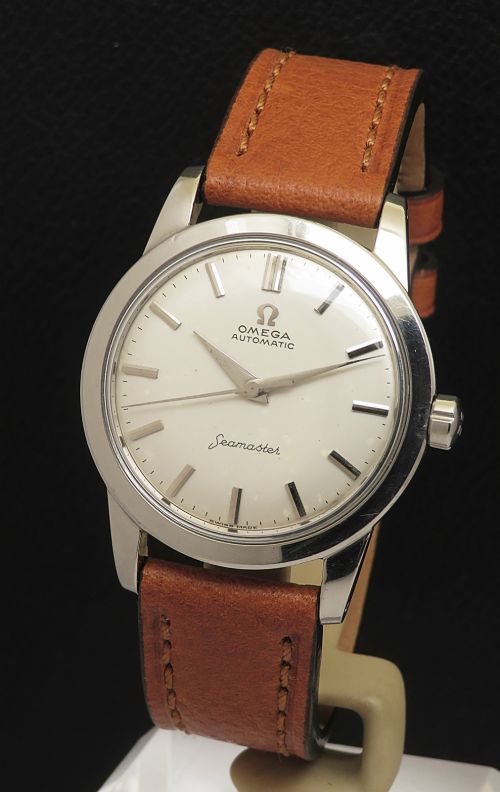
When someone searches for an antique collectible, they are looking for varied historical objects that cross domestic, military and personal domains. The category includes pocket watches, table lighters, walking sticks, decorative objects, pocket knives, cameras, navigational instruments and ceramics.
The pieces on this page span the 18th century, Victorian and Edwardian eras, and the 1920s to 1940s. Buyers encounter functional items from daily life, military equipment, novelty desk items and folk art objects.
Origin and form dictate the nature of each piece, ranging from English treen and French silver to Japanese cloisonné enamel and German military timepieces. Every object reflects the manufacturing priorities and domestic habits of its period.
Materials and methods
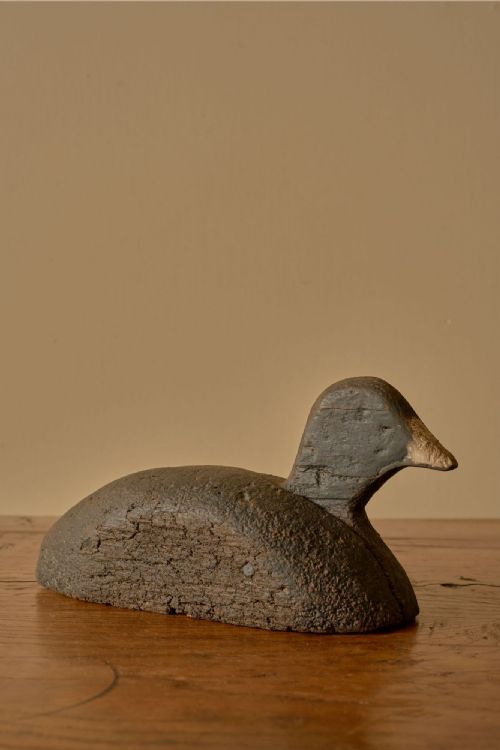
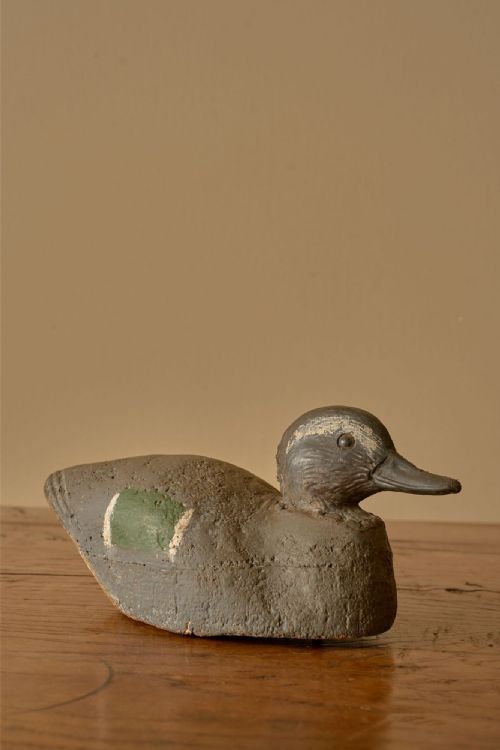
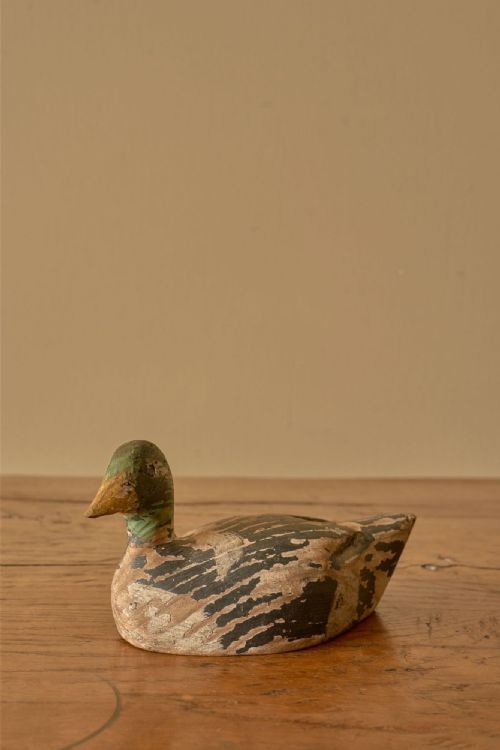
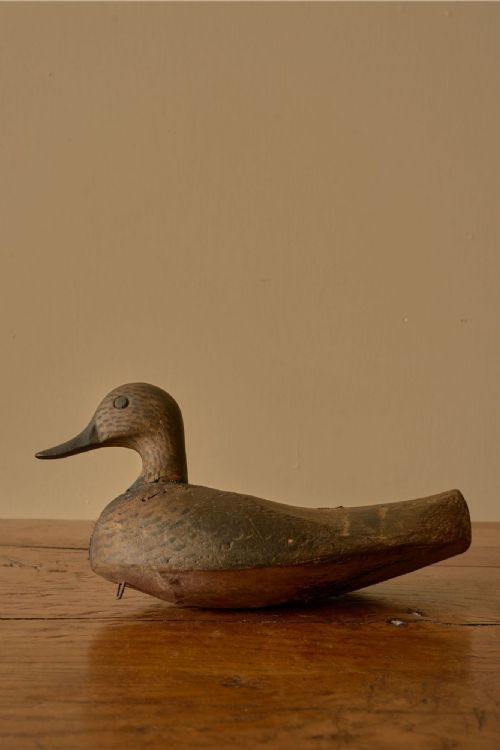
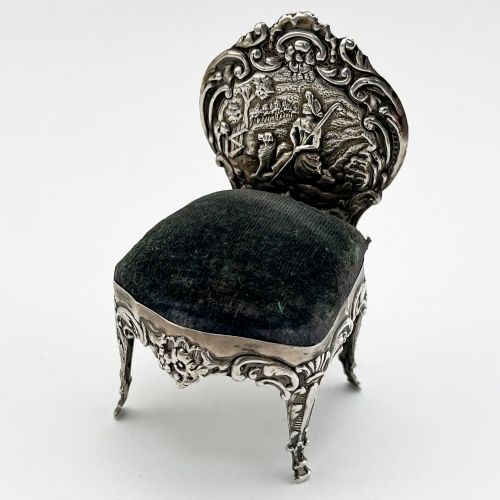
Metals form a core group, utilising brass, steel, sterling silver, gold and cast metal in timepieces, instruments, pin cushions and table lighters. Wood and fruitwood appear in treen, decoy ducks, string barrels and walking stick shafts.
Enamel, glass and porcelain provide decorative surfaces for cabinet cups, teapots, majolica jugs and netsuke. Organic materials such as mother-of-pearl and leather complete handles, cases and smaller personal items.
Periods represented include the 18th Century, Victorian, Edwardian, 1910, 1920, 1930, 1940 and 1950.
Judgements of quality
Quality rests on the precision of hand-painted detail, the crispness of casting in bronze or brass, and the preservation of original surfaces on wood and metal. Items that retain their working mechanisms, such as chronographs or compasses, hold greater integrity.
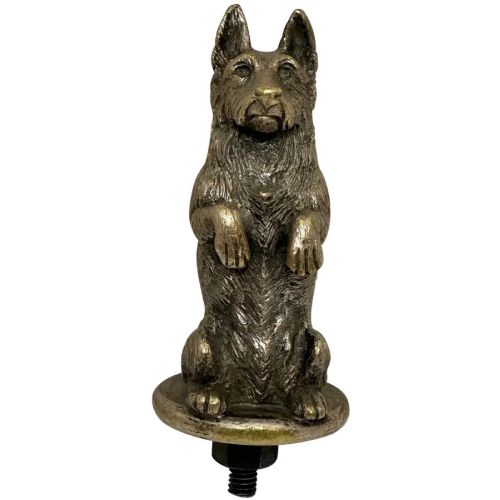
The sophistication of the design dictates distinction, separating standard utility items from inventive novelty pieces like figural car mascots, animal pin cushions and mechanical walking stick handles.
Asprey·Spode·H and R Daniel·Holdcroft·Peter and Jonathan Bateman·Fred Lawson
The Antique Collectible Glossary
- Treen
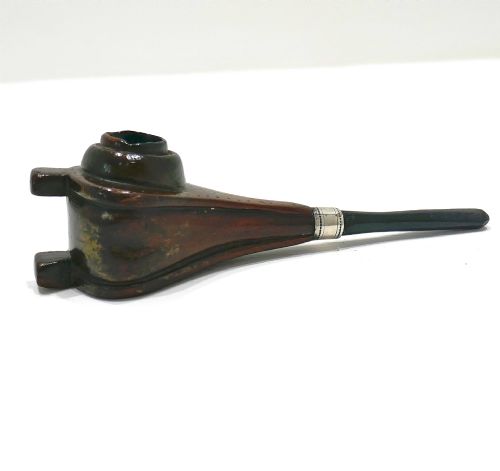
- Small handmade wooden objects created for domestic use. This term covers items like fruitwood pipe bellows and string barrels.
- Netsuke
- A small Japanese carved toggle used to secure a pouch or basket to a kimono sash. Examples often employ intricate materials like cloisonné enamel.
- Majolica
- A type of earthenware glazed with tin oxide, noted for vibrant coloured lead glazes. Victorian examples include figural jugs and animal forms.
- Car Mascot
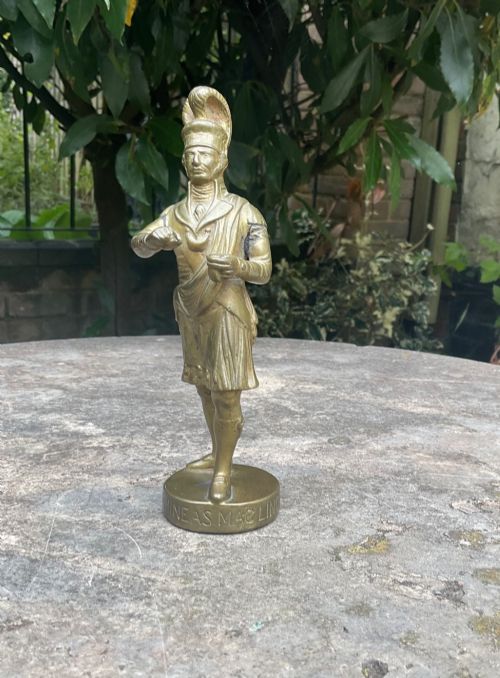
- A sculptural ornament mounted on the radiator cap of a motor car. Popularised in the early twentieth century by makers in bronze and cast metal.
- Station Pointer
- A navigational instrument used for fixing a ship's position by measuring horizontal angles. These brass and metal tools were essential for maritime plotting.
Antique Collectible: Frequently Asked Questions
What is an antique collectible?
An antique collectible is a diverse historical object ranging from pocket watches and navigational instruments to walking sticks and ceramic cups.
These pieces represent practical tools, personal accessories and decorative ornaments produced across the eighteenth, nineteenth and twentieth centuries.
How do I date a pocket watch?
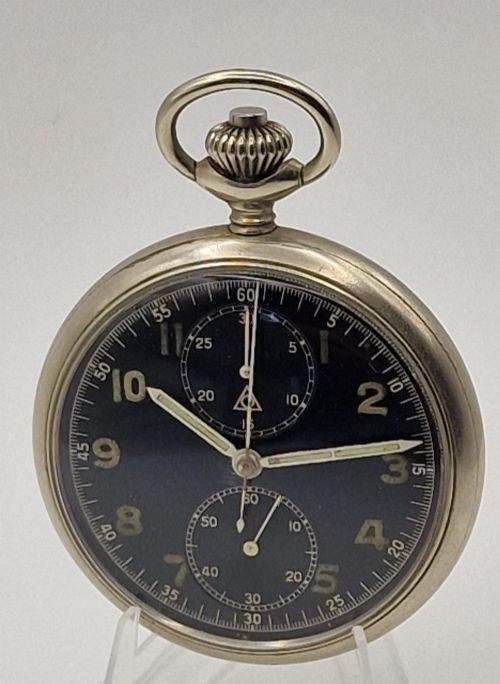
Dating a pocket watch involves examining hallmarks, case materials, movement types and maker signatures. Military issues often carry specific broad arrow marks or service numbers.
Complications like chronographs and style indicators such as Art Deco or Victorian fonts help narrow the production decade.
How were walking sticks used?
Walking sticks served as daily walking aids, fashion accessories and defensive items for gentlemen and ladies. Many featured hidden compartments or novelty handles shaped like animals and carved heads.
Prestige was often signalled by the choice of materials, including gold pommels, silver duck heads and exotic woods.