


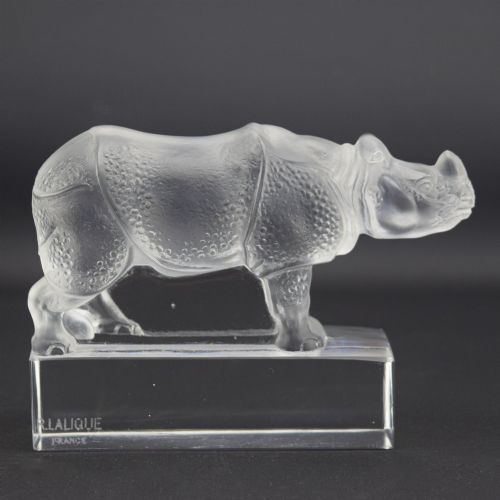

Antique Collectible Glass
Antique collectible glass brings together delicate perfume bottles, sculptural vases, and heavy paperweights created across the nineteenth and early twentieth centuries.
Antique Collectible Glass
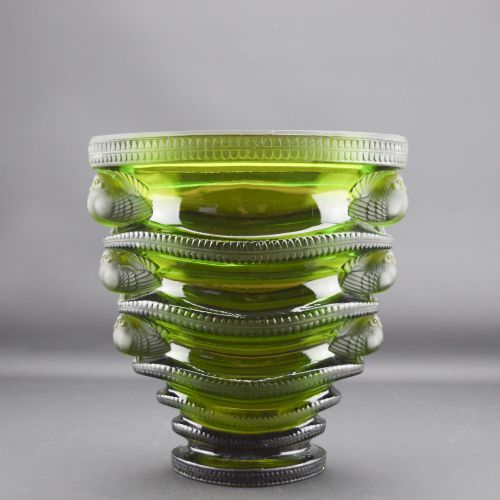
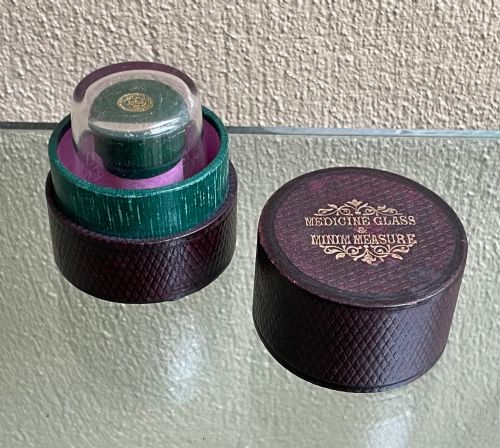
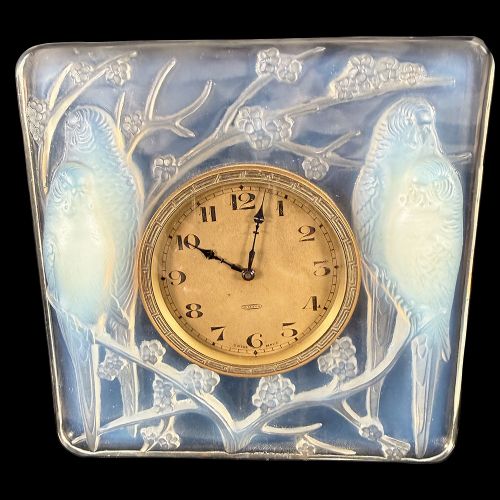
When you examine antique collectible glass, you encounter functional vessels and decorative objects originating primarily from the Victorian era through the Art Deco period. Vases, perfume bottles, and paperweights dominate the selection, alongside rarer items such as car mascots and clocks.
The most common pieces on this page stem from the early twentieth century, reflecting the shift towards Art Nouveau naturalism and Art Deco geometry. Makers utilised diverse techniques to shape clear, frosted, and opalescent materials into enduring artistic statements.
Vessels range from intimate scent bottles designed for a dressing table to substantial sculptural bowls intended for prominent display. Each piece carries the distinct aesthetic priorities of its decade, spanning from nineteenth-century utility to twentieth-century luxury.
Materials and methods
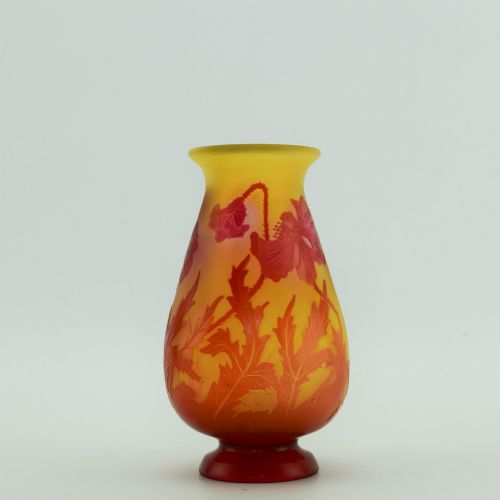
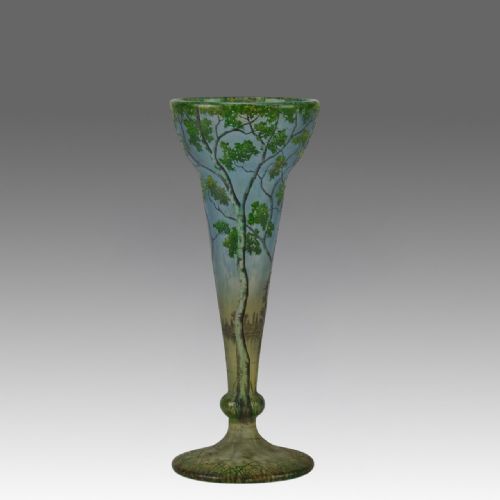
Artisans manipulated glass through specialised methods including acid-etching, enamelling, and cameo layering to achieve depth and texture. Cameo glass requires multiple layers of contrasting glass fused together and carved down to reveal intricate motifs.
Makers also embraced opalescent and frosted treatments to diffuse light across sculptural forms like vases and car mascots. Molten material was blown or pressed into moulds, often finished with manual polishing or staining to accentuate details.
Listings feature items spanning the Victorian era through the 1930s, highlighting frosted, clear, and opalescent glass forms.
Determining quality
Quality rests upon the crispness of the moulded or carved detail and the artistic ambition of the design. Pieces displaying refined proportions and deliberate colour integration stand apart from simpler utilitarian vessels.
The sophistication of the surface finish, whether through precise acid-etching or delicate enamelling, dictates the standing of an object. Original mountings in silver or brass further elevate the integrity of the piece.
Rene Lalique·Daum Freres·Galle·Tiffany and Co
The Antique Collectible Glass Glossary
- Cameo glass
- A form of art glass produced by fusing layers of different coloured glass together before carving away the exterior layers to create a raised design. This technique demands immense patience and technical skill.
- Opalescent glass
- Glass containing ingredients that cause it to milky-blue or white when viewed by reflected light, while appearing amber or warm by transmitted light. It creates a luminous, glowing effect on sculptural objects.
- Acid-etched glass
- A surface treatment achieved by submerging glass in acid to eat away exposed areas, creating a frosted or textured matte finish. This method allows for precise control over decorative patterns.
- Millefiori
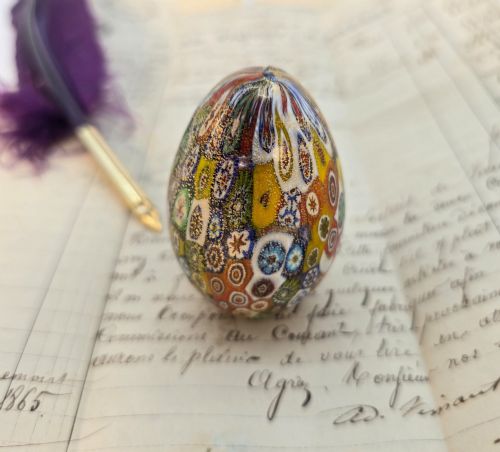
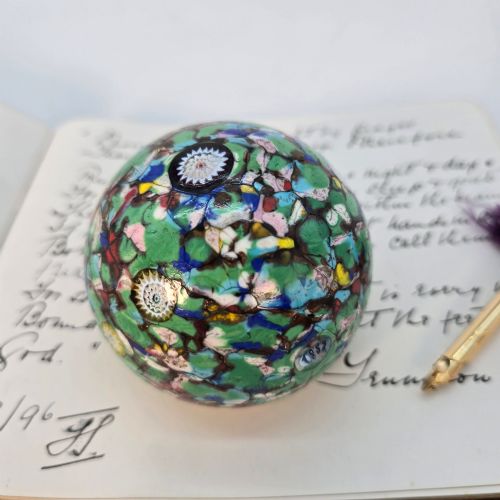
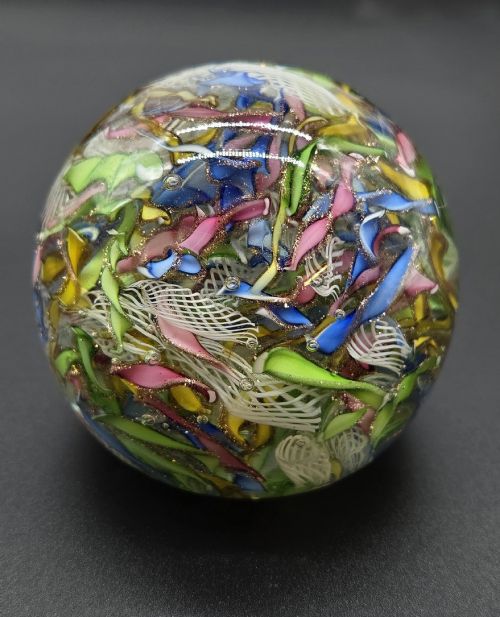
- A glasswork technique involving multi-coloured glass rods heated and pulled into thin threads, then sliced to reveal mosaic-like patterns. These sections are gathered within clear glass to form intricate paperweights.
- Car mascot
- A sculptural ornament mounted on the radiator caps of luxury motor cars during the early twentieth century. Many celebrated makers produced these in heavy moulded glass.
Antique Collectible Glass: Frequently Asked Questions
How do I display antique glass safely?
Position glass objects away from direct, harsh sunlight to prevent any fading of coloured or stained elements. Ensure shelves are stable and deep enough to support heavier pieces like paperweights and large vases securely.
Keep items away from areas prone to sudden temperature fluctuations or heavy foot traffic vibrations. Proper spacing between fragile pieces prevents accidental contact and potential chipping.
What is cameo glass?
Cameo glass is a vessel formed from two or more fused layers of contrasting colours. Artisans carve away the outer layer to leave a raised, detailed design standing out against the background.
This labour-intensive technique reached remarkable heights during the Art Nouveau period. Pieces often feature natural motifs such as floral sprays or sweeping landscapes.
How do I date perfume bottles?
Examine the form, stopper style, and any signature or registry marks present on the base. Twentieth-century bottles often reflect Art Nouveau curves or Art Deco symmetry in their silhouettes.
Silver mounts or hallmarks can provide precise year indicators when present. Packaging or labels, if retained, offer further clues regarding production eras.