




Antique Collectable Tin
An antique collectable tin is a portable metal container holding a story, from legal wigs to novelty biscuits, built to last and display.
Antique Collectable Tin
When you search for an antique collectable tin, you encounter a varied assortment of functional metal objects spanning the nineteenth and early twentieth centuries. These pieces encompass utilitarian kitchenalia, legal accessories, and shaped novelty containers produced by established biscuit and confectionery firms.
You are most likely to meet Victorian and Edwardian examples on this page, including barrister wig cases, jelly moulds, and decorative packaging. These items reflect the domestic, commercial, and professional packaging methods of their eras.
How they were made
Makers utilised painted tinplate and sheet metal, often combining tin with copper linings or brass elements for domestic kitchenalia and storage items. Lithographic printing and hand painting applied pictorial designs, text, and decorative surfaces to the metal body.
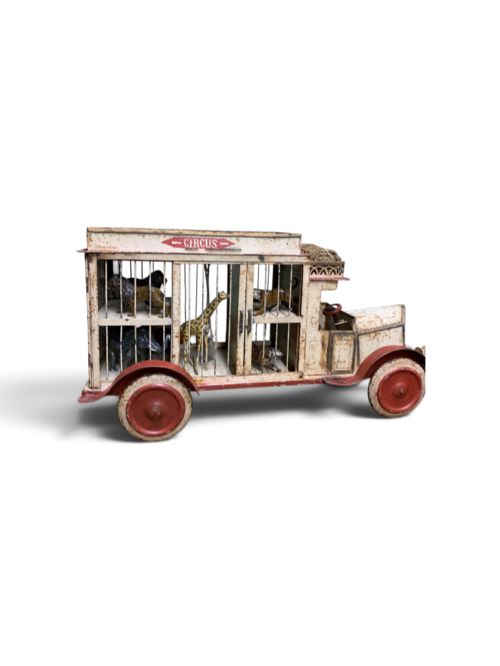
Toy vehicles and novelties employed pressed tinplate construction, shaped to resemble trucks, cars, books, and carved wooden boxes. Internal components sometimes incorporated materials such as horsehair and cotton for specialised contents.
Antique Collectable Tin Retail Price Guide 2026
Typical asking prices for collectable tin among the pieces listed under this phrase on Sellingantiques today, from the lower quarter to the upper quarter. They describe what is for sale here now, not the wider market.
A cheerful biscuit tin tractor chugs alongside a circus lorry, proving that early snack packaging doubled as nursery amusement.
What varies in quality
The standard of surface decoration and lithography dictates the visual appeal of a piece, with crisp, multi-coloured printing outperforming faded or plain surfaces. The complexity of the tin's shape, especially in novelty biscuit containers and toy vehicles, distinguishes ordinary containers from ambitious manufacturing feats.
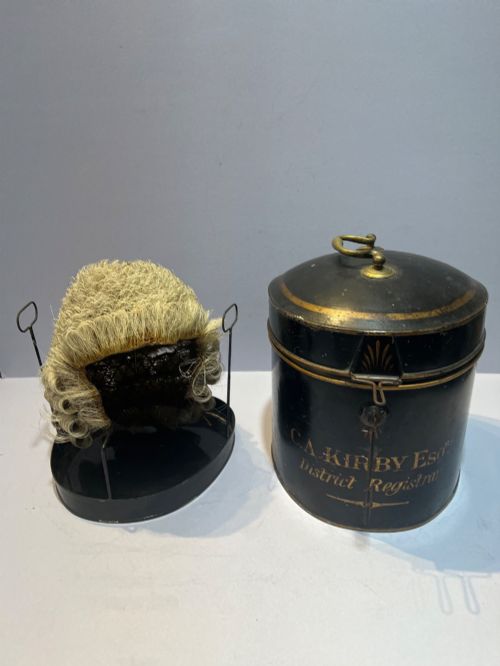
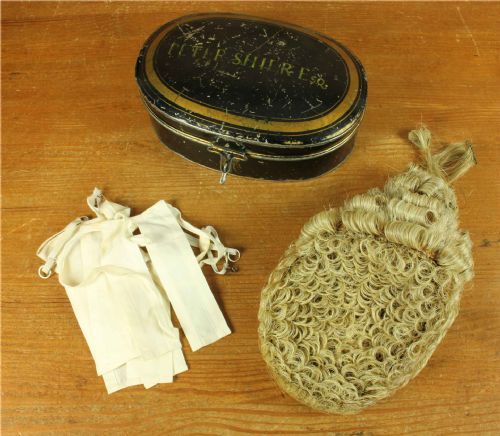
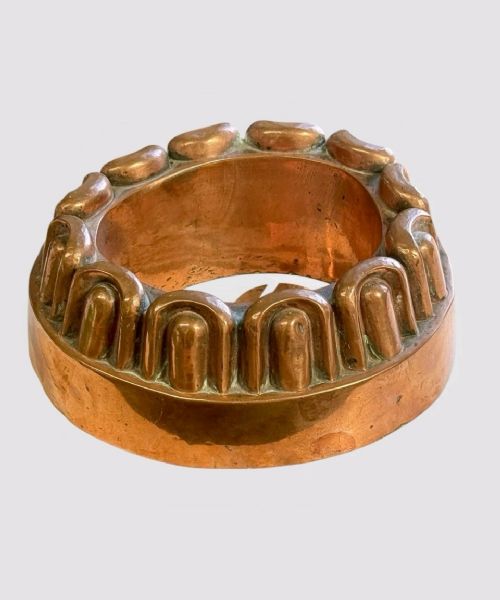
Original fittings and associated contents, such as legal wigs inside marked cases or tin linings in copper moulds, elevate the historical integrity of the object. The clarity of maker markings and crispness of embossed details further separate standard containers from desirable examples.
Eade and Son·Ravenscroft Law·Peter Shier·Huntley and Palmers·William Crawfords and Son Ltd·Hoge New York
The Antique Collectable Tin Glossary
- Tinplate
- Iron or steel sheet coated with tin to prevent corrosion. This material formed the structural foundation for the majority of decorative boxes, toys, and packaging.
- Lithography
- A planographic printing process utilising oil and water on a stone or metal plate. Manufacturers applied this technique to transfer detailed, colourful imagery directly onto metal sheets before assembly.
- Kitchenalia
- Utilitarian and decorative objects used in domestic food preparation. Examples on this page include copper jelly moulds featuring protective tin linings.
- Novelty tin
- A container manufactured in an imaginative shape outside the standard cylindrical or rectangular box. Makers produced these to resemble books, carved boxes, or vehicles to boost commercial sales.
Antique Collectable Tin: Frequently Asked Questions
What is an antique collectable tin used for?
These metal containers originally served practical purposes, such as storing dry goods, biscuits, tobacco, or professional legal wigs during the nineteenth and early twentieth centuries.
Today, collectors utilise them as decorative display objects, desktop storage, or focal points within specialised collections of social history and packaging.
How do I identify a Victorian tin?
Victorian examples typically display nineteenth-century manufacturing techniques, hand-painted details, or early lithographic printing styles characteristic of the period before mass automation.
Examine the construction methods, typography, and any maker inscriptions to confirm whether a piece originates from the Victorian era or later Edwardian decades.
Why are some tins shaped like books?
Confectionery manufacturers produced novelty containers shaped like books, carved boxes, or vehicles to encourage buyers to keep and display the packaging long after the biscuits were eaten.
These decorative items doubled as ornamental desk accessories, making them highly desirable examples of early twentieth-century commercial design.
Are legal wig tins rare?
Containers made to house barrister wigs and legal accessories reflect professional practices of the nineteenth century and bear specific maker or owner names.
Their survival alongside the original wig or specialised interior fittings provides a direct link to legal history that general storage containers lack.