




Antique Collectable Stick
An antique collectable stick is a traditional support or gentleman's accessory, valued for intricate handles, concealed blades and fine materials.
Antique Collectable Stick
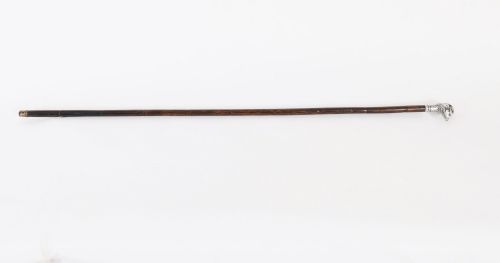
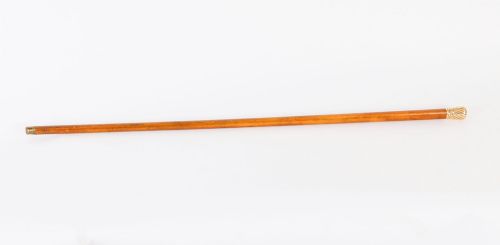
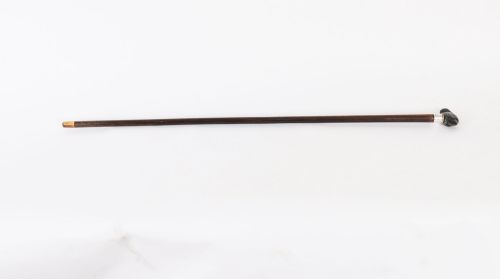
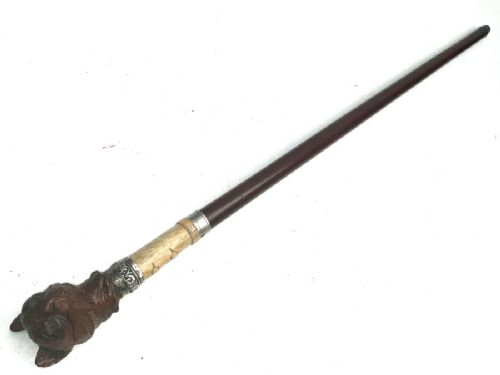
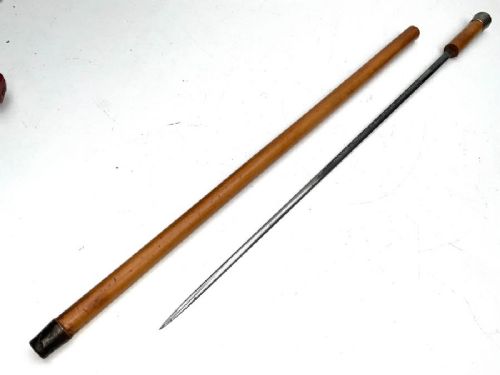
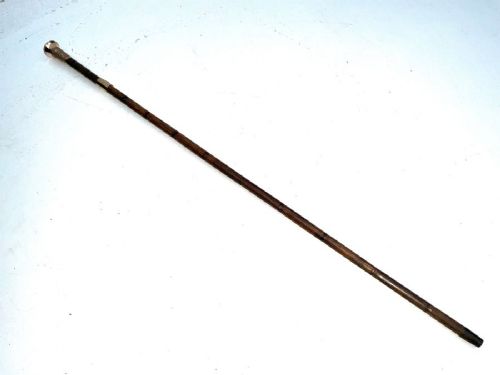
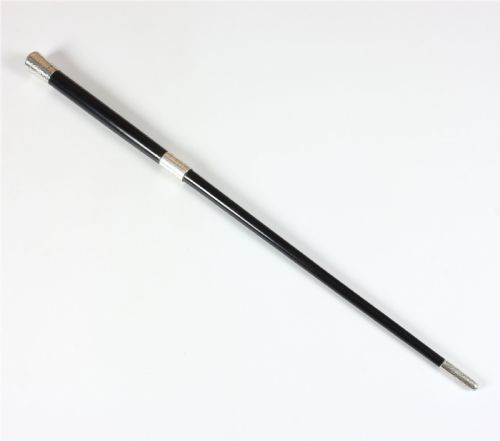
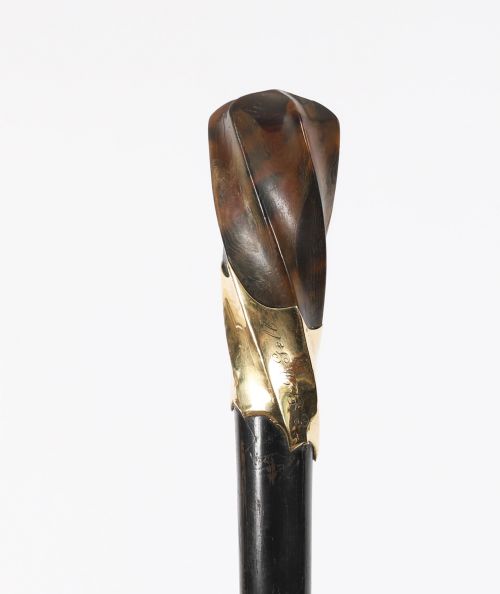
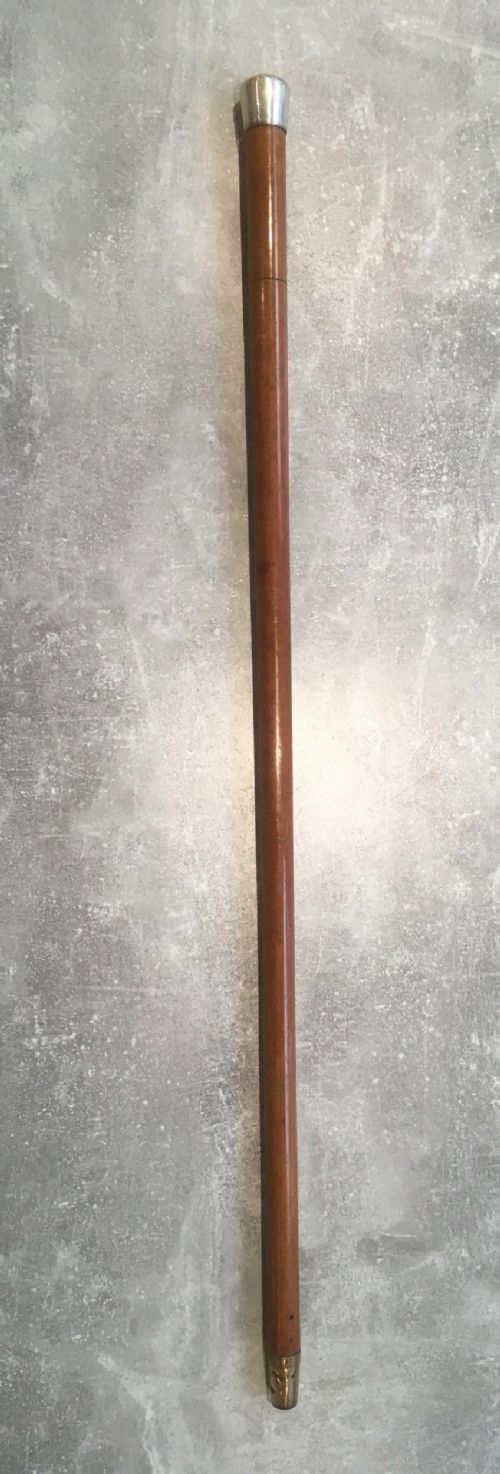
An antique collectable stick encompasses walking canes, swagger sticks, conductors' batons and related items used across the nineteenth and early twentieth centuries. Walking sticks and sword sticks dominate the selection, often featuring carved animal heads, precious metal pommels or hidden functional elements.
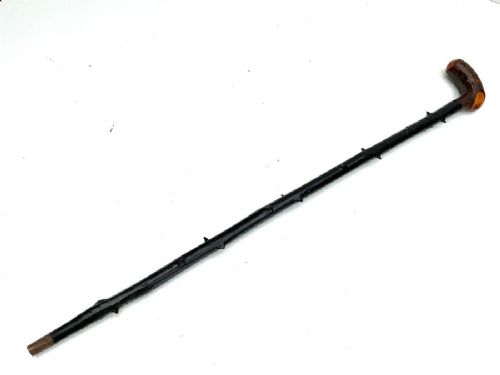
The pieces on this page span the Victorian, Edwardian, Art Nouveau and Art Deco periods, alongside traditional Irish blackthorn and folk art pieces. Materials range from simple hardwoods and horn to mounted silver, gold and porcelain.
Buyers encounter standard gentleman's walking supports alongside specialised novelty items like gadget sticks with concealed corkscrews or Masonic symbols. Each example reflects the social standing and personal tastes of its original owner.
How they were made
Natural materials form the core of these pieces, utilising dense hardwoods such as ebony, malacca and holly, alongside organic elements like horn, bone and leather. Artisans shaped and steamed these timbers to achieve straight shafts or characteristic root-ended handles.
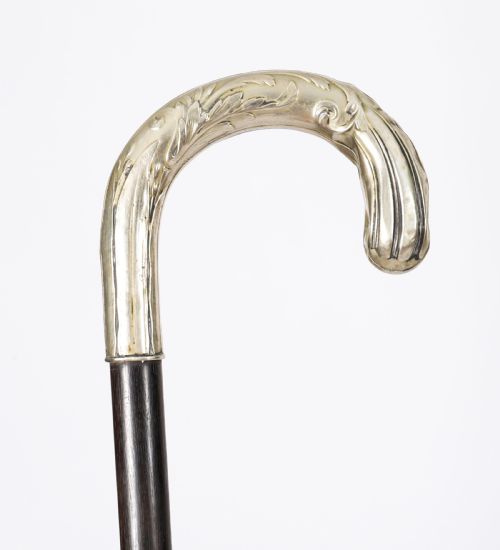
Metalwork and ceramics added distinction, employing cast silver, gold plate, brass and steel for collars, pommels and concealed blades. Porcelain sections, notably from French manufacturers, were decorated and fitted securely to wooden shafts with metal pins and collars.
Antique Collectable Stick Retail Price Guide 2026
Typical asking prices for collectable stick among the pieces listed under this phrase on Sellingantiques today, from the lower quarter to the upper quarter. They describe what is for sale here now, not the wider market.
The selection includes specialised objects such as choir conductor batons, knitting sheaths and calligraphy ink blocks alongside walking sticks.
What varies in quality
The calibre of craftsmanship in the handle carving and metal chasing separates standard items from exceptional pieces. Finely detailed silver animal heads, marked gold pommels and hand-painted porcelain indicate superior workshop output.
Material selection and structural integrity also define the grade of a stick, from common domestic woods to imported exotic hardwoods and heavy gauge silver mounts. The precision of the fit in sword sticks and gadget mechanisms reveals the skill of the original maker.
Sevres
The Antique Collectable Stick Glossary
- Pommel
- The decorative knob or handle fitted to the top of a walking stick. These were frequently fashioned from precious metals, carved bone or porcelain.
- Sword stick
- A walking stick containing a concealed steel blade within the wooden shaft. They often feature a locking mechanism to secure the blade.
- Swagger stick
- A short, light cane carried by military officers or gentlemen as a mark of authority. They are typically slimmer than standard walking sticks.
- Treen
- Small handmade wooden objects produced before the widespread adoption of plastics. This term covers various turned wooden components and handles.
- Knop
- A rounded knob or decorative swelling on a handle, shaft or blade. They are commonly accented with silver or gold plating.
Antique Collectable Stick: Frequently Asked Questions
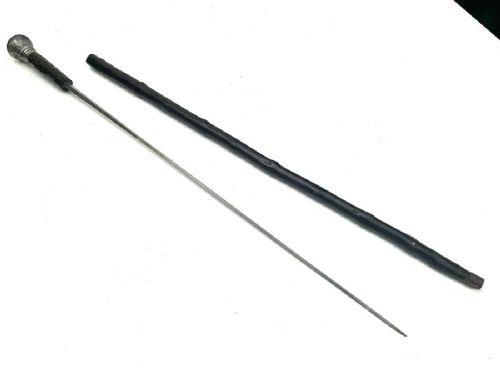
What is a sword stick?
A sword stick is a walking cane that houses a concealed steel blade inside the wooden shaft. The blade is secured by a friction fit or a release catch.
Historically carried for personal protection, these pieces often combine the outward appearance of a gentleman's accessory with a functional hidden weapon.
How are walking sticks dated?
Dating relies on hallmarks on silver or gold mounts, maker marks, and stylistic indicators such as Art Nouveau curves or Art Deco geometry. Materials and construction methods also point to specific eras.
Detailed inspection of the collar, handle style and any presentation inscriptions helps narrow down the manufacturing decade.
What are gadget sticks?
Gadget sticks are walking supports that incorporate hidden tools or unexpected functions into the handle or shaft. Examples include built-in corkscrews, musical mechanisms or surveying instruments.
These novelty items were popular among Victorian gentlemen who appreciated clever engineering and discreet utility.
How do I care for antique wood?
Antique wood requires stable indoor humidity and protection from direct sunlight to prevent warping and splitting. Occasional application of appropriate wax maintains the finish.
Avoid harsh chemical cleaners and excessive moisture, particularly on leather-covered shafts and delicate metal mounts.