




Antique Coffer on Legs
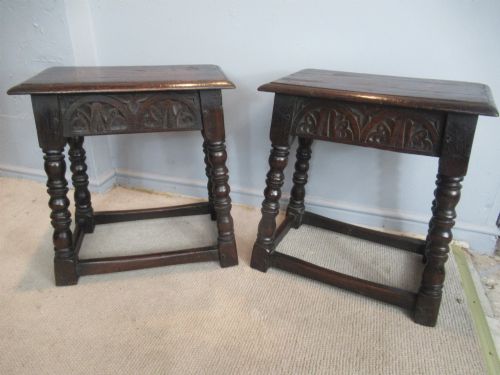
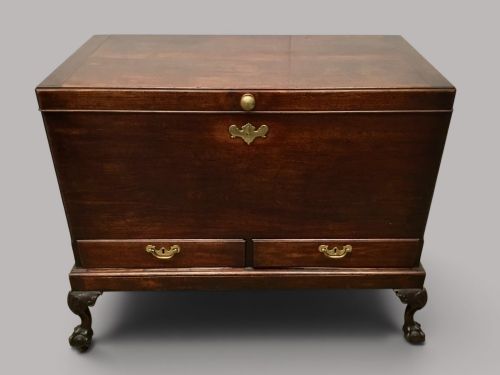
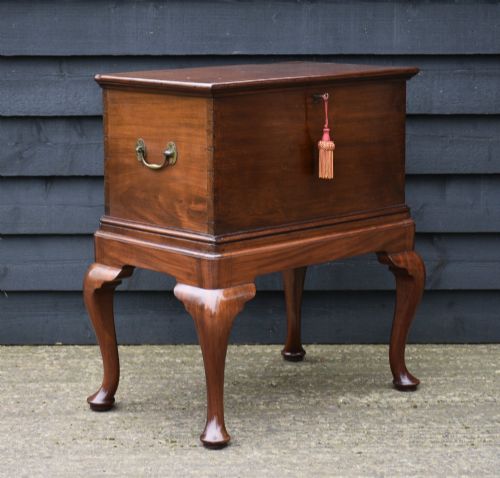
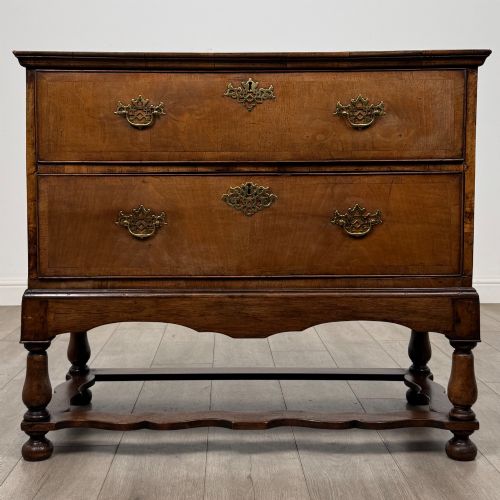
These antique coffer on legs pieces combine secure storage with elevated frames, giving you a practical box raised upon a stand or base.
Antique Coffer on Legs
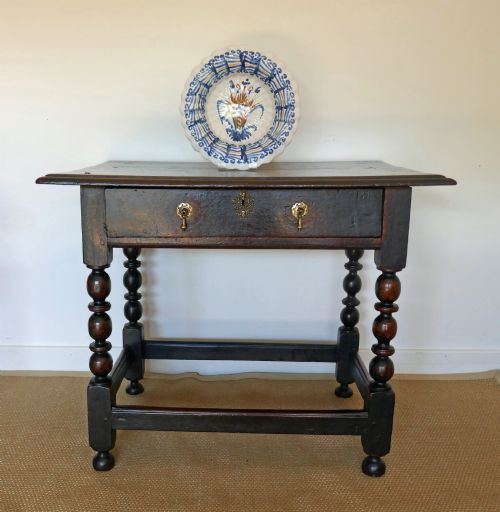
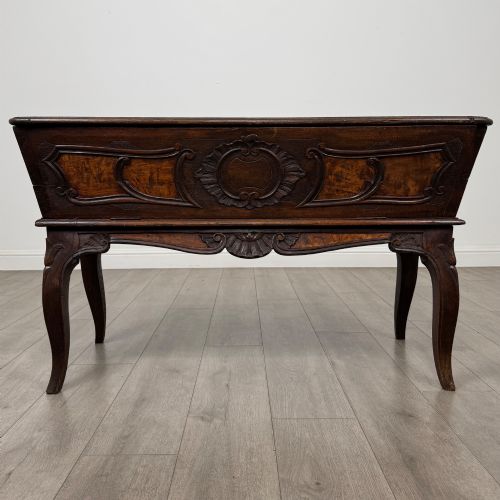
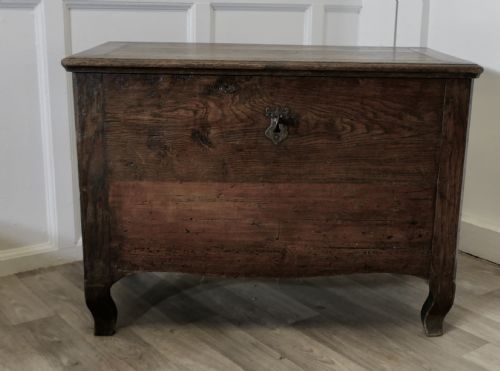
An antique coffer on legs brings together a lidded box or chest with an elevated stand, creating a piece of furniture designed for both storage and display. When you search for an antique coffer on legs, you encounter forms that merge deep storage compartments with raised bases, functioning similarly to chests on stands, dough bins, and box stools.
The versions met on this page span several centuries, reaching from the seventeenth century through the Georgian and Victorian eras. You find domestic pieces originating from English and French workshops, utilising woods like oak, walnut, and mahogany alongside iron and brass hardware.
Materials and construction
Joinery and cabinetmaking methods define these pieces, relying heavily on solid timbers such as oak, walnut, and mahogany. Carpenters and cabinetmakers constructed the primary boxes using pegged mortise and tenon joints, dovetails, or panelled construction to ensure rigidity.
Stands and bases utilise turned legs, stretchers, or bracket feet that support the weight of the upper chest. Secondary woods and decorative veneers like burr walnut, satinwood, and ebony appear alongside forged iron hinges and brass drop handles.
Antique Coffer on Legs Retail Price Guide 2026
Typical asking prices for coffer on legs among the pieces listed under this phrase on Sellingantiques today, from the lower quarter to the upper quarter. They describe what is for sale here now, not the wider market.
Several dough bins hide their rustic origins beneath remarkably polite French polish.
Distinctions in quality
The standard of timber selection and joinery execution determines where a piece sits within the range. Superior examples feature well-figured grain, such as burr walnut or substantial quarter-sawn oak, matched with proportional stands that complement rather than overpower the upper box.
Integration between the coffer and its base also dictates craftsmanship level. Pieces where the stand shares the period, timber species, and patination of the upper chest demonstrate cohesive design and structural integrity.
The Antique Coffer on Legs Glossary
- Chest on Stand
- A tall storage form consisting of a box or chest resting upon an elevated frame with legs. This configuration lifts the contents off damp floors.
- Dough Bin
- A specialised trough or box designed for kneading and rising bread dough, frequently fitted with a stand or trestle base. These often appear in French provincial forms.
- Patina
- The surface sheen and colour acquired by wood and metal through age, use, and polishing. It serves as an indicator of original finish and longevity.
- Stretcher
- A horizontal wooden brace connecting the legs of a table or stand for added stability. Early seventeenth and eighteenth-century examples utilise these extensively.
Antique Coffer on Legs: Frequently Asked Questions
What is an antique coffer on legs?
An antique coffer on legs is a storage chest raised on an integrated or associated base with legs. This form lifts the main compartment off the floor for easier access and aesthetic proportion.
Such pieces bridge the gap between heavy floor chests and elevated cabinets, serving as versatile storage units in domestic settings.
How were these pieces used historically?
Historically, these chests stored valuables, textiles, or documents safely away from damp stone floors. Raising them on legs kept the contents cleaner and easier to reach without bending down.
Over time, variations like dough bins and wine cellarettes adapted this raised box format for food preparation and entertaining.
Where should I place a coffer on legs?
A coffer on legs functions well in a hallway, living room, or bedroom where enclosed storage is useful. Its elevated stance keeps floor space visible, making rooms feel less crowded than a heavy ground-level chest.
Keep wooden pieces away from direct heat sources and strong sunlight to protect the timber and finish.
How do I identify seventeenth-century oak furniture?
Seventeenth-century oak furniture typically exhibits visible grain, hand-cut joinery, and pegged construction without modern metal fasteners. Surfaces often display a deep, dark patina accumulated over centuries of waxing and handling.
Proportions tend to be bold and sturdy, reflecting the robust carpentry traditions of the period.