

Antique Clothing Stand
An antique clothing stand brings practical timber structure and period presence to a room, offering a dedicated place to drape garments or linens.
Antique Clothing Stand
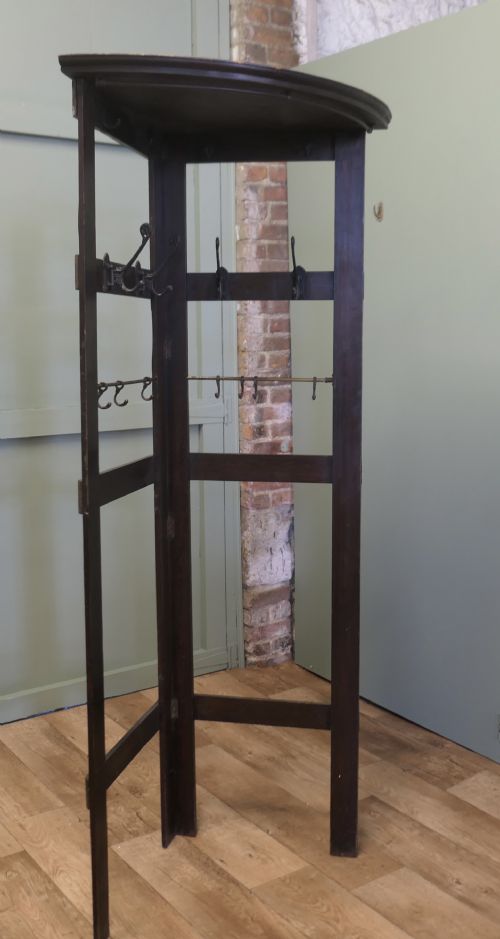
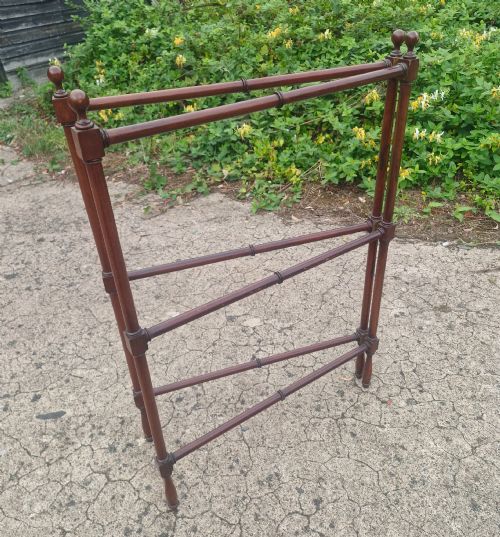
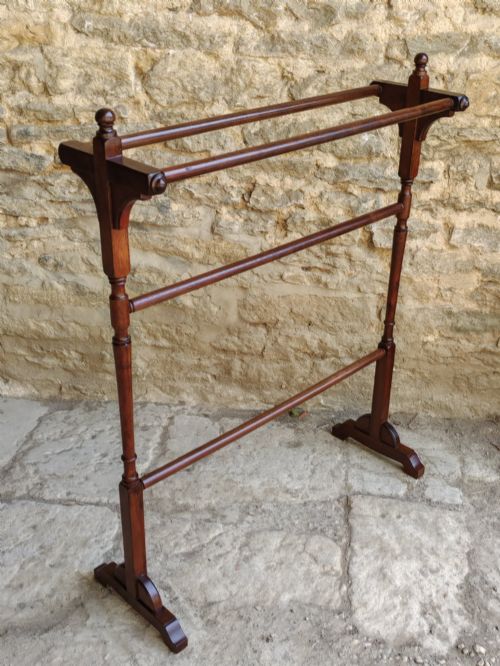
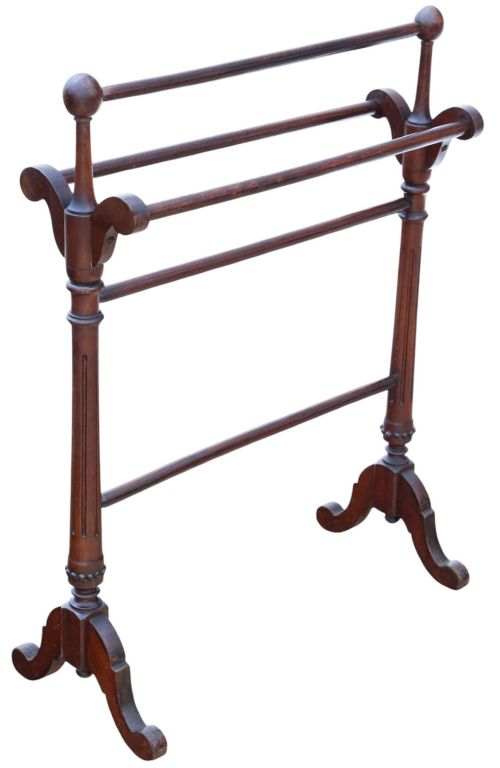
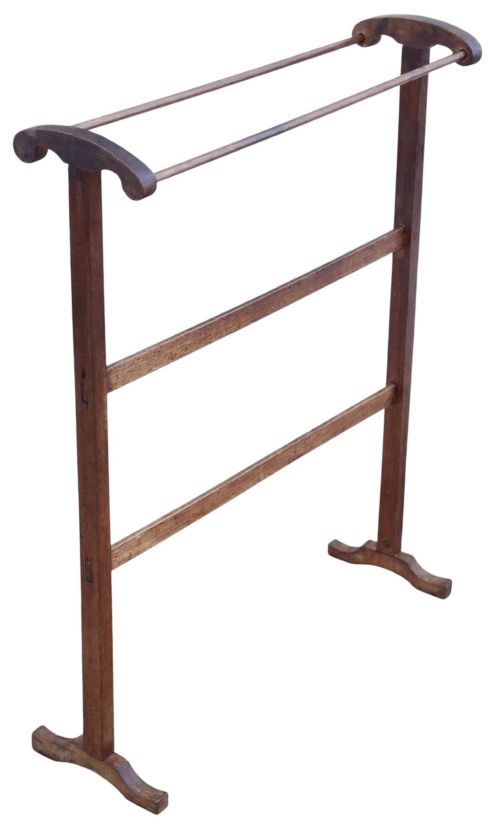
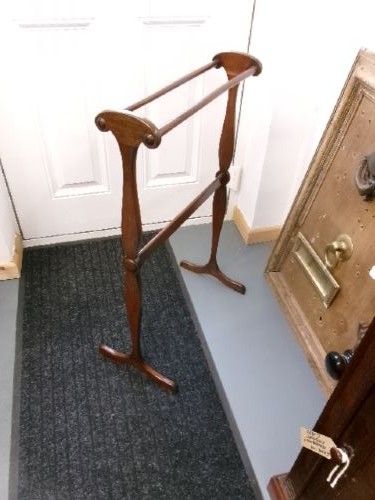
When searching for an antique clothing stand, buyers encounter a diverse selection of domestic furnishings spanning several centuries. The category encompasses everything from simple freestanding towel rails and clothes horses to substantial valet stands, robe stands, and hall stands.
Materials and construction methods
Makers relied primarily on timbers such as mahogany, oak, pine, and walnut, often shaping them with traditional joinery to withstand daily handling. Hardwoods provided durability for uprights and rails, while pine served well for secondary framework and simpler domestic items.
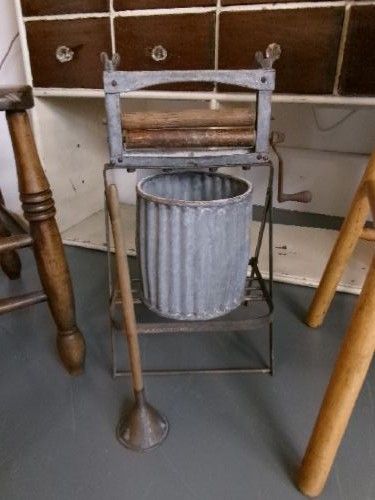
Surface finishes varied from polished mahogany and ebonised wood to lacquered Chinese surfaces and decorative painted pine. Metal components like iron and brass occasionally appeared in hinges, brackets, and specialised laundry equipment.
Listings feature items built from mahogany, pine, oak, and walnut across Victorian, Edwardian, and Georgian periods.
Assessing quality in period stands
The distinction between standard items and finer examples often lies in the selection of timber and the restraint of decoration. Selected pieces feature figured mahogany, subtle inlaid details, or well-executed turning that elevates a utilitarian object into a refined interior furnishing.
Structural integrity and proportion also separate utilitarian pieces from superior workshop output. Well-balanced stands maintain stability without excessive bulk, while surviving in a state that reflects careful domestic use over generations.
The Antique Clothing Stand Glossary
- Towel rail
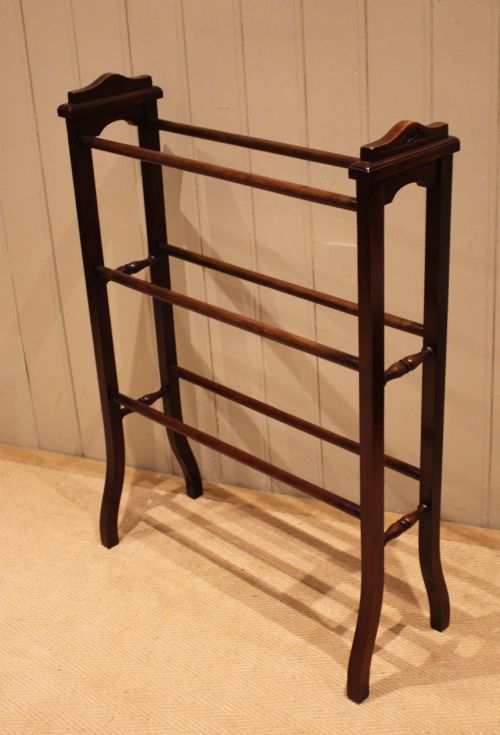
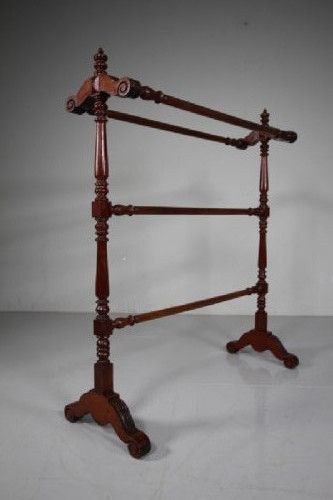
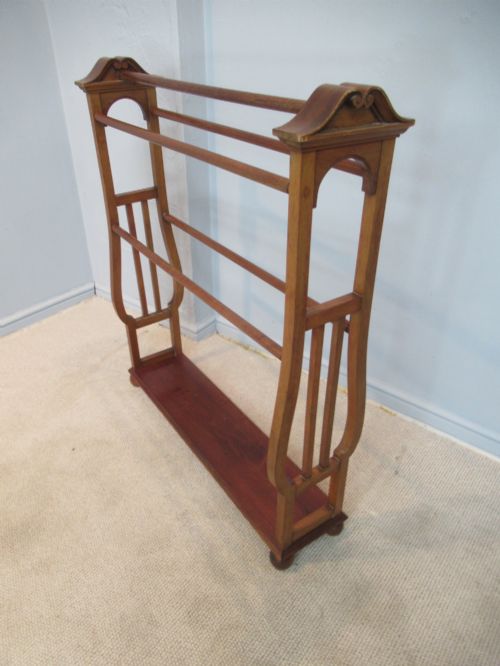
- A freestanding wooden frame with one or more horizontal bars designed for airing textiles or garments. These practical pieces were staples in bedrooms and dressing rooms.
- Valet stand
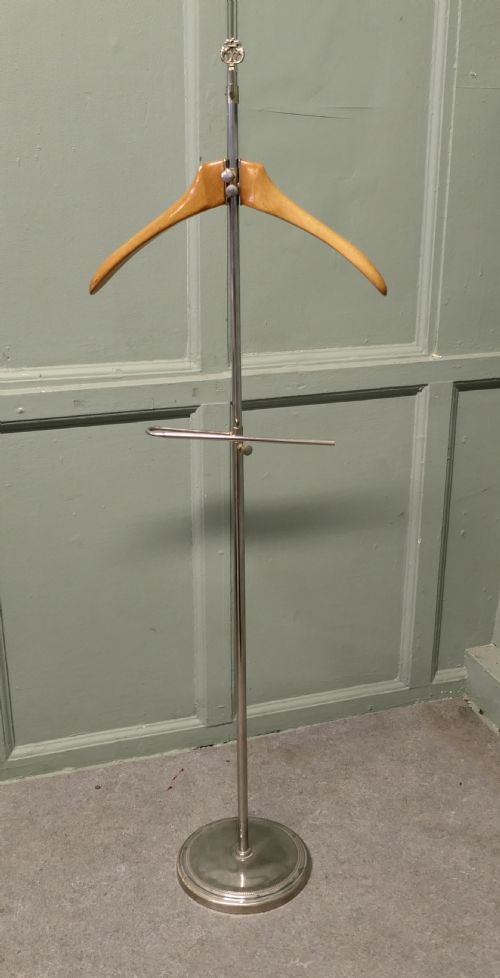
- A specialised piece of furniture designed to hold a complete suit, tie, and accessories overnight. They typically feature a shaped coat hanger and trouser rail.
- Robe stand
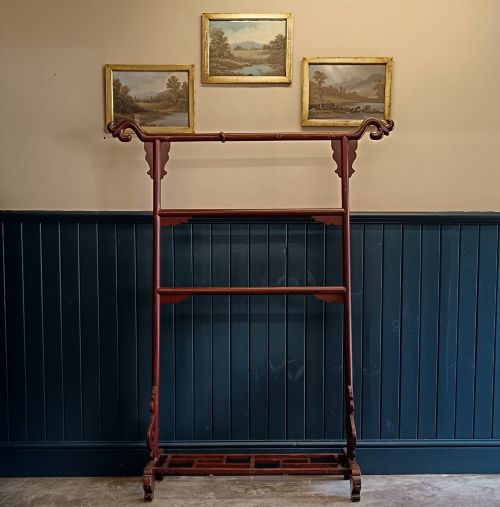
- A tall framework or clothes horse used for hanging garments without creasing. Large examples often originate from Chinese workshops and feature decorative lacquer or carving.
- Compactum
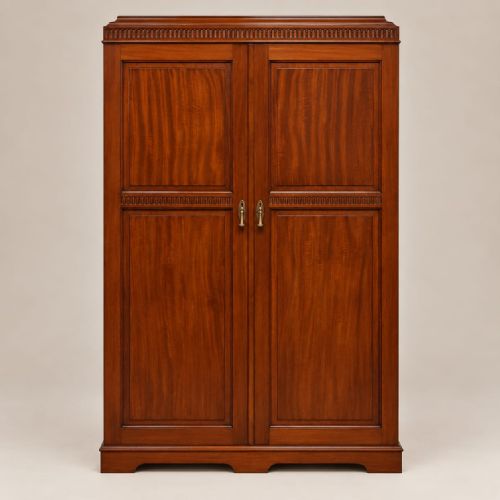
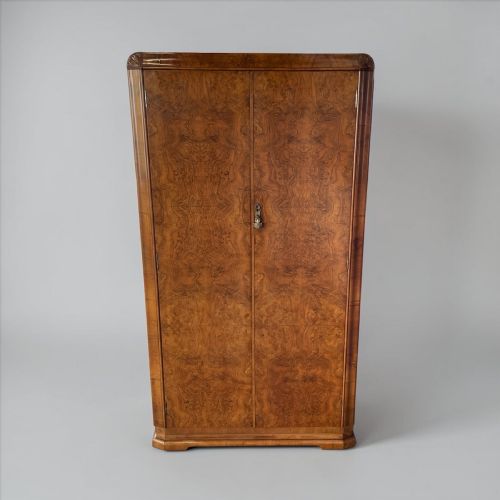
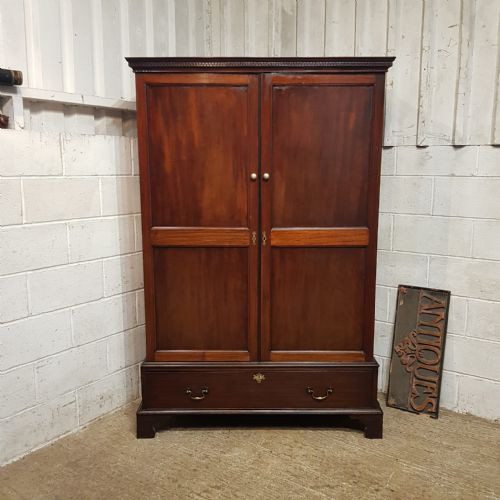
- A large fitted wardrobe or combination piece incorporating hanging space, shelves, and drawers. These multi-functional units maximise storage within a single footprint.
- Livery cupboard
- An enclosed wooden cabinet used historically for storing food or clothing. Earlier examples exhibit sturdy oak construction and traditional panel work.
Antique Clothing Stand: Frequently Asked Questions
What is an antique clothing stand used for?
These pieces serve as practical furniture for hanging garments, airing linens, and organising daily wear in bedrooms or dressing areas.
Historically, they provided flexible storage before fitted wardrobes became standard in domestic interiors.
How do I date an antique clothing stand?
Dating relies on identifying the prevailing timber, construction techniques, and stylistic markers associated with specific periods like the Victorian or Edwardian eras.
Comparing the turned details and joining methods against known examples helps narrow down the decade of manufacture.
Where should I place a standing towel rail?
A standing towel rail fits well in a bedroom, bathroom, or dressing room where garments need to be kept aired or ready for wear.
Their narrow footprint allows them to sit neatly against walls or in corners without dominating the floor space.
Are these stands sturdy enough for daily use?
Most period stands are constructed from solid hardwoods like mahogany or oak, making them durable for holding everyday garments.
Checking the joints and overall stability ensures the timber frame can support the weight of heavier items safely.