
Antique Clothing Armoire
An antique clothing armoire provides substantial storage while anchoring a room with period timber and proportion.
Antique Clothing Armoire
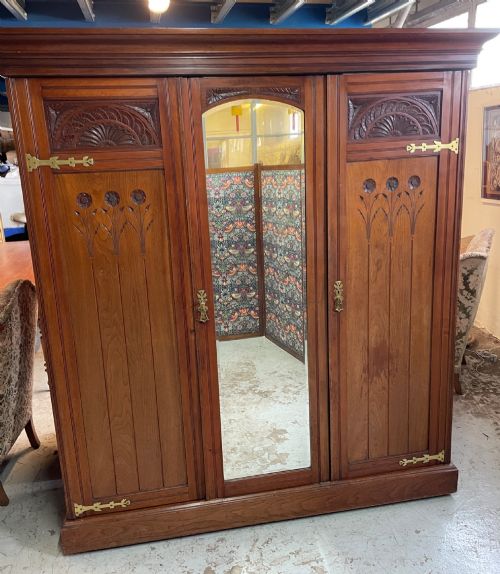
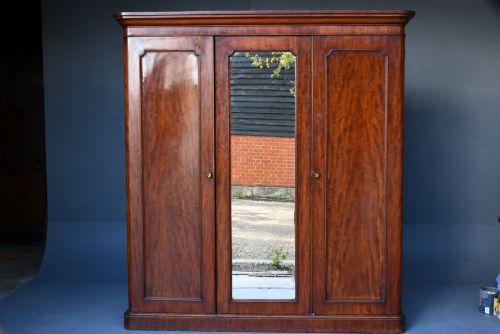
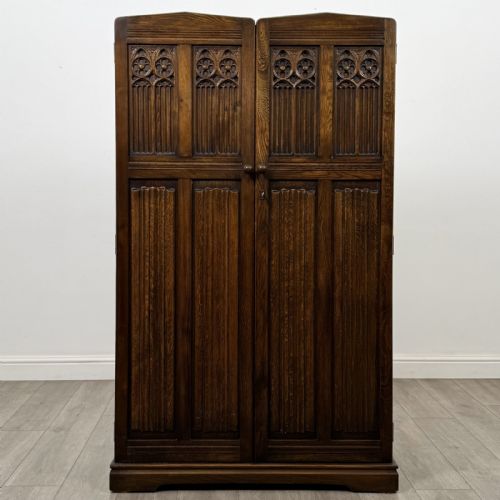
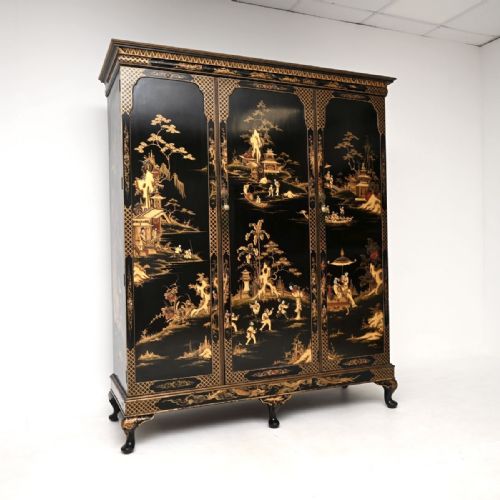
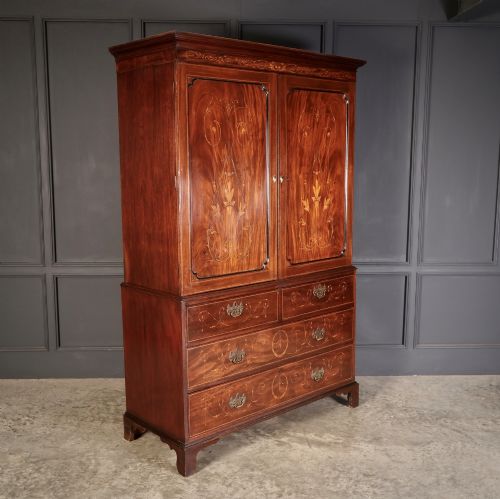
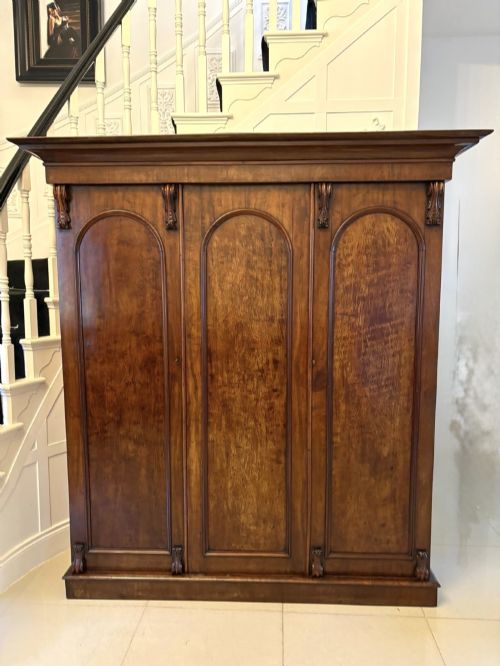
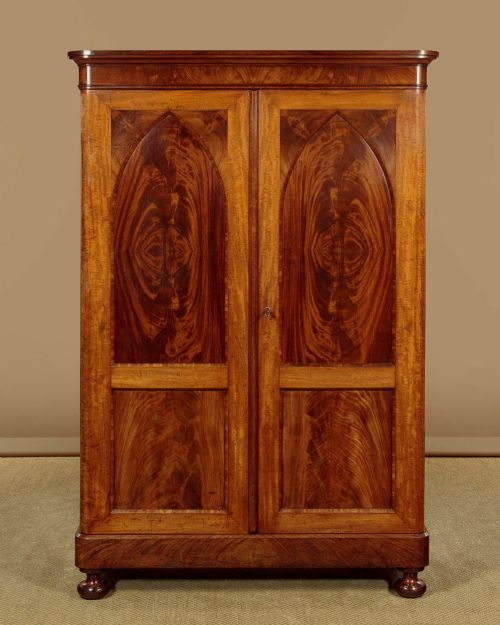
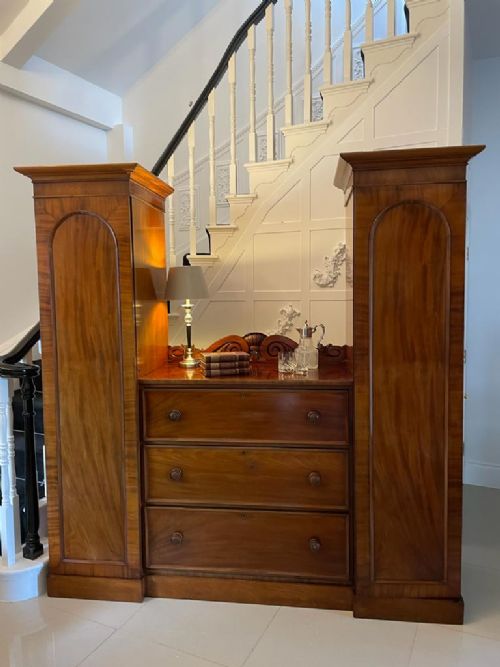
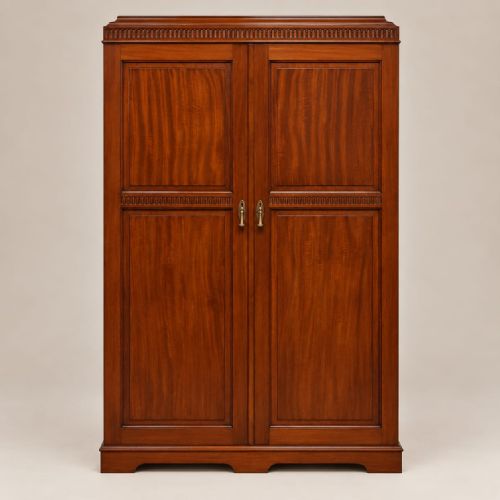
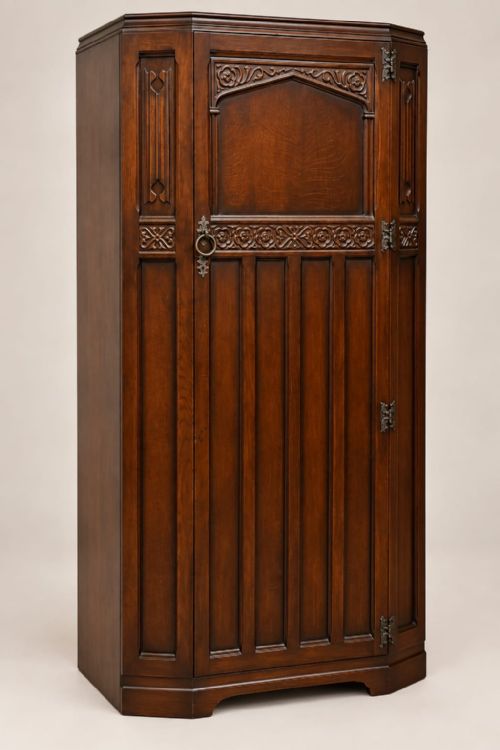
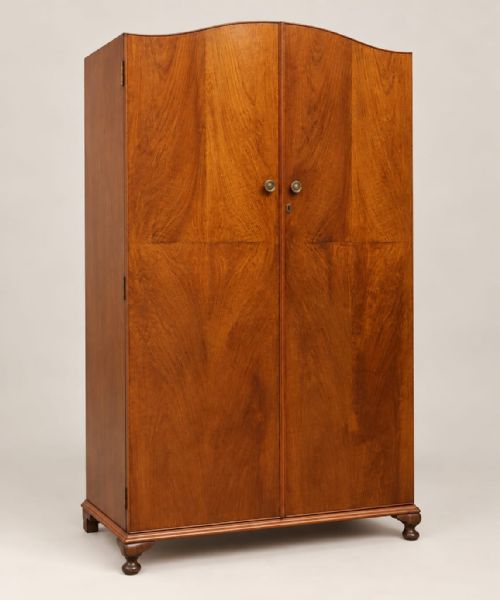
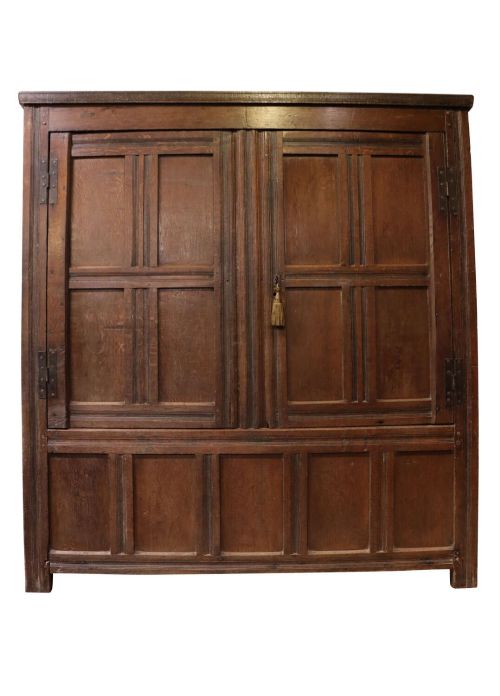
An antique clothing armoire encompasses large freestanding storage furniture, appearing on this page primarily as wardrobes, linen presses, and cupboards from periods spanning the seventeenth century through the Art Deco era. Buyers encounter substantial timber constructions designed for hanging garments, linen storage, and domestic organisation across various rooms.
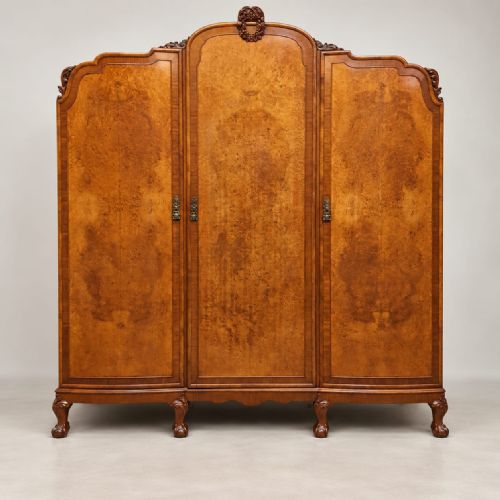
Mahogany and oak form the backbone of the earlier centuries, while burr walnut and pine dominate later Victorian, Edwardian, and 1920s examples. Formats range from single door cupboards and gentleman's wardrobes to expansive triple and four door configurations with fitted interiors and drawers.
What Varies in Quality
Quality rests upon timber selection and grain continuity, visible in the choice of figured mahogany, book-matched burr walnut, and clean oak boards. Superior examples exhibit deliberate thought in timber matching across large expanses such as wardrobe doors and cornices.
The sophistication of internal fittings and secondary cabinet work distinguishes finer commissions from standard utility pieces. Fitted linen slides, interior drawer configurations, and original brass or iron hardware elevate the standing of a wardrobe.
Listings feature timbers including mahogany, burr walnut, oak, and pine across Victorian, Georgian, Edwardian, and 1920s periods.
Hille for Harrods
The Antique Clothing Armoire Glossary
- Linen Press
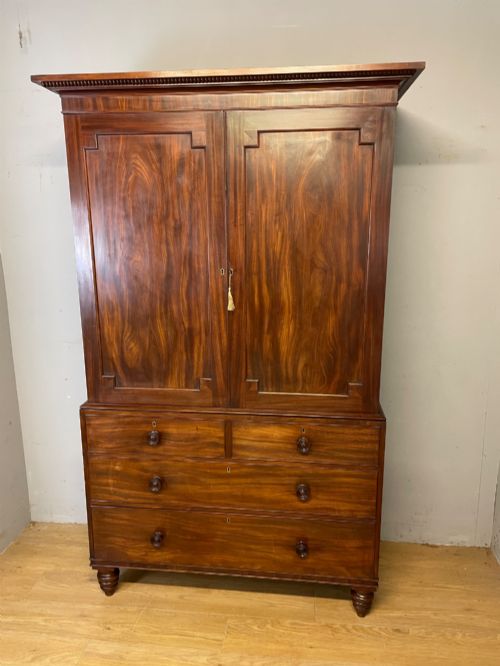
- A tall storage piece comprising upper sliding trays for folded textiles above a base section fitted with drawers. These items date predominantly from the Georgian and Victorian eras.
- Compactum
- A multi-functional wardrobe design combining hanging space, linen shelves, and internal drawers within a single unified cabinet. These units often date from the Edwardian and Art Deco periods.
- Dentil Cornice
- A classical architectural moulding featuring small rectangular blocks spaced evenly along the underside of the top cornice. This detail frequently appears on Georgian mahogany furniture.
- Linenfold
- A carved wood panel motif resembling folded parchment or linen cloth. This decorative technique appears on oak pieces from the medieval revival through the Edwardian era.
- Burr Walnut
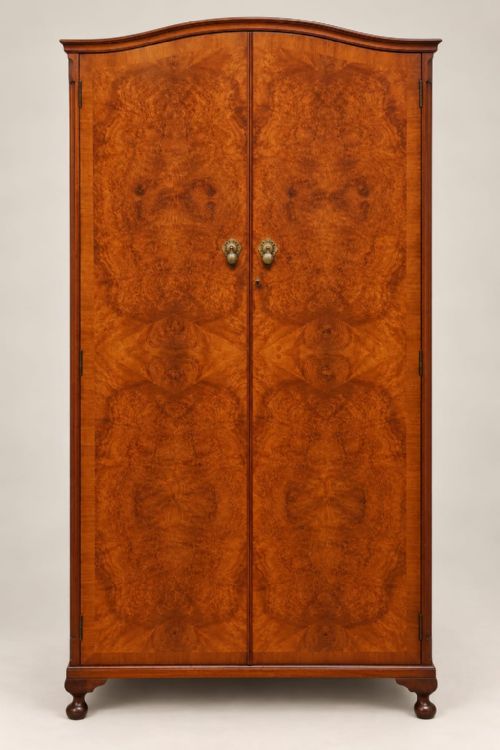
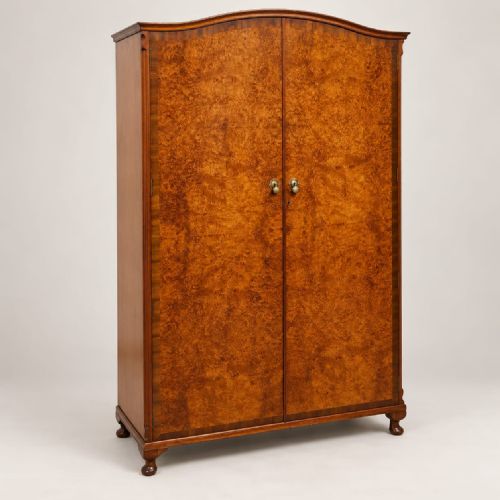
- Timber harvested from walnut tree growths, producing swirling, highly figured grain patterns. Cabinet makers utilised burr walnut veneers on high-status Victorian and 1920s furniture.
Antique Clothing Armoire: Frequently Asked Questions
What is an antique clothing armoire used for?
These large timber cabinets provide primary storage for hanging garments, folded clothing, and domestic textiles within domestic interiors. Their internal configurations often include hanging rails, shelves, and sliding linen trays.
Today, buyers utilise them in bedrooms and dressing rooms to introduce historical character and substantial storage capacity that modern furniture rarely matches.
How do I date an antique wardrobe?
Dating relies on examining timber choices, construction methods, and stylistic details such as cornices, feet, and hardware. Georgian pieces typically show clean mahogany lines and bracket feet, while Victorian examples often feature heavy burr walnut and extensive moulding.
Twentieth-century items from the 1920s and Art Deco periods introduce birds eye maple, simpler geometric forms, and streamlined compactum layouts.
Will an antique armoire fit in a modern bedroom?
These pieces arrive as large, heavy items of furniture that require careful measurement of room height, ceiling clearance, and access stairwells before purchase. Many period wardrobes were constructed to dismantle into major components, including cornices, base sections, and side panels, to ease transport.
Checking the internal depth ensures standard modern clothes hangers clear the back panels when the doors close.