

Antique Clock with Brass
An antique clock with brass brings together the precision of mechanical movement and the warmth of metalwork, offering a functional centrepiece for any room.
Antique Clock with Brass
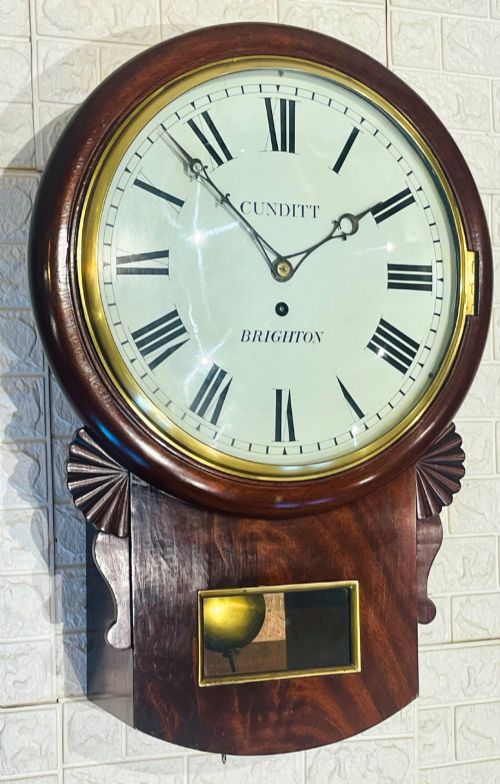
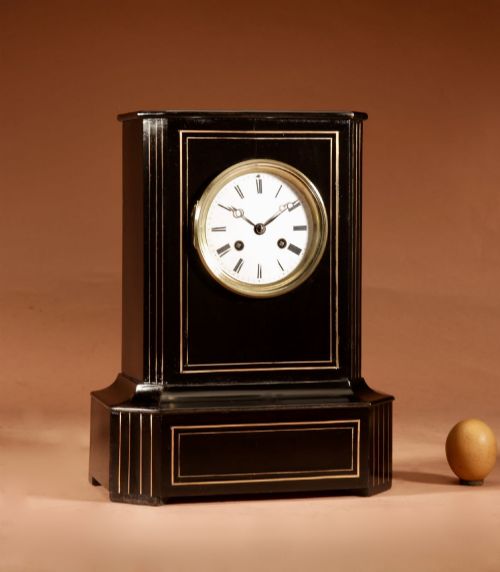
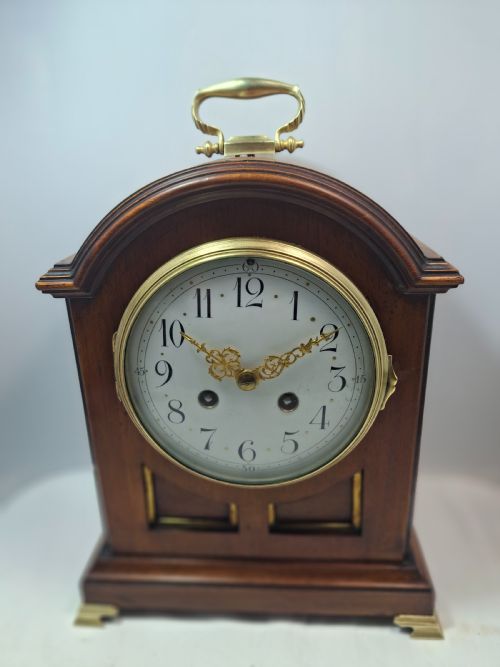
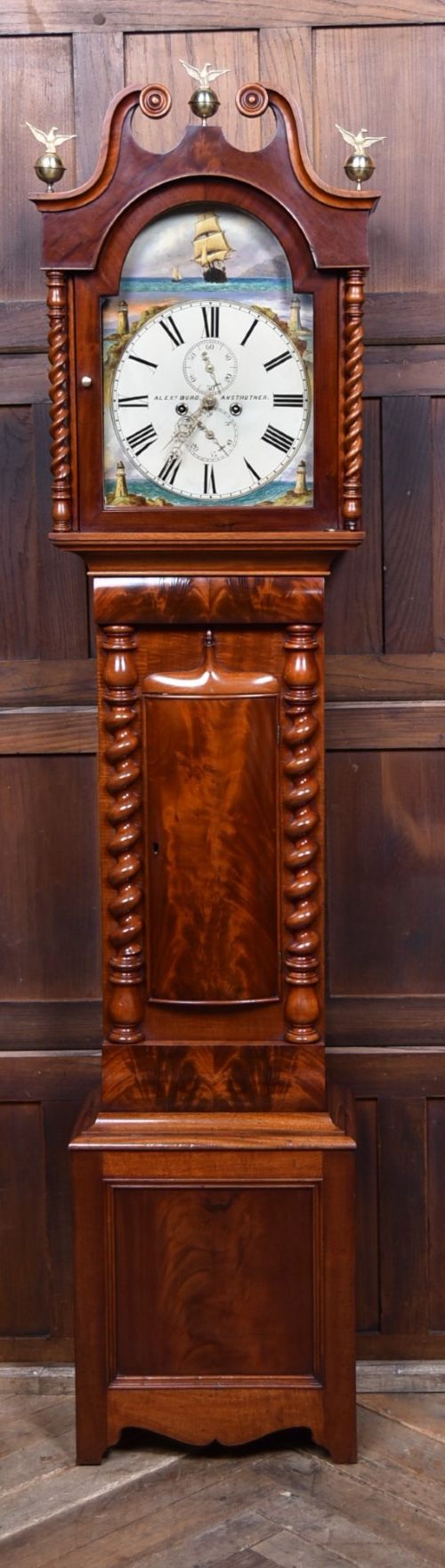
When you search for an antique clock with brass, you encounter a wide variety of domestic timepieces spanning multiple centuries, from floor-standing models to compact travel designs. These objects combine wood, glass, and metal to regulate time through weights, springs, and pendulums.
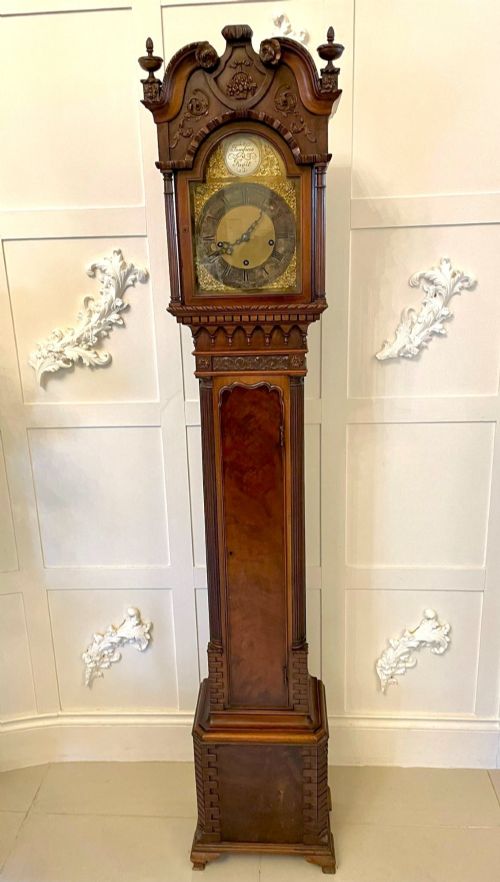
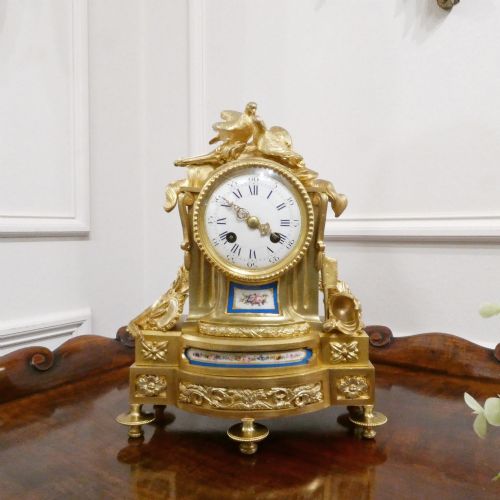
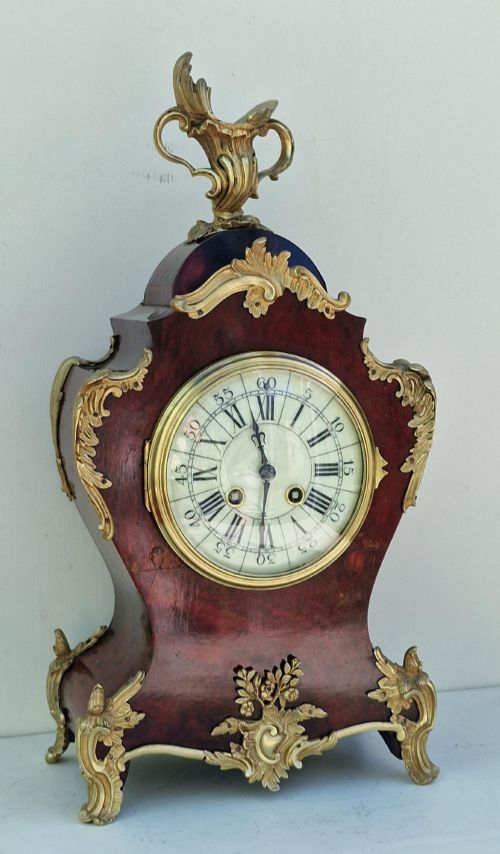
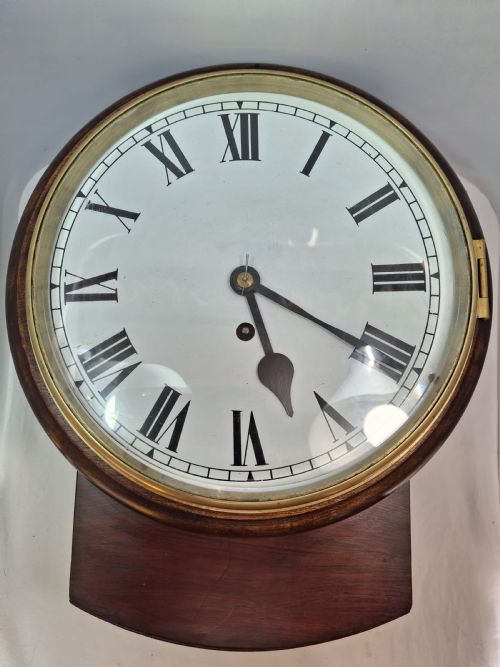
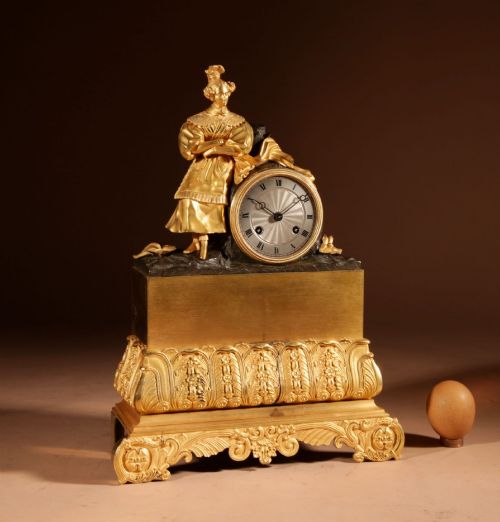
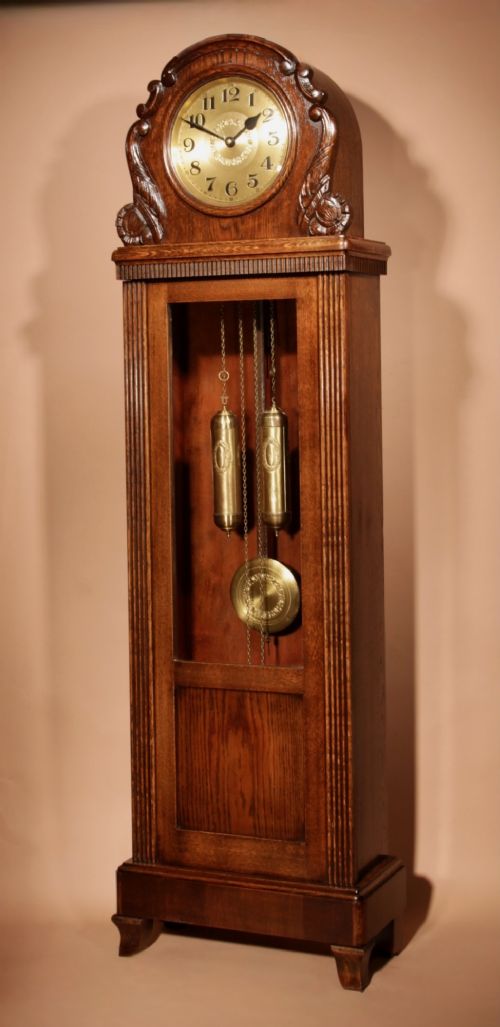
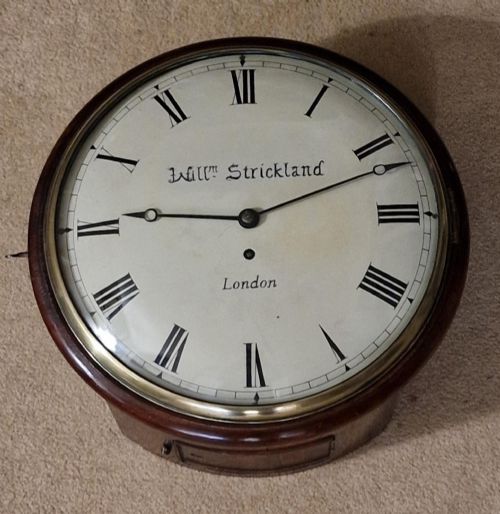
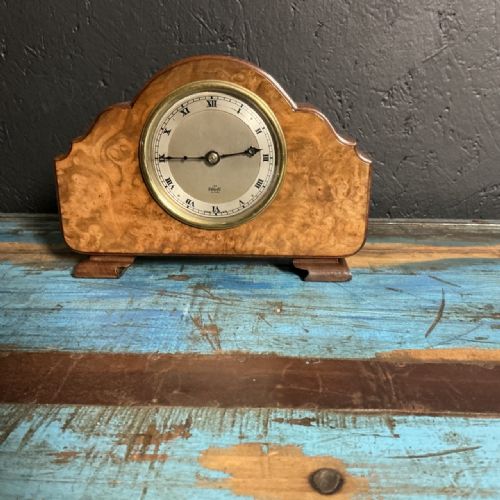
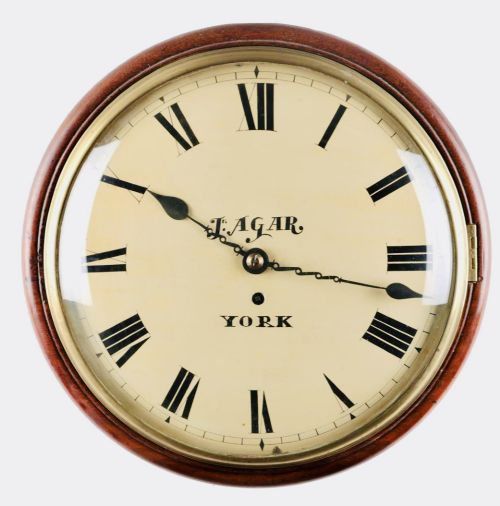
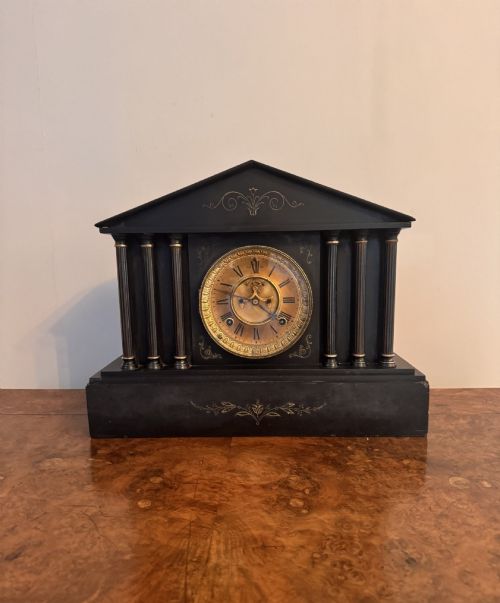
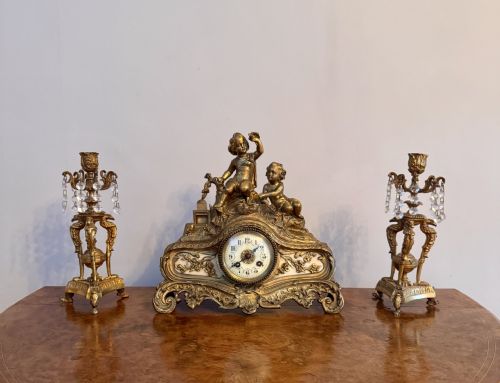
Wall clocks, mantel clocks, and longcase clocks dominate the selection, appearing across Victorian, Edwardian, and Georgian periods. Enamelled dials, brass bezels, and carved timber cases define the physical presence of these pieces.
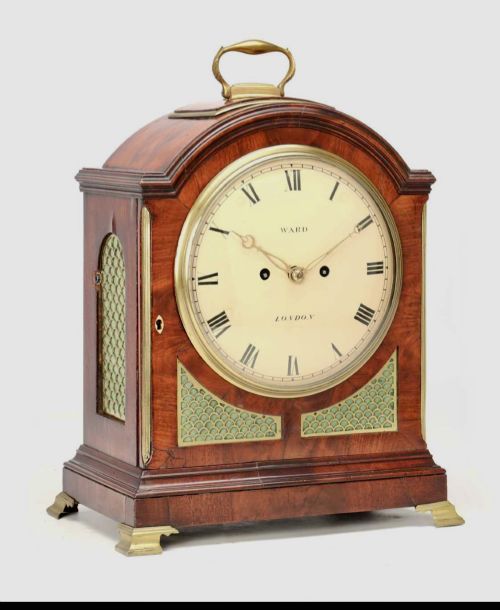
Carriage clocks and bracket clocks provide portable or smaller shelf-bound alternatives, often housed in glass and brass or rich hardwoods like mahogany, oak, and walnut.
How They Were Made
Maker workshops utilised brass for dials, bezels, and delicate internal gear trains, pairing the metal with robust timber cases built from mahogany, oak, walnut, and rosewood. Enamel and glass protected the faces while steel components drove the escapements.
Cabinet makers shaped and inlaid the wood housings, employing techniques such as French polishing and marquetry, while horologists assembled complex fusee movements, spring-driven mechanisms, and pendulum suspensions.
Antique Clock with Brass Retail Price Guide 2026
Typical asking prices for clock with brass among the pieces listed under this phrase on Sellingantiques today, from the lower quarter to the upper quarter. They describe what is for sale here now, not the wider market.
Some tiny carriage clocks pack an alarm mechanism alongside their timekeeping, ready to wake a sleeping traveller on the move.
What Varies in Quality
The refinement of the internal movement largely separates standard timepieces from exceptional examples, with finer gear trains, signed backplates, and specialised escapements commanding attention. Hand-engraved brass dials and high-grade materials like burr oak or tortoise shell indicate superior workshop production.
Case construction and the integrity of original glass, enamel, and brass fittings dictate the overall standard of preservation. Pieces retaining their matching travel cases, original keys, or complex striking trains reflect higher initial craftsmanship.
Elliott·Lenzkirch·Henri Jacot·Pickford of London·Friedrich Adler for Osiris·William Barrow·John Walker
The Antique Clock with Brass Glossary
- Fusee
- A conical pulley used in spring-driven clocks to equalize the diminishing power of the mainspring as it unwinds. This mechanism ensures consistent force is applied to the gear train.
- Escapement
- The mechanical linkage that converts rotational force into controlled impulses for the pendulum or balance wheel. It lets the gear train release teeth at regular intervals.
- Bracket clock
- A portable household clock originally designed to sit on a wall bracket or table. These pieces often feature carrying handles and striking movements.
- Longcase clock
- A tall weight-driven clock housed in a wooden case with a pendulum swinging within the trunk. They are frequently referred to as grandfather or grandmother clocks.
- Carriage clock
- A small, spring-driven timekeeper equipped with a handle, originally built for travel. They commonly feature glass panels that expose the brass framework and escapement.
Antique Clock with Brass: Frequently Asked Questions
How do fusee clocks work?
A fusee movement uses a conical drum and a cord or chain to maintain even tension from the mainspring. As the spring loses power, the chain rides higher on the wider part of the cone.
This clever mechanical design ensures the clock maintains steady timekeeping as the power reserve winds down.
Where should I place a longcase clock?
Longcase clocks require a stable, dry interior wall with a solid floor to ensure the pendulum swings without interference. Avoid spaces subject to heavy vibrations or damp conditions.
Securing the tall wooden case to the wall helps keep the tall frame plumb and the beat even.
What is a carriage clock?
A carriage clock is a portable spring-driven timepiece developed for travel in the nineteenth century. They usually feature brass frames inset with glass panels.
Many examples include alarm functions or striking trains housed within sturdy leather travel cases.