




Antique City View
An antique city view captures urban life from centuries past, offering a charming window into historical streets and famous skylines.
Antique City View
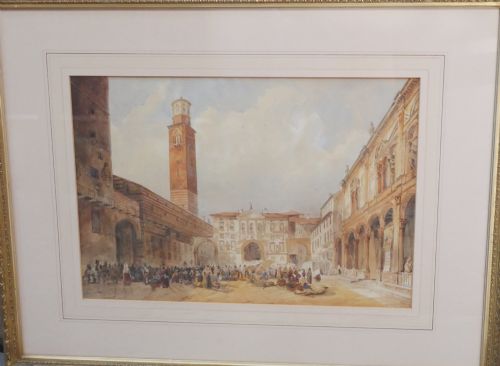
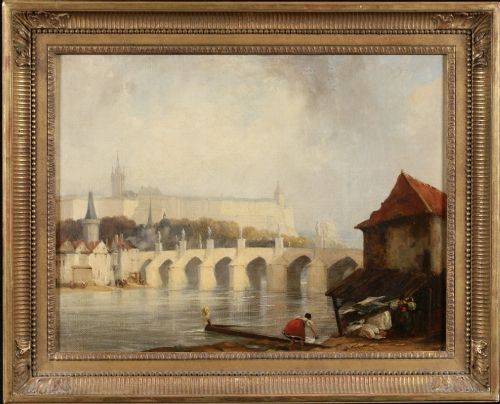
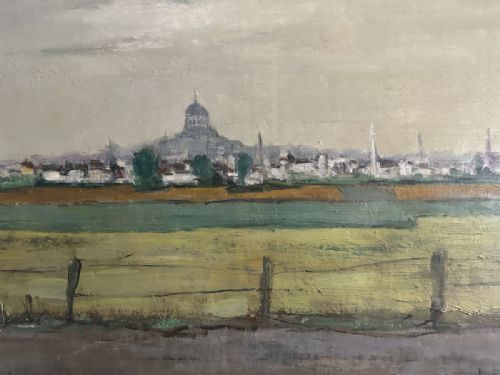
An antique city view records notable urban centres, rivers, and architectural landmarks from past centuries across various media.
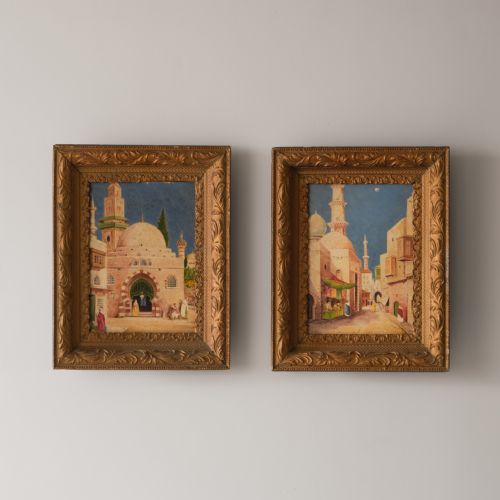
The selections span the nineteenth and twentieth centuries, featuring oil paintings, watercolours, framed prints, and carved olivewood boxes.
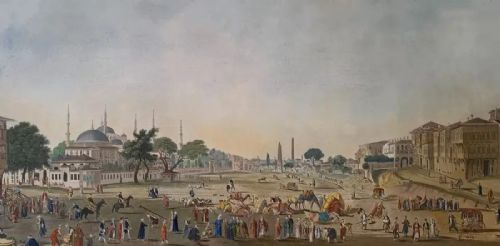
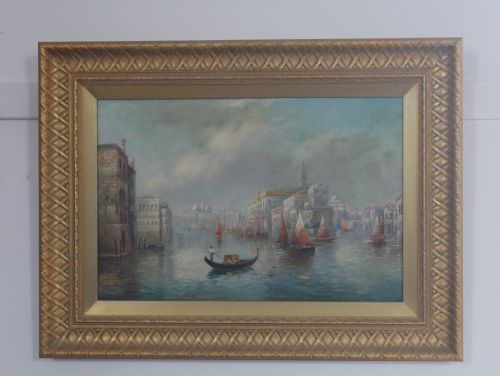
Motive locations range from Venice and London to Prague, Paris, and Constantinople, reflecting the widespread popularity of topographical art.
Materials and construction
Artists utilised oil on canvas, watercolour, and ink on paper to depict detailed urban topography and architectural facades.
Support materials include traditional wooden panels, stretched canvases, and gilt wood or giltwood frames suited to the period.
Specialised crafts appear in carved olivewood items and drypoint etchings, demonstrating diverse methods of recording cityscapes.
Listings feature works spanning the nineteenth and twentieth centuries, utilising oil on canvas, watercolour, paper, and carved wood.
Assessing quality and execution
Execution depends upon the precision of architectural rendering and the subtlety of light across buildings and waterways.
The distinction between standard decorative prints and original hand-painted oils or watercolours lies in the nuance of brushwork and depth of composition.
Anton Ignaz Melling·Claes Jansz Visscher·Alfred Pollentine·Noel Harry Leaver·Francis Dodd·William Marlow
The Antique City View Glossary
- Drypoint
- A printmaking technique where an image is scratched directly onto a metal plate with a hard, pointed needle. This process produces prints with soft, velvety lines from the displaced metal burr.
- Grand Tour
- A traditional trip of Europe undertaken by upper-class European young men of sufficient status. Many collected local art and city views as mementos of their travels.
- Giltwood
- Wood that has been treated with a thin layer of gold leaf or gold paint. Frames utilising this material often complement traditional oil paintings.
Antique City View: Frequently Asked Questions
What subjects do antique city views typically show?
These works depict identifiable urban centres, historic bridges, famous cathedrals, and bustling waterways from centuries past.
Popular subjects include Venetian canals, London river scenes, and continental cityscapes recorded by travelling artists.
How were these city view artworks displayed?
Most paintings and prints were traditionally mounted behind glass within wooden or gilt frames to protect the delicate media.
Larger oil canvases hung in parlours and drawing rooms, while smaller watercolours and prints suited intimate studies.
How do I identify the date of a city view?
Dating relies upon visible architectural landmarks, costume details of figures in the foreground, and the medium used.
Signatures, framing styles, and inscriptions on the reverse often provide additional clues regarding the period of creation.
Are all city views hand-painted?
No, while many pieces are original oil paintings or watercolours, others are period prints and engravings.
Techniques range from hand-applied pigments to drypoint etchings and published prints of famous urban views.