







Antique Cigar Chest
An antique cigar chest is a fitted receptacle for tobacco storage, combining fine cabinet-making with period domestic luxury.
Antique Cigar Chest
When you search for an antique cigar chest, you encounter a specialised form of wooden container designed to preserve tobacco, ranging from desktop humidors to larger smoking cabinets. The pieces on this page span the Victorian and Edwardian eras, alongside later twentieth-century examples.
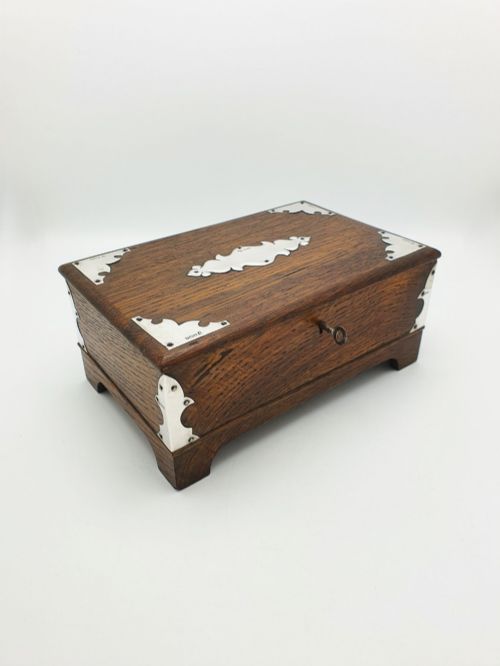
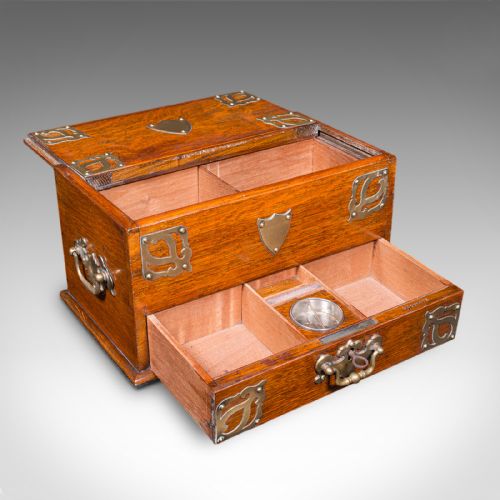
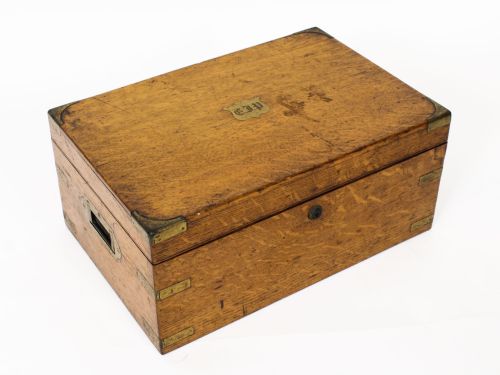
The most common forms you meet are oak and burr walnut boxes, often fitted with internal drawers, brass mounts or sterling silver details. These vary from simple cigar boxes to multi-drawer desktop cabinets and novelty railway coal wagon designs.
Origins cluster around English workshops from the nineteenth and early twentieth centuries, reflecting the social habits of gentleman's clubs and private smoking rooms. Each version serves the dual purpose of secure storage and desktop display.
Distinctions in quality
The distinction between standard containers and finer pieces lies in the choice of timber veneer, such as figured burr walnut or burr elm, and the precision of the cabinetwork. Superior examples exhibit seamless tambour actions, tight drawer tolerances and high-grade metal mounts.
Makers who incorporated precious metals like sterling silver or commissioned novelty forms, such as railway coal wagon humidors, elevated utilitarian smoking accessories into decorative art objects.
Antique Cigar Chest Retail Price Guide 2026
Typical asking prices for cigar chest among the pieces listed under this phrase on Sellingantiques today, from the lower quarter to the upper quarter. They describe what is for sale here now, not the wider market.
Listings for this phrase feature pieces in oak, burr walnut, burr elm and satinwood, spanning the Victorian, Edwardian and twentieth-century periods.
Alfred Dunhill
The Antique Cigar Chest Glossary
- Humidor
- A sealed box or cabinet designed to maintain a constant humidity level for storing cigars. These interiors often incorporate specialised woods and metal humidifiers.
- Tambour
- A flexible sliding door formed of narrow strips of wood glued to a fabric backing. This mechanism allows smooth access to multi-drawer desktop cabinets.
- Burr walnut
- A prized veneer obtained from the growth excrescences of walnut trees, showing intricate swirling patterns. It frequently graces the exterior of nineteenth-century humidors.
- Smoker's box
- A fitted container intended to hold tobacco, pipes, cigars and matches. These pieces were standard appointments in Edwardian club lounges and studies.
Antique Cigar Chest: Frequently Asked Questions
What is an antique cigar chest used for?
These chests served to protect cigars from drying out or absorbing ambient odours in nineteenth and twentieth-century smoking rooms. Gentlemen used them for organised storage of tobacco alongside matches and accessories.
Today, collectors utilise them as decorative desktop display pieces or functional humidors for modern cigars.
How do I date an antique cigar chest?
Dating relies on timber selection, hardware styles, and construction methods. Victorian pieces often feature heavy brass bound oak or figured burr walnut, while Edwardian examples introduce silver mounts and tambour fronts.
Makers' marks, lock stamps, and general design motifs also help place pieces within specific nineteenth and twentieth-century decades.
What woods were used for cigar chests?
Cabinet-makers relied on sturdy hardwoods like English oak and exotic veneers such as burr walnut, burr elm and satinwood. Interiors often utilised secondary timbers to line drawers and compartments.
Metal elements in brass, copper, iron and sterling silver appeared across hinges, locks and decorative mounts.
Are novelty cigar chests common?
Novelty forms appear occasionally, notably in pieces styled as railway coal wagons or distinctive club lounge smoking boxes. These quirky designs combined industrial motifs with traditional cabinet-making.
They reflect the Victorian and Edwardian taste for whimsical yet functional domestic objects.