




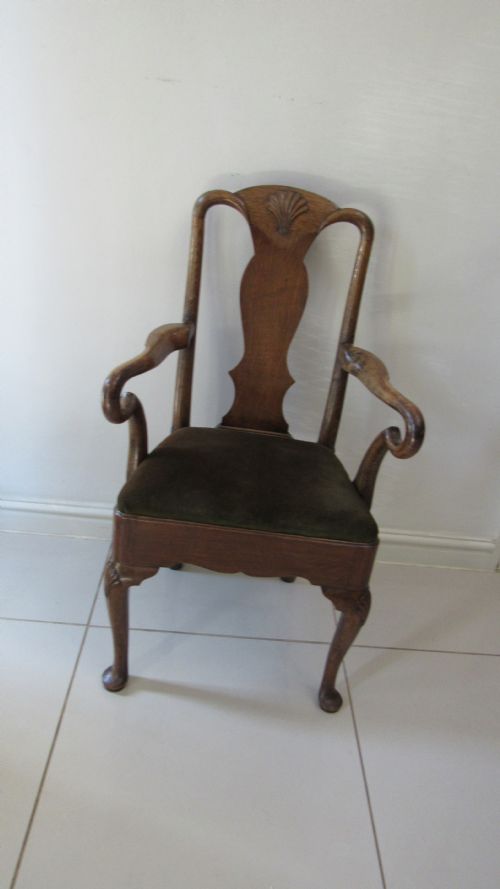

Antique Childs Elbow Chair
An antique childs elbow chair brings domestic scale and country craftsmanship into a room through scaled-down timbers like yew, elm and mahogany.
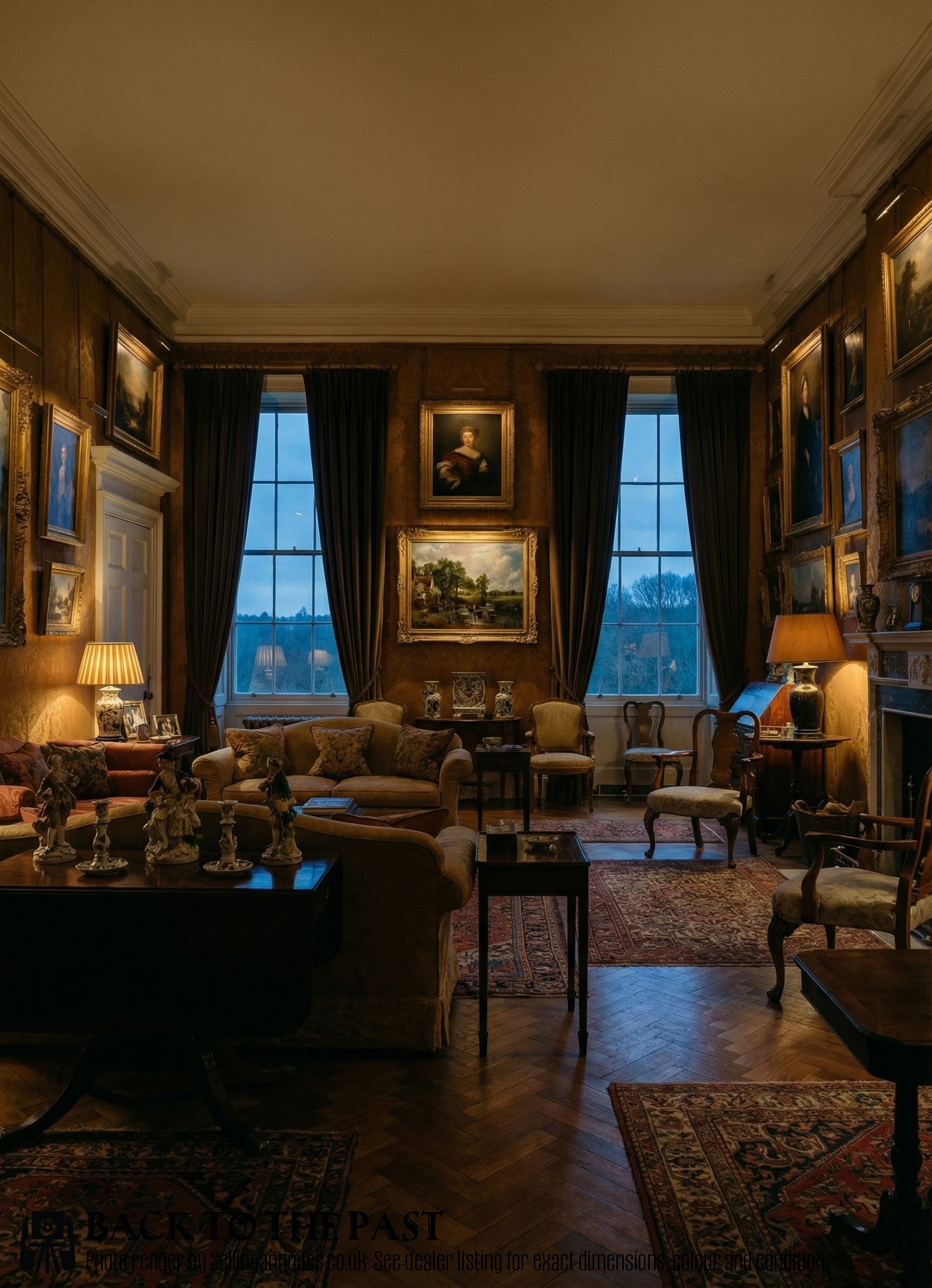
Antique Childs Elbow Chair
An antique childs elbow chair is a scaled-down seating form designed for young occupants, combining domestic function with traditional carpentry. These pieces appear in vernacular forms such as stick backs, hoop backs and Windsor styles, originating from regional workshops during the Georgian, Victorian and nineteenth-century periods.
The versions most commonly met on this page are country vernacular armchairs constructed from native timbers like yew and elm. Pieces range from primitive stick backs to refined mahogany Regency examples and walnut Queen Anne style chairs from later decades.
Makers built these seating forms with the same structural integrity applied to adult furniture, using combinations of hardwood, ash and painted finishes. The surviving examples reflect English and Welsh rural traditions, featuring curved arm supports and distinct comb or Windsor backs.
Materials and construction
Makers utilised native hardwoods such as yew, elm, ash and mahogany, selecting timbers for their grain, flexibility and strength. Country pieces often combine contrasting woods, pairing elm seats with yew or ash spindles and bendings.
Construction relied on traditional joinery techniques including pegged joints, wedged tenons and steam-bent components for hoop backs and arm bows. Surfaces were finished with clear polishes to highlight the natural timber, or occasionally coated in historic paint.
Antique Childs Elbow Chair Retail Price Guide 2026
Typical asking prices for childs elbow chair among the pieces listed under this phrase on Sellingantiques today, from the lower quarter to the upper quarter. They describe what is for sale here now, not the wider market.
Historic makers scaled down every joinery detail so accurately that even the tiny armbows were steam-bent just like the grown-up versions.
Factors of quality
Quality rests in the balance of proportion and the integrity of the timber selection. Finer examples display carefully chosen grain patterns in the seat and well-turned spindles that mimic adult counterparts without losing their miniature charm.
The distinction between standard village production and superior workshop output lies in the refinement of the arm supports and the comfort of the crinoline or stick-back geometry. Untouched surfaces with deep patination hold greater appeal than pieces with overly restored or stripped timber.
The Antique Childs Elbow Chair Glossary
- Windsor
- A chair built with a solid wooden seat into which the legs, back spindles and bow are separately inserted. This construction method provides robust structural stability.
- Stick Back
- A vernacular chair design where turned or cleft wooden rods form the backrest. These members insert directly into the seat board.
- Vernacular
- Furniture made by local craftsmen for everyday regional use, following traditional local patterns rather than metropolitan high styles.
- Hoop-Back
- A continuous bentwood rail that forms the top and sides of the chair back. This technique requires steam to soften the hardwood before shaping.
- Elm
- A tough, interlocking hardwood frequently chosen for chair seats because it resists splitting under the stress of inserted legs.
Antique Childs Elbow Chair: Frequently Asked Questions
What is an antique childs elbow chair?
An antique childs elbow chair is a small-scale armchair produced in regional workshops during the Georgian, Regency and Victorian eras. These pieces were built for domestic use using traditional furniture-making techniques.
They replicate the forms of full-sized seating, including Windsor, stick-back and splat-back designs, utilising timbers such as yew, elm and mahogany.
How were these small chairs used?
These chairs served as practical seating for children in domestic households, positioned near hearths or dining tables. Their sturdy construction allowed them to withstand daily use by young occupants.
Over generations, many transitioned from utilitarian nursery furniture to decorative collector pieces displayed within living spaces.
How do I date a childs elbow chair?
Dating relies on examining the timber species, joinery methods and stylistic traits associated with specific periods like the Georgian or Victorian eras. Regional vernacular pieces often display hand-turned components and tool marks that indicate nineteenth-century or earlier production.
Comparing the form to adult furniture styles, such as Regency curves or Queen Anne splats, provides a reliable chronological indicator.
Where should I place one at home?
These compact armchairs fit well in corners, hallways or beside larger seating arrangements where their scale can be appreciated. Their sculptural stick-backs and turned legs add texture to empty wall spaces.
Placing them away from direct heat sources and strong sunlight helps preserve the historic wooden surfaces and patination.