


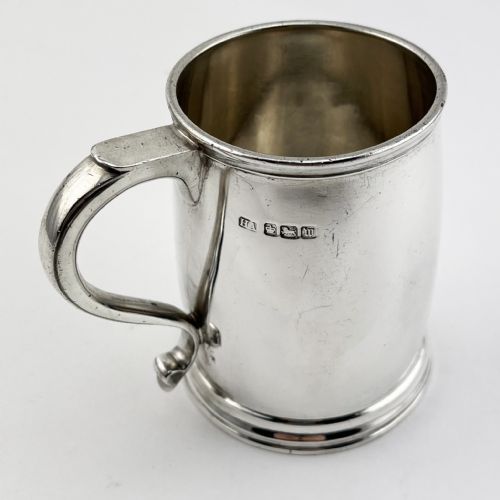


Antique Childs Cup
These antique childs cup pieces are small domestic vessels of silver and earthenware meant to mark early childhood milestones, combining lasting sentiment with fine craftsmanship.
Antique Childs Cup
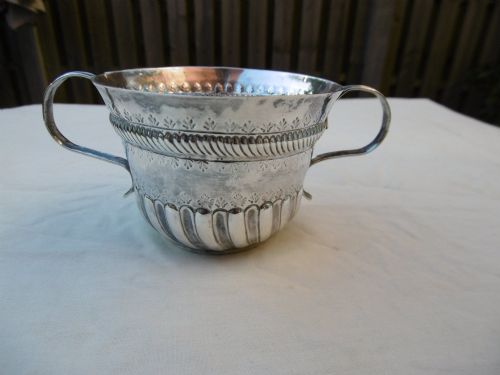
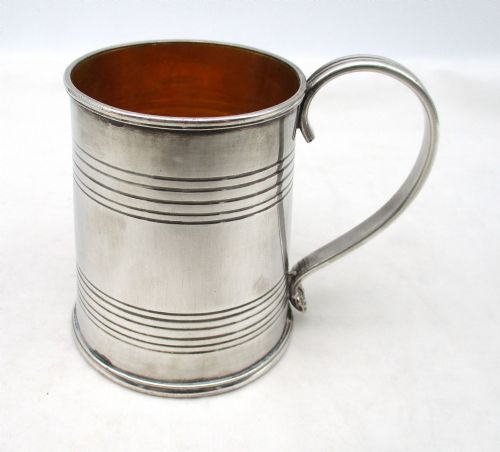
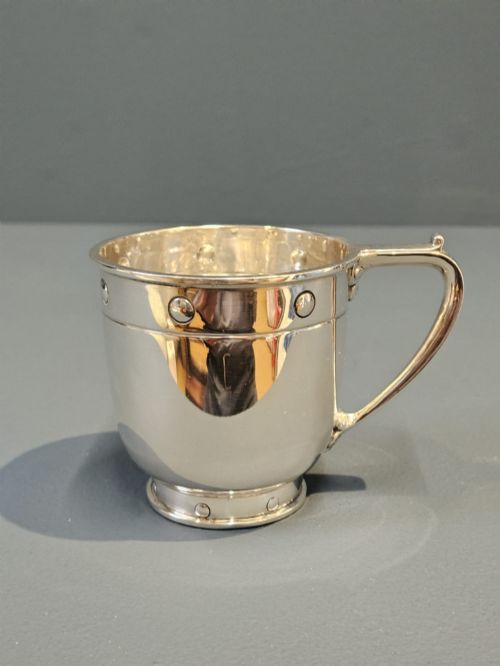
When you search for an antique childs cup, you encounter diminutive vessels created to mark early life, christenings, and birthdays. These pieces take the form of small tankards, porringers, and nursery mugs fashioned for small hands.
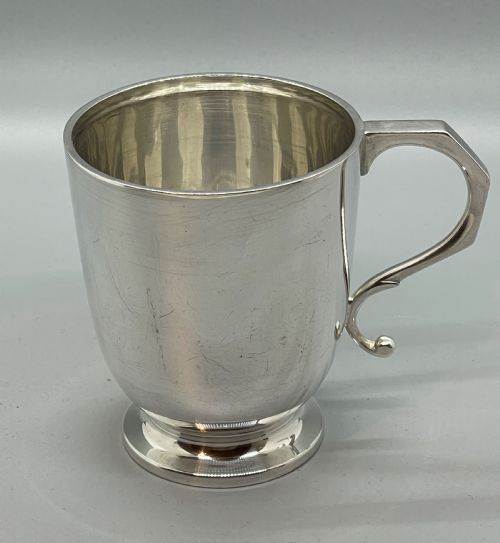
The specimens seen here span from the nineteenth century into the mid-twentieth century, capturing Victorian, Edwardian, and George V periods. Silver examples often display baluster forms and scroll handles, while earthenware pieces feature animals and alphabets.
Most items you meet on this page are silver christening mugs and earthenware nursery mugs. They range from plain Georgian and Victorian silver cylinders to Victorian children's alphabet animal mugs and pug dog designs.
Materials and construction
Makers utilised sterling silver, silver, and Old Sheffield plate for metal vessels, shaping them into sturdy tankards and bowls intended for daily use. Some silver pieces receive a gold gilt interior to protect the metal from acidic contents.
Ceramic pieces rely on earthenware bodies covered in a smooth glaze, providing a canvas for nursery scenes and alphabet transfers. Copper serves as the base metal beneath Old Sheffield plate, showing beneath worn spots on older pieces.
Antique Childs Cup Retail Price Guide 2026
Typical asking prices for childs cup among the pieces listed under this phrase on Sellingantiques today, from the lower quarter to the upper quarter. They describe what is for sale here now, not the wider market.
Distinctions in quality
The caliber of an antique childs cup rests on the crispness of its chasing, engraving, and applied decoration. Hand-chased rococo scrolls and clear maker marks denote superior workshop output compared to plain, mass-produced cylinders.
For ceramic and earthenware examples, the clarity of the printed alphabet or animal transfer and the evenness of the glaze determine the visual success of the piece. Metal thickness and the stability of applied handles also separate standard utility items from finer presentation pieces.
Barker Bros
The Antique Childs Cup Glossary
- Sterling Silver
- A standard alloy consisting of ninety-two point five percent silver and seven point five percent other metals, typically copper. This alloy provides the necessary durability for functional drinking vessels.
- Old Sheffield Plate
- A composite material made by fusing a thin sheet of silver to a thicker copper base. This technique was widely utilised before the invention of electroplating.
- Porringer
- A small, shallow bowl with one or two flat horizontal handles, often used for broth or porridge. In silver, these pieces frequently double as christening bowls.
- Baluster
- An architectural shape resembling a vase or pillar with a swelling lower portion. This profile appears frequently on silver mugs of the nineteenth century.
- Gilt
- A thin layer of gold applied to the interior or exterior surface of a metal object. Gold gilt was commonly used inside silver cups to prevent tarnishing from liquids.
Antique Childs Cup: Frequently Asked Questions
What is an antique childs cup?
These are small drinking vessels and bowls made from silver, Old Sheffield plate, or earthenware to mark births and christenings. They were designed for children to use or keep as lifetime mementos.
Most examples date from the Victorian era onwards, reflecting changing domestic tastes and manufacturing techniques across British history.
How were christening mugs used?
Christening mugs served as traditional gifts from godparents to commemorate a child's baptism or naming ceremony. While some were used at the nursery table, many were kept safely as treasured keepsakes.
The inclusion of names, initials, and birth dates turned these metal and ceramic vessels into personal family heirlooms.
How do I care for silver?
Silver requires gentle cleaning with a soft cloth and proprietary polish to remove natural tarnishing without wearing away the underlying metal. Avoid abrasive cleaners that can damage delicate engravings or hallmarks.
Store silver pieces in a dry environment away from direct sunlight to maintain their finish.
How do I date an antique mug?
Metal pieces often carry hallmarks that reveal the assay office, the year letter, and the maker's mark. These stamps provide a precise year of manufacture for British silver.
Earthenware and ceramic pieces are dated by their glaze characteristics, transfer printing styles, and stylistic motifs typical of periods like the Victorian era or George V reign.