


Antique Children Seat
An antique children seat brings domestic history into focus, offering diminutive proportions fashioned in the exact manner of adult seating.
Antique Children Seat
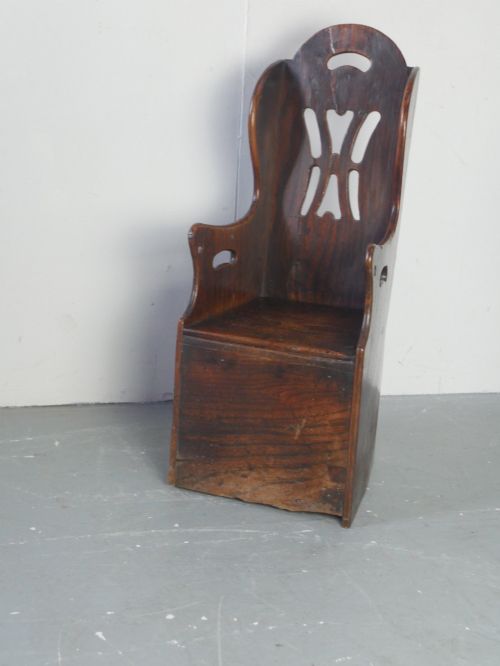
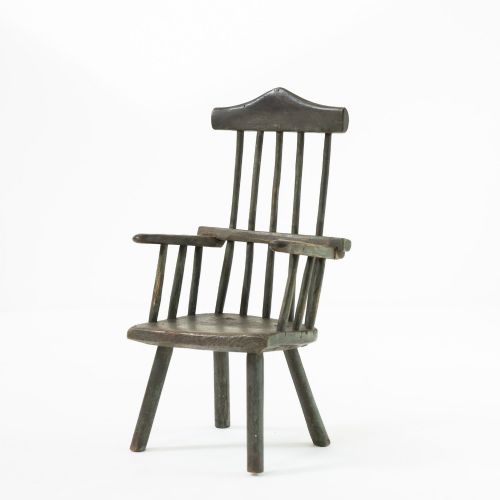
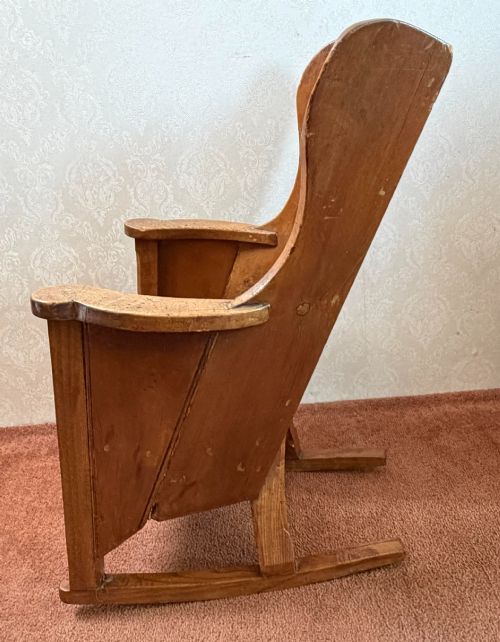
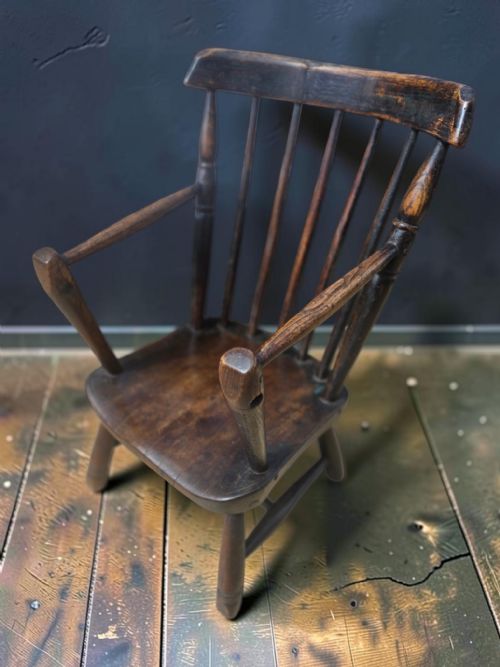
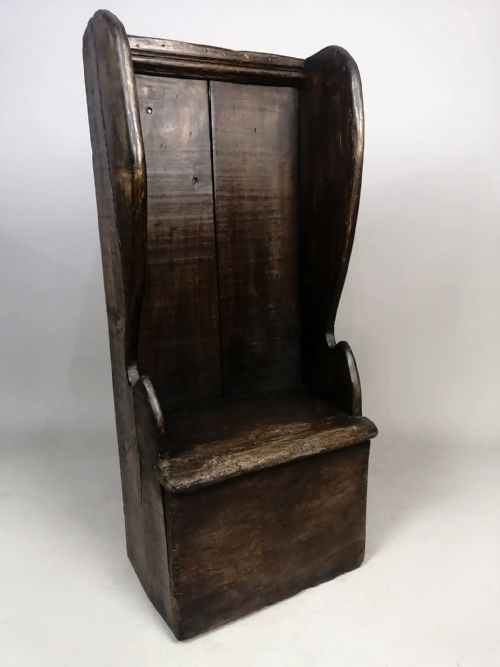
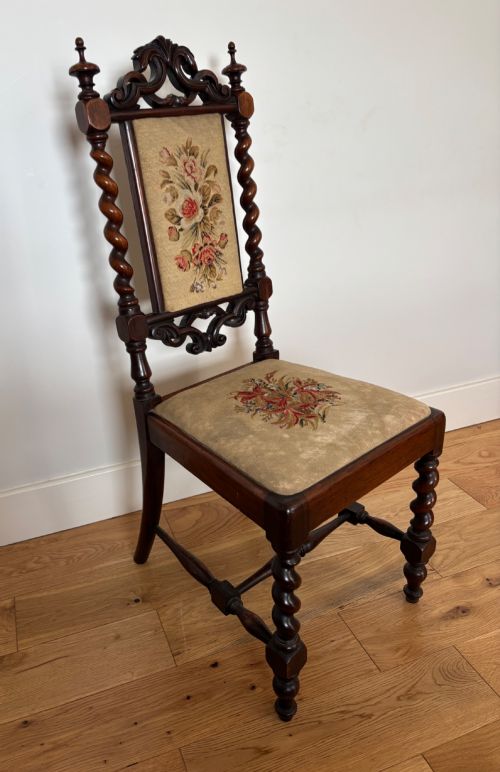
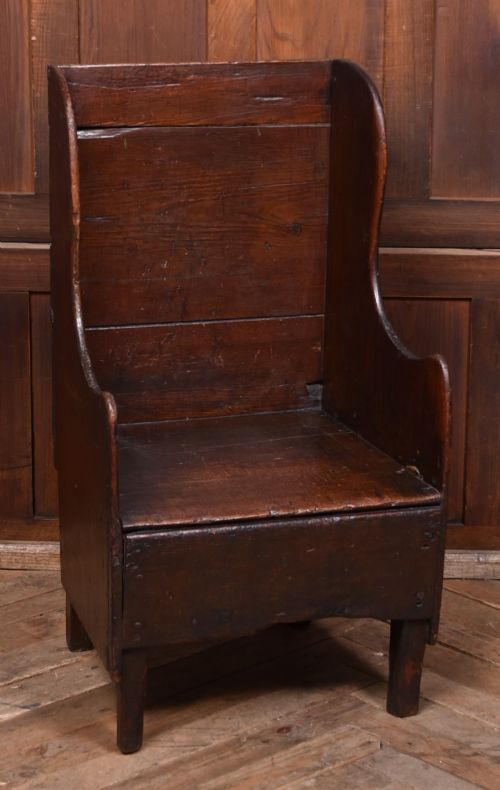
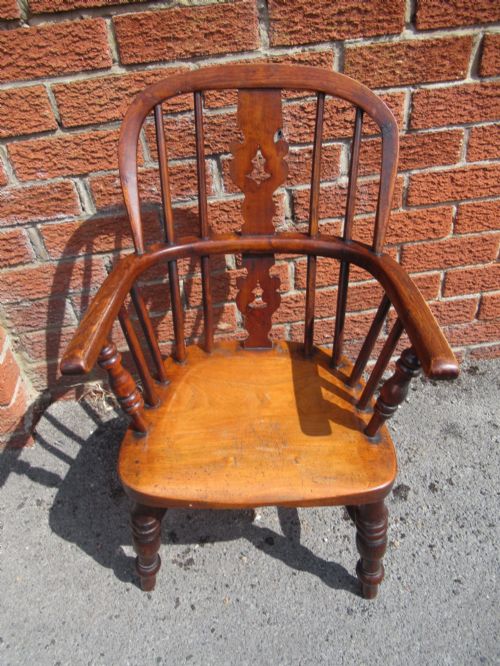
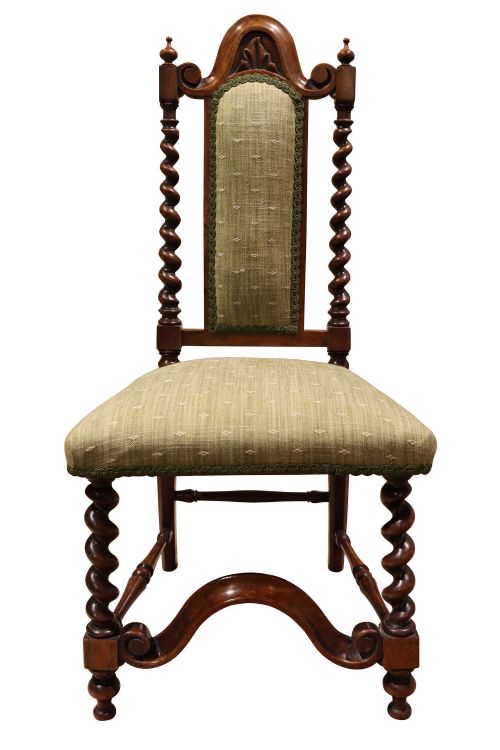
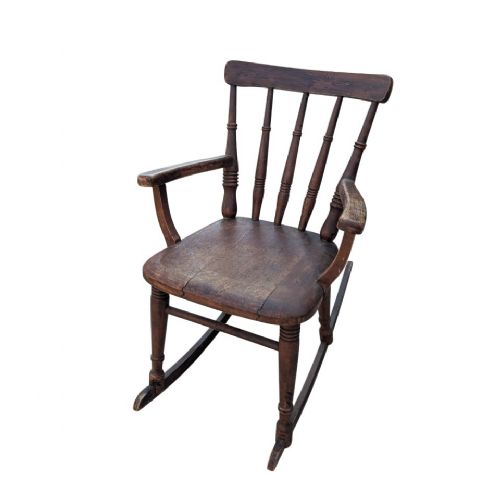
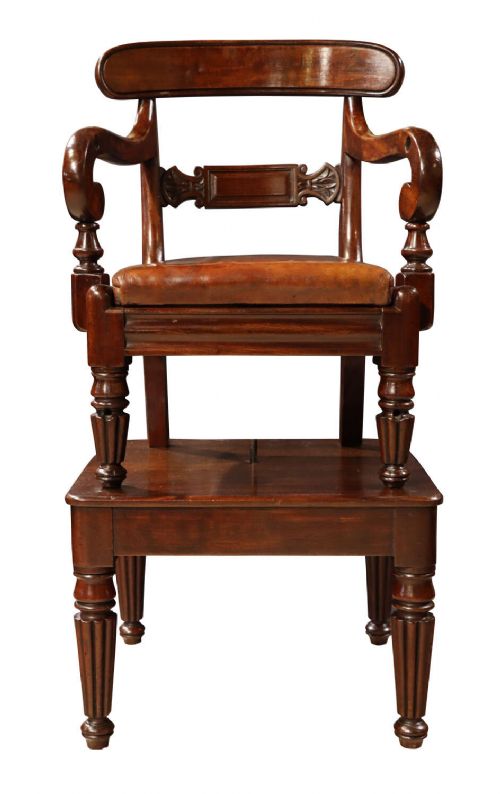
An antique children seat encompasses a variety of diminutive forms, ranging from country windsor armchairs and ladderbacks to formal mahogany highchairs and rocking chairs. These pieces mirror the prevailing furniture styles of their respective periods, from Georgian elegance to robust Victorian vernacular.
The category extends across diverse regional traditions, including English country vernacular pieces and Scandinavian country benches. Each object demonstrates how past generations adapted full scale designs for juvenile use.
Materials and Construction
Traditional makers employed native hardwoods such as elm, oak, fruitwood, and ash, often combining solid seats with steam bent spindles and stick back framing. Highchairs and armchairs frequently utilised turned components, mortise and tenon joints, or pegged construction to ensure stability under heavy use.
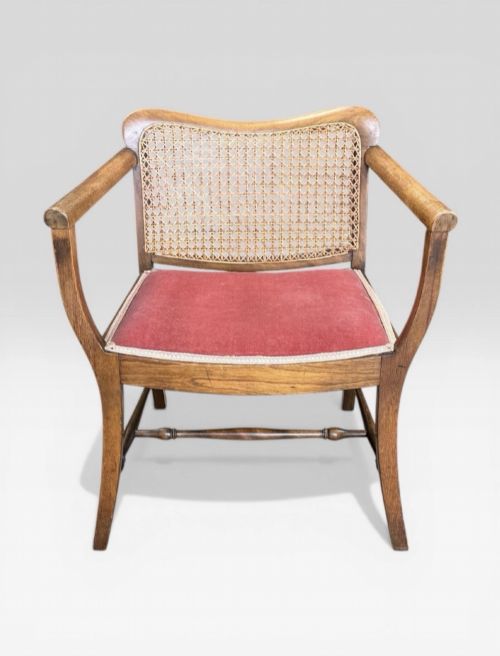
Seating surfaces relied on flexible materials suited to daily wear, incorporating woven rush, cane panels, or solid timber planks. Finer formal seating integrated mahogany, walnut, and rosewood, sometimes accented with brass hardware or leather upholstery.
Surface finishes ranged from scrubbed natural timber and painted folk art decoration to French polished mahogany. These treatments developed patinas over centuries of handling in domestic interiors.
Some past children managed to leave behind tiny handprints pressed permanently into soft eighteenth century fruitwood.
Evaluating Quality and Proportion
Quality in a children seat rests primarily upon the fidelity of its scaling and the integrity of its timber. Superior examples maintain correct architectural proportions rather than looking like clumsy miniatures, utilising seasoned woods selected for strength.
The refinement of the joinery and the survival of original surface finishes distinguish finer workshop pieces from basic vernacular utility items. Retaining original canework, rush seating, or early painted surfaces elevates the integrity of the piece significantly.
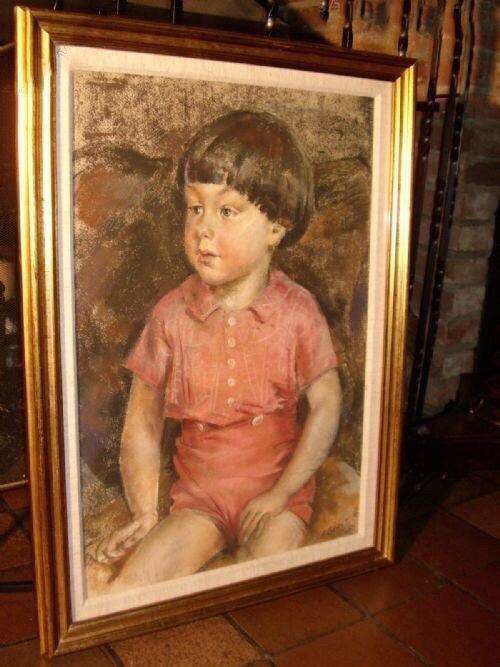
James Shoolbred·Berthe Savigny
The Antique Children Seat Glossary
- Windsor
- A chair built with a solid wooden seat into which the legs and back spindles are wedged directly. This construction method provides exceptional structural rigidity for daily seating.
- Lambing chair
- An enclosed armchair featuring solid side wings designed to block draughts in older domestic spaces. These pieces are traditionally fashioned from native timbers like elm or oak.
- Highchair
- A raised juvenile seat elevated on a frame or legs, often including a footrest or detachable tray. They allowed small children to sit at table height with the family.
- Ladderback
- A chair back constructed from horizontal slats set between two vertical uprights. This traditional joinery style appears frequently in vernacular country seating.
- Bergere
- An upholstered armchair featuring woven cane work on the back or sides. These pieces often utilise polished hardwoods such as mahogany or walnut.
Antique Children Seat: Frequently Asked Questions
Were antique children seats used daily?
These pieces served as functional household furniture for feeding, learning, and domestic play. Their sturdy construction reflects the demands of active family life in past centuries.
Over generations, constant handling by children developed distinct patinas and wear patterns on the timber surfaces and woven seats.
How do I date an antique child chair?
Dating relies on identifying period characteristics, construction methods, and timber choices that match adult furniture of the same era. Regional styles and vernacular tool marks also provide clues to a piece's age.
Comparing turned details and fastening techniques against dated examples helps narrow the period of manufacture.
Can I use an antique highchair today?
Most antique highchairs and small seats function best as decorative display pieces rather than for modern nursery use. Safety standards and structural tolerances have changed significantly since these items were made.
Placing them in a living space allows their historical craftsmanship and timber patination to be appreciated safely.