


Antique Chest Turned Knobs
These antique chest turned knobs offer storage grounded in domestic history, pairing practical drawer space with characterful period turned handles.
Antique Chest Turned Knobs
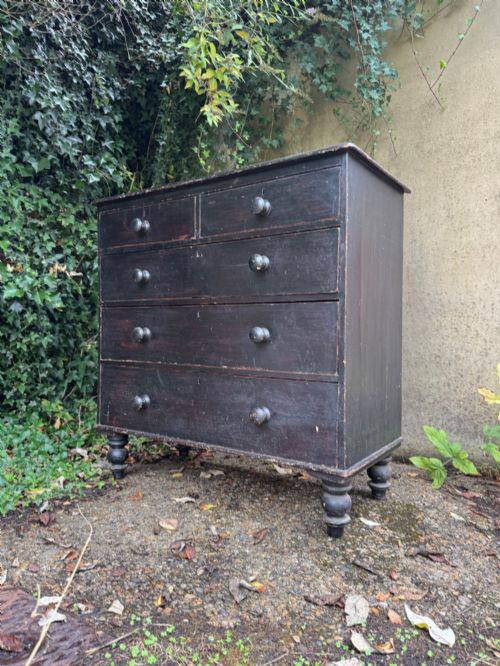
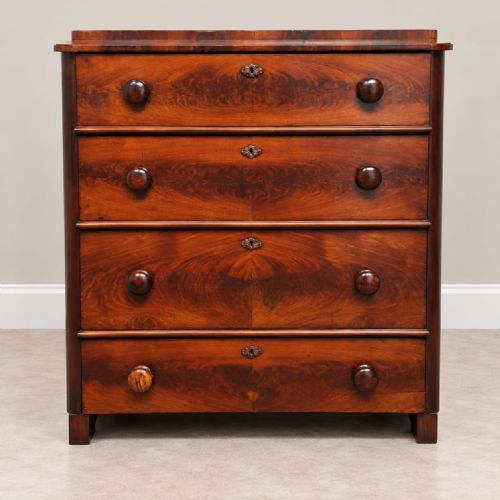
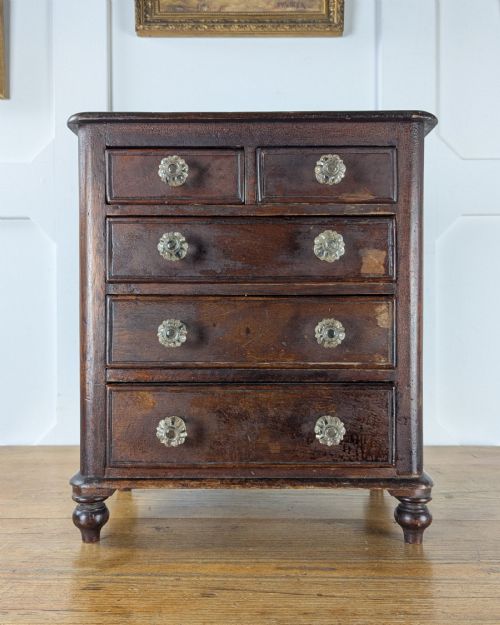
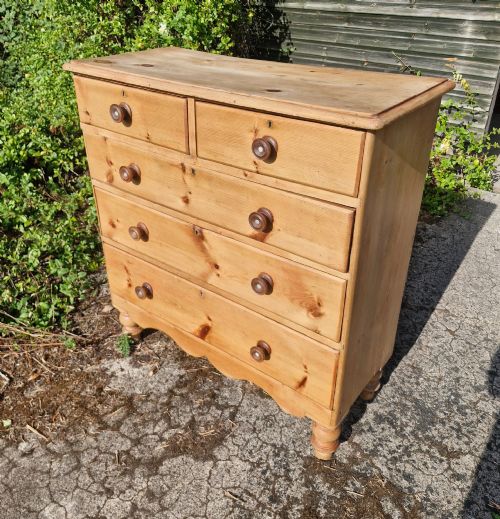
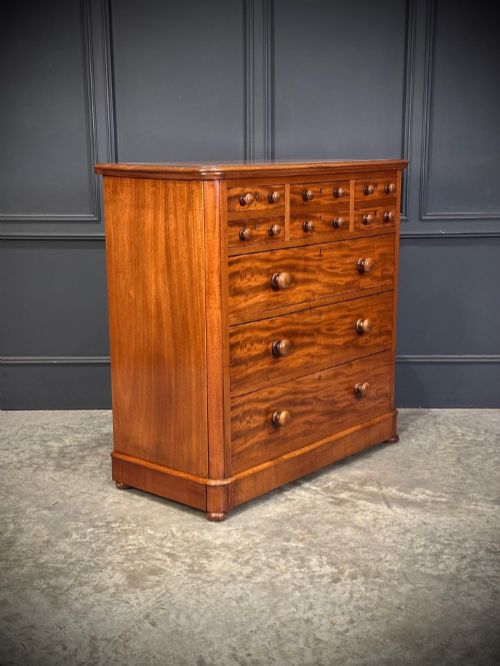
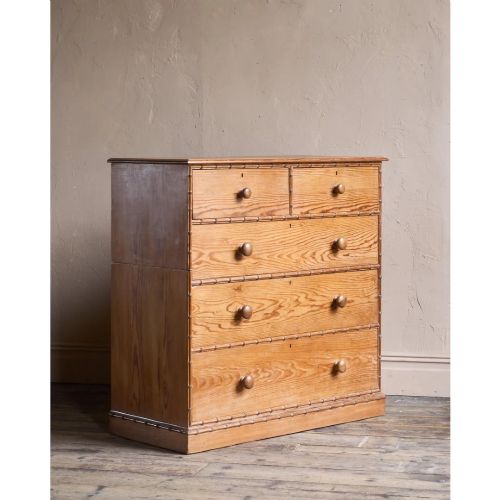
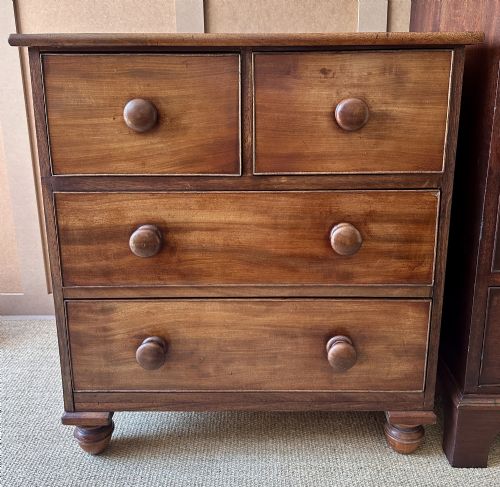
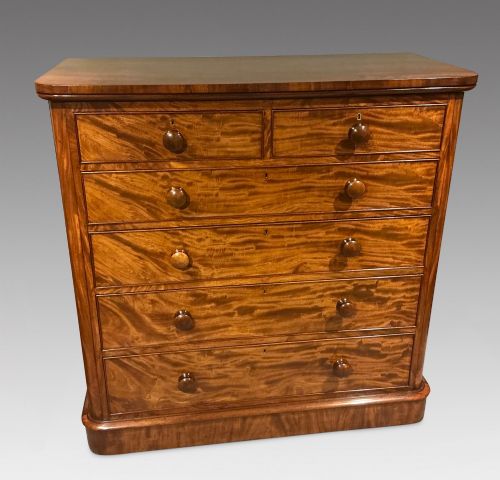
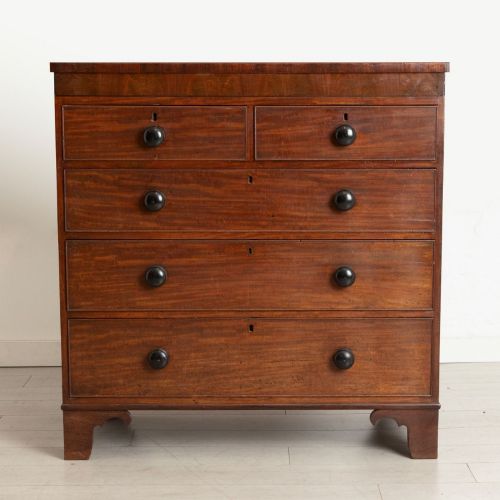
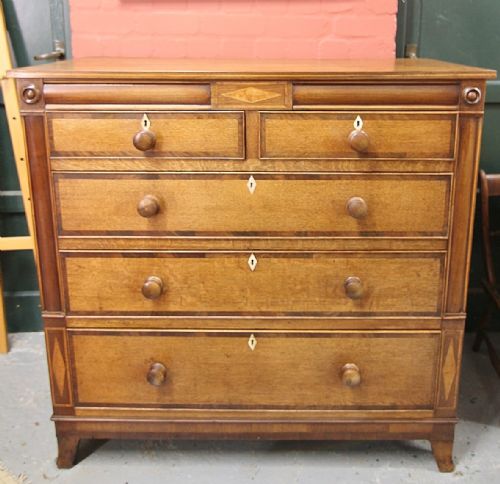
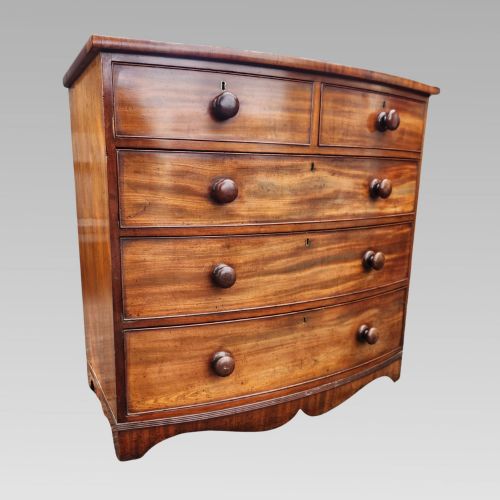
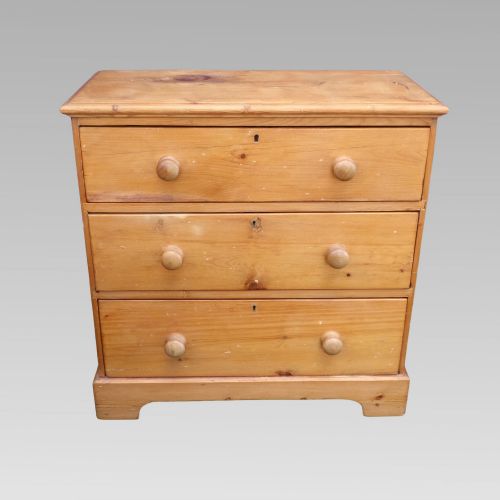
When you search for antique chest turned knobs, you encounter drawer units spanning the Georgian, Victorian, and Arts and Crafts periods. The pieces on this page are predominantly chests of drawers constructed from pine and mahogany, featuring both standard forms and miniature apprentice pieces.
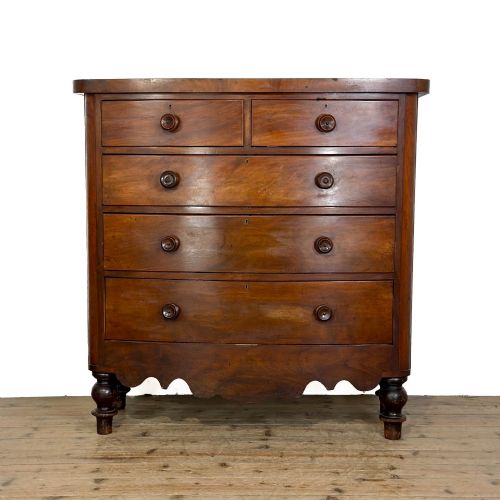
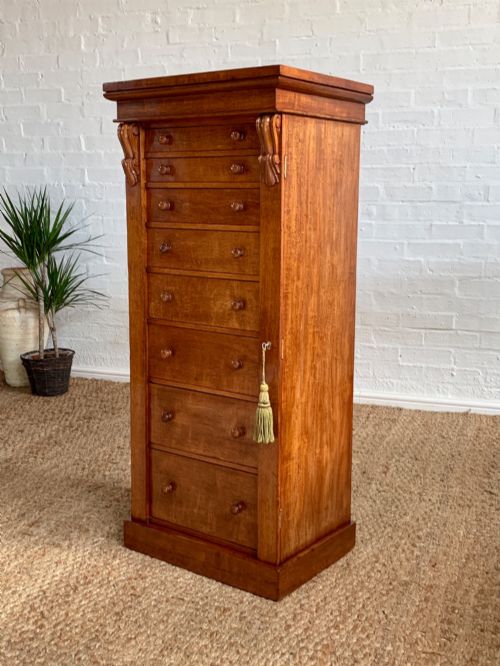
Victorian pine and mahogany examples form the core of what you meet here, often presenting with bow fronts, Wellington formats, or simple utilitarian layouts. These domestic items served bedrooms and parlours, relying on turned wooden knobs to operate the drawers.
Materials and construction methods
Cabinet makers utilised solid timber such as pine and mahogany, occasionally incorporating figured mahogany veneers to enhance the primary facade. Brass, iron, glass, and bone appear selectively for escutcheons, locks, or smaller structural details.
Turned wooden knobs were shaped on a lathe, matching the timber of the drawer fronts or contrasting with the carcase. Traditional joinery underpins these chests, ranging from straightforward country pine construction to refined mahogany cabinet work.
Listings feature pine and mahogany across Victorian, Georgian, and Arts and Crafts periods, alongside miniature apprentice pieces.
Distinguishing quality across pieces
The standard of timber selection and surface finish separates standard utility furniture from finer workshop production. Figured mahogany veneers and carefully waxed pine surfaces demonstrate greater consideration by the original maker.
Proportion and the integrity of the original turned knobs and feet dictate desirability. Retaining original handles and maintaining balanced proportions elevates a chest above simpler, heavily altered alternatives.
Howard and Sons
The Antique Chest Turned Knobs Glossary
- Bow front
- A convex curved drawer front popular in Georgian and Victorian cabinet making. This shape softens the profile of a heavy wooden chest.
- Wellington chest
- A tall, narrow chest of drawers secured by a single vertical locking bar on the side. These pieces typically include secret drawers at the top.
- Biedermeier
- A Central European style prioritising clean lines and utilitarian comfort over ornamentation. Mahogany is frequently utilised within this aesthetic.
- Arts and Crafts
- A design movement favouring honest construction and local materials over industrial mass production. Waxed pine is characteristic of this approach.
Antique Chest Turned Knobs: Frequently Asked Questions
What defines a chest with turned knobs?
These pieces rely on lathe-turned wooden handles rather than metal drop handles or brass plates to open the drawers. They appear primarily on Victorian and Georgian chests.
Pine and mahogany are the dominant timbers used for these drawer units, spanning utilitarian country items to formal parlour furniture.
How do I date a wooden chest?
Dating relies on timber choice, construction techniques, and stylistic markers such as bow fronts or bracket feet. Victorian examples often feature robust pine carcases or figured mahogany.
Earlier Georgian pieces demonstrate different drawer lining woods and carcass proportions compared to later nineteenth-century output.
Are miniature chests apprentice pieces?
Miniature chests were frequently created by trainees to prove their mastery of woodworking joints and proportion. They scale down full-size drawer units accurately.
These smaller items use the same materials, such as mahogany and pine, found on standard domestic chests.
How should I care for waxed pine?
Waxed pine benefits from occasional gentle cleaning and natural beeswax application to nourish the dry timber. Avoid placing these chests near direct heat sources.
Maintaining a stable room humidity prevents the solid wood panels and turned knobs from splitting or loosening over time.