



Antique Cherub Mirror Frame
An antique cherub mirror frame brings sculpted celestial figures and reflective glass together, offering a decorative focal point shaped by centuries of European craftsmanship.
Antique Cherub Mirror Frame
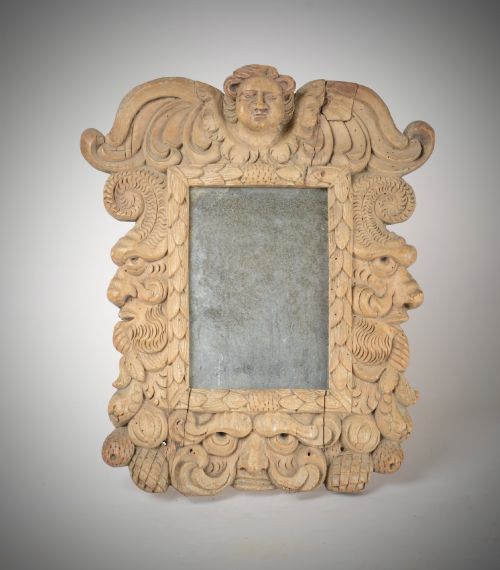
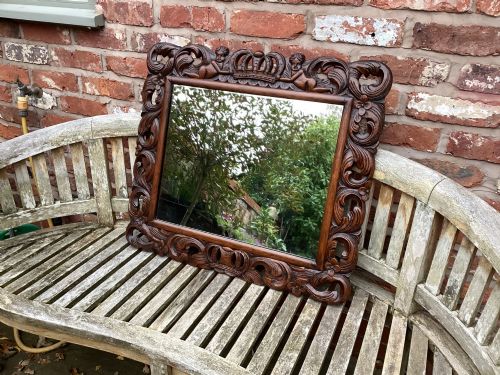
An antique cherub mirror frame combines functional reflective glass with sculptural woodcarving, gesso, or cast metal depicting winged putti. These pieces range from compact wall and dressing table designs to large overmantels designed for formal reception rooms.
The versions most commonly met in these listings span the nineteenth century, drawing heavily on Rococo Revival, Baroque, and Louis XVI styles. Italian, French, and English workshops all produced variations of these winged figures guarding the glass plate.
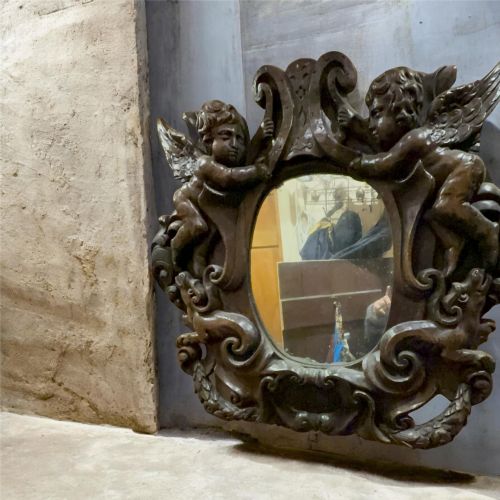
Buyers look for these frames to introduce figurative ornamentation and historical depth into domestic interiors. The cherubs often appear perched upon crests, framing brackets, or integrated within elaborate floral and scrollwork surrounds.
How they were made
Makers shaped these frames primarily from carved timber such as oak, fruitwood, and mahogany, often applying layers of gesso to build up complex three-dimensional scrollwork and cherubic forms. Artisans then gilded these surfaces using gold leaf or finished them with painted pigments.
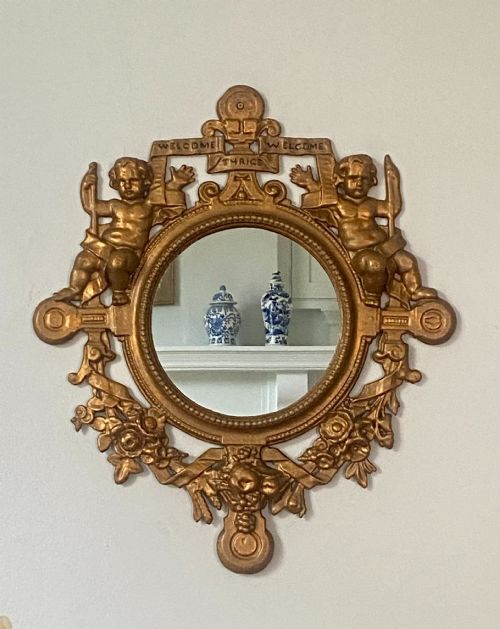
Alternative manufacturing methods included casting metals, as seen in examples utilising iron or brass, which allowed for intricate relief detailing. Glass plates were typically hand-silvered and held within the carved or moulded surrounds by traditional backing methods.
Antique Cherub Mirror Frame Retail Price Guide 2026
Typical asking prices for cherub mirror frame among the pieces listed under this phrase on Sellingantiques today, from the lower quarter to the upper quarter. They describe what is for sale here now, not the wider market.
Several cherubs keep perpetual watch over domestic hallways, frozen mid-flight above antique glass.
What varies in quality
The application of the gilt surface also defines the grade of the piece, with traditional water-gilding over gesso displaying a richer tonal variation than uniform modern metallic paints. Original mirror plates with appropriate foxing further distinguish untouched period examples.
Coalbrookdale·Sir Willian Trotter
The Antique Cherub Mirror Frame Glossary
- Gesso
- A plaster-like mixture applied to wood frames to create a smooth base for carving or gilding. This compound allowed artisans to model intricate relief ornamentation before applying gold leaf.
- Giltwood
- Timber coated with gold leaf or gold paint. This finish catches candlelight and natural illumination in period reception rooms.
- Overmantel mirror
- A large horizontal mirror designed to hang specifically above a fireplace mantelpiece. These pieces frequently anchor the decorative scheme of a nineteenth-century drawing room.
- Putto
- A plump, often winged child figure derived from classical art. These representations serve as the defining cherubic motif on these frames.
- Rococo Revival
- A nineteenth-century design movement favouring asymmetrical scrolls, floral abundance, and shell motifs. This style heavily influenced the most ornate cherub mirror frames.
Antique Cherub Mirror Frame: Frequently Asked Questions
Where should I hang an antique cherub mirror?
These pieces suit positions above mantelpieces, in hallways, or as standalone focal points on panelled walls where their sculptural frames receive adequate light.
Ensure the wall fixings match the weight of the timber and gesso construction, particularly for larger nineteenth-century overmantel versions.
How do I identify the period of a mirror frame?
Look closely at the preparation materials, backboards, and stylised carving traits which align with movements like Rococo Revival or Louis XVI style.
Nineteenth-century pieces often show distinct tool marks on the reverse and older glass plates displaying natural oxidation patterns.
Are these mirror plates original?
Many surviving frames retain their original mercury or early silvered glass plates, though some have undergone replacement over the centuries of use.
Original plates typically exhibit characteristic minor distortion and edge speckling that modern manufacturing techniques do not replicate.
What is the difference between giltwood and gesso?
Giltwood refers to the underlying timber finished with gold leaf, whereas gesso is the preparatory plaster composition modelled into decorative reliefs beneath the gilding.
Many frames combine both materials, using moulded gesso over a wooden carcass to achieve deep sculptural cherubs.